The mango tree at 125 Bukit Merah Lane 1 is a renowned hotspot among Singapore’s birding community, attracting a variety of species such as the Coconut Lorikeet (Trichoglossus haematodus), Blue-Crowned Hanging Parrot (Loriculus galgulus), Black-Naped Oriole (Oriolus chinensis), Asian Glossy Starling (Aplonis panayensis), Javan Myna (Acridotheres javanicus) etc.
I challenge all birders and nature enthusiasts to explore fruiting mango trees in their area – these birds might be living right on your doorstep! Here’s an example from Bukit Panjang, right beside a shopping mall.
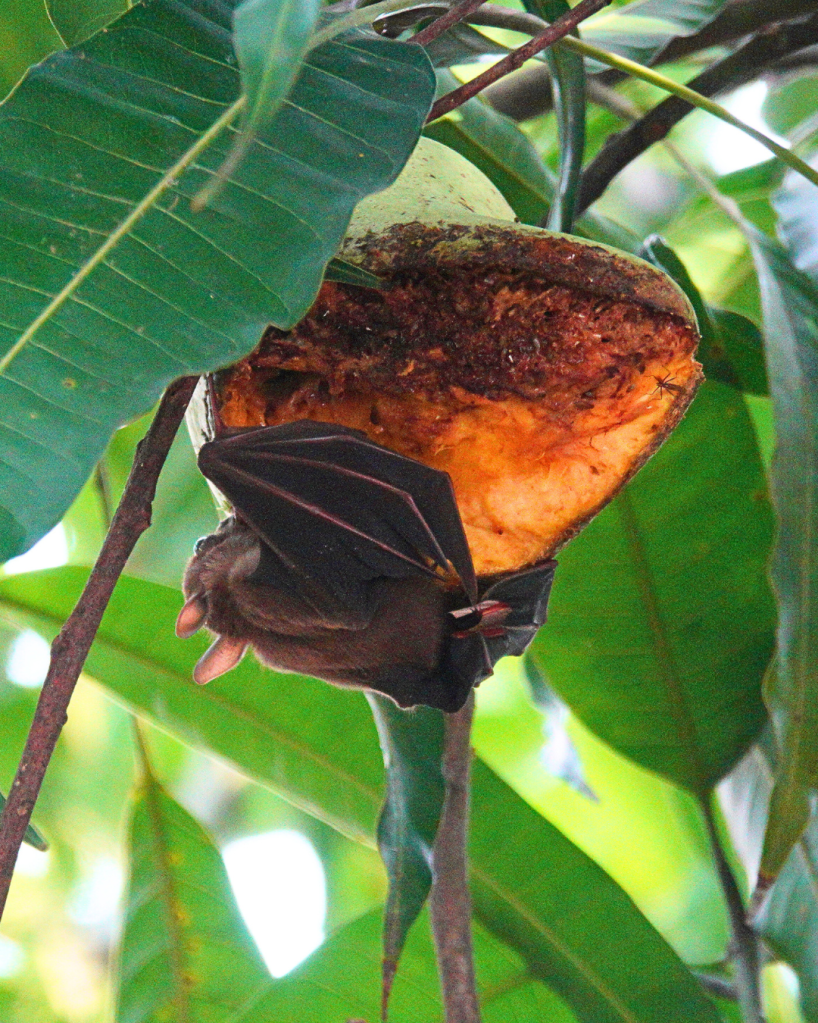
Just yesterday, as I walked by the tree, I caught a whiff of sweet scent and spotted half-eaten fruits. As it was already 6:00 pm and birds were scarce, I was surprised to find a Lesser Dog-Faced Fruit Bat (Cynopterus brachyotis) feasting on a mango.
This species of bat is highly adaptable to urban spaces and is, in fact, the most commonly spotted bat species in Singapore.
A few months back, when the mangoes were ripe, many birds flocked to this particular mango tree to feast, particularly in the mornings. On one such morning, I recorded the following bird species visiting the same tree in Bukit Panjang.
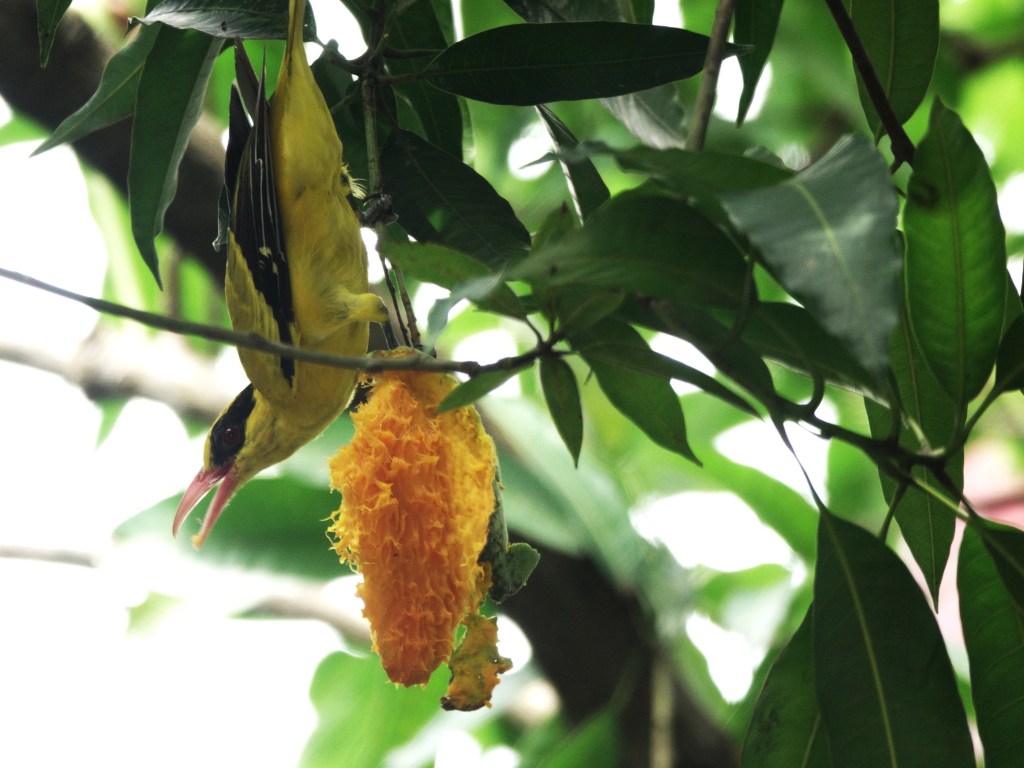
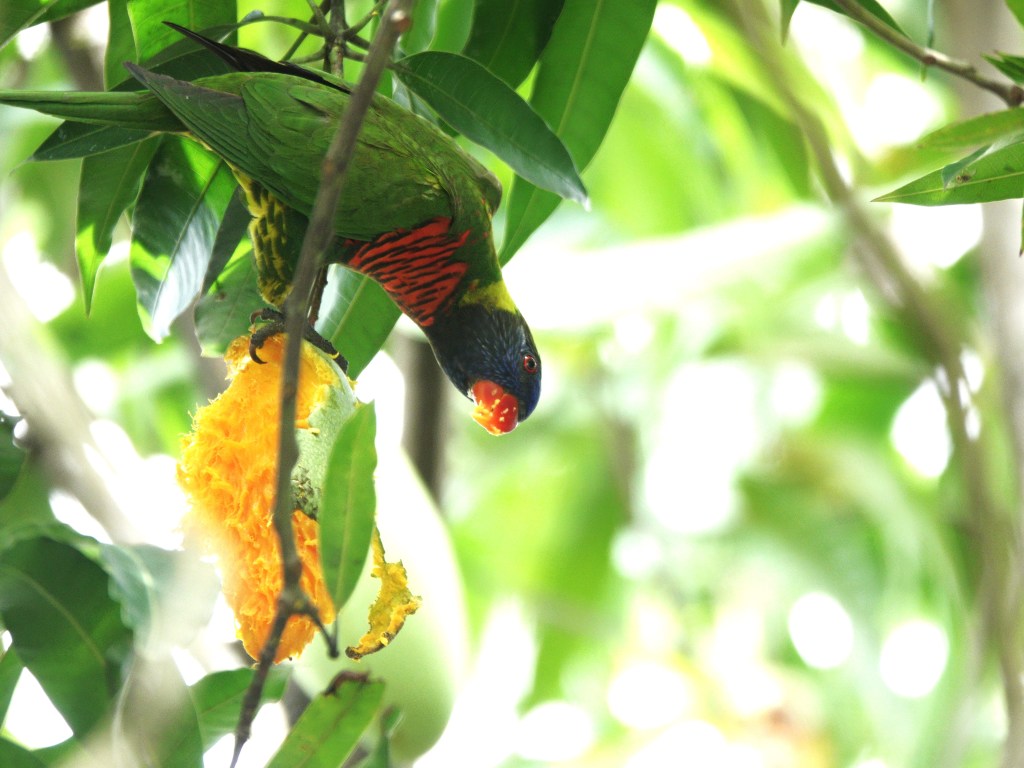
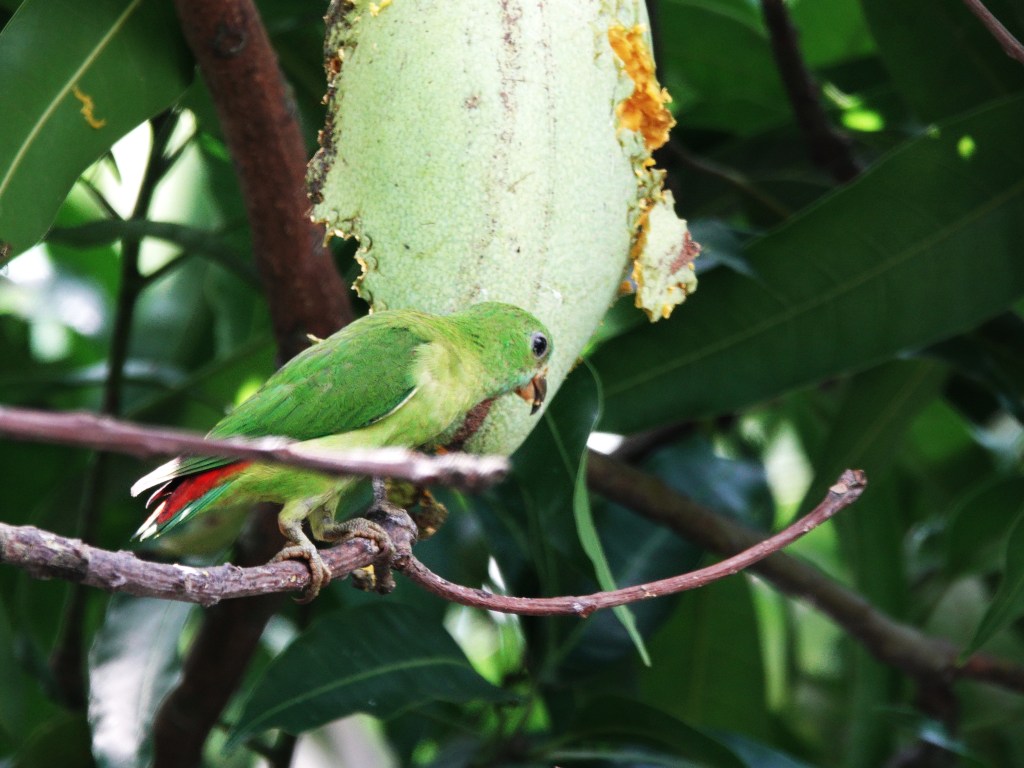
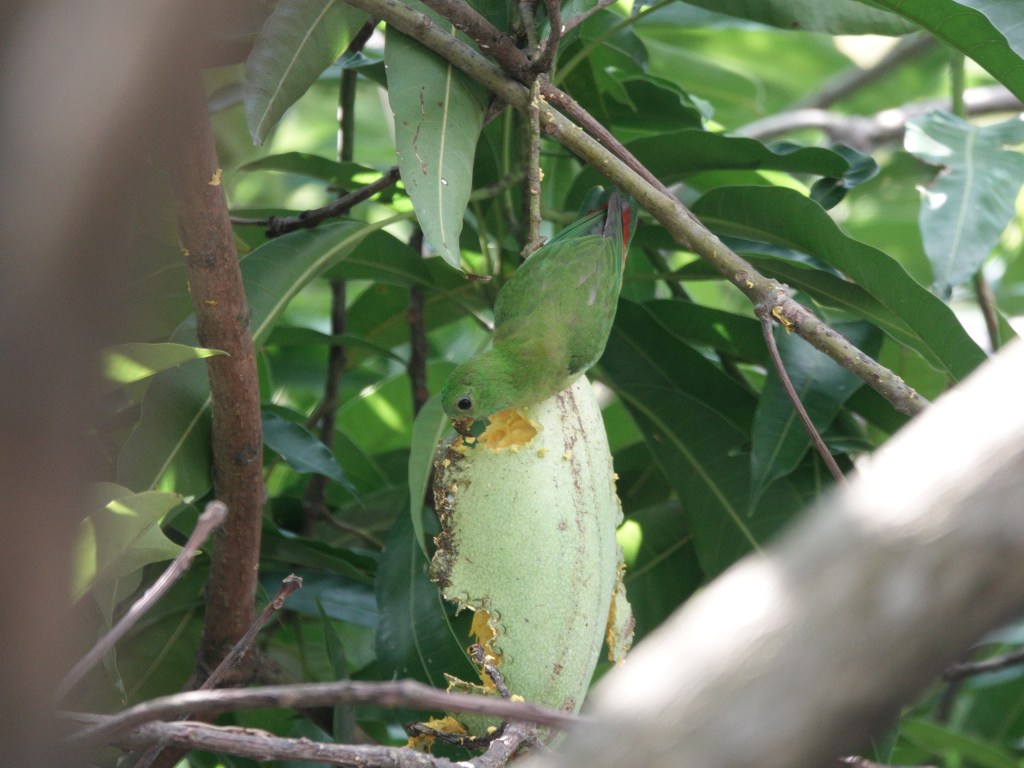
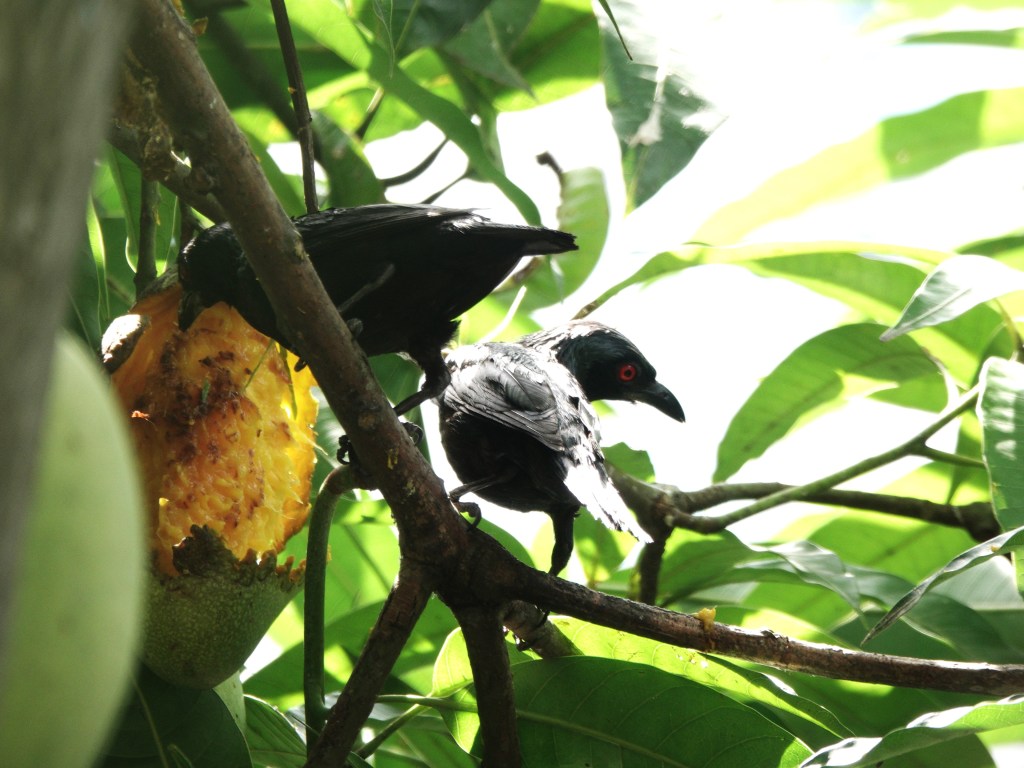
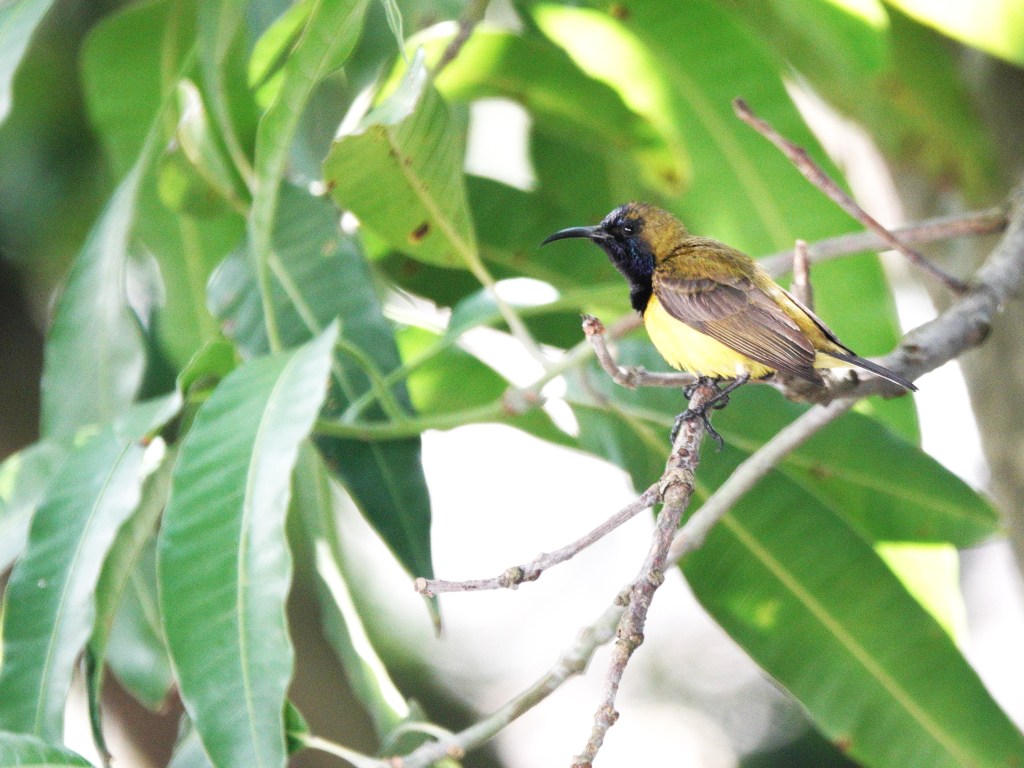
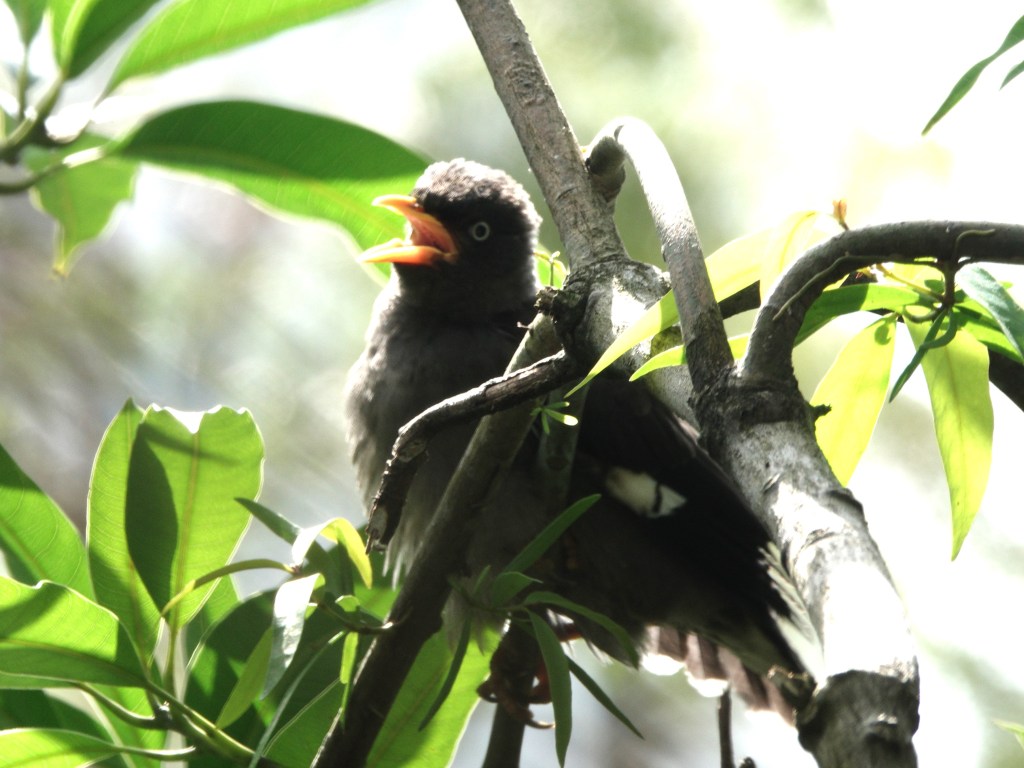
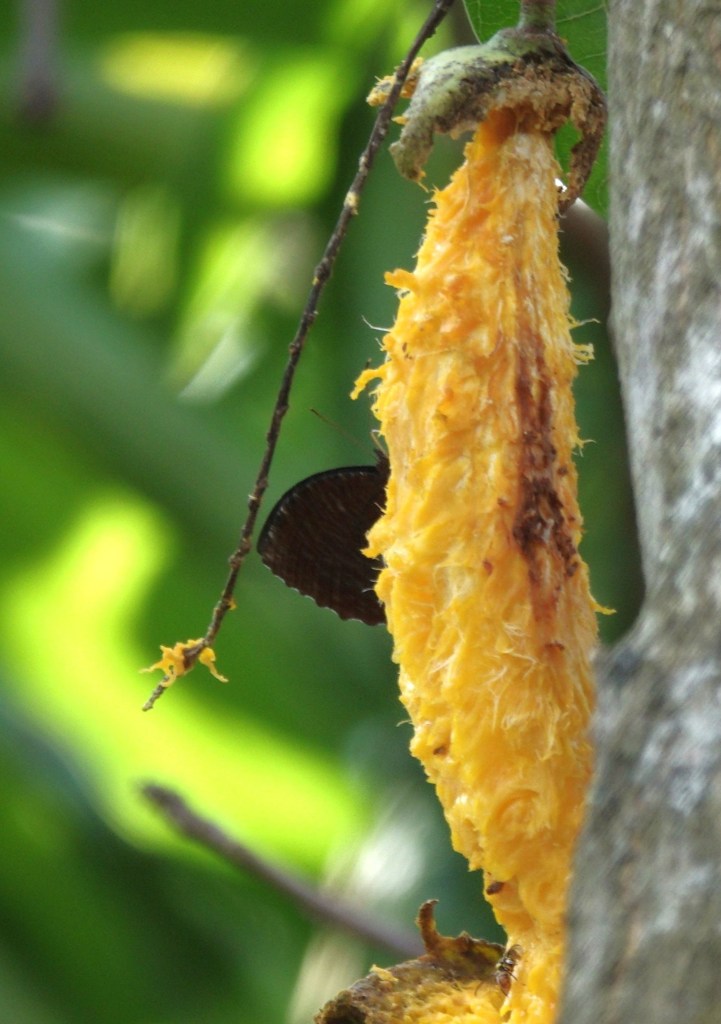
Black-Naped Orioles have a clear fondness for mangoes! I’ve affectionately nicknamed them the “Wolverine” due to their striking yellow plumage, which reminds me of the iconic X-Men character’s costume.I spotted two Coconut Lorikeets regularly visiting this mango tree, and here’s one of them in action! Looks like it’s time for a cleanup – this bird is definitely a messy eater!Here’s a lovely female Blue-Crowned Hanging Parrot! While they’re often heard flying between spots, the best opportunities for photography are usually near mango trees located close to carparks or HDB corridors. In more natural settings, I tend to find them high up in the canopies of ficus trees, feasting on tiny figs.The Blue-Crowned Hanging Parrot gets its name from the distinctive blue crown found on males – which this one lacks. So, it’s pretty clear that this is a female!A Spotted Dove waiting for its turn to feast on the mangoes.Catching the sun’s rays, Asian Glossy Starlings can reveal their stunning iridescent green feathers (not in this case though) – and their love for mangoes is undeniable!When I first started birding, this species was still referred to as the Olive Sunbird – now it’s known as the Ornate Sunbird. Interestingly, I did spot one in the same tree, although it wasn’t feeding on the mangoes this time.The Javan Myna is another common sight on our local mango trees. Hey! Where is our own native Common Myna? In this case, it looks like a curious juvenile might be waiting for its parents to bring it some mango treats!And how can we forget the Yellow-Vent Bulbuls? They’re definitely enjoying their share of mangoes at this buffet!Well! Our winged friends also love the remains of the mango. An unidentified butterfly and possibly a wasp/hornet at the bottom of the picture. A special guest joins the party! This Sunda Pygmy Woodpecker isn’t here for the mangoes, but rather to lend a beak in pest control – a welcome helper for the mango tree! One of my favorite woodpeckers in Singapore, for sure!And of course, a common sight to see the weaver ants’ nest on mango trees!
In fact, when my friend visited the same tree the next morning, he spotted even more species, including a Common Iora (Aegithina tiphia) and a Pied Triller (Lalage nigra), in addition to all the birds I previously mentioned.
Let’s open our senses to the world around us! Notice the mango trees in your neighborhood – are they fruiting? Can you catch the sweet scent wafting from them? And do you hear the lively, screeching calls of the birds?
I challenge you to find your own mango tree teeming with life – I’m sure it’s waiting to be discovered!
While conducting nature guiding walks, one of the biggest concerns is often ‘Will the birds show up?’ After gaining a deeper understanding of relationships among the flora and fauna species within any ecosystems, I have come to realise that if birds are elusive, I can instead look for the tree species they tend to frequent. Trees, after all, provide a more reliable presence (barring events like lightning strikes or removal by authorities for various reasons).
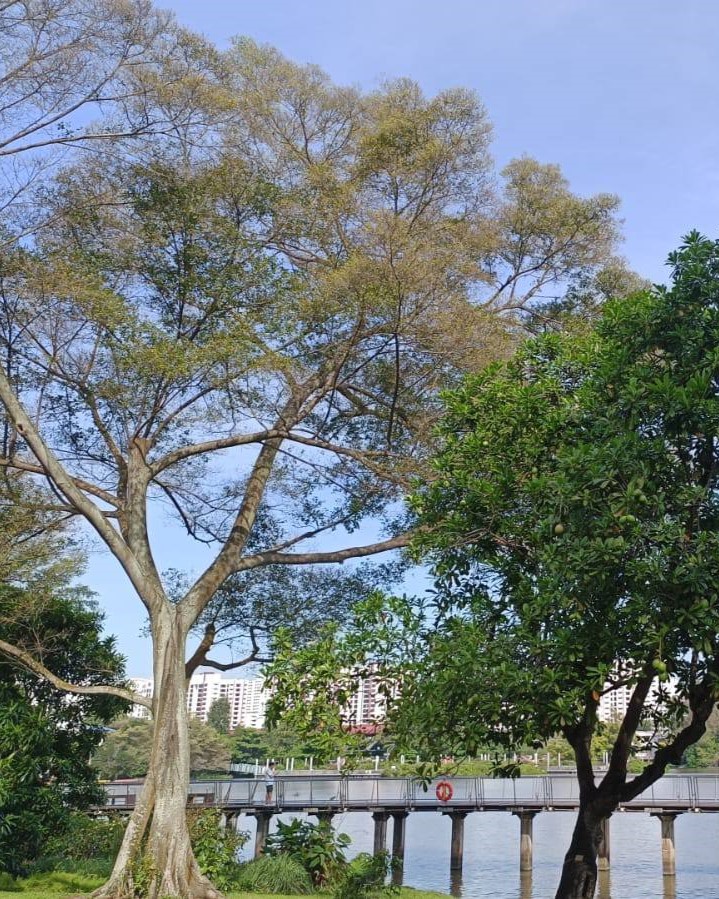
One of the tree species I often look out for bird sightings is the Albizia Tree, specifically Falcataria falcata (see link from uforest for more detailed documentation of its physical features). Typically seen from a distance from boardwalks in nature parks or park connectors within secondary forests, these trees are notable for being among the world’s fastest-growing species (can reach maturity within 5 years), which has led to their popular use in reforestation projects.
So why are Albizia trees often located away from areas with high human traffic? It’s because they belong to the softwood species, characterised by low-density wood and a shallow root system. These features make them vulnerable, especially in a tropical equatorial climate with frequent lightning, heavy rainfall, and strong winds that can cause breakage of branches and uprooting due to soil erosion. Thus, many of those grown nearer to human traffic may have already been removed over the years. In fact, after googling more about the tree species, I found an article regarding NParks removing a patch of Albizia trees at the Bukit Batok Nature Park in 2017 due to safety concerns (See link). And specifically 10 years earlier in 2007, a Singaporean was crushed to death by a toppled Albizia tree, with two others injured (see link).
The two ways to identify an Albizia tree is its small compound leaves, smooth greyish bark. The other prominent features will be the tree cavities and broken branches. Read more to find out why.
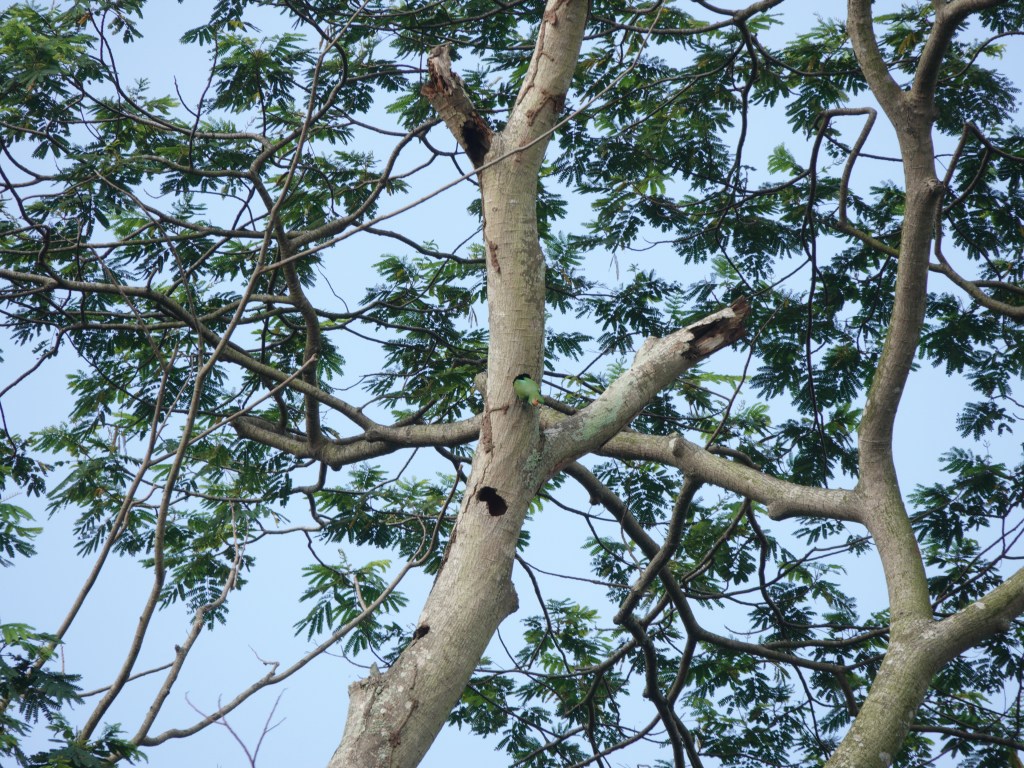
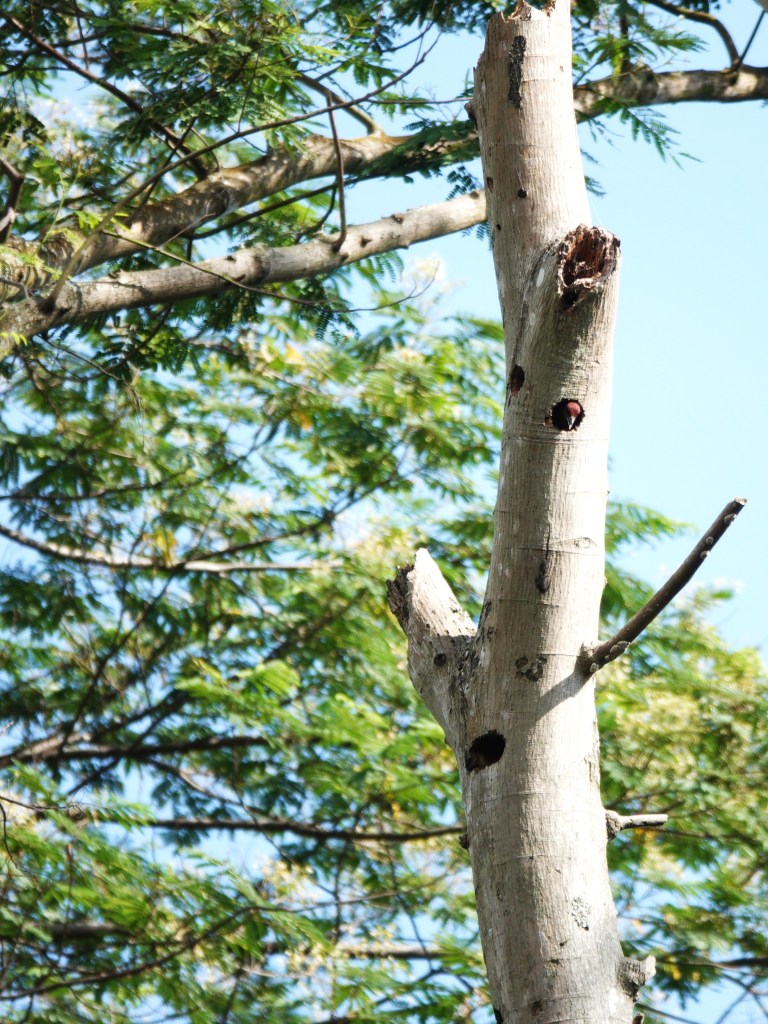
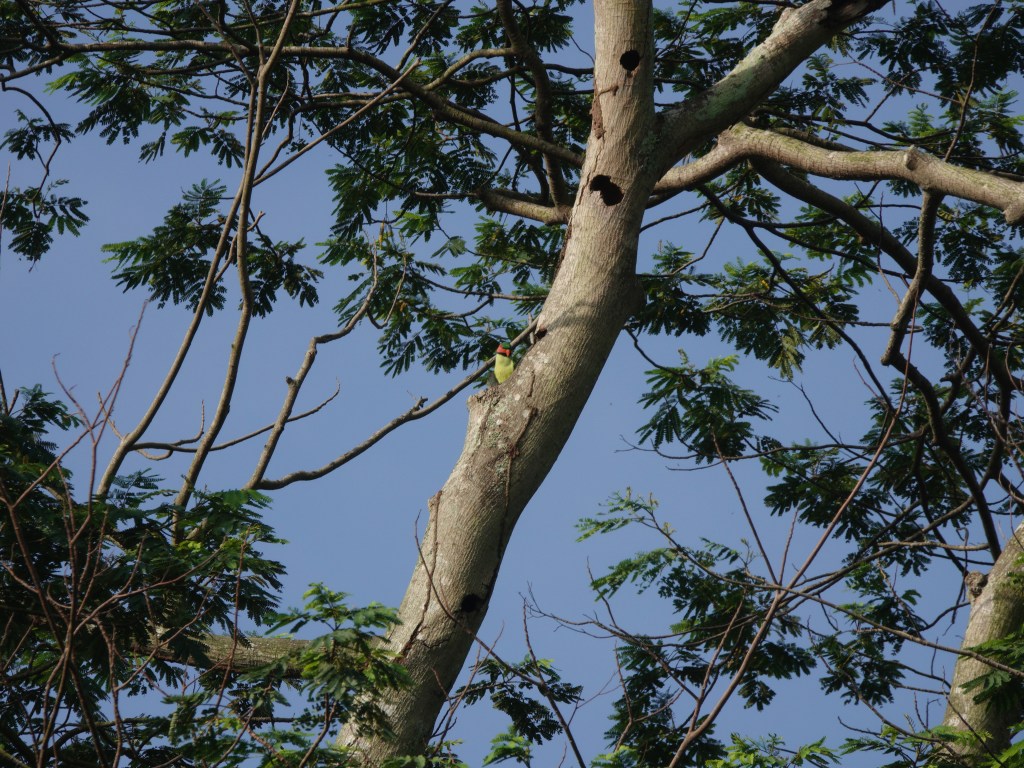
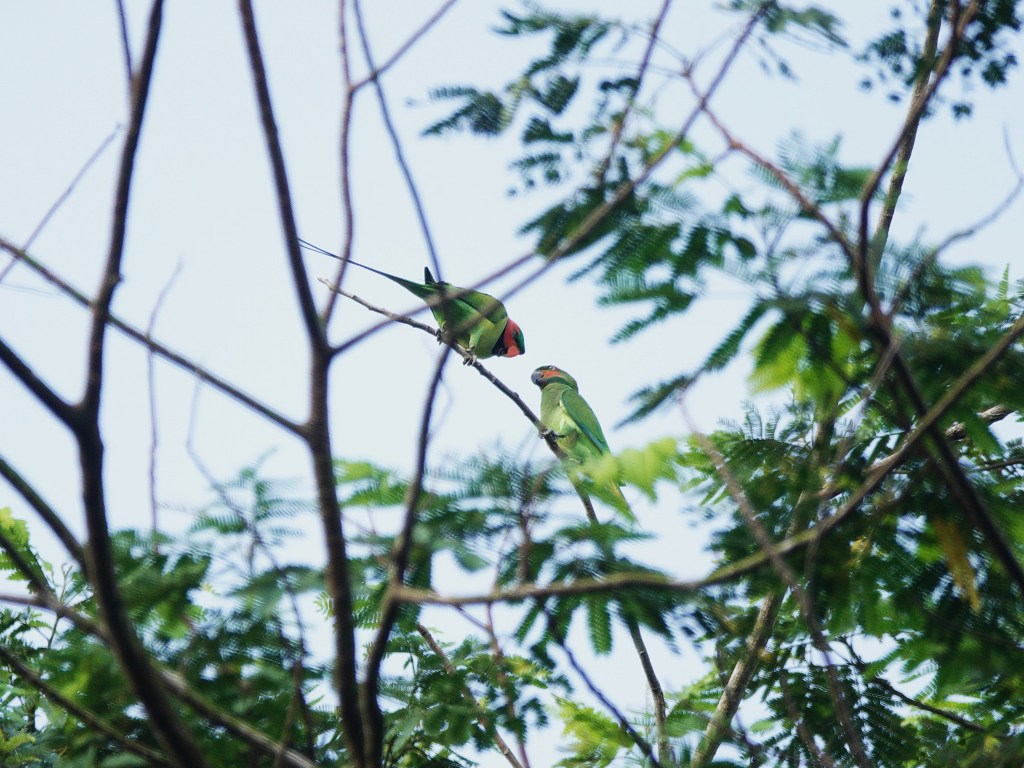
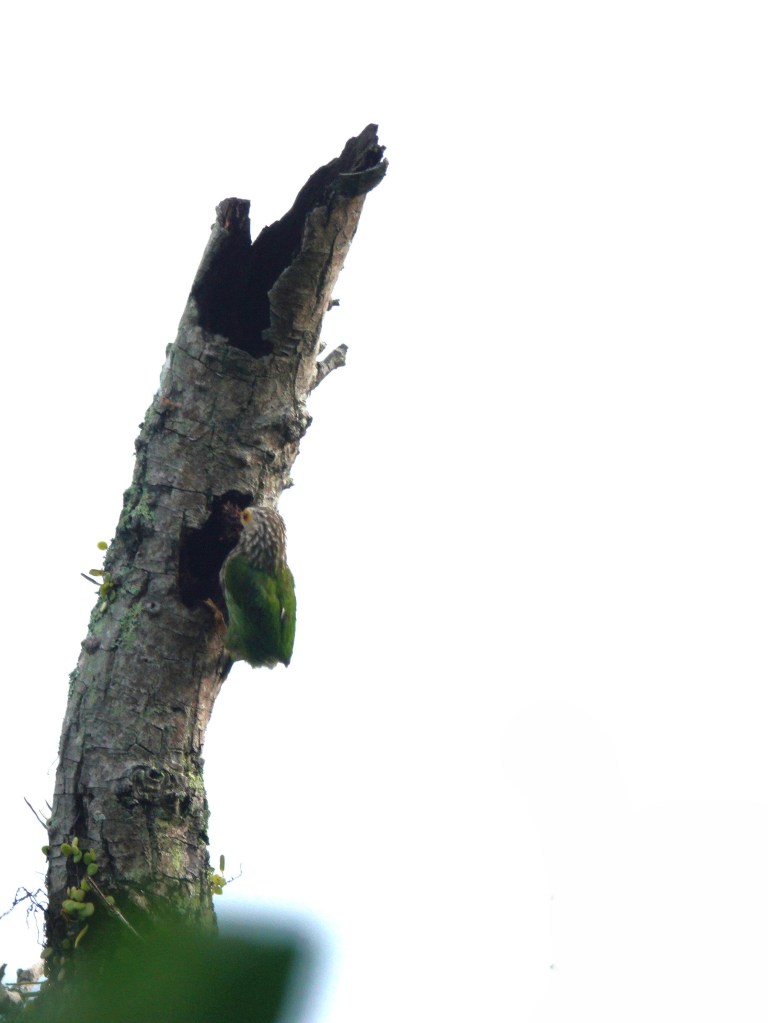
Interestingly, the same characteristics that make Albizia trees potential safety hazards for humans also make them attractive to certain bird species, such as Lineated Barbets, Banded Woodpeckers, Long-Tailed Parakeets, Hill Mynas and Oriental Pied Hornbills (there may be many others which I have yet observed). The reason lies in the tree’s softer, lower-density wood, which is easier for woodpeckers to excavate cavities for nesting. Barbets may also exploit the more brittle or damaged areas with portions of dead wood to create their own cavities. In contrast, mynas, parakeets and hornbills often rely on existing cavities, using those vacated by other birds for nesting though they do have strong beaks to further shape the holes. Thus, the mynas, parakeets and hornbills are known as “secondary cavity nesters” i.e. they utilise cavities that have already been created by birds with strong beaks that are built for such purposes.
A Banded Woodpecker looking out of the cavity along Daily Farm Nature Park (between Singapore Quarry and MOE Dairy Farm Outdoor Adventure Learning Centre).A Long-Tailed Parakeet peering out from its home. There are so many other cavities above it. This explains why the integrity of the tree structure may be weak and hence a safety hazard.Two Long-Tailed Parakeets on an Albizia tree in either Rifle Range Nature Park or Hindhede Nature Park (I have forgotten where exactly I took this photograph).A Lineated Barbet further excavating a hole at Bidadari Park. It is not known if this is a dead Albizia that have been left there for birds to perch and nest (the bark seems too rough to be one). Bidadari used to have many Albizia trees before the park was opened (You may refer to one of the photographs from uforest)
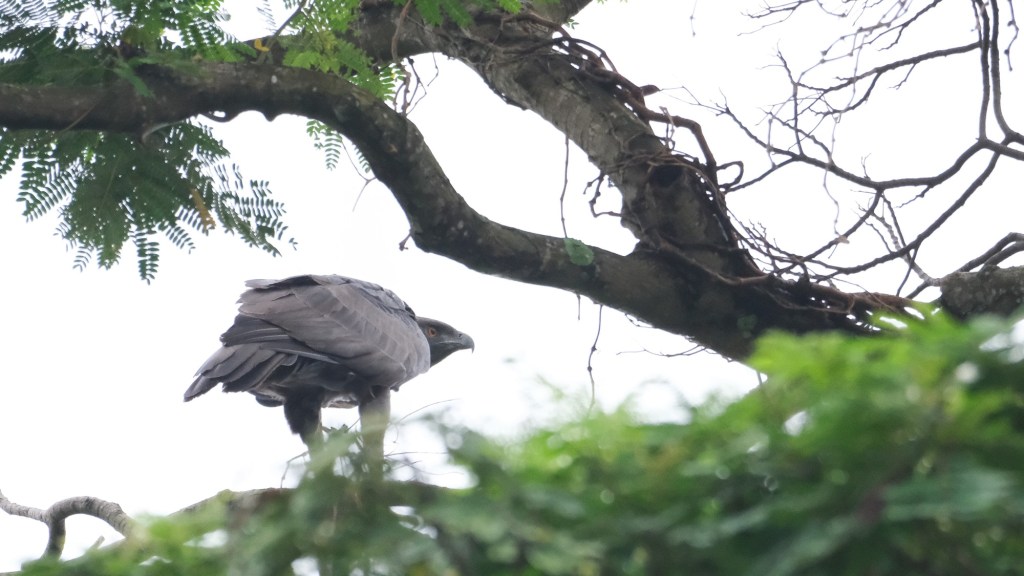
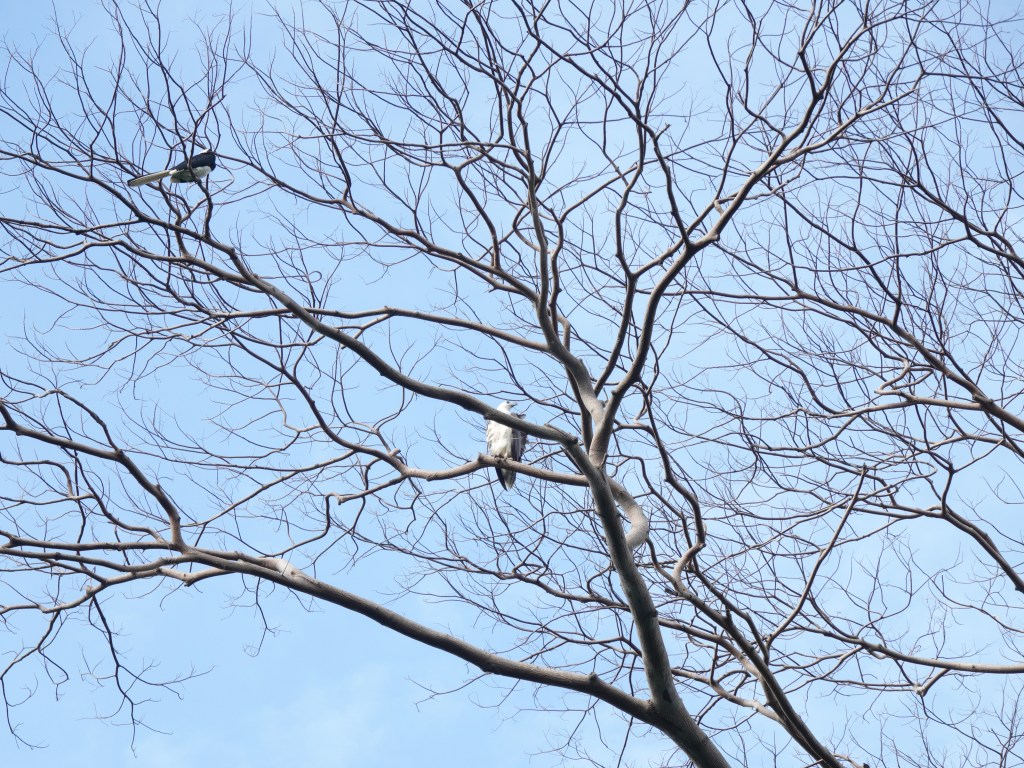
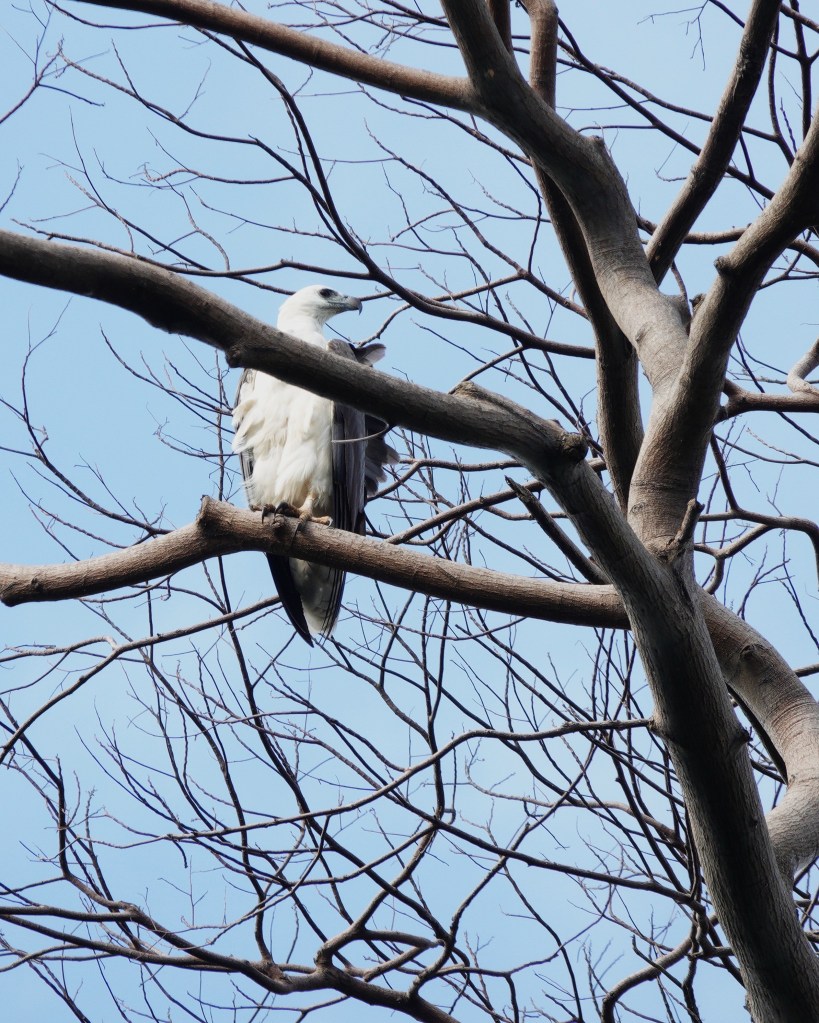
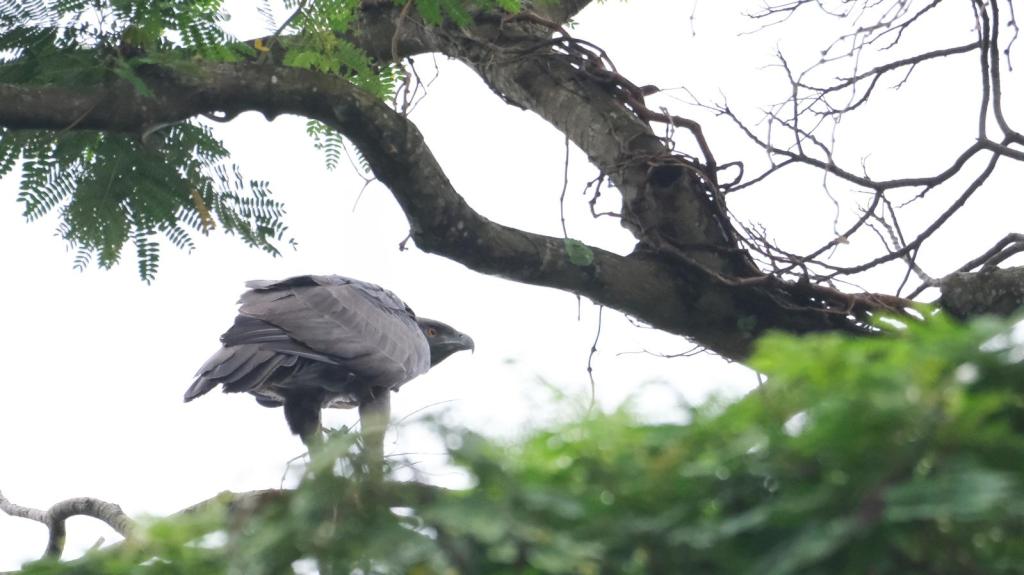
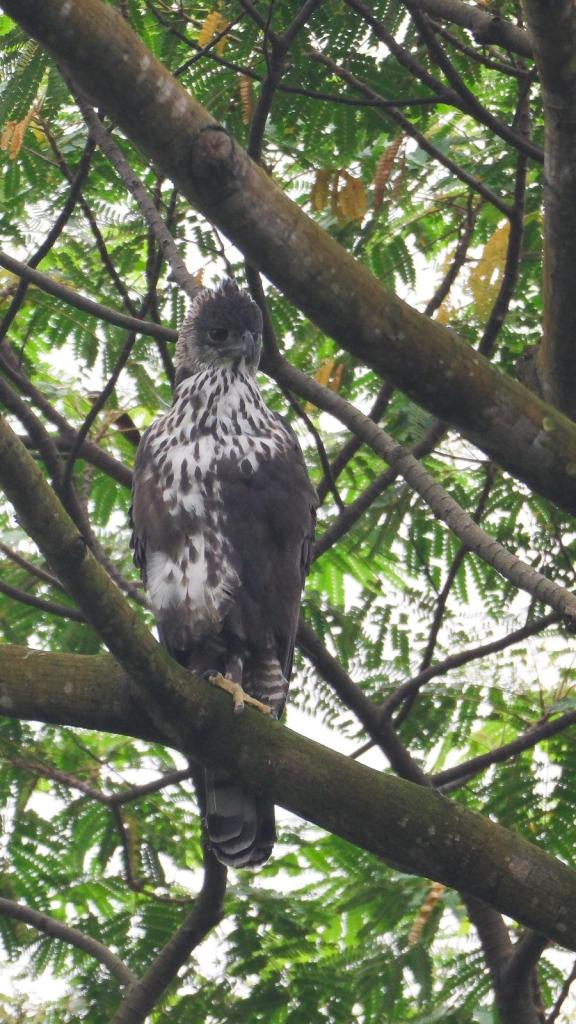
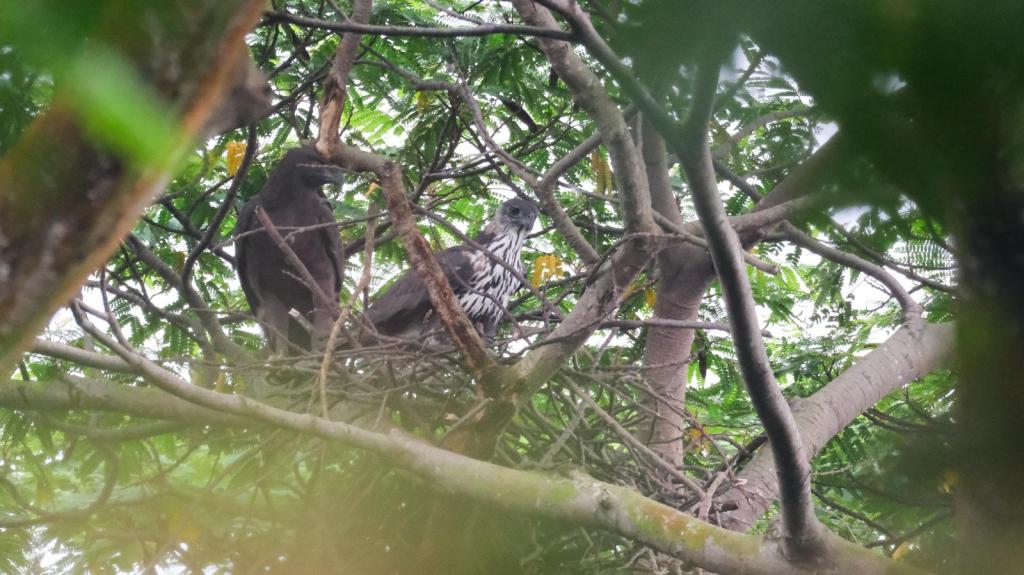
The sparse foliage at the canopy of the Albizia tree also makes it an ideal spot for birders to look for raptors, which often perch on the tree’s horizontally stretching branches. This vantage point likely provides the raptors with an unobstructed view of potential prey from a significant height, a luxury not afforded by trees with denser canopies where leaves and branches would block their line of sight. In fact, the height, shape and structure of the branches also encourage raptors to construct their eyries on the Albizia canopy. This has been well-documented by many others. Below are some of the photographs taken by Gabriel and I that illustrate the above points.
An Oriental Pied Hornbill and a White-Bellied Sea Eagle perched on a dead Albizia tree in Punggol. Although the smooth grey bark hints at the tree’s identity, confirmation would ideally require the presence of leaves.A closer view of the smooth bark.A Changeable Hawk Eagle (dark-morphed) perched on an Albizia in Chua Chu Kang. (Photo by Gabriel Kang)The majestic pose of the Changeable Hawk Eagle. You can see the small leaflets of the Albizia in the background. (Photo by Gabriel Kang)Indeed, the Albizia tree is a favourite nesting place for raptors. You can see the eyrie (raptor’s nest) on this particular one in Chua Chu Kang. (Photo by Gabriel Kang)
I have also found a well-documented article from the journal publication “Nature in Singapore”, published by NUS whereby the Changeable Hawk Eagles and the Oriental Pied Hornbills nested on the Albizia in the Dover Forest. It is an enjoyable read for those who would like to find out more. (Click here to access the article)
In conclusion, the Albizia tree presents a complex trade-off between supporting biodiversity and posing safety risks to humans. Effective management of this dilemma requires a collaborative approach, with NParks working closely with the community and various stakeholders to make informed decisions that balance human safety with environmental conservation. Education plays a crucial role in this process, helping people understand the reasons behind tree removal and the importance of prioritising safety while supporting species biodiversity. For nature guides and birders, I hope this post provides valuable insights and fosters a deeper appreciation for the importance of flora in supporting the fauna we admire. Don’t forget your binoculars, as these trees are often located at a distance from walking paths for reasons already mentioned.
Thank you Siyang for providing information about the Albizia trees and Gabriel for the wonderful photos of the Changeable Hawk Eagles.
Allow us to introduce ourselves in a rather unconventional way. I’m Homo sapiens lucasensis trisilva, but you can call me Lucas Teo – that’s my ‘common name’. And joining me in this birdbrain adventure is my partner-in-crime, Homo sapien Gabriellus auricomus agaricus, better known as Gabriel Kang. Curious about Gabriel’s quirky scientific name? Check out his profile picture on his instagram i.e. gabriel.birdbrain (Hint: Google the meaning of auricomus and agaricus).
Anyway, here’s a thought experiment: try Googling “Lucas Teo” or “Gabriel Kang”. How many results do you get? Quite a few, I’d wager. This little exercise brings us to an intriguing question: Why do scientific names matter?
None of them is me. As a nobody, I wouldn’t be in the top searches.
The Challenge of Common Names
Common names, while convenient for everyday use within the same geographical area, culture and language, may lead to confusion and ambiguity in scientific contexts when applied across cultural and political boundaries.
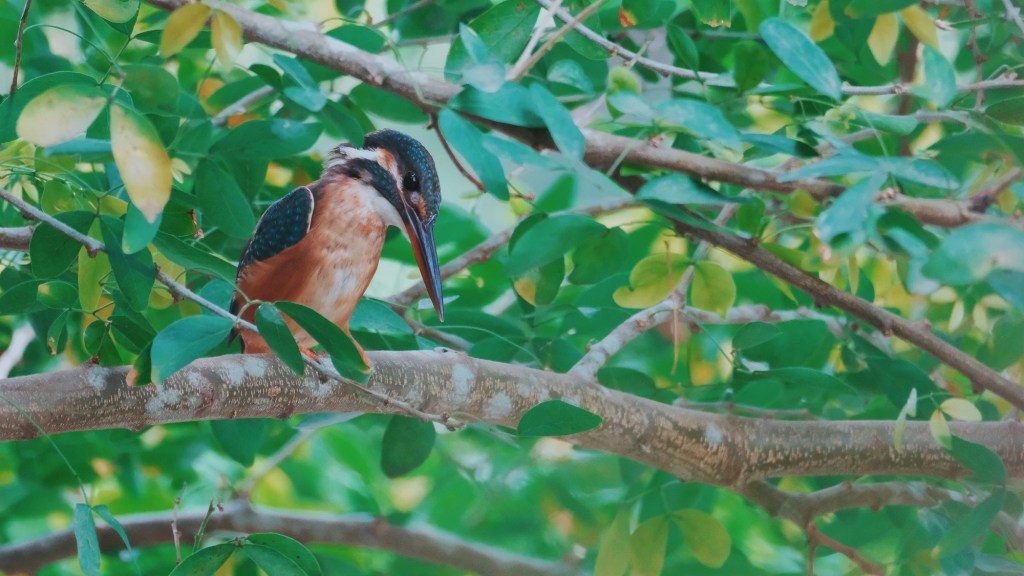
Let’s consider the common kingfisher (Alcedo atthis) as an example. This striking blue and orange bird, found across Eurasia, is known by several names in English alone:
Common Kingfisher
Eurasian Kingfisher
European Kingfisher
River Kingfisher
Small Blue Kingfisher
Common Kingfisher shot in Jurong Lake Gardens (Credit: Gabriel Kang)
This diversity of names within a single language demonstrates the potential for confusion in scientific communication. The situation becomes even more complex when we consider names in other languages and cultures. For instance, in French, it’s known as “Martin-pêcheur d’Europe”, while in German, it’s called “Eisvogel” (ice bird). In Chinese, it’s fondly referred to as “Xiao Cui” (小翠). Such linguistic and cultural variations highlight the need for a standardised naming system in scientific contexts.
When the Common Names Mean Different Things in Different Countries
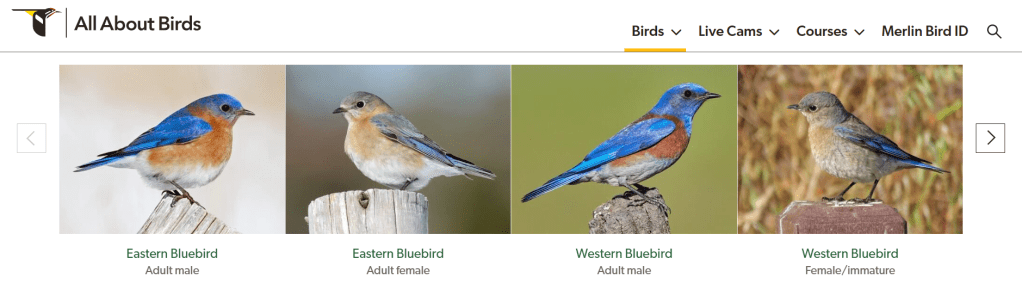
Many common names are based on physical descriptions, which can lead to further confusion. For instance, “bluebird” might refer to several different species across various families. In North America alone, there is a Western Bluebird (Sialia mexicana) and a Mountain Bluebird (Sialia currucoides)… and I believe there is also a Eastern Bluebird (Sialia sialis)?
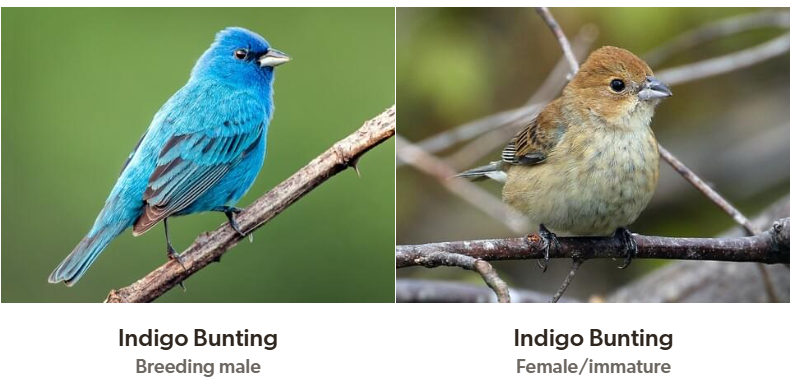
While these birds share a similar blue colouration, they are distinct species with different hunting styles (though with many other similar behaviours and traits). Moreover, other blue-coloured birds like the Blue Grosbeak (Passerina caerulea) or Indigo Bunting (Passerina cyanea) might also be mistakenly called “bluebirds” by casual observers.
To further complicate matters, the term “bluebird” isn’t limited to North American species. In Singapore, we have our own Asian Fairy Bluebird (Irena puella), a strikingly beautiful bird with vibrant blue plumage. Despite its common name, this species is not closely related to the North American bluebirds. It belongs to a different family altogether (Irenidae) – related to leafbirds, while the North American bluebirds are members of the thrush family (Turdidae).
A female Asian-Fairy Bluebird photographed in Dairy Farm Nature Park, Singapore (Credit: Gabriel Kang)A male Asian Fairy Bluebird photographed in Dairy Farm Nature Park, Singapore (Credit: Gabriel Kang)
This example illustrates how common names can be misleading across continents. A birdwatcher familiar with North American bluebirds might be quite surprised to encounter the Asian Fairy Bluebird, which has a different appearance, behaviour, and ecological niche.
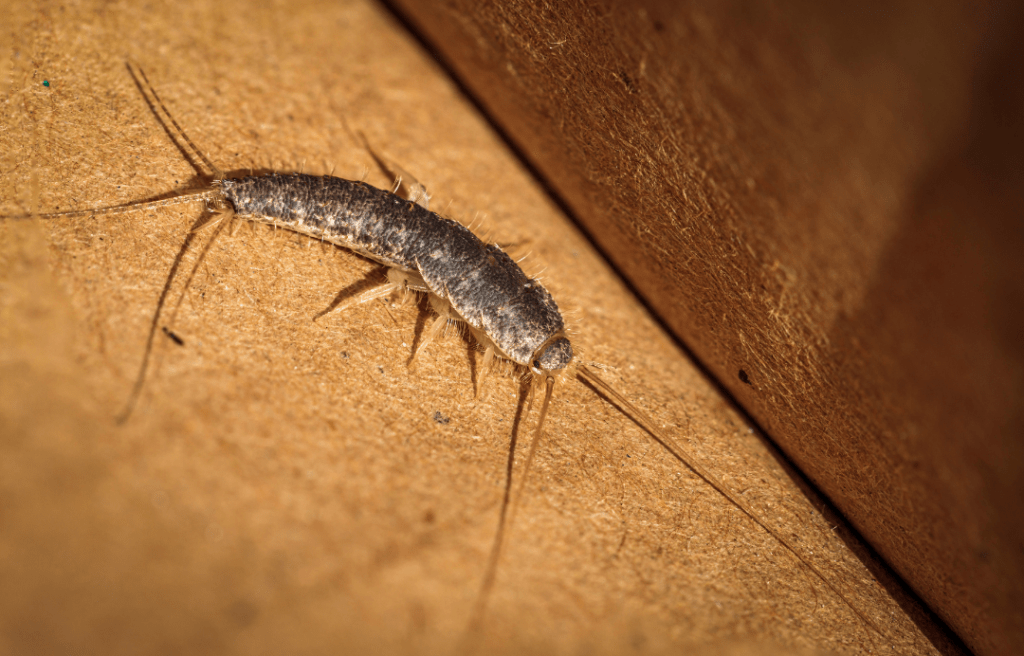
This issue extends beyond birds. The term “silverfish” is used for a specific insect (Lepisma saccharina), but can also represent the Antarctic silverfish (Pleuragramma antarctica), also known as the Antarctic herring – a true fish that swims in the sea. This example further illustrates how common names can lead to confusion across different animal groups, potentially causing misunderstandings in scientific discourse.
A silverfish is not a fish, but rather an insect, other than pelagic fish – Antarctic silverfish native to the Southern Ocean near Antarctica
These examples highlight how common names based on physical descriptions can be misleading, as many different species may share similar physical features. This is where scientific names become invaluable.
When the “Common” May Not Be Common
Sometimes, we see the adjective “common” being used to describe a bird or other aspects of the nature world. It may be misleading like a misnomer. I will be sharing two examples to illustrate this point i.e. the Common Myna (Acridotheres tristis) as well as the Common Kingfisher (Alcedo atthis).
The use of the adjective “common” to describe birds or other aspects of the natural world can sometimes be misleading or act as a misnomer. Two examples that illustrate this point are the Common Myna (Acridotheres tristis) and the Common Kingfisher (Alcedo atthis).
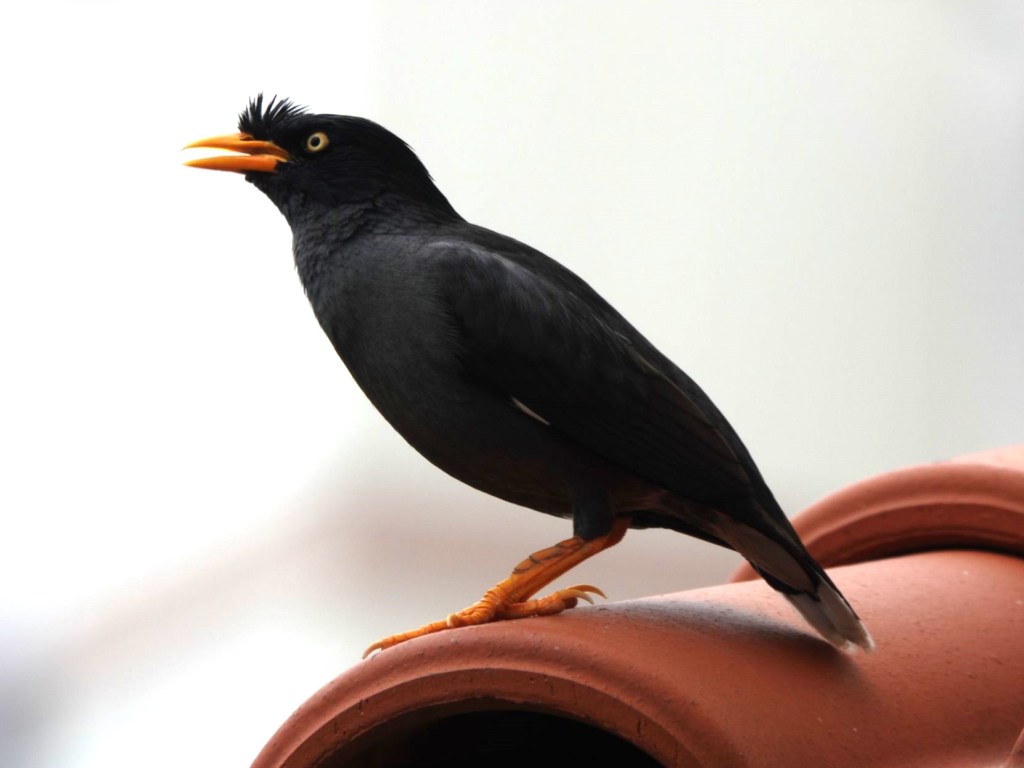
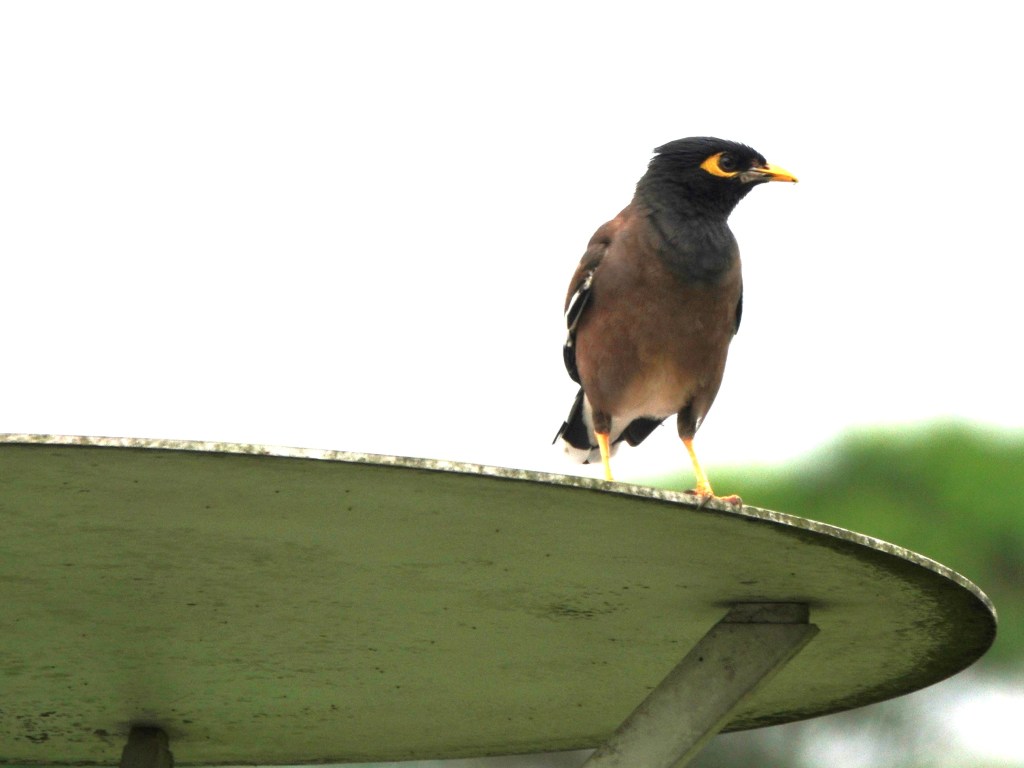
In the context of Singapore, the Common Myna is ironically no longer commonly seen, despite being a native species known for its high adaptability to urban environments. This decline is primarily due to the introduction of the Javan Myna (Acridotheres javanicus), a species originating from Java, an island in Indonesia in the 1920s. The Javan Myna has outcompeted its “common” counterpart, likely due to its superior ability to exploit limited nesting cavities in urban structures and trees. This competition has caused the Common Myna’s population to decrease significantly in Singapore. In fact, it is likely that the Javan Myna is the most common bird in Singapore right now. You may refer to this very comprehensive article from Bird Ecology Study Group to understand reasons behind their ubiquitous presence.
A Javan Myna perching on urban structures in a regular HDB settingA lone common Myna at Lorong Halus Wetland.
This example highlights how the term “common” in a species’ name may not always reflect its current prevalence in a given ecosystem, especially when factors like introduced species and habitat changes come into play.
During the migratory season, one of the kingfisher species that arrives in Singapore is the Common Kingfisher (Alcedo atthis). Despite its name, this bird is not commonly seen in Singapore, even during migration periods. The term “common” in its name refers to its prevalence in its native range, not its abundance in Singapore.
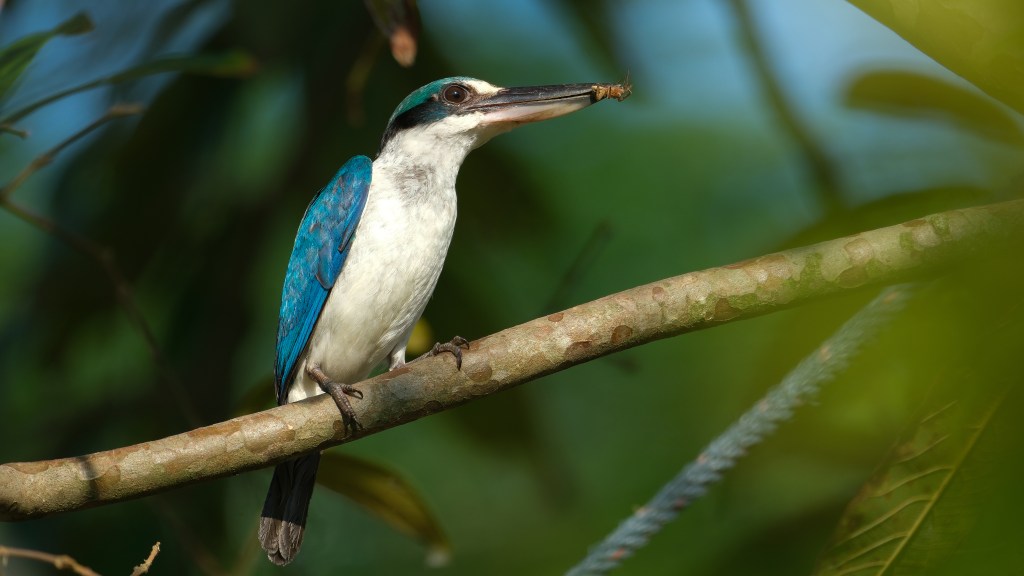
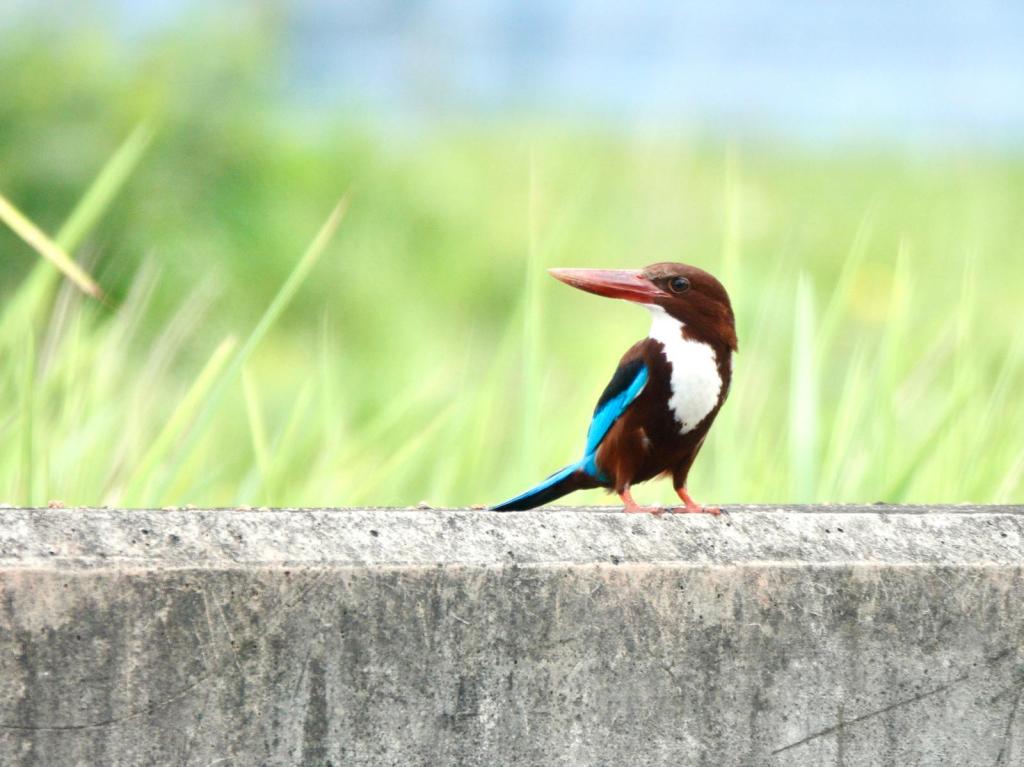
In contrast, the most frequently observed kingfishers in Singapore are:
The Collared Kingfisher (Todiramphus chloris)
The White-Throated Kingfisher (Halcyon smyrnensis)
A Collared Kingfisher feasting on an insect. Credit: Gabriel KangWhite-Throated Kingfisher shot near Pasir Ris Farmway area.
These observations, based on local birding experiences, highlight how the word “common” in a species’ name can be misleading when applied to different geographical contexts.
When Descriptors in Common Names Aren’t Unique
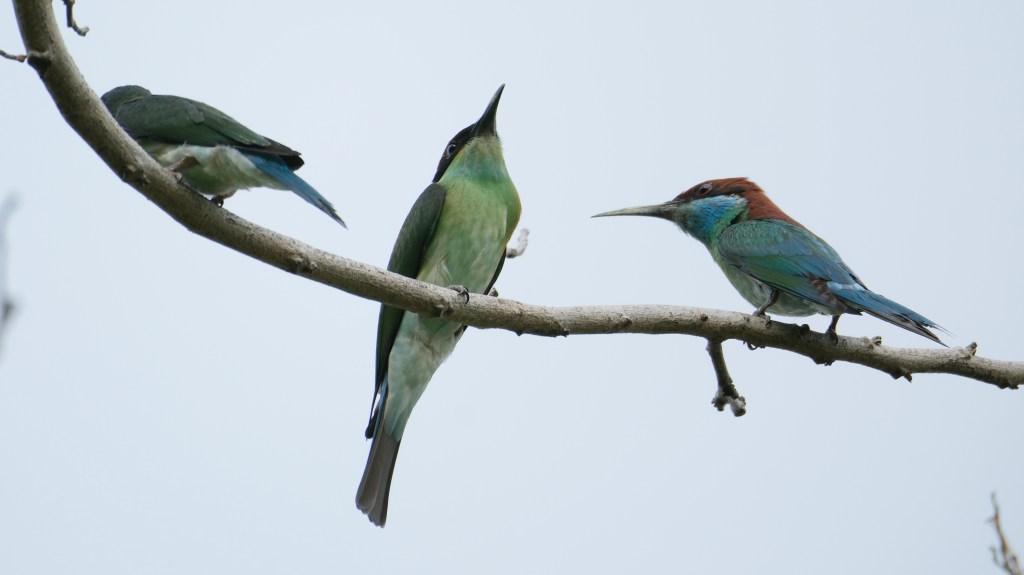
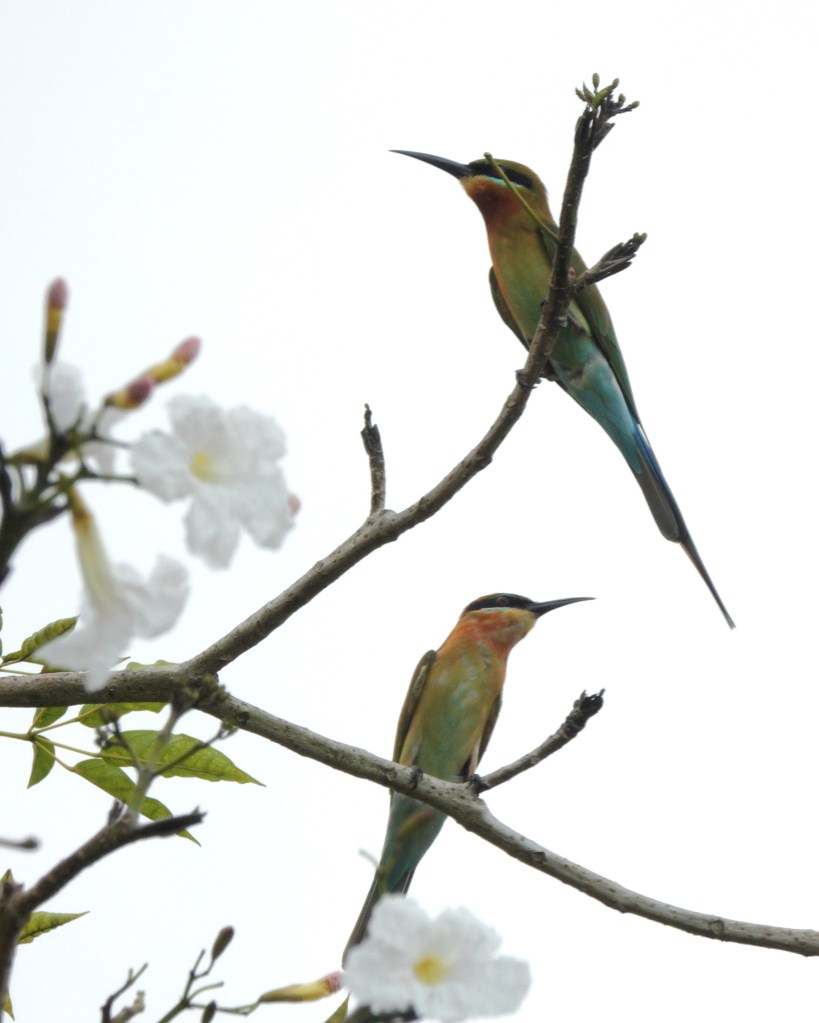
Two species of bee-eaters found in Singapore, the Blue-Tailed Bee-eater (Merops philippinus) and the Blue-Throated Bee-eater (Merops viridis), serve as excellent examples to illustrate why common names can sometimes be problematic for bird identification.
Both species actually have blue tails, which makes the “Blue-Tailed” descriptor in the common name of Merops philippinus potentially confusing. This shared characteristic demonstrates how common names can sometimes fail to highlight distinguishing features between similar species.
The key difference between these two bee-eaters lies in their throat colouration:
The Blue-Tailed Bee-eater (Merops philippinus) has a chestnut-coloured throat.
The Blue-Throated Bee-eater (Merops viridis), as its name suggests, has a blue throat.
Notice that the Blue-Throated Bee-Eater also has a blue tail. Credit: Gabriel KangBlue-Tailed Bee-Eaters perched on a tree looking for their next victims in Lorong Halus.
This example highlights the importance of looking beyond common names when identifying birds. For instance, considering the time of year can be crucial, as Blue-Tailed Bee-Eaters are not present in Singapore during the non-migratory season. More specifically, in this case, examining the throats of both bee-eaters provides a more reliable distinguishing characteristic.
Whilst common names can be helpful, they may not always capture the most distinctive features of a species, especially when comparing closely related birds. By focusing on these specific details, birdwatchers can more accurately identify and differentiate between these similar species, regardless of potentially misleading common names.
The Binomial Nomenclature
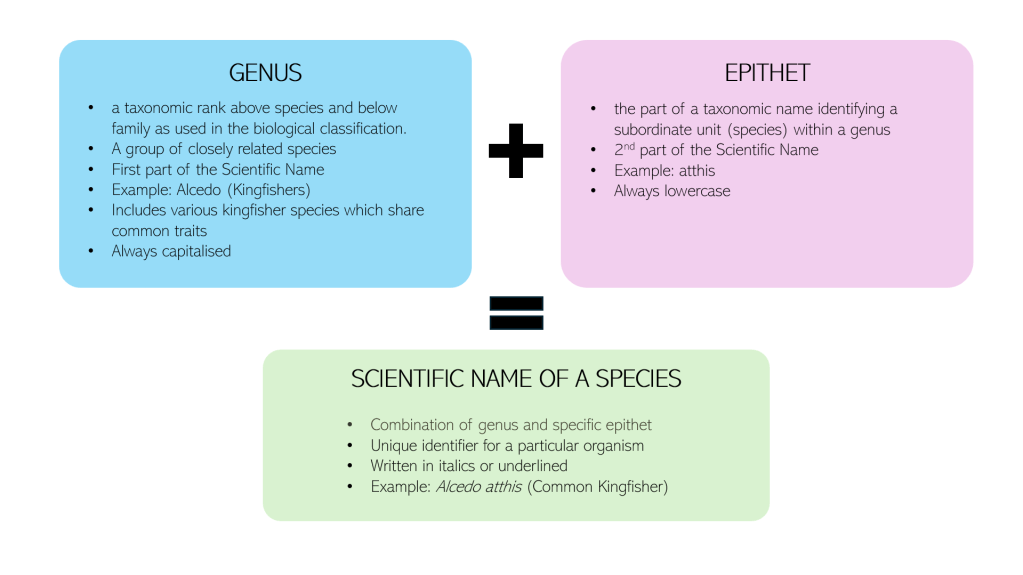
Scientific names provide a standardised system recognised globally. The scientific naming system indeed consists of two main components, described as:
Genus (e.g., Alcedo): Represents a group of closely related species. It is the generic name of the species.
Specific epithet (e.g., atthis): The second part of the scientific name that, together with the genus, identifies the specific organism. It is the specific name of the species.
The term ‘species name’ in scientific contexts refers to the complete scientific name, which is the combination of the genus and the specific epithet. This system is known as binomial nomenclature. In the case of the common kingfisher, Alcedo atthis, ‘Alcedo‘ is the genus and ‘atthis‘ is the specific epithet. Together, they form the species’ scientific name. This two-part system provides a unique identifier for each species within a genus, although the same specific epithet may be used in different genera. The genus is always capitalised, while the specific epithet is always in lowercase, and both are typically italicised or underlined when written.
Note: In some cases, scientists may use additional classification levels, such as subspecies, to denote distinct populations within a species or other taxonomic ranks to further classify organisms. However, the genus and species form the core of scientific naming.
The Importance of Scientific Names
Scientific names serve several crucial functions in biological research and conservation:
Precision in Communication: They provide distinctions between species of the same genus (which causes them to have similar characteristics), such as the common kingfisher (Alcedo atthis) and the blue-eared kingfisher (Alcedo meninting), or between the North American bluebirds (Sialia spp.) and the Asian Fairy-bluebird (Irena puella).
Evolutionary Understanding: These names reflect our current understanding of species relationships and evolutionary history. The first part of a scientific name, the genus, groups closely related species together. For example, between Homo sapiens (modern humans), Homo neanderthalensis (Neanderthals) and Homo erectus (an extinct human species), all these species share the genus Homo, indicating that scientists believe they are closely related and share a recent common ancestor.
Overcoming Descriptive Limitations: Unlike common names, scientific names are not entirely based on overly simplistic physical appearances, which can be deceiving. They provide a unique identifier for each species, regardless of how similar the species may look to others.
The Human-Cultural Element in Scientific Naming
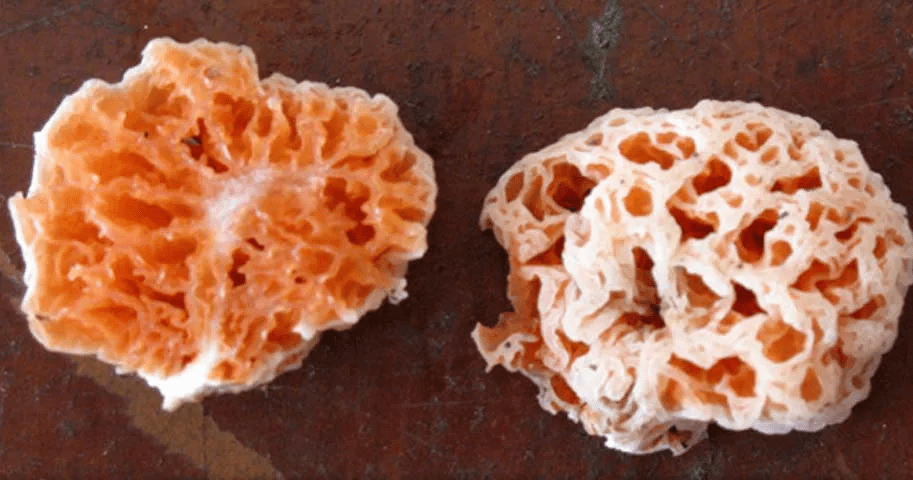
While scientific names are primarily functional, they occasionally reflect human creativity, humour, and even diplomacy. For instance, the Spongiforma squarepantsii: A mushroom species named after the cartoon character SpongeBob SquarePants.
The recently discovered fungus species found in Borneo’s forests has been named Spongiforma squarepantsii, drawing inspiration from a popular cartoon character. (Image credit: Tom Bruns, U.C. Berkeley)
In another instance, a moth species, Neopalpa donaldtrumpi, as you can see, is named after President Donald Trump due to its golden scales on its head that looks like the president’s hair colour and style (Read this article for more details).
An intriguing example of the intersection between scientific naming and diplomacy can be found in Singapore’s practice of naming new orchid hybrids after visiting political leaders or important figures. This tradition, known as “orchid diplomacy”, began in 1957 and has since become a significant honour bestowed upon state visitors.
This practice not only showcases Singapore’s rich botanical heritage but also creates a lasting scientific legacy of diplomatic visits. Each of these specially bred hybrids receives a unique scientific name, following the International Code of Nomenclature for algae, fungi, and plants, while also carrying the name of the honoured guest.
These examples demonstrate how scientific naming can transcend mere classification to become a form of cultural expression, historical record-keeping, and even a tool for international relations.
Conclusion
Scientific names, whilst some of us find challenging to pronounce, serve as a universal language in the natural sciences. They provide precise identification, facilitate global communication among researchers, and offer insights into evolutionary relationships. Most importantly, they overcome the limitations of common names, especially those based on potentially misleading physical descriptions.
Whether it’s Homo sapiens, Alcedo atthis, Irena puella, or Spongiforma squarepantsii, each scientific name encapsulates a wealth of information about an organism’s identity and place in the vast tapestry of life. As we continue to explore and understand the biodiversity of our planet, the importance of this standardised naming system becomes increasingly apparent.
The next time you encounter a scientific name, consider it not just as a label, but as a key to unlocking a deeper understanding of the natural world. And let’s be honest, there’s a certain satisfaction in being able to remember and pronounce these names correctly among your fellow nature enthusiasts. It’s not about feeling superior, but rather about sharing a common language that connects us to the fascinating world of biodiversity.
Nevertheless, while scientific names are crucial for precise identification and communication in academic and professional settings, common names still have their place. For hobbyists and enthusiasts, using familiar, local names in casual conversations is perfectly acceptable and often more practical.
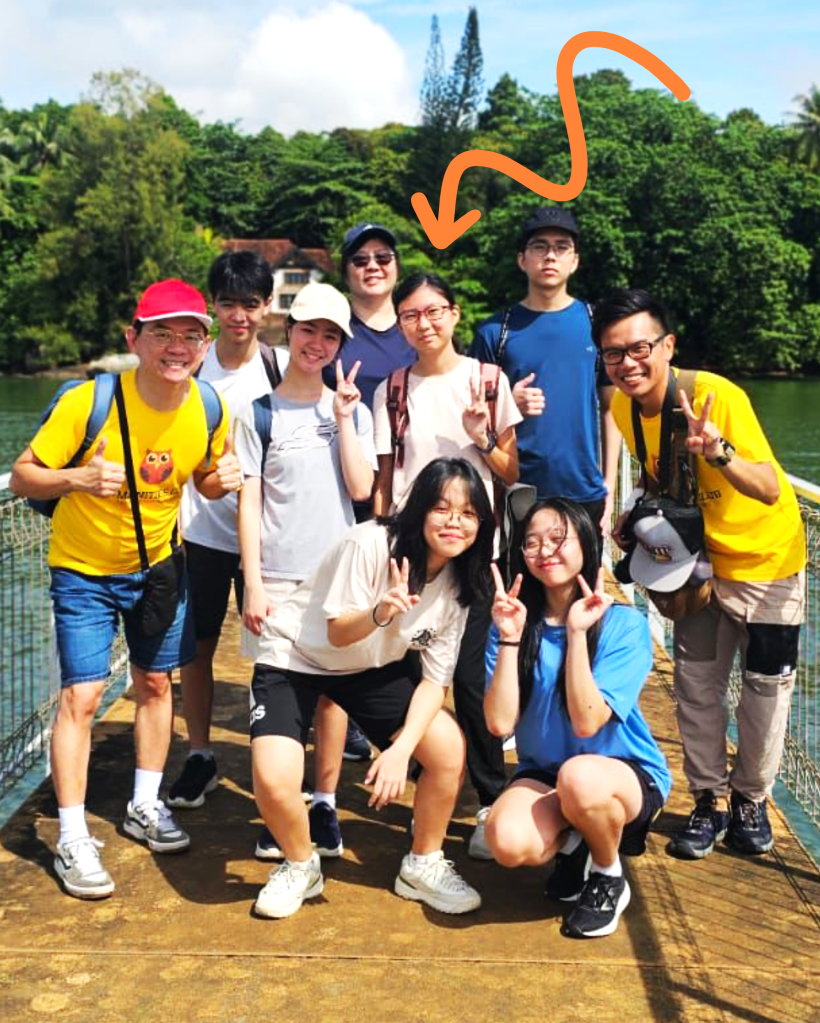
When we encounter young people with a deep passion for nature, we aim to nurture their meaningful pursuits. This blog post introduces Claire, a 16-year-old birding enthusiast I met during my guided nature walk in Pulau Ubin with the Humanities Club tuition centre. Her enthusiasm for birds is truly inspiring, and I hope her story will spark a similar appreciation for nature in others.
Mr. Joshua Lawrence and I, in yellow, with the rest of the wonderful participants for the guided nature walk in Pulau Ubin. Claire is indicated by the arrow pointing at her.
Claire has developed a particular affinity for birds, with a special fondness for Oriental Pied Hornbills. Her father, recognising her interest, has supported her passion by organising birdwatching trips to various locations, including Lorong Halus-Coney Island and Singapore Botanic Gardens.
As our group assembled at the Changi Village jetty, waiting to board our boat, Mr. Joshua Lawrence, the boss of the Humanities Club tuition centre, introduced me as the nature guide and a fellow birding enthusiast. Claire’s eyes immediately brightened, and she eagerly shared her birding experiences. She even showed me impressive footage she had captured of Golden-Backed Weavers constructing their nests in the Lorong Halus area.
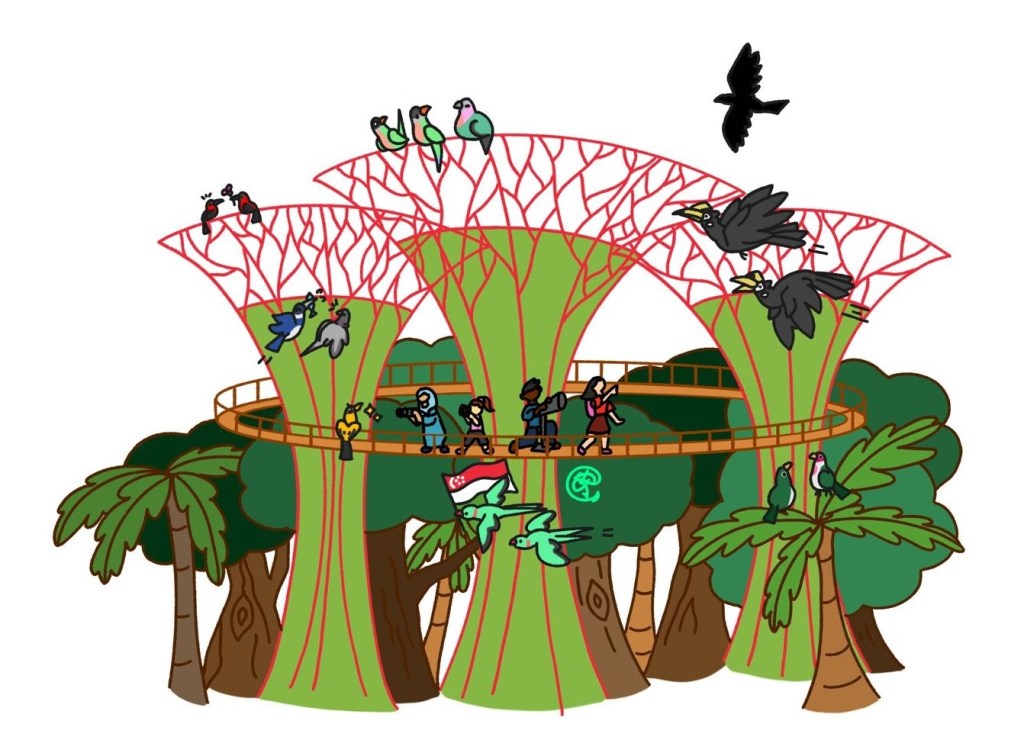
Yesterday, I received a beautiful drawing from Claire, which she had submitted for the SG60 Design Pompipi competition. While her work didn’t make it to the final, I believe it deserves a wider audience, especially from our local birding community! I love how she deliberately included the silhouette of a mystery bird – as it reminds me of “Who’s that Pokémon?”. Claire shared with me, “Sometimes, I see the silhouette of big birds in the sky and I wonder what they are. So I just drew it in relation to that.”
Here it is, along with Claire’s description:
Title: “Birding at Gardens by the Bay”
Singapore has been developing for over 60 years, focusing on integrating nature into urban architecture. A prime example is the Supertrees at Gardens by the Bay, which mimic mature rainforest trees. These structures not only resemble trees but also host various live plants, including orchids and ferns.
My drawing illustrates how successfully we’ve incorporated nature into our urban landscape. It depicts birds at Gardens by the Bay, showcasing the harmony between our built environment and wildlife. As someone who is fond of birdwatching, I’ve included people engaging in birdwatching activities and featured various bird species found in Singapore. Can you name all the birds?
This artwork represents the successful blend of urban development and nature conservation in Singapore, highlighting how our city has become a haven for both people and wildlife.
I hope you enjoy Claire’s artwork as much as I have. It’s a testament to the passion and talent of our young nature enthusiasts.
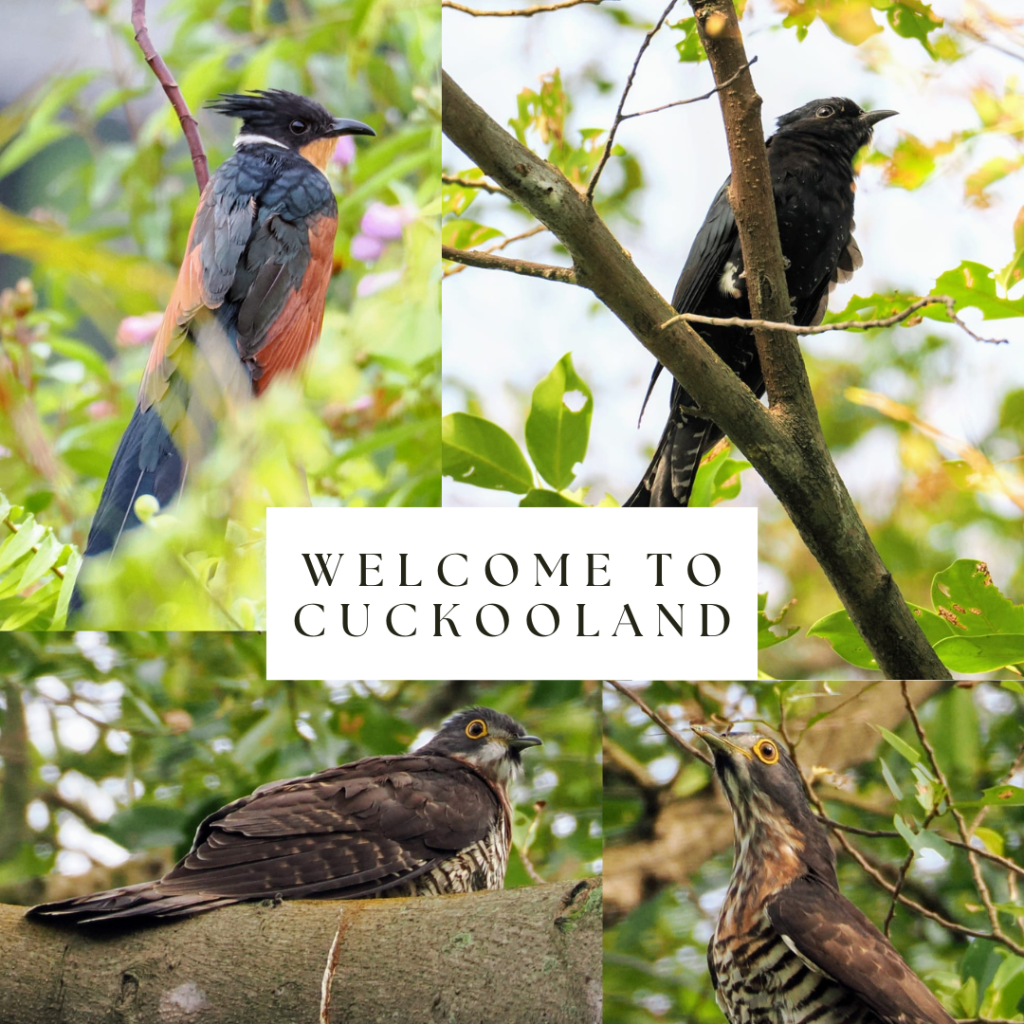
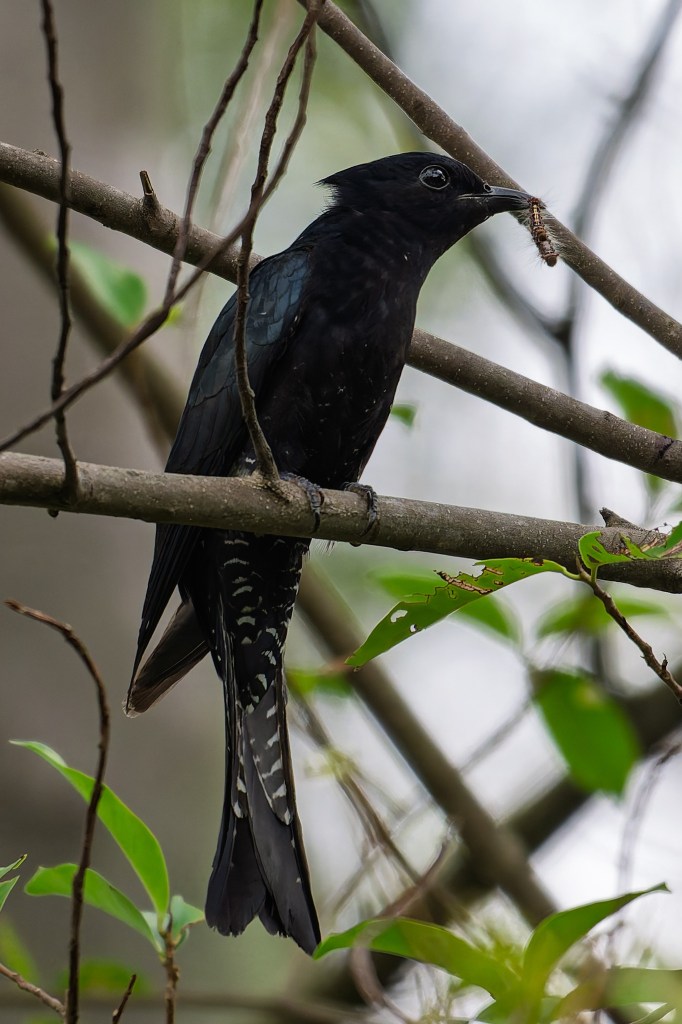
Over the last month, a “Cuckooland” was discovered by the Singapore birding community in Jurong Lake Gardens, much to the delight of birders living in the West. Several species of migratory and resident cuckoos have congregated in the area, attracting wildlife photographers who adore these birds for their beautiful plumage and elegant silhouette. The diverse array of cuckoo species includes the Squared-Tailed Drongo-Cuckoo, Large-Hawk Cuckoo, Indian Cuckoo, Sunda Brush Cuckoo, Himalayan Cuckoo, Plaintive Cuckoo, Banded Bay Cuckoo, Asian Koel and the handsome Chestnut-Winged Cuckoo.
From the top in clockwise directions: Chestnut-Winged Cuckoo, Square-Tailed Drongo Cuckoo, Large-Hawk Cuckoo. (Credit: Lee Ching Yong, 2024)
The Parasitic Brooding Behaviour of Cuckoos
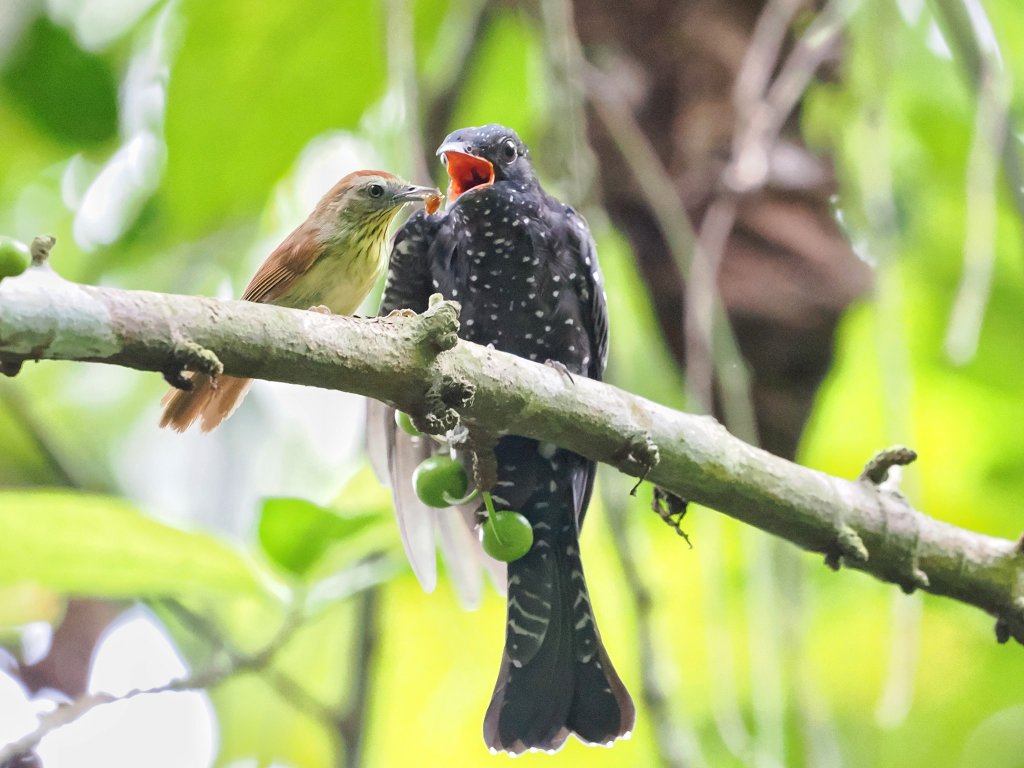
Cuckoos are particularly interesting due to their parasitic brooding behaviour, which birders have had the pleasure of observing and photographing. Singaporean birders have brilliantly captured images of various host species, such as Golden-bellied Gerygones, Ashy Tailorbirds, Pin-Striped Tit-Babblers, and Malayan Pied Fantails, feeding cuckoo fledglings that are often larger than themselves, belonging to species like the Little Bronze Cuckoo, Square-Tailed Drongo, Rusty-breasted Cuckoo, Plaintive Cuckoo, and even the well-known Asian Koel (which is also a member of the Cuckoo family)
A Pin-Striped Tit Babbler feeding its oversized Square-Tailed Drongo Cuckoo. (Credit: Anderson Ng, 2024)
Cuckoos – Our Pest Controllers
This unique gathering in Jurong Lake Gardens has also provided an excellent opportunity for bird enthusiasts to witness and document the feeding habits of beautiful cuckoos, which I’ll focus on in this post.
During a recent birding excursion with my friend Gabriel, we explored the area around Fusion Spoon, a known cuckoo hotspot. Despite not spotting any cuckoos that morning, we enjoyed sightings of migratory Warblers, Flowerpeckers, Tailorbirds, Sunbirds, and Pied Trillers as we strolled past the ficus trees.
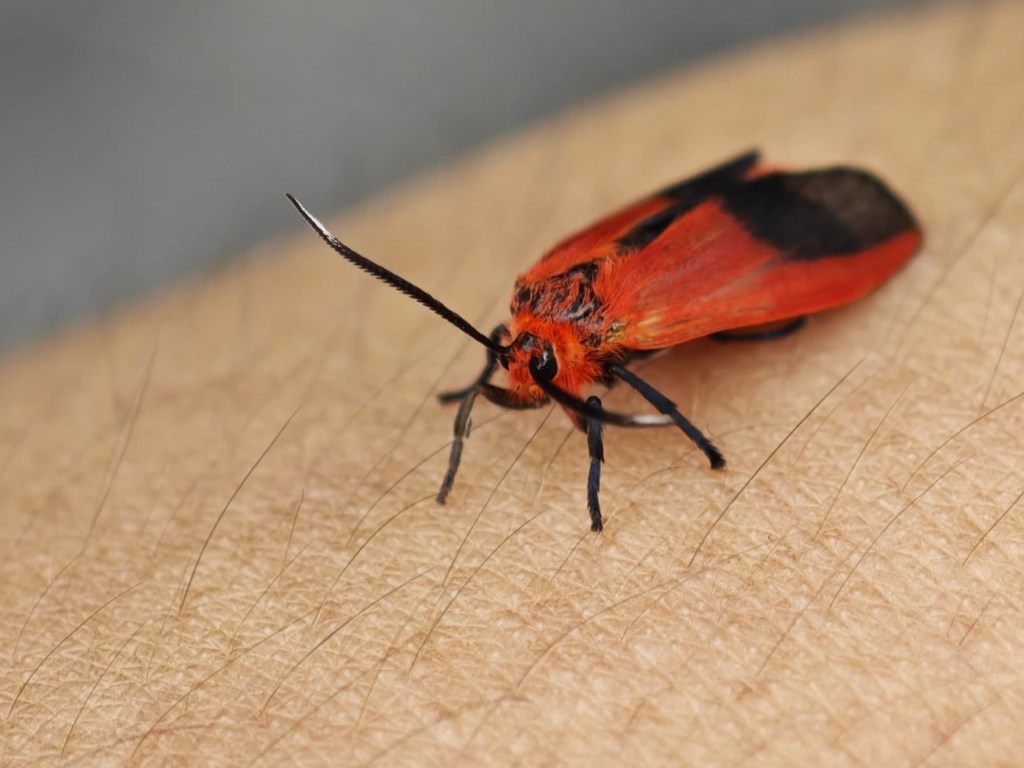
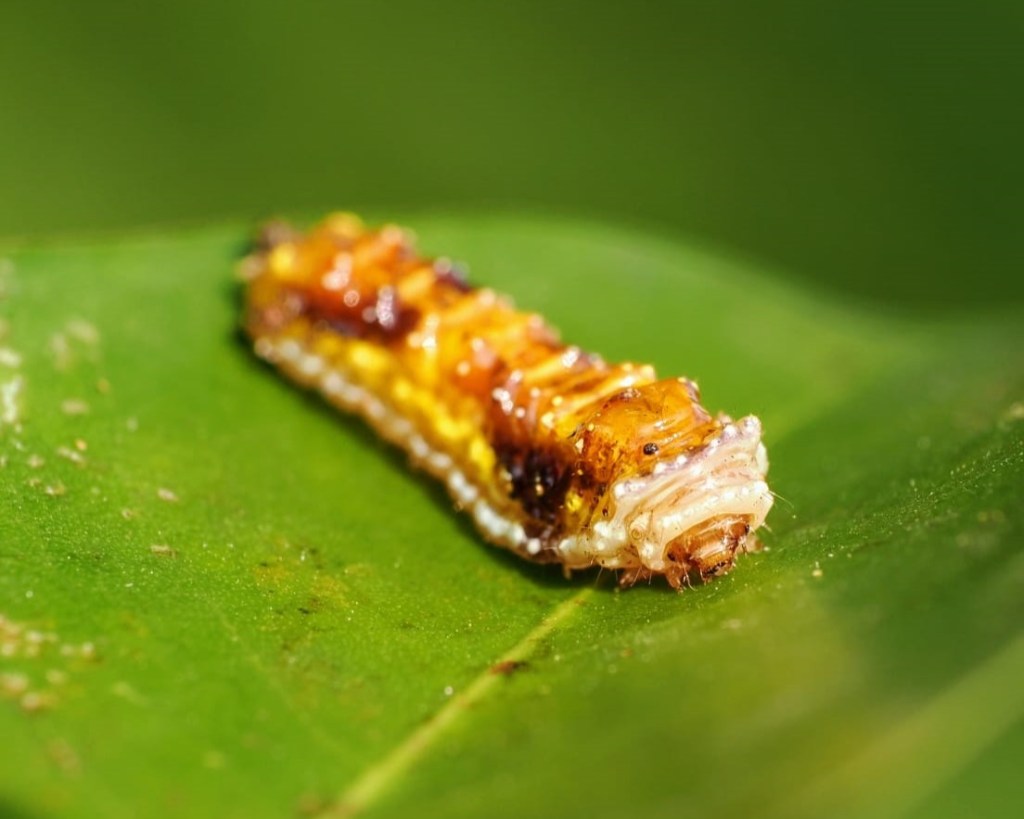
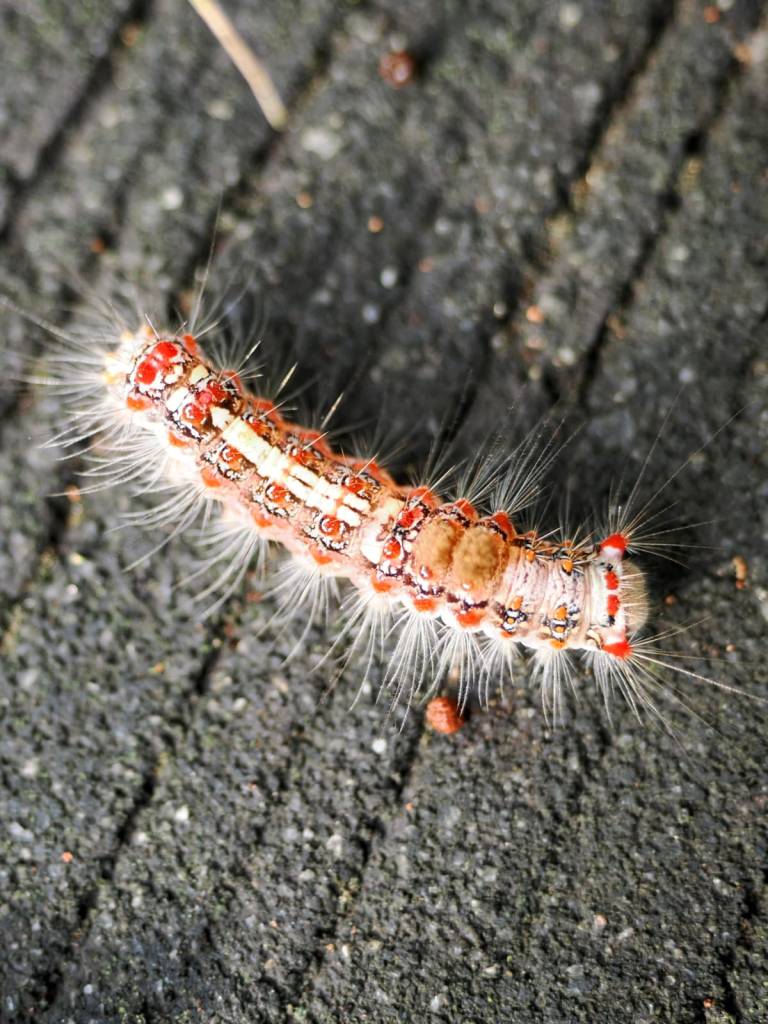
A moment of delight came when a beautiful moth unexpectedly landed on Gabriel’s arm, adding a sudden splash of colour to our walk. Though familiar, we couldn’t immediately identify it. Our friend Ching Yong later joined us, sharing photos of caterpillars he’d spotted in the same area over the past few days. These caterpillars, found on the pavement, were likely dislodged by foraging cuckoos or heavy rain, hinting at the intricate ecological interactions unfolding around us.
The deceptively harmless-looking Phauda flammans moth, a notorious pest species, perched on Gabriel’s arm (Credit: Gabriel Kang, 2025)
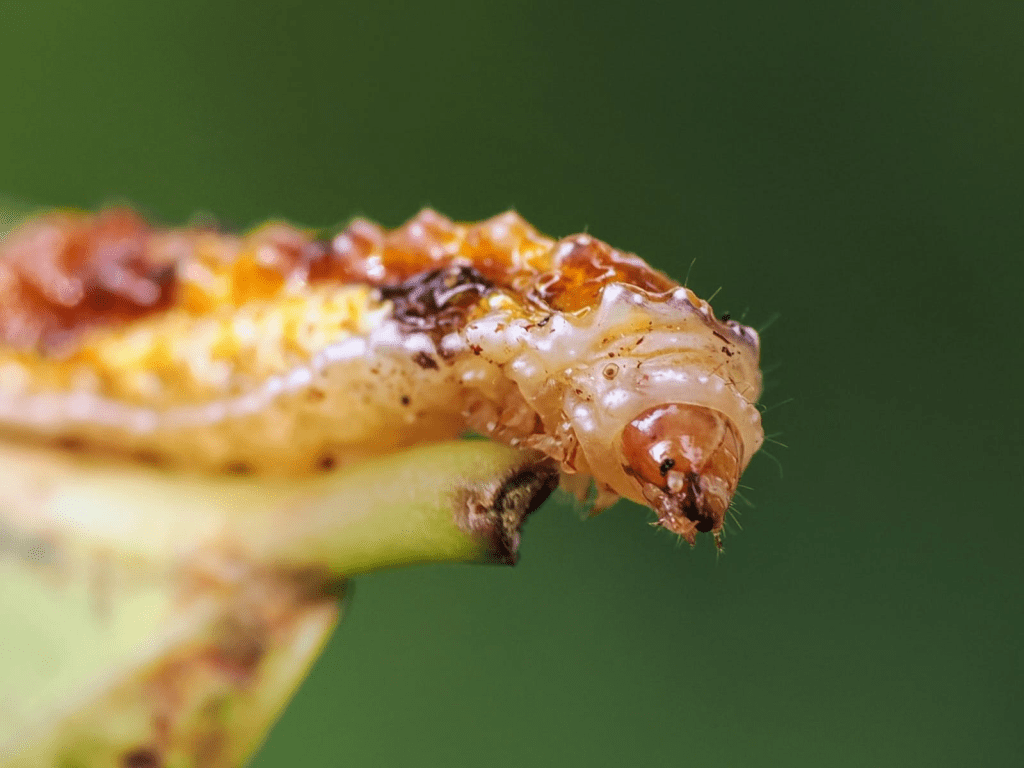
Intrigued by our encounter, I later ‘Google-lensed’ the moth’s identity and made a fascinating connection: the moth that landed on Gabriel’s arm was the adult form of the caterpillar that Ching Yong had photographed. It turned out to be the notorious Phauda flammans, a species known for its destructive impact on specific Ficus trees, particularly Malayan Banyan (Ficus microcarpa) and Weeping Fig (F. benjamina), while leaving the other commonly seen Ficus elastica unscathed (see article).
On the left is a rather sparse looking unmatured Malayan Banyan (Ficus microcarpa) where the cuckoos love to perch and feed. Thanks Teo Siyang for the ID. A close-up view of the Phauda flammans caterpillar, a favourite delicacy of the cuckoos. The intricate pattern on this caterpillar’s body is reminiscent of the layered, rippled texture of the iconic Viennetta ice cream cake from the 1990s. (Credit: Lee Ching Yong, 2024)Another macroshot of the caterpillar’s head. (Credit: Lee Ching Yong, 2024)
This moth has gained infamy in recent years, particularly in Hong Kong, where it has been responsible for significant damage to various Ficus species (You may read about the article here), causing complete defoliation. Eggs are laid on leaves in the top of the trees and the larvae (caterpillars), upon hatching will start consuming right from the top. In Singapore, you may have noticed some canopy branches of Ficus trees losing their foliage. It’s highly likely that Phauda flammans is the culprit behind this damage.
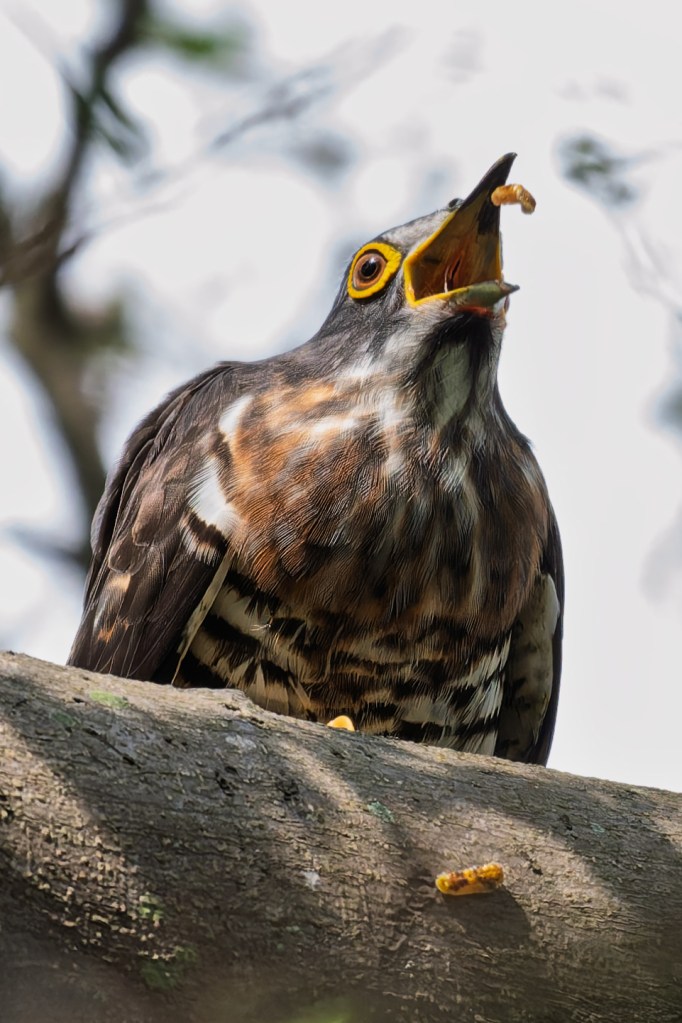
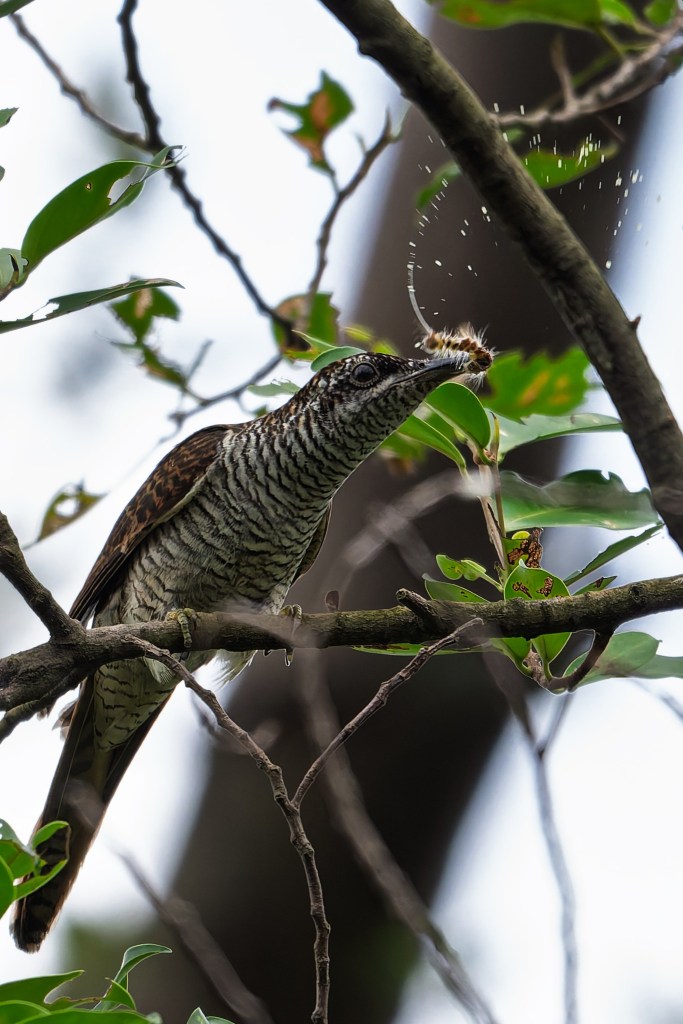
The presence of these moths and caterpillars in the area not only explains the damage to the local Ficus trees but also sheds light on the reason behind the cuckoos’ congregation. These birds are capitalising on the abundant caterpillar population, which includes Phauda flammans and some tussock moth (Lymantriinae) caterpillars, as evidenced in other publicly shared photographs. This effectively transforms a potential pest problem into a bountiful feeding opportunity for the cuckoos. This ecological interaction has been visually confirmed by a fellow birder, Bai Qw’s photograph, which brilliantly captured a Large-Hawk Cuckoo (Hierococcyx sparverioides) feasting on these specific Phauda flammans caterpillars.
A Large-Hawk Cuckoo feasting on a Phauda flammans caterpillar with another one trying to escape its fate. (Credits: Bai Qw, 2024)
Ain’t Many of These Caterpillars Venomous and/or Poisonous?
Yes, many caterpillars are indeed venomous and poisonous. However, this fact doesn’t deter cuckoos from making these hairy creatures a significant part of their diet. In fact, cuckoos worldwide are well-known for specifically targeting hairy caterpillars that possess venomous spikes/bristles.
In New Zealand, Shining Bronze Cuckoos were documented feeding on venomous Gum-leaf Skeletoniser Caterpillars, Woolly-Bear caterpillars, Magpie Moth Caterpillar etc (refer to article for the New Zealand’s reference).
The secret lies in the cuckoo’s unique digestive system:
Protective Gizzard: The cuckoo’s gizzard is lined with a thick, protective mucous membrane.
Hair Trapping: This membrane traps the venomous hairs of the caterpillars.
Shedding Mechanism: As a defense mechanism, the bird periodically sheds patches of this membrane.
Regurgitation: The shed membrane, along with the toxic hairs, is regurgitated as a pellet.
Interestingly, the Bird Ecology Study Group has documented another intriguing behaviour: some cuckoos have been observed rubbing caterpillars against rough tree bark. This action likely serves to remove or reduce the number of irritating hairs on the caterpillar before consumption, further minimising the risk to the bird (see link).
Back in the Jurong Lake Gardens, the cuckoos were photographed to have consumed hairy caterpillars such as the Clearwing Tussock Moth Caterpillar (Perina nuda).
A Square-Tailed Drongo Cuckoo feasting on a Clear-Winged Tussock Moth (Credit: Bai Qw)A close-up shot of the Clear-Winged Tussock Moth discovered by Ching Yong near Fusion Spoon (Credit: Lee Ching Yong)
As for toxic caterpillars well-known for their aposematic colouring, photographers have caught images and videos of cuckoos thrashing the caterpillars such that the toxic guts spilled out before consuming them.
A Banded-Bay Cuckoo bashing and thrashing the caterpillar to remove the toxic guts and some of the hairs. (Credit: Bai Qw, 2024)
Thank You Cuckoos for Your Service
Before penning this post, I harboured doubts about Singapore’s ecosystem’s capacity to sustainably support the influx of migratory birds. Now, having witnessed this intricate dance between the Ficus trees, Phauda flammans caterpillars, and cuckoos, I’m positive about what our “city-in-a-garden” can offer to these beautiful visitors. It’s clear that our urban landscape offers more than meets the eye, providing a rich and complex habitat that can indeed sustain and attract diverse wildlife.
A heartfelt thank you to our feathered friends for their pest control services! Special appreciation goes to Anderson Ng, Bai Qw, and Lee Ching Yong for their stunning photographs.
As wildlife enthusiasts and photographers, we often find ourselves in situations that test our ethical boundaries. In 2024, I have experienced several moments, which led me to reflect on my own practices as well as my own role in promoting responsible wildlife photography.
An Uncomfortable Encounter
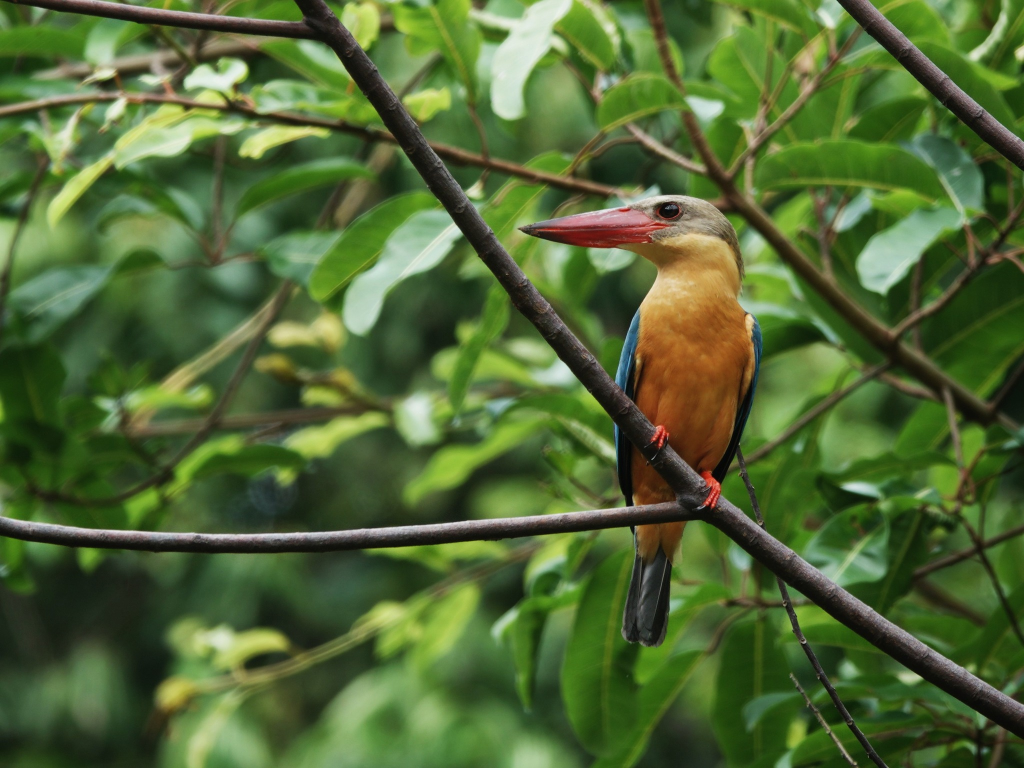
Stork-Billed Kingfisher photographed in August at the Singapore Quarry
My first clear photo of a Stork-billed Kingfisher came under circumstances that left me feeling uneasy. At the Singapore Quarry, surrounded by over 30 other birders, I witnessed behaviour that I now regret not addressing. Some individuals were tossing whole slices of bread into the water to gather the fishes to a particular spot where the photographers were aiming at. The ripples created by the fishes lured the kingfisher from a distant tree, prompting it to dive before perching right in front of us. I took a few shots, feeling conflicted – admiring the beautiful colours of the kingfisher in such a close distance but yet feeling guilt-stricken.
The act of tossing bread into the water started triggering more hunting behaviour in various birds present, including the Grey-headed Fish Eagle and Oriental Darter.
The Motivation Behind Unethical Practices
The primary objective seemed to be capturing dramatic shots: “Birds in Flight”, photographs, “Fish in Mouth” images i.e. action shots preferred over standard perched bird photos. This practice raises several concerns. Bread lacks nutritional value for wildlife, adding empty calories to their diet. Uneaten bread may pollute the water. Moreover, feeding wildlife, in general, is discouraged and often prohibited.
Feeling conflicted, I decided to act on my discomfort. I left Singapore Quarry after just 10 minutes, despite usually spending over an hour birdwatching. This decision meant missing the Oriental Darter’s and the Grey-Headed Fish Eagle’s feeding behaviours.
Unfortunately, the incident at the Singapore Quarry isn’t isolated. Similar unethical behaviours have been observed across various locations, highlighting a concerning trend in wildlife photography.
At Dairy Farm’s small pond, I’ve heard about a small group of individuals releasing feeder fish, feeder shrimps and glofish to get the Blue-Earred Kingfisher’s ‘Food-In-Mouth’ photographs. Social media has become a showcase for these questionable practices, with posts featuring blue-earred kingfishers capturing non-native fish species. Even more troubling are the discussions among photographers about which fish species to introduce next for ‘ideal’ shots.
The issue continues during this year’s migratory season when Singapore becomes a temporary home for exotic birds, drawing large crowds of eager birders. In the newly opened Bidadari Park, rumours circulated about individuals releasing American Bull Frogs – typically sold in aquarium shops as live feed – to entice one particular Ruddy Kingfisher. Over several weeks, numerous photographs emerged showing this kingfisher with non-native frogs in its mouths, raising ethical and environmental concerns.
These practices not only disrupt natural ecosystems but also potentially harm the very wildlife we aim to appreciate and document. They represent a fundamental misunderstanding of our role as observers and documentarians of nature, prioritising a perfect shot over the wellbeing of the subjects we photograph.
As wildlife enthusiasts and photographers, we must recognise the far-reaching consequences of these actions. It’s crucial to foster a community that values ethical practices and respects the natural behaviours and habitats of wildlife. Only then can we truly capture the essence of nature without compromising its integrity.
I Can Do Better Myself
The enthusiasm for capturing great wildlife shots is something I understand all too well. Like many others in this field, I’ve had my own lapses in judgment, particularly when it comes to approaching birds too closely, even near their nests.
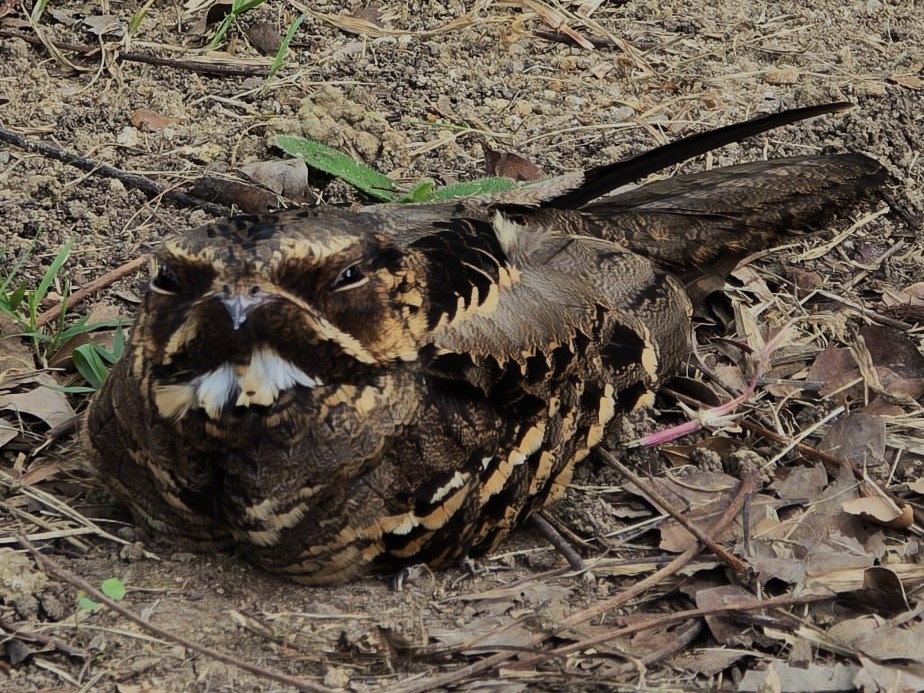
One incident from earlier this year stands out, leaving me with a profound sense of guilt and shame. While cycling with my family in Pasir Ris Park, I spotted a Large-Tailed Nightjar. Excited by the sighting and without my usual zoom camera, I approached the bird with just my smartphone, hoping for a clearer picture. My actions frightened the nightjar, causing it to fly away and expose its eggs.
A fellow birder who was following behind me, witnessing this, sternly warned me against sharing the location and reprimanded me for my close approach. Although I initially tried to justify my actions, deep down I knew I was wrong. I silently thanked her for the reminder about my actions and the greater mission we share as wildlife enthusiasts.
An unethical handphone shot of the Large-Tailed NightjarThe moment I saw the two eggs after the mum flew off, I was guilt-stricken.
Beyond the incident with the nightjar, I’ve faced other ethical challenges in my wildlife photography journey. The temptation to handle wildlife such as snakes, lizards, and frogs for that perfect shot has been a recurring struggle. However, each of these experiences has become a valuable lesson in restraint and respect for nature.
Moving Forward
As I continue to grow in this field, gaining both experience and credibility, I’ve come to realise the importance of not only improving my own practices but also gently guiding others. Educating fellow enthusiasts about responsible wildlife watching has become an integral part of my mission. It’s crucial to remember that this journey towards ethical wildlife photography is an ongoing process. All of us who share this passion for nature and wildlife photography are constantly learning, adapting, and hopefully, improving.
By openly discussing these challenges and sharing our experiences, we create a community of more conscientious observers and documentarians of the natural world. This collective effort to balance our enthusiasm for capturing wildlife with our responsibility to protect it is what will ultimately ensure that our passion contributes positively to conservation efforts rather than inadvertently causing harm.
What are your thoughts on this issue? Have you encountered similar situations?
This week in the anime world, Dragon Ball fans celebrated Vegeta’s epic Super Saiyan 3 transformation! What an exhilarating moment for the Prince of Saiyans! To commemorate this milestone, I’ve decided to draw an intriguing parallel between Dragon Ball and nature. Thanks to a local birder Leonard Kok who gave me an inspiration to write about it.
In 1994, whilst I was hospitalised for a severe medical reaction, my parents presented me with a colourful Dragon Ball manga volume to boost my spirits and encourage my recovery. The book showcased the familiar heroes like Goku, Krillin, Piccolo, and Gohan, alongside some new antagonists. I was particularly captivated by the main villain – Cooler, who is, in fact, Frieza’s elder brother.
Cooler concept art drawn by Akira Toriyama (Credit: Dragon Ball Wiki)
For nature enthusiasts, many of you may immediately find yourself connecting this character with exotic creatures you’ve encountered in the wild. For me, however, it wasn’t until more than two decades after reading that manga that I realised Cooler’s final form bears a resemblance to one of my favourite caterpillars: the Plain Nawab (Polyura hebe plautus) caterpillar or the Blue Nawab (Polyura schreiber tisamenus).
A frontal view of the Plain Nawab Caterpillar with its iconic head resting on its host tree leaves – the Saga Tree (Adenanthera pavonina)Cooler in his coolest form, which has a head structure that resembles the Nawab caterpillars. (Credit: Dragon Ball Wiki)
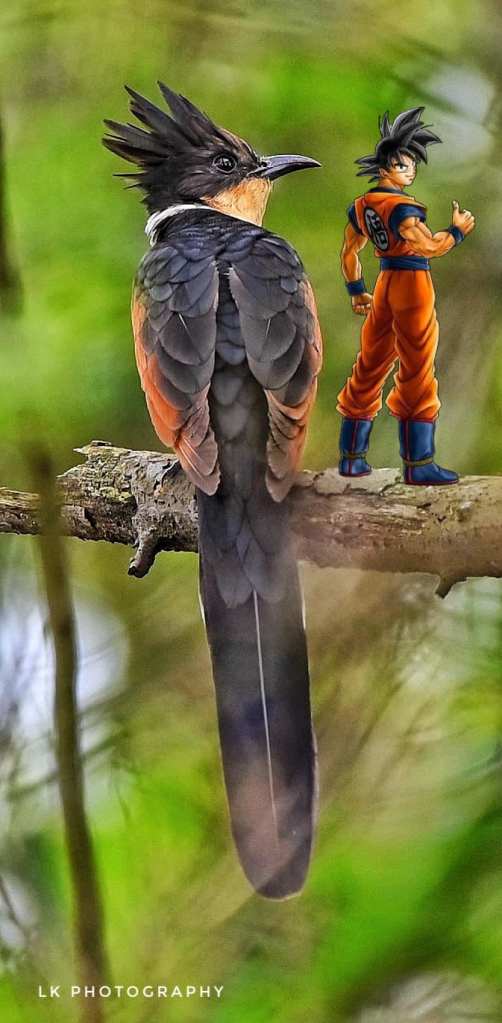
Fast forward to today: I stumbled upon an incredible connection between nature and anime on the Bird Sightings Facebook Group. The star of this unexpected crossover? The Chestnut-Winged Cuckoo (Clamator coromandus), a migratory bird that has recently graced Singapore with its presence. Several of these stunning creatures have been spotted in the newly renovated Jurong Lake Gardens, and Leonard Kok, one of the lucky and dedicated birders, managed to capture a beautiful shot of it.
What makes this sighting truly extraordinary is the uncanny resemblance Leonard noticed. Alongside the cuckoo’s photo, he cleverly juxtaposed a picture of Son Goku from Dragon Ball Z in his original form, sporting his iconic blue and orange outfit. The similarity is nothing short of striking! The cuckoo’s distinctive crest mirrors Goku’s gravity-defying black hair, while even the colour combination seems to match perfectly.
But the parallels don’t stop there. Remarkably, the bird’s posture exudes the same positive energy and confidence that Goku is known for.
Imagine this cuckoo can get into a Super Saiyan form! LOL. Now that would be a sight to behold – a golden-crested cuckoo with glowing aura.
I can’t unsee the resemblance now (Credit: LK Photography)
Interestingly, just as Goku ultimately defeated Cooler in an epic battle, nature has its own version of this showdown. The Chestnut-Winged Cuckoo, our Goku lookalike, is known to feed on various insects, including caterpillars. So, in a twist of cosmic irony, our cuckoo friend might actually prey on caterpillars similar to the Nawab that reminded us of Cooler! It’s as if the natural world is playing out its own version of Dragon Ball Z battles right before our eyes.
These delightful comparisons not only showcase the beauty of nature but also remind us of the unexpected ways pop culture and wildlife can intersect. It’s a testament to the keen eye of nature enthusiasts and the magic that can happen when we view the world around us with a touch of imagination.
As the holiday season approaches, many of us think of mistletoe as a festive decoration, often associated with winter countries, stolen kisses and Christmas cheer. However, what many don’t realise is that mistletoes are actually parasitic plants that grow on trees.
In Singapore’s lush public parks, nature reserves or even our roadside trees, a unique ecosystem revolves around the native Malayan Mistletoe, creating a fascinating web of life that includes the vibrant Painted Jezebel butterfly and the charming Scarlet-backed Flowerpecker. I invite all nature lovers to stand under the mistletoe, where instead of a kiss, you might be rewarded with a plethora of living creatures flourishing above—a different kind of holiday magic.
The Malayan Mistletoe: Our Local Parasite
The word “parasite” often evokes fear and discomfort, conjuring images from popular culture that range from the grotesque to the terrifying. From the infamous chest-bursting xenomorphs in the 1980s sci-fi classic “Alien” to more recent documentaries showcasing fungi (cordyceps) zombify insects before dramatically erupting from their bodies, parasites have long captured our imagination in the most unsettling ways.
Infamous ‘chestburster’ scene from Alien (1979)
While our local Malayan Mistletoe (Dendrophthoe pentandra) might not win any beauty contests (in fact, they are considered the ‘messiest’ mistletoe of all in Singapore), it plays an important role in the ecosystem. As a parasitic plant, it is less like a scary invader and more like that one relative who shows up during Chinese New Year and proceeds to eat all your cookies and snacks. It might irk the tree, much like how that relative tests your patience, but most of the time, it doesn’t cause serious harm. However, just as too many hungry relatives can empty your pantry, too many mistletoes can overwhelm a tree. But don’t worry – our sturdy and mature Singapore trees can usually handle these freeloaders without too much fuss.
Interestingly, while the holiday mistletoe we’re familiar with from Christmas cards has needle-like leaves, our Singapore mistletoes sport a different look. Most of our local species, including the Malayan Mistletoe, have thick, fleshy leaves.
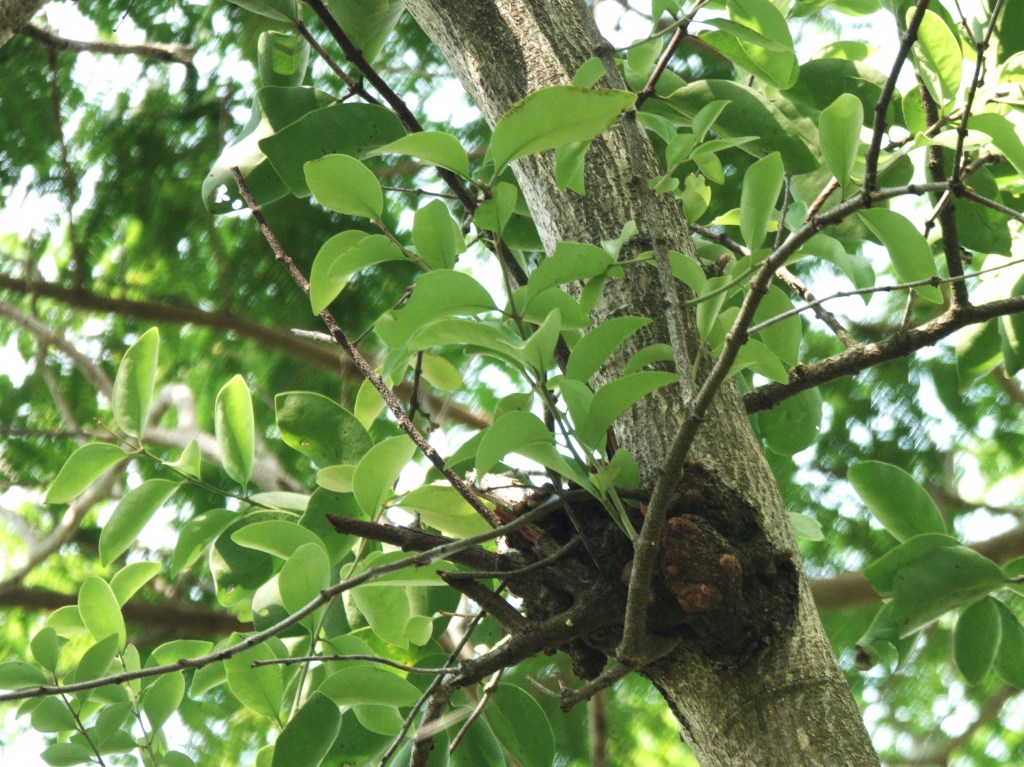
The haustoria (special roots) of one Malayan Mistletoe plant.
The Malayan Mistletoe is what we call a hemiparasite. It’s like a part-time freeloader, getting some of its nutrients from the host tree while also making its own food through photosynthesis. It attaches to the tree’s branches using special roots called haustorium, which tap into the tree’s plumbing system for water and minerals. While a few mistletoes usually don’t cause much harm, a large number can slow the tree’s growth or even cause branches to die back.
And here’s a fun twist—some unexpected guests, in the form of caterpillars, actually help keep the party under control. It’s nature’s way of balancing the books, ensuring that our leafy hosts don’t end up too stressed by their clingy mistletoe guests!
The Painted Jezebel: Our Colorful Butterfly Friend
Now, let me introduce you to one of the mistletoe’s most beautiful admirers—the Painted Jezebel butterfly (Delias hyparete metarete). The life cycle of this stunning creature is a sight to behold, right in our own backyard!
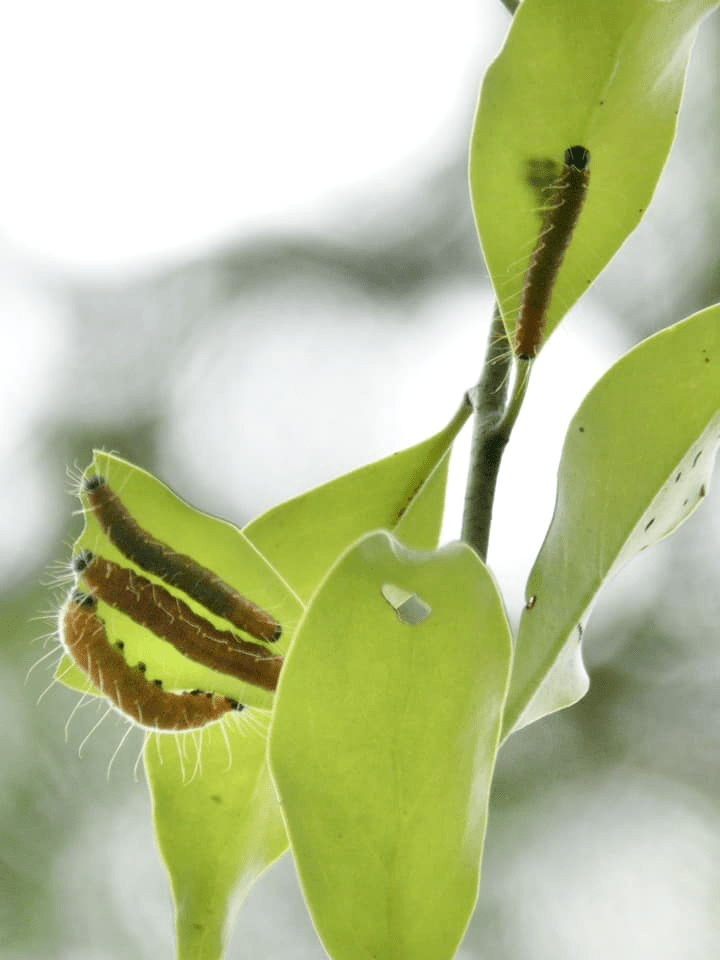
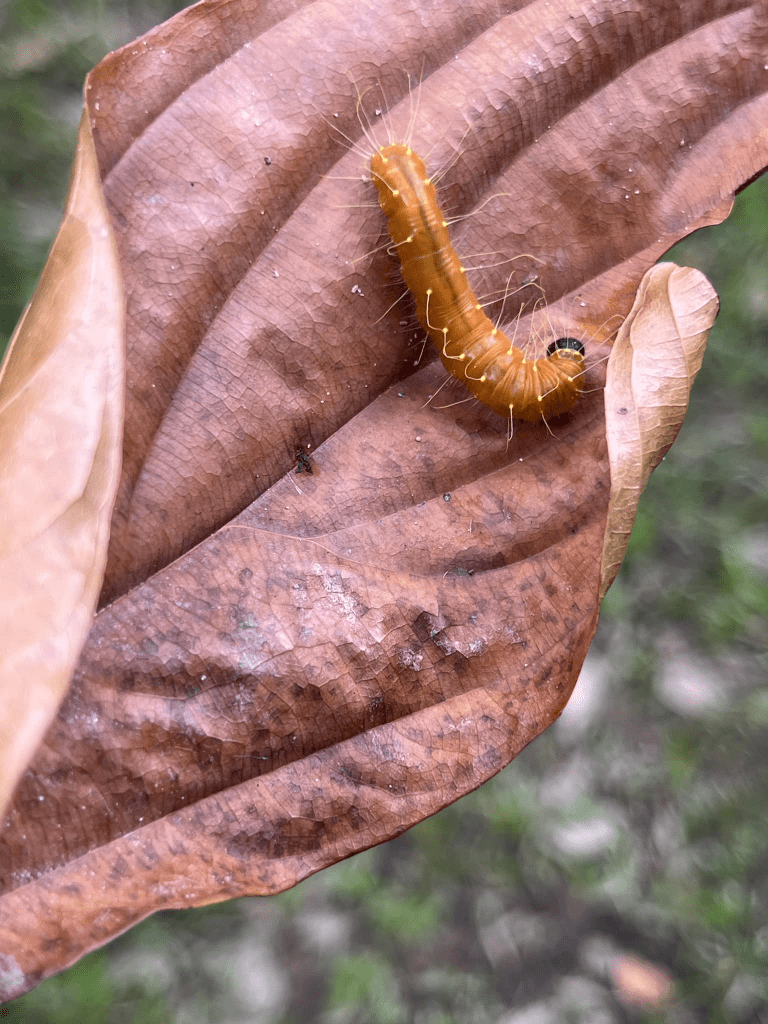
The caterpillars start their journey as tiny 2mm creatures, growing to about 25mm while changing from light to dark orange. They’re social eaters, feeding in groups on the undersides of mistletoe leaves. If you look closely, you might see a row of little black heads munching away together. Their bright orange color isn’t just for show—it’s a warning to predators that they’re not a tasty snack. On top of that, by feeding at the undersides of leaves, they tend to avoid predation.
Feeding ‘socially’ at underside of the Malayan Mistletoe leafA closer view of the Painted Jezebel Caterpillar that fell from its host plant
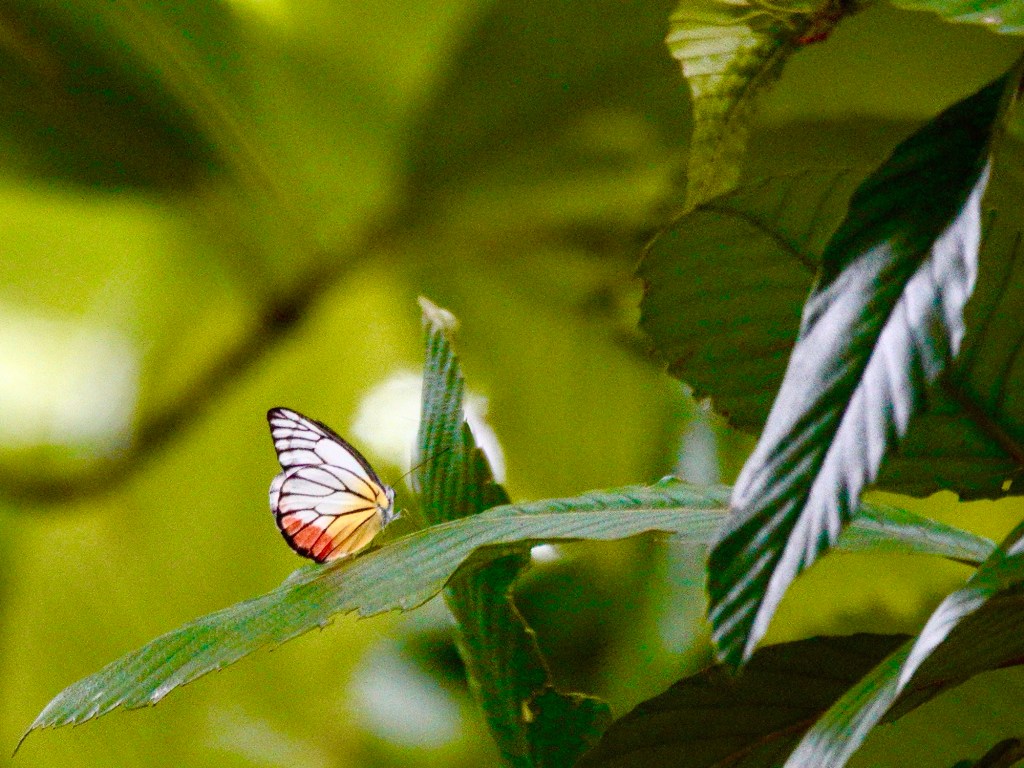
When these caterpillars grow up, they transform into spectacular butterflies. The Painted Jezebel’s wings are a work of art, showcasing a beautiful pattern of white, black, bright red, and vibrant yellow. But here’s the clever part—this beauty is actually a defense mechanism called aposematism. It’s nature’s way of saying, “Look how pretty I am, but don’t even think about eating me!”
Painted Jezebel Butterfly
It’s a perfect example of how nature works together—the mistletoe provides food and protection for the butterfly, and in return, the butterfly might help pollinate the mistletoe.
The Scarlet-backed Flowerpecker: Our Tiny Tree Dweller
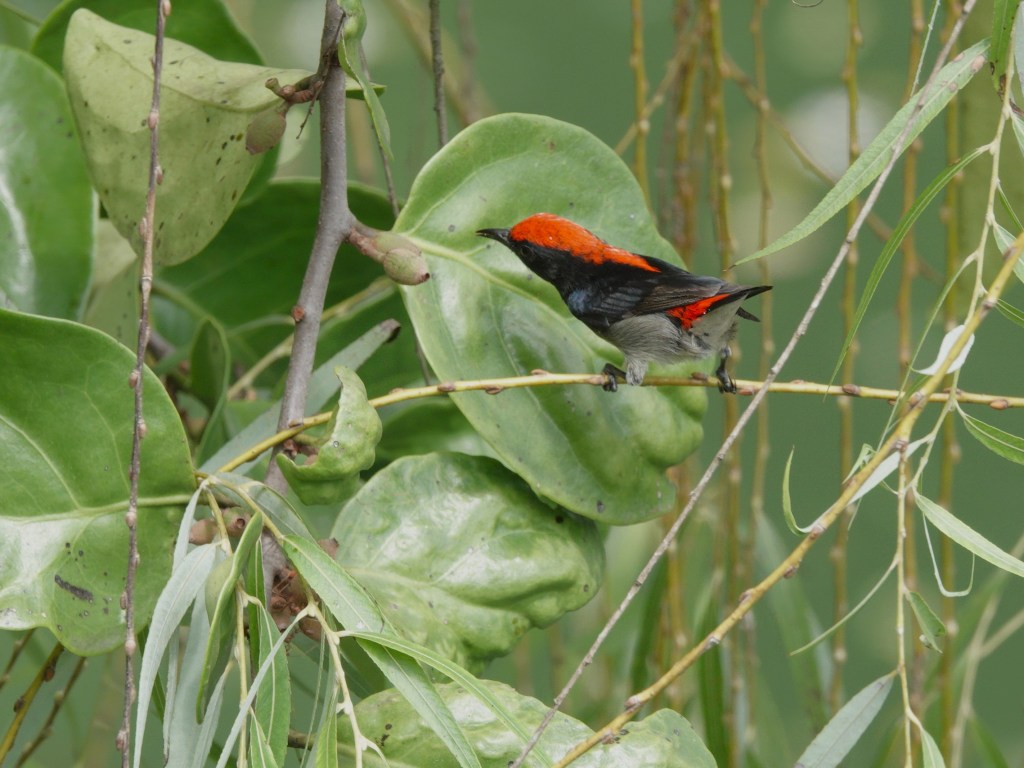
A male Scarlet-Backed Flowerpecker foraging at the Malayan Mistletoe
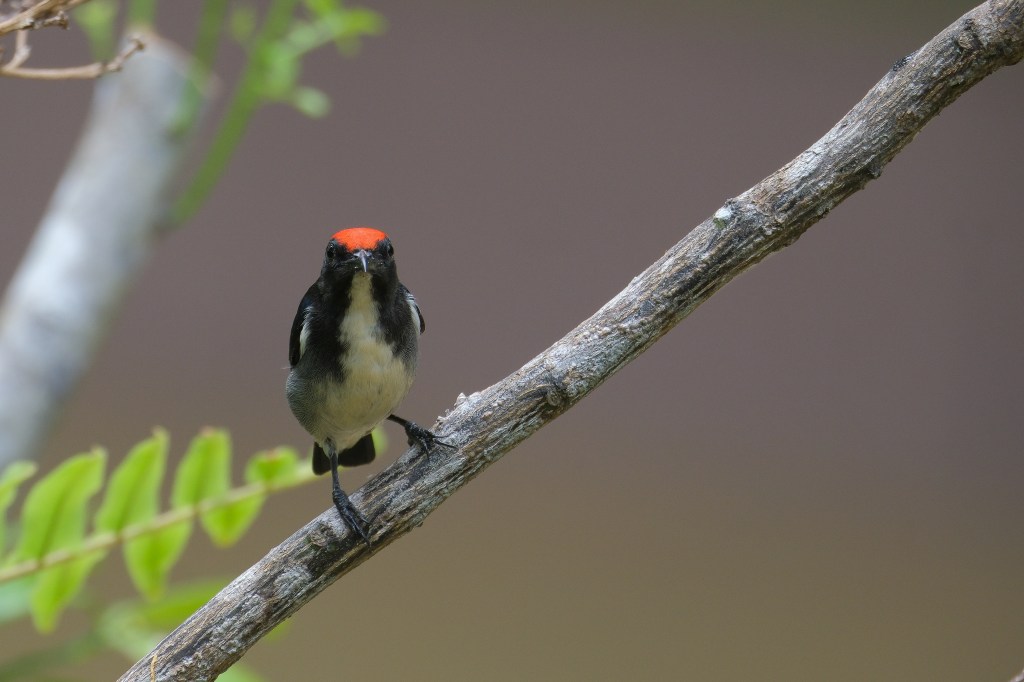
Completing our trio of mistletoe marvels is the Scarlet-backed Flowerpecker (Dicaeum cruentatum). This little bird, barely larger than your thumb, sports a brilliant red back that makes it a striking sight in our trees.
A front view of the beautiful bird
The Scarlet-backed Flowerpecker has a special relationship with our Malayan Mistletoe. It loves to snack on the mistletoe’s fruits, helping to spread the seeds in the process. When the bird’s droppings land on tree branches, they contain undigested seeds that can grow into new mistletoe plants.
Other than the flowerpeckers, it is also common to see the Ornate Sunbirds (Cinnyris ornatus) or Brown-Throated Sunbirds (Anthreptes malacensis) feeding on the fruits of the mistletoes.
Nature’s Relationships
While the Malayan Mistletoe is the most common in our parks and gardens, Singapore is home to several other mistletoe species. Keep an eye out for the Rusty Mistletoe, the Oval-leaved Mistletoe, and the Common Chinese Mistletoe. Each of these plants plays a role in supporting our local wildlife, even as a parasite.
Together, these species create a miniature ecosystem right above our heads, showcasing the interconnectedness of life. The mistletoe provides food and shelter, the butterfly helps with pollination, and the flowerpecker spreads the mistletoe to new trees. It’s a beautiful cycle of life happening in our very own green spaces.
So, the next time you’re strolling through one of Singapore’s public parks or exploring our nature reserves, look up! You might spot a clump of mistletoe with its distinctive fleshy leaves, a flash of a Painted Jezebel’s wings, or hear the chirp of a Scarlet-backed Flowerpecker. Remember, our local mistletoe isn’t just for holiday kisses—it’s supporting a whole world of wildlife right here in our urban jungle. It’s a nature story written by evolution itself, filled with color, cooperation, and the cycle of life—truly a Singapore marvel worth celebrating.










 birdbrainsg