Category: heritage

  • How 70s, 80s and 90s Kids Fell In Love with Nature (Part 3) – Panini Stickers

    Remember those colourful Panini sticker albums from the 80s and 90s? They weren’t just fun collectibles – they played a surprising role in nurturing a generation’s love for wildlife and nature! For many of us, these sticker books were our first window into the fascinating world of animals, sparking curiosity and passion that would last a lifetime.
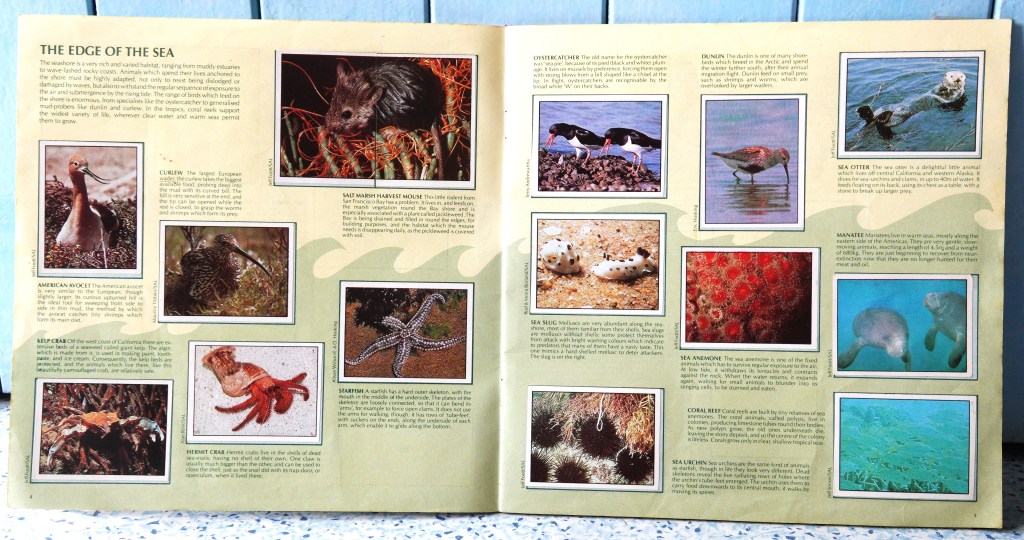
    A page from “The World of Survival” by Panini.

    In those pre-internet days, our Panini sticker books held an even more special place in our hearts and minds. Without the instant access to information we have today, we couldn’t just Google what a particular creature looked like or how it behaved. This limitation turned each new sticker into a thrilling discovery. When we finally got that sticker of an animal we’d never seen before, it was like unlocking a secret of the natural world.

    My own journey into the world of Panini stickers began with a humorous misunderstanding. At a local shop in an old Hougang Estate (Block 11A, now demolished), I eagerly asked for the “Our World of Endangered Species” sticker album. The shopkeeper, bless her heart, misunderstood completely. She thought I was asking for an ‘inappropriate’ magazine, likely confusing it with “Her World”! It took some browsing and pointing to the actual album before she realised her mistake and allowed me to make my purchase. That small incident marked the beginning of my Panini sticker collecting adventure and, unknowingly, set me on a path to a deeper interest in wildlife.

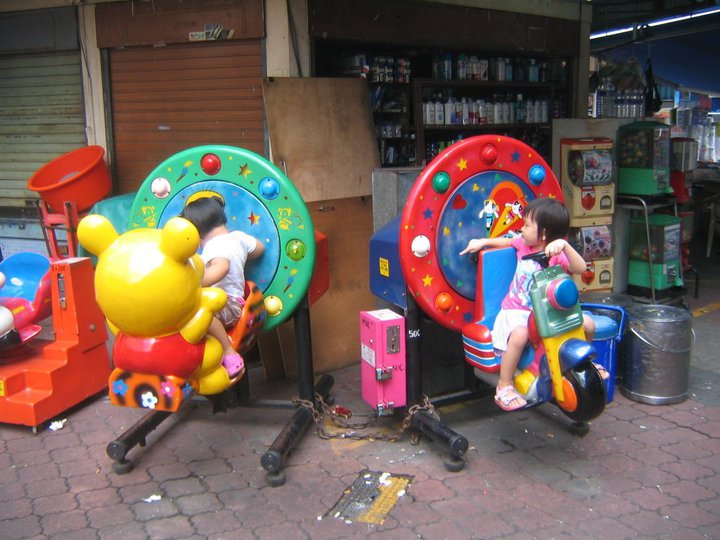
    Block 11A in an old Hougang Estate which has since been demolished.
    Took a few photographs of this memorable place where I bought my wildlife related panini stickers from before it finally closed down and demolished.

    Panini’s wildlife sticker books brought the animal kingdom right into children’s hands. Each vibrant sticker showcased a different creature, accompanied by fascinating facts. As we eagerly filled our albums, we were unknowingly embarking on a global wildlife tour. These weren’t just pictures – they were gateways to understanding the diverse and sometimes threatened animal kingdom.
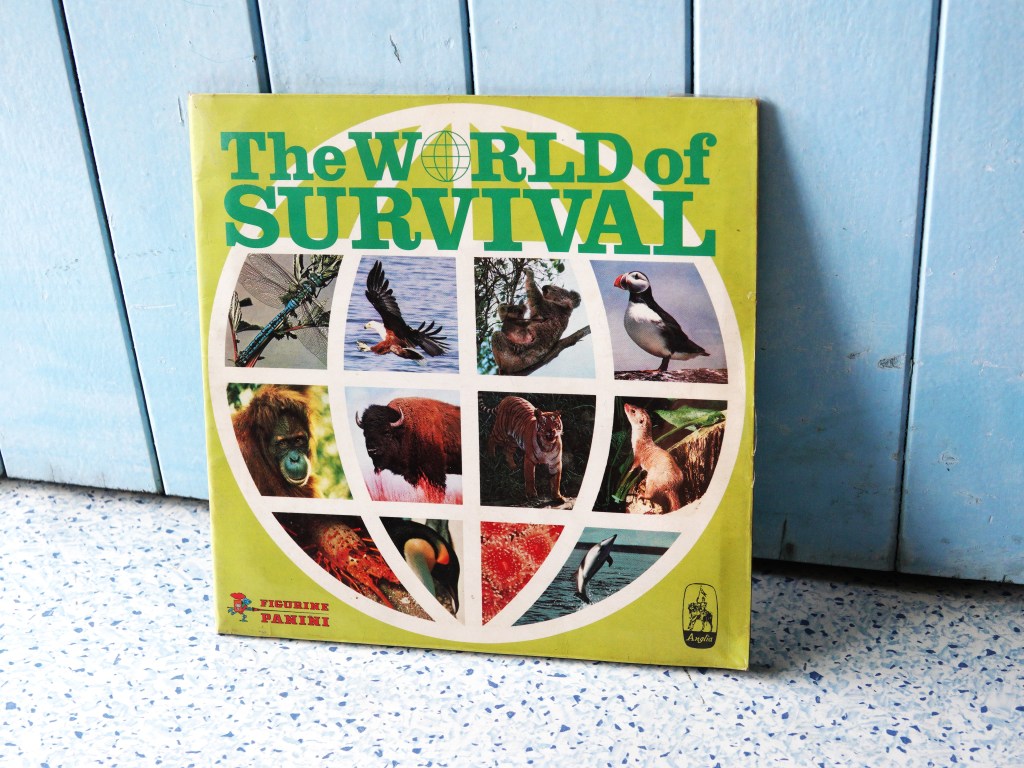
    My personal collection – “The World of Survival” which was sold in Singapore in the late 80s.

    Popular titles, available in Singapore, like “The World of Survival” and “Our World of Endangered Species” became treasured possessions. Despite their cost, these sticker books provided the perfect blend of entertainment and education. We absorbed knowledge about various species, their habitats, and even snippets of conservation issues, all while enjoying the thrill of collection.

    The stickers of the wildlife have been classified under different habitats.

    The excitement extended beyond personal collections, transforming the playground into a bustling marketplace of childhood treasures. Trading missing stickers with friends became a cherished ritual, much like the exchanges of country erasers, marbles, and stamps that defined our school days.

    The pursuit of completing our albums led to some entrepreneurial endeavours among classmates, with some young minds setting up impromptu sticker ‘shops’. However, these budding businesses were short-lived, as the school’s vigilant discipline mistress swiftly clamped down on student-to-student sales. I vividly remember the day a stack of my precious Panini stickers was confiscated, purchased from a classmate who displayed remarkable business acumen at such a tender age. Despite the risks, these small acts of rebellion only heightened the thrill of the chase, adding an extra layer of excitement to our quest for a complete collection, which never did happen. Haha.
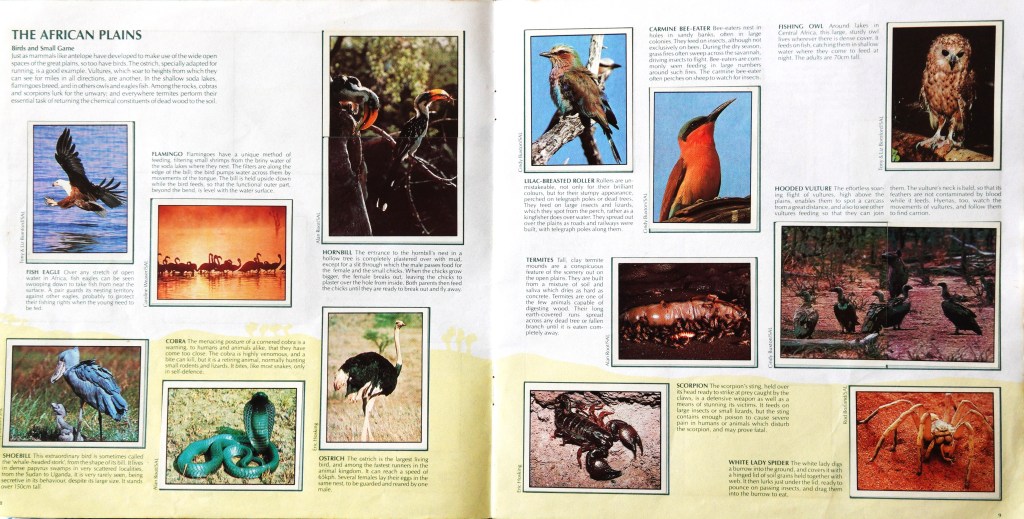
    Boys will be boys! I couldn’t resist the allure of the more dangerous creatures in my sticker collections. The cobra, scorpions, and spider stickers were always among my favourites.
    And of course, the venomous Gila Monster! The author has indicated the caption wrongly as venomous animals inject their toxins, typically through bites or stings. Poisonous organisms, on the other hand, are toxic when ingested or touched. The Gila Monster delivers its venom through a bite, making it venomous.

    Empty spaces in the album pique interest, especially with the accompanying captions in the absence of visuals. Children would imagine the features of the creatures that might fill those gaps, fostering a sense of wonder about unknown species. What could the missing animal look like? Perhaps it has iridescent scales that shimmer like rainbows, or maybe it possesses eyes that glow in the dark.

    A special excitement came from the animal pictures that needed two stickers to finish. These bigger images made collecting even more fun. Putting together these double-sticker images was like completing a mini-puzzle, giving us a closer look at these amazing animals. It felt fantastic when we finally got both halves, making the whole wildlife adventure more real and unforgettable. It’s as if the album itself is whispering, “This creature is so extraordinary, it can’t be contained in a single sticker!”

    One of my favourite double-sticker photograph was the frigate bird (Fregatidae). I was amazed by its huge, bright red throat pouch that looked almost like a giant human tongue!
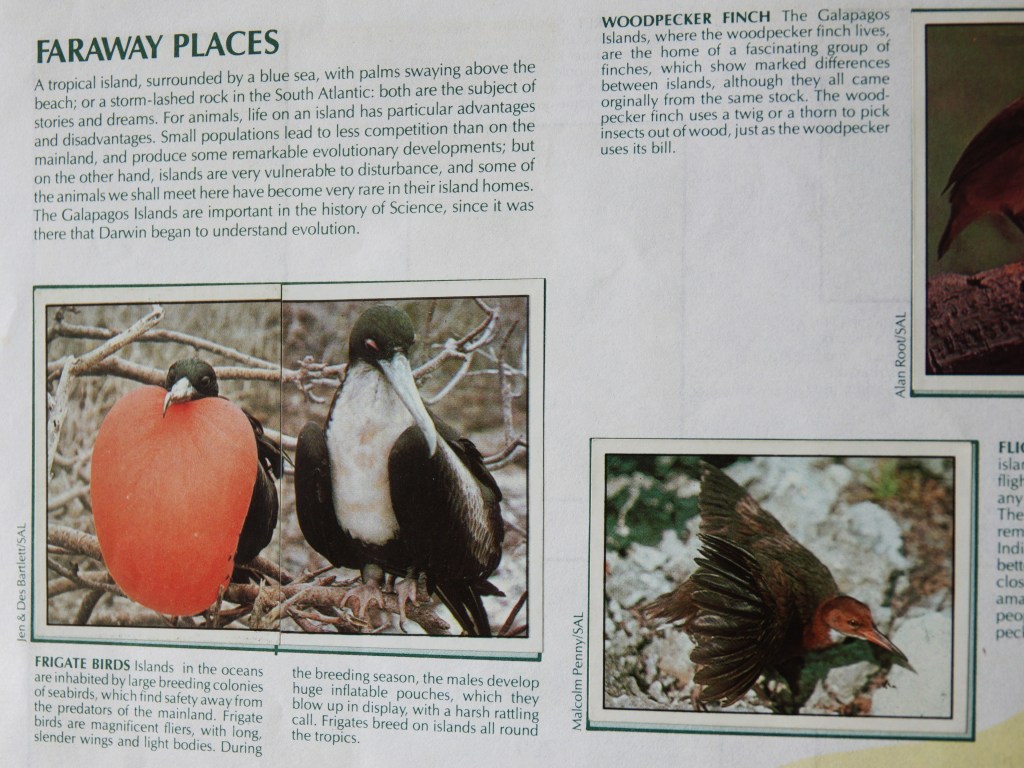
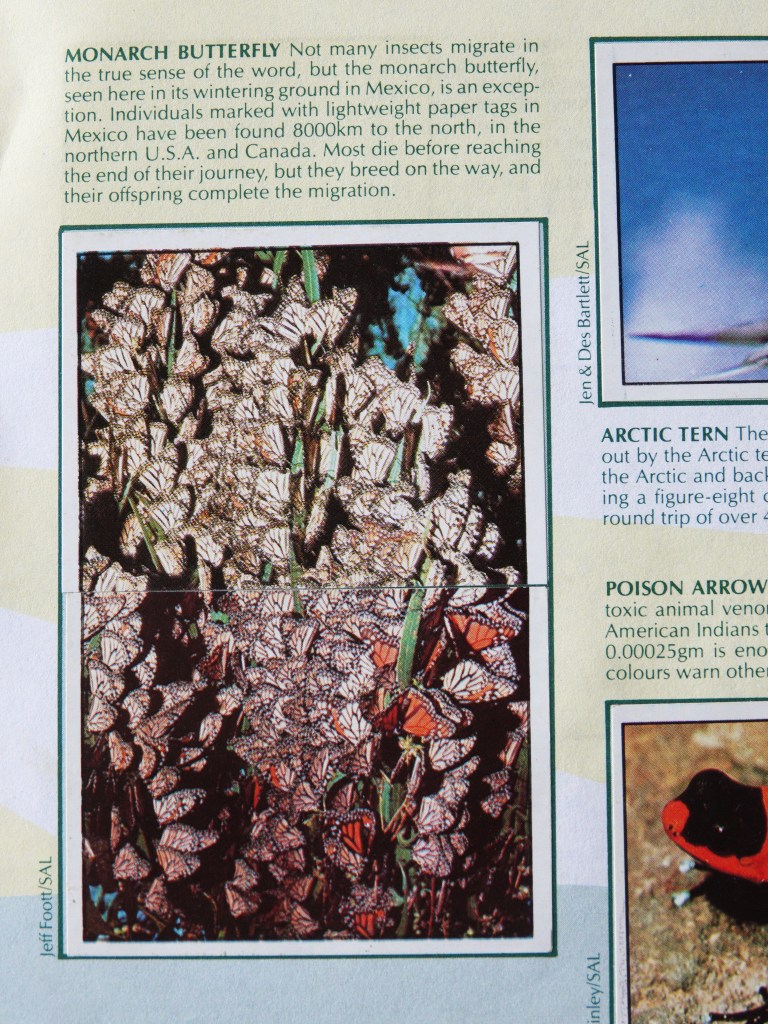
    Those who collected Panini stickers from “The World of Survival” would likely remember the frigate birds.
    Another double-sticker portrait that I remember vividly is the Monarch butterflies! Probably due to my fear of them as a result of the SBC show 迷离夜. Didn’t enjoy piecing this puzzle together because it was too horrifying.
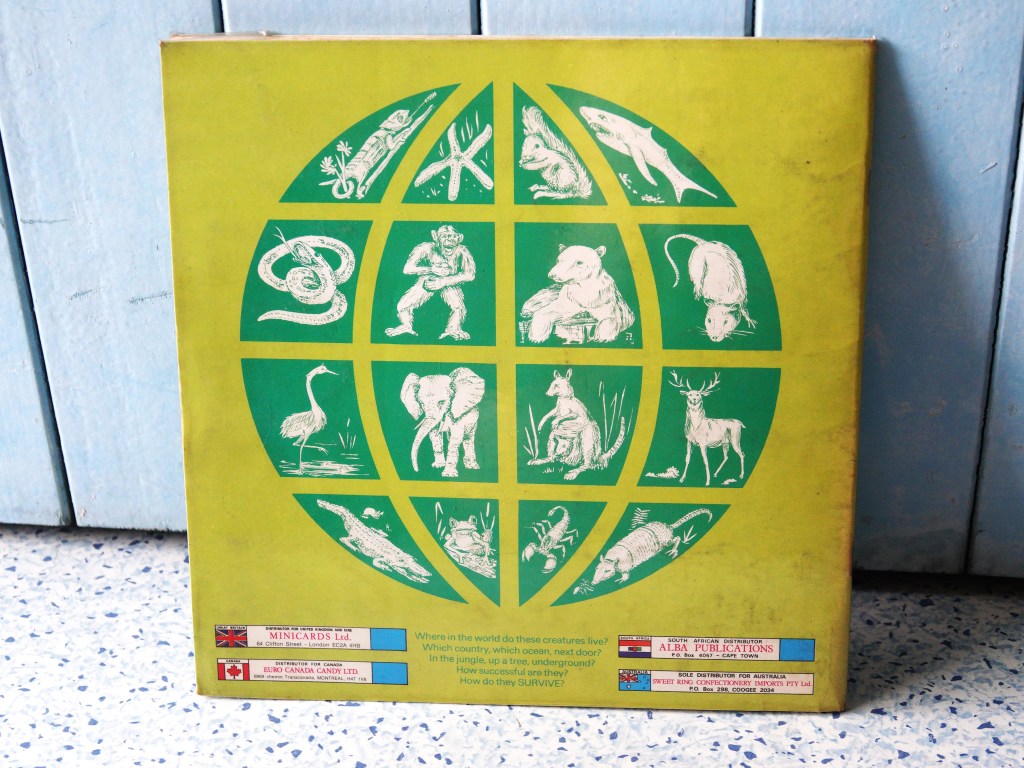
    The back of the Panini book.

    In conclusion, Panini sticker books played a significant role in nurturing a love for wildlife among children of the 70s, 80s, and 90s. These colourful albums did more than just entertain; they educated, inspired curiosity, and fostered a deeper appreciation for the natural world.

    By bringing exotic and endangered species into our everyday lives, Panini stickers sparked conversations, encouraged learning, and created lasting memories. The excitement of collecting, trading, and completing these albums laid the foundation for many lifelong interests in nature and conservation.

    Written by Lucas
  • How 70s, 80s and 90s Kids Fell In Love with Nature (Part 2) – Stamps

    How 70s, 80s and 90s Kids Fell In Love with Nature (Part 2) – Stamps

    Born in 1982, I’ve witnessed Singapore’s dramatic transformation over the decades. In my opinion, nature appreciation wasn’t a conscious “thing” back then – simply because nature was all around us. Many parts of Singapore were still forested, creating a landscape vastly different from what we see today.

    Let me paint a picture of those (personal) times in the late 80s and early 90s:

    1. Weekly family visits to my grandma near Pasir Ris Park involved driving through lush, green forests.
    2. Chinese New Year traditions often led us to relatives living in kampong houses. These traditional dwellings were nestled right in the heart of forested areas.
    3. Even though I lived in Hougang, I was very near the coastal areas as Buangkok, Sengkang and Punggol had not yet been (massively) reclaimed. The sea was less than 1km away.

    This proximity to nature wasn’t just a backdrop; it was a way of life. It shaped our perspectives, our play, and our understanding of the world around us. Ironically, because nature was so omnipresent, I personally took it for granted and didn’t always pay close attention to my surroundings. Even though I enjoyed collecting rubber seeds and saga seeds, and shooting grass blades (yes, nature was more of a plaything), I didn’t fully appreciate its significance. However, I did begin to learn about biodiversity in a more indirect way – through stamp collecting.

    The cover of one of my stamp albums is filled with Dragonball Z stickers.

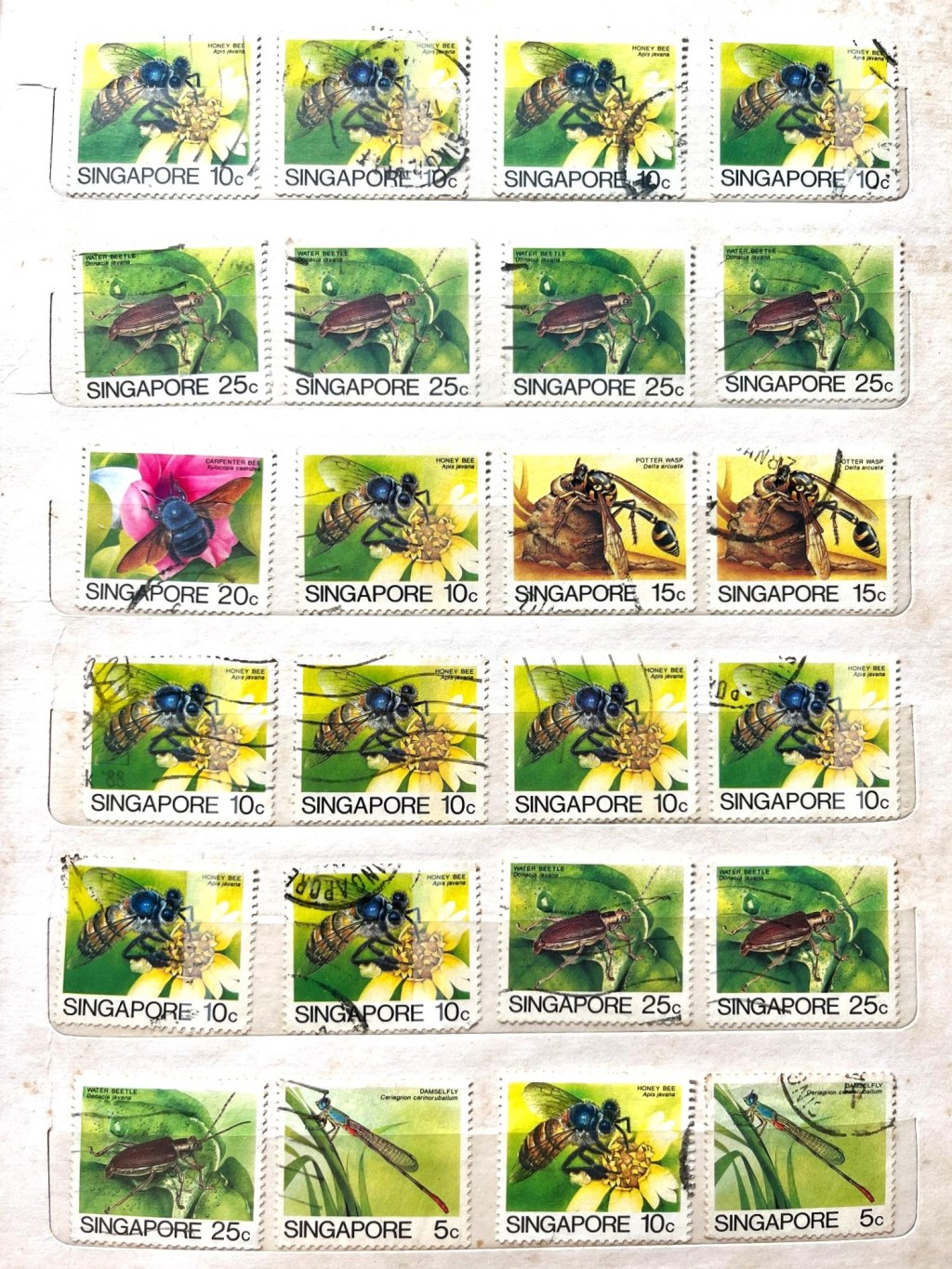
    For children growing up in the 70s, 80s, and 90s, stamp collecting was more than just a hobby – I feel that it was a window to the natural world. Long before the internet and smartphones dominated our lives, these tiny, colourful pieces of paper served as glimpses to exotic landscapes, elusive animals, and vibrant flora from both Singapore and across the globe. The Singapore Post Office played a crucial role in nurturing this interest, regularly releasing stunning stamp collections that showcased the beauty of nature.

    My introduction to stamp collecting came through two main sources: loose stamps carefully removed from envelopes and sets of stamps in “First Day Covers,” which my dad often bought for us as presents. These became treasured possessions and to some extent, learning tools.

    1986 First Day Cover – Local Fruits Series, which helps us identify the names of the fruits we eat. However, I find them somewhat misleading because there is no size comparison. I remember wondering why the guava appeared so small, similar in size to the rambutan, chiku and jambu.
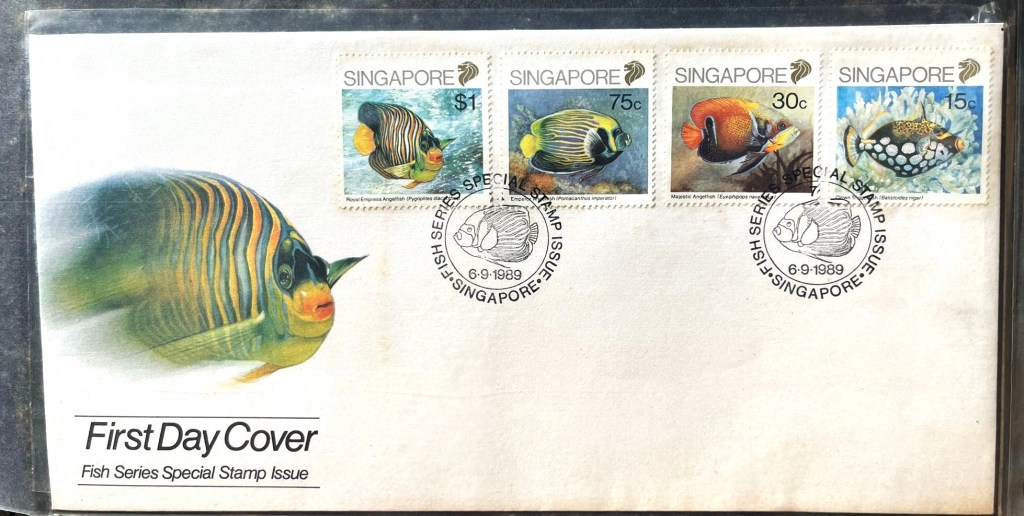
    1989 First Day Cover that features colourful marine fishes that we were not able to relate to except by visiting Van Kleef Aquarium (the one that existed before the Underwater World and subsequently, the S.E.A. Aquarium).
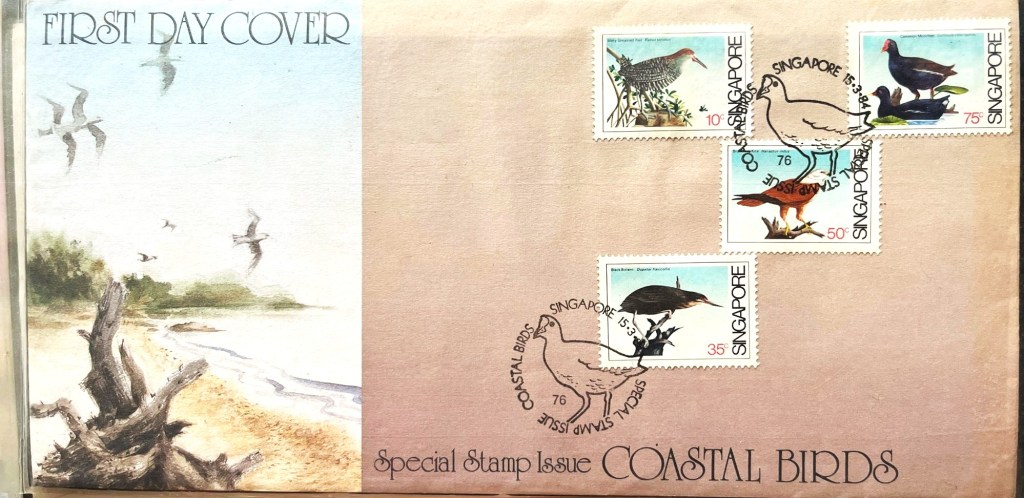
    1984 First Day Cover featuring our local coastal birds such as the Brahminy Kite, Common Moorhen, Slaty Breasted Rail and the Black Bittern. I do wonder if there is any mistake because most of these birds reside near freshwater habitats rather than coastal shore areas.
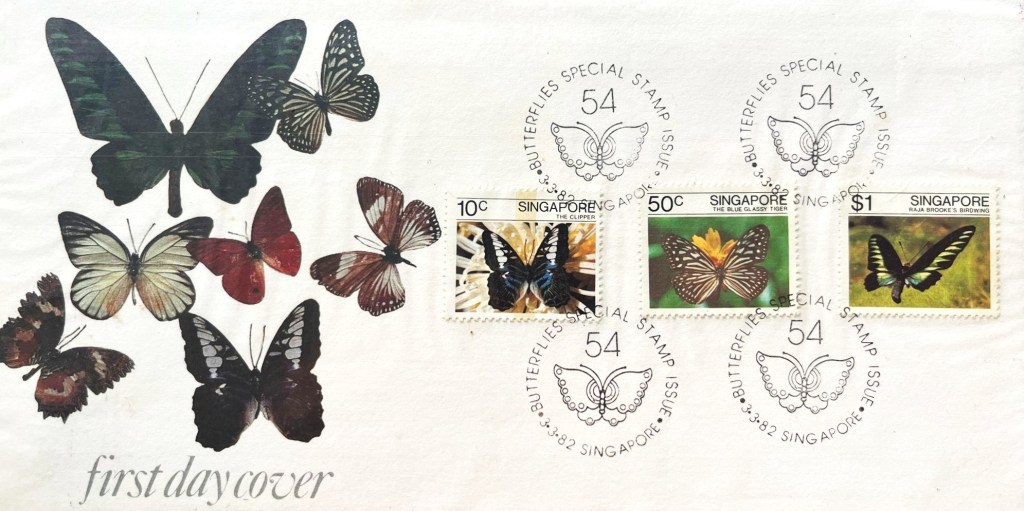
    The 1982 First Day Cover on Butterflies is a fascinating piece. I do wonder if the magnificent Raja Brooke’s Birdwing could be found in Singapore. I have only seen people posting photographs of them on Facebook groups, Instagram accounts, and blogs that they saw in Malaysia. Note that this particular one contains photographs instead of illustrations.

    Imagine the excitement of a young collector eagerly awaiting the latest nature-themed stamp series in a First Day Cover format. Each new release was an adventure, offering glimpses of vibrant orchids, ferns, freshwater and marine fishes, and birds. I particularly favour the illustrated stamps over the photographed ones, appreciating the intricate artistry behind them. First Day Covers were especially valuable as they provided the entire stamp series, including higher-valued stamps that were rarely used for regular postage. Have you noticed that all the rubber stamp ink prints are of a certain theme that matches the First Day Cover theme?

    The real joy and excitement came from collecting loose stamps. You never knew what you’d get, as it depended on which stamps were used for mailing. As a nature lover from a young age, I often pored over our albums, learning about different species and admiring their colors and shapes (and often cross-referencing to the Science Centre published guidebooks).

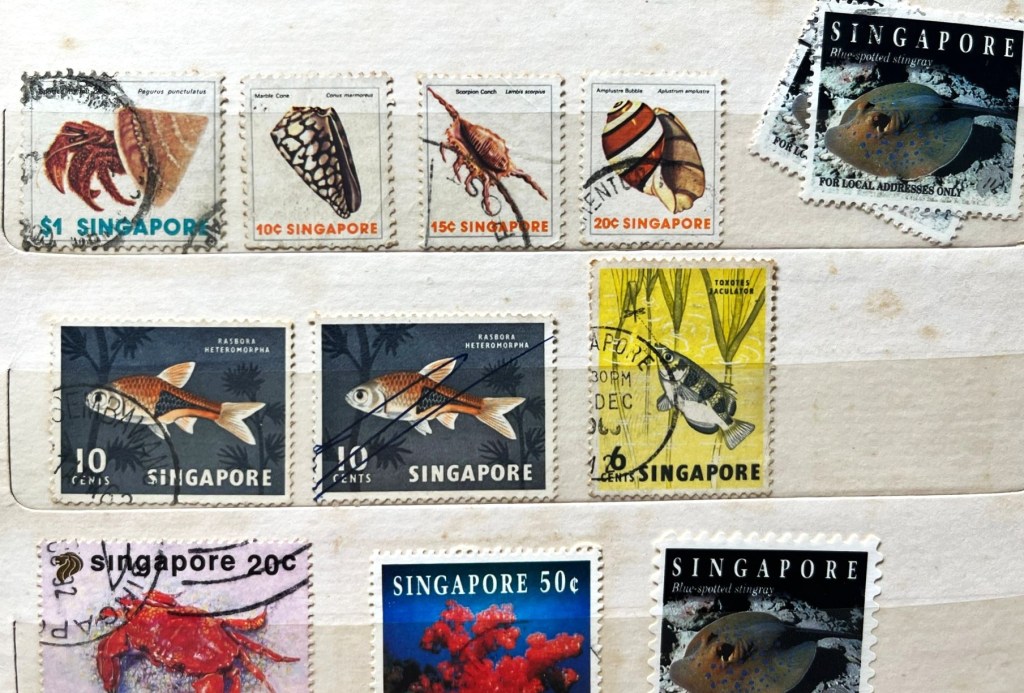
    I remember the joy of obtaining the $1 and $2 stamps showing the cricket and grasshopper, as I kept getting the rest as repeats.
    The $1 Hermit Crab stamp was one of the rarer ones I managed to get from exchanging with my friends in primary school. The Archer Fish and the Rasbora stamps were removed from the late 1960s government documents issued to my grandparents in their shophouse.
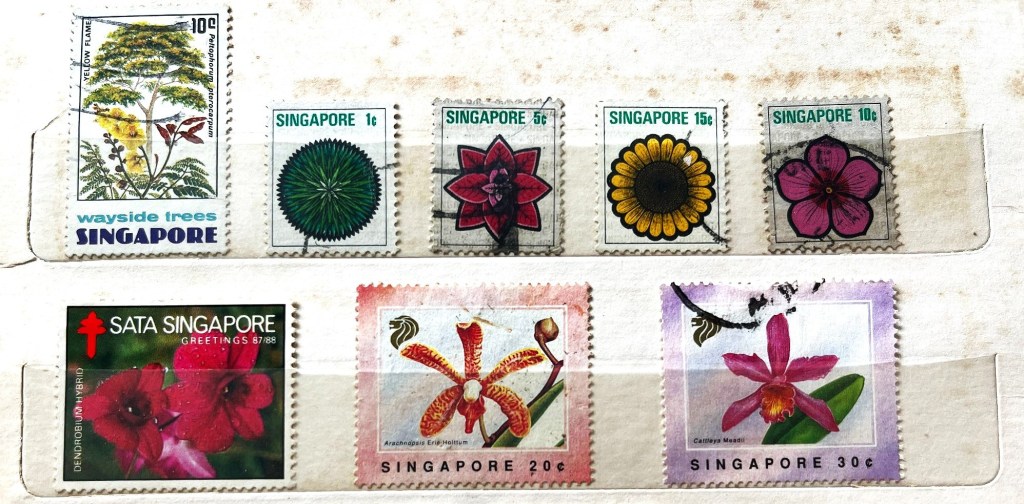
    Flora has been a recurring feature in Singapore stamps, especially orchids. I particularly love the wayside trees stamp featuring the Yellow Flame from 1976. After some googling, there are 3 more to form a set i.e. Cabbage Tree, Rose of India and the Variegated Coral Tree

    The act of collecting itself was a lesson in patience and appreciation. We would carefully soak the stamps off envelopes, dry them, and meticulously arrange them in our albums. This process fostered a sense of care and respect for these miniature works of art.

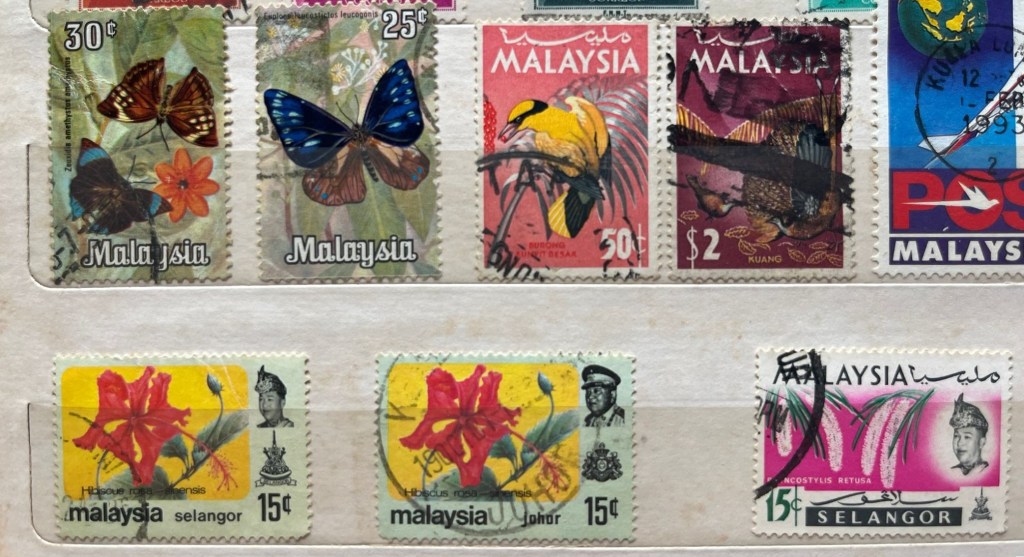
    And of course, how can we forget about the Malaya/Malaysian stamps.

    From an early childhood education perspective, stamp collecting also helped nurture children’s executive functions and fine-motor skills given the need to take great care of them, learn to organise them based on countries and themes and through stamp exchange as part of our social activities. Friends would gather to trade duplicates and show off their prized possessions. I particularly looked for flora and fauna stamps, always eager to add to my nature-themed collection.

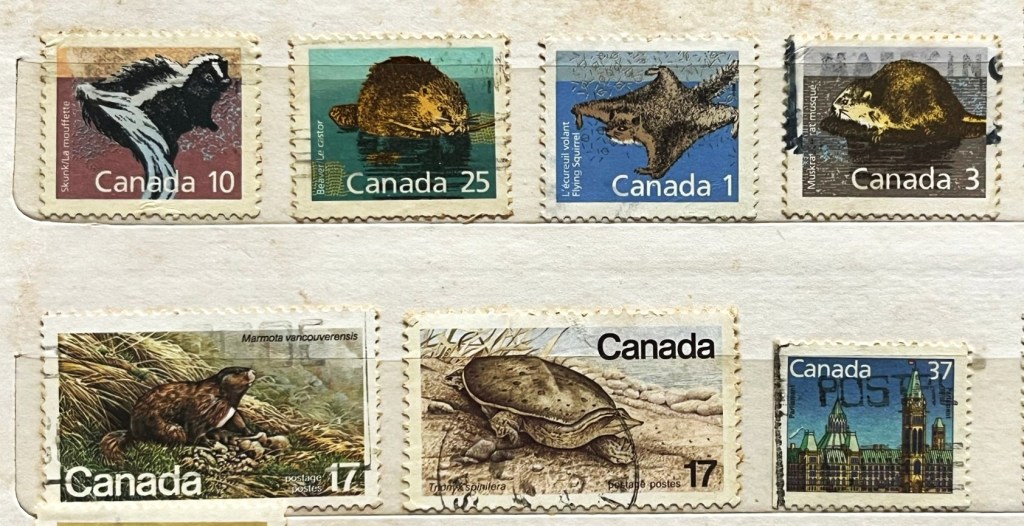
    Collecting stamps from countries outside Singapore and Malaysia was challenging during that time, unless one had relatives who sent and received mail from distant locations.
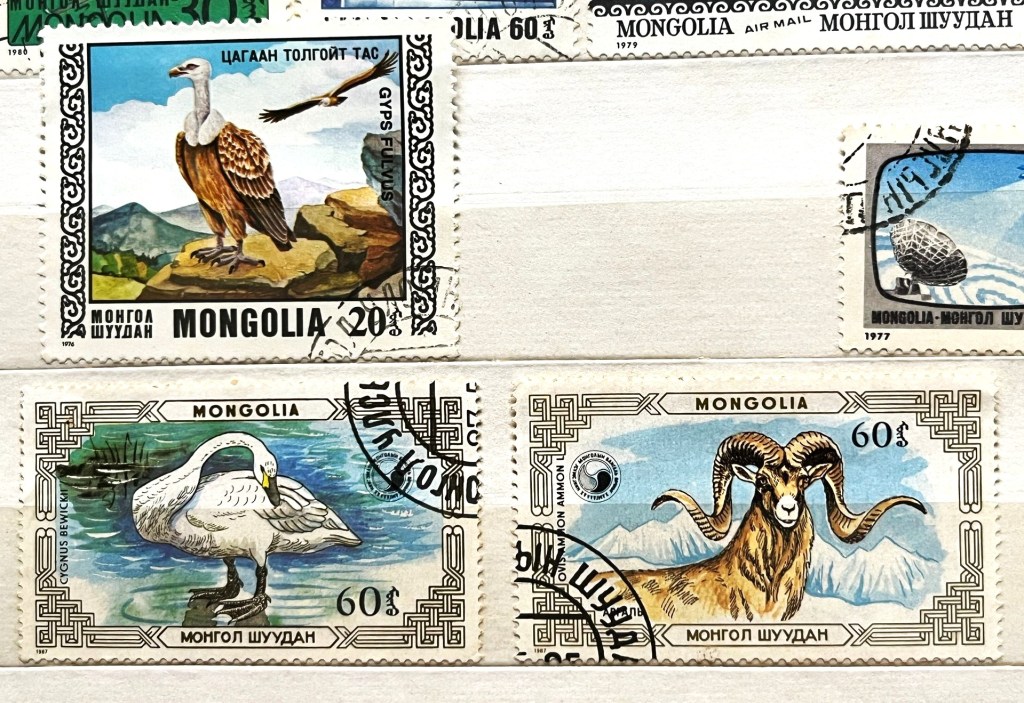
    I used to think that the Mongolian stamps were ‘fake’ due to the type of paper used. I love the Eurasian griffon vulture stamp! The illustrations have a beautiful style of their own.

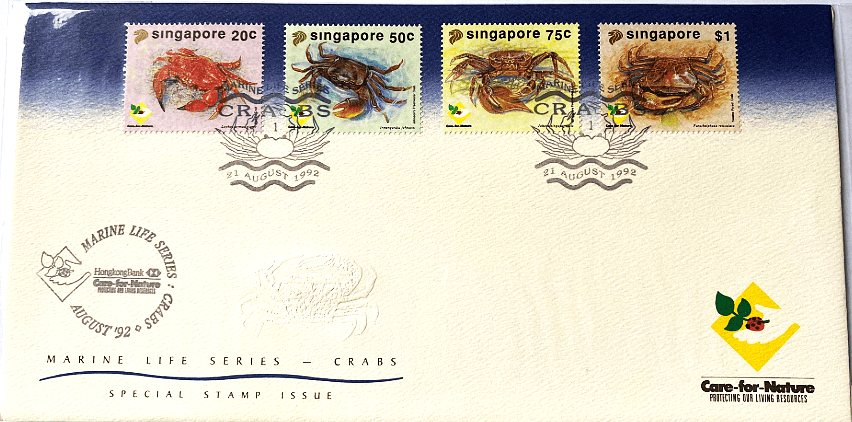
    Since the early 1990s, Singapore Post has collaborated with HSBC bank to produce nature-themed stamps more intentionally. Titled “Care-for-Nature,” this collection of postage stamps aims to raise awareness about nature conservation in Singapore.

    Singapore Post produced the first set of its Care-for-Nature series in 1992, featuring marine crabs. I seldom see these stamps being circulated in posts, with the exception of the 20-cent mosaic crab stamp.
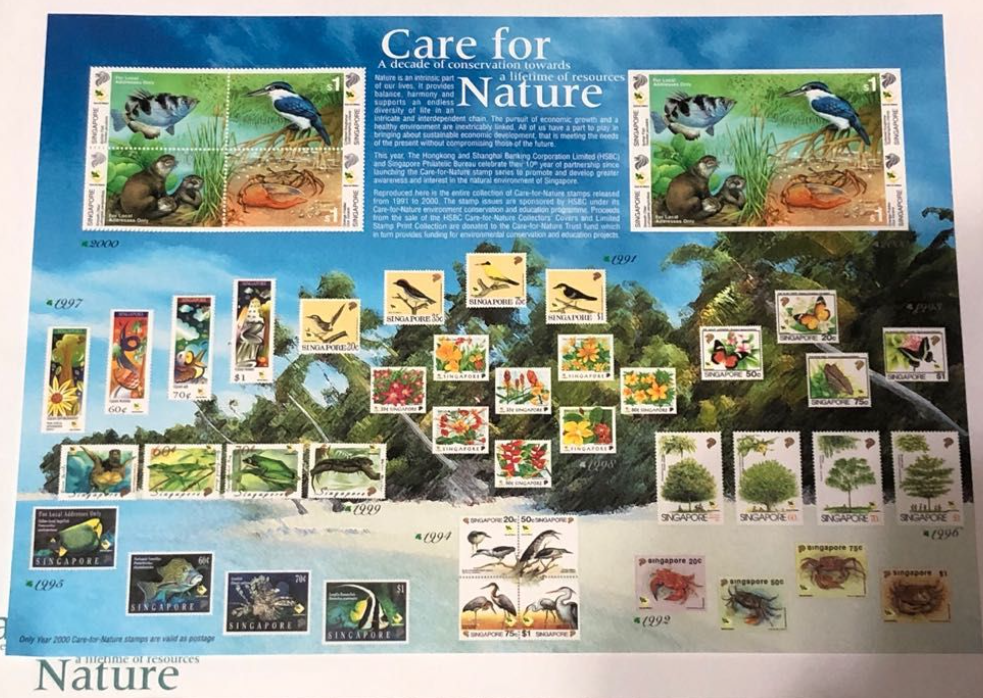
    Here is a limited edition stamp sheet that showcases the entire collection of Care-For-Nature series from 1992 to the year 2000. The series, in fact, continues beyond the millennium.

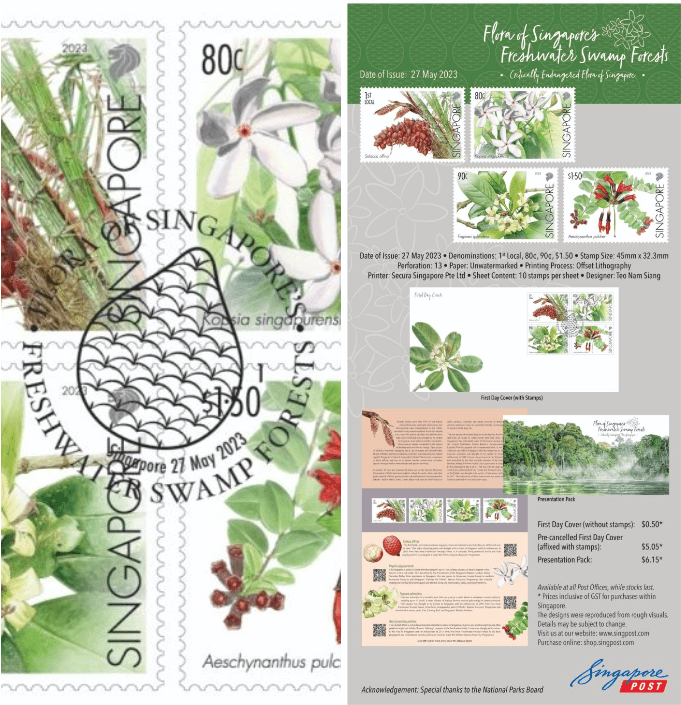
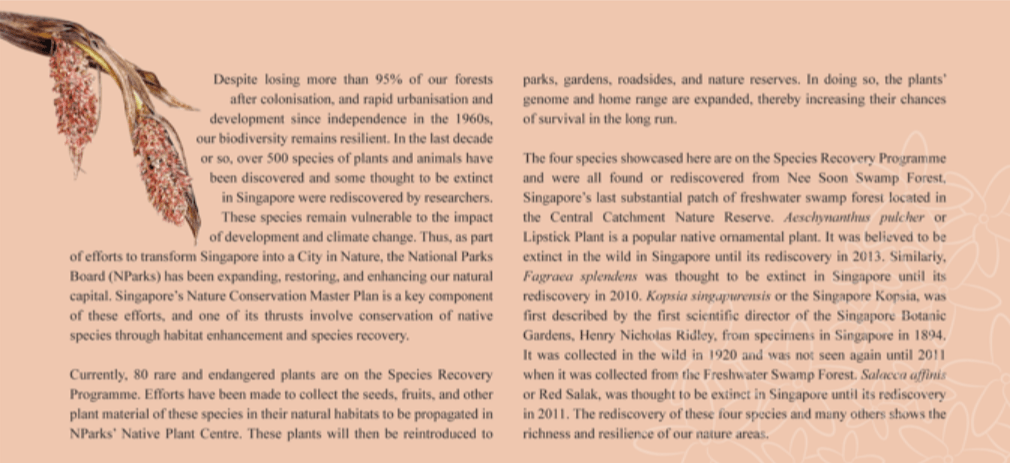
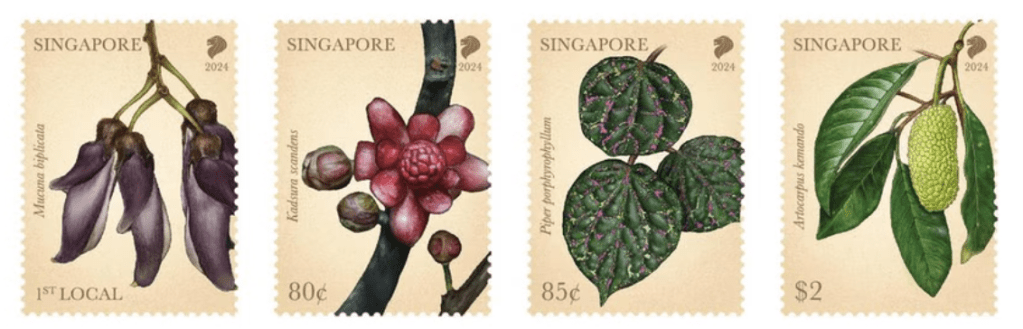
    Even today, I’m amazed by how Singapore Post continues to produce beautiful nature-based stamps that showcase artists’ works while adding more background information for their presentation pack. A perfect example is Teo Nam Siang’s recent series on “Flora of Singapore in Freshwater Swamp Forest,” which I find particularly captivating. (refer to link for the exact post on Linkedin).

    The amazing, realistic details by Teo Nam Siang showcase his talent in botanical art.
    This additional information, included as part of the presentation pack, provides a more comprehensive understanding of the stamp series. It offers greater detail compared to the limited information typically found on traditional First Day Cover formats. For those looking for a more budget-friendly alternative, opting for the traditional First Day Cover without the presentation pack would be a cheaper choice

    More recently, Singapore’s National Parks Board (NParks) and Singapore Post (SingPost) have collaborated to celebrate the country’s biodiversity and natural heritage through a series of postage stamps. As part of the Festival of Biodiversity, they released two special sets of stamps in 2023 and 2024, showcasing Singapore’s rare plant species.

    The first set featured four critically endangered plants that are currently part of NParks’ Species Recovery Programme: the lipstick plant, Fagraea splendens, Singapore kopsia, and red salak. The second set introduced two rare species: the two-fold velvet bean climber and the Kadsura scandens with its pale red blossoms.

    By featuring these plants on postage stamps, NParks and SingPost aim to raise awareness about Singapore’s unique flora and emphasise the urgent need for conservation efforts to protect these endangered species.

    As a gardener, I especially love the Piper porphyrophyllum, commonly known as tiger’s betel. These are plants found in Bukit Timah Nature Reserve. I have seen them for sale in the plant market (imported from Indonesia) Credit: Singpost

    Personally, stamp collecting, along with other hobbies, has instilled a love for nature in me (or reinforced my already nature-loving heart) that I’ve carried into adulthood. This passion has significantly influenced my attitudes towards biodiversity, given the numerous stamp series I’ve collected featuring stunning flora and fauna.

    In today’s digital age, while stamp collecting may not be as prevalent, I am so glad that I have gone through the era where I get to slowly appreciate the colours and the identities of these flora and fauna on the stamps. It’s a testament to the various ways we can connect with nature, even in unexpected forms like stamp collecting.

    As we move forward, let’s cherish these memories while finding new ways to appreciate and protect the natural world around us.

    Written by Lucas Teo