“Sometimes we fear the unknown, while other times we fear what we think we know”.
Limited Access to Information of Floral and Fauna
Growing up in the 1980s, our access to factual and accurate information about the natural environment was notably limited, despite the few inspiring resources available. We relied heavily on rare screenings of nature documentaries on television and the occasional informative publications from the Science Centre, such as “A Guide to Pond Life” (1987), “A Guide to Common Singapore Spiders” (1989), and “A Guide to the Bukit Timah Nature Reserve” (1985).
Our curiosity was further piqued by collectibles like Panini Sticker books on wildlife, featuring topics such as “Our World of Endangered Species,” and even the images of flora and fauna printed on the back of MilkMaid tin labels (see blog link). Hands-on learning experiences came through Young Scientist Badge projects and quests, allowing us to explore nature firsthand. However, these resources, while valuable, provided only a fragmented understanding of the natural world.
Thus, our perceptions of nature, including innocuous creatures like butterflies and moths, were heavily influenced by popular culture – movies, TV shows, and community folklore. These sources often dramatised or exaggerated natural phenomena, potentially turning even beautiful insects into objects of fear.
While there’s nothing inherently wrong with dramatisation in the media-entertainment industry, the scarcity of comprehensive factual resources (or perhaps the limited access to such resources) in the 70s, 80s and 90s meant that these cultural depictions often shaped our understanding more than scientific facts. The resulting misconceptions and oversimplified views, formed during our formative years, could lead to irrational fears of harmless creatures like butterflies and moths, persisting into adulthood and affecting our long-term relationship with the environment.
This exploration of how limited information and cultural influences can create fear towards familiar creatures like butterflies sets the stage for understanding broader issues in our perception of the natural world.
Fear of Butterflies
I used to be afraid of butterflies, a fear I can trace back to a 1988 TV show called “迷离夜” (Mystery) and some old wives’ tales (which I’ll elaborate on later). Thankfully, I’ve grown out of this fear, but it’s worth noting that many children of my generation were affected by this show and its scenes. While I’m cautious about using the word “traumatised” loosely, it’s clear that this series inadvertently influenced a generation of Singaporean children (probably born in the early to mid 80s), shaping their perceptions of these delicate insects, even causing them to develop Lepidopterophobia – an irrational fear of butterflies and moths.
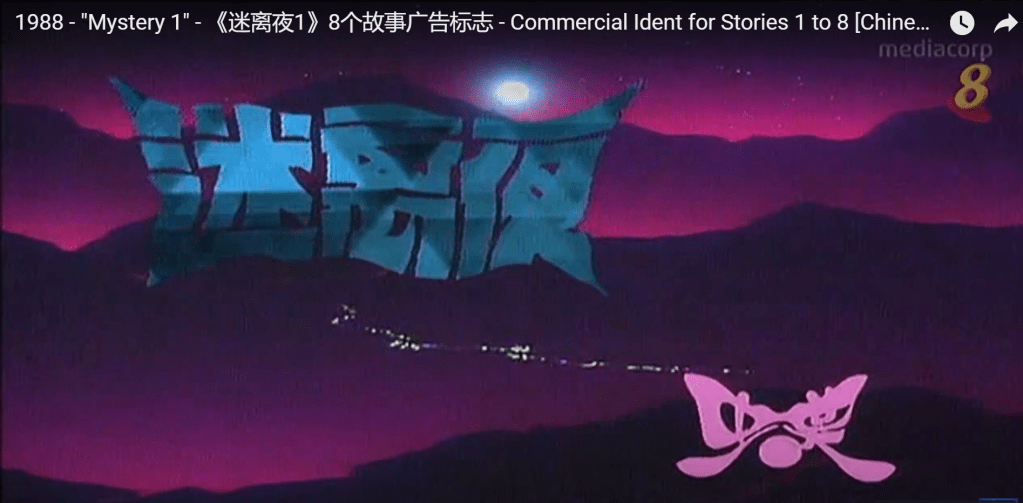
In the chilling SBC drama “Butterfly” (蝶) from the supernatural series 迷离夜 (Mystery), butterflies are depicted to have mandibles that bite people. The pivotal scene unfolds in Africa, where a father (a jeweller) and his daughter, 小蝶, explore in search of precious rocks and minerals. Suddenly, a swarm of butterflies emerges, attacking the explorers. In a desperate attempt to rescue his daughter, the father is ‘bitten’ by numerous butterflies on his face, triggering a terrifying and rapid aging process that even the tribal shaman can’t reverse.
小蝶, bitten once, also experiences the aging process after returning to Singapore. What follows are several heart-pounding scenes of 小蝶 screaming hysterically at the mere sight of approaching butterflies, cementing the transformation of these usually harmless creatures into objects of terror.

In the butterfly scenes from ‘迷离夜’ (which I have screen-captured from MeWatch), four identifiable species are prominently featured: the Common Birdwing (Troides helena), Lime Butterfly (Papilio demoleus), Plain Tiger (Danaus chrysippus), and Common Mormon (Papilio polytes). Another unidentified species may belong to the Junonia genus. Ironically, these butterflies, portrayed as agents of horror in the programme, are common in Singapore and play crucial roles in our ecosystem.
Far from being threats, butterflies are important pollinators, facilitating plant reproduction and supporting biodiversity as they feed on nectar. Their presence often indicates a healthy, balanced environment. Moreover, butterflies serve as a food source for various birds, small animals, and other insects, contributing to the complex food web.
It’s worth noting that butterflies cannot bite; they lack the mouthparts to do so. Instead, they have a proboscis, which they extend to feed on nectar. This fact further underscores the contrast between their benign nature and their frightening portrayal in the programme.
In reality, butterflies enhance our natural world with their beauty and ecological significance, bringing colour to gardens and joy to observers while silently supporting the intricate balance of nature.
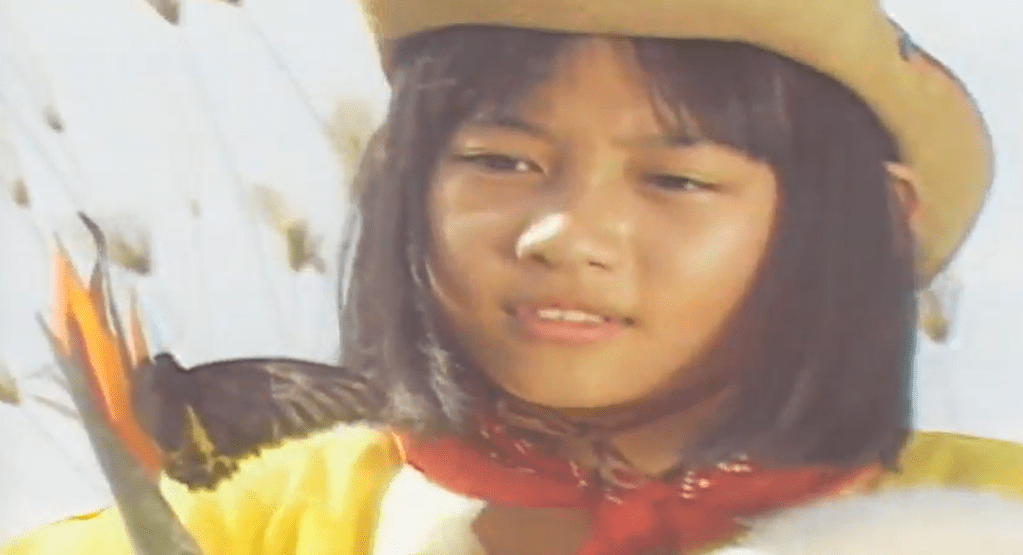
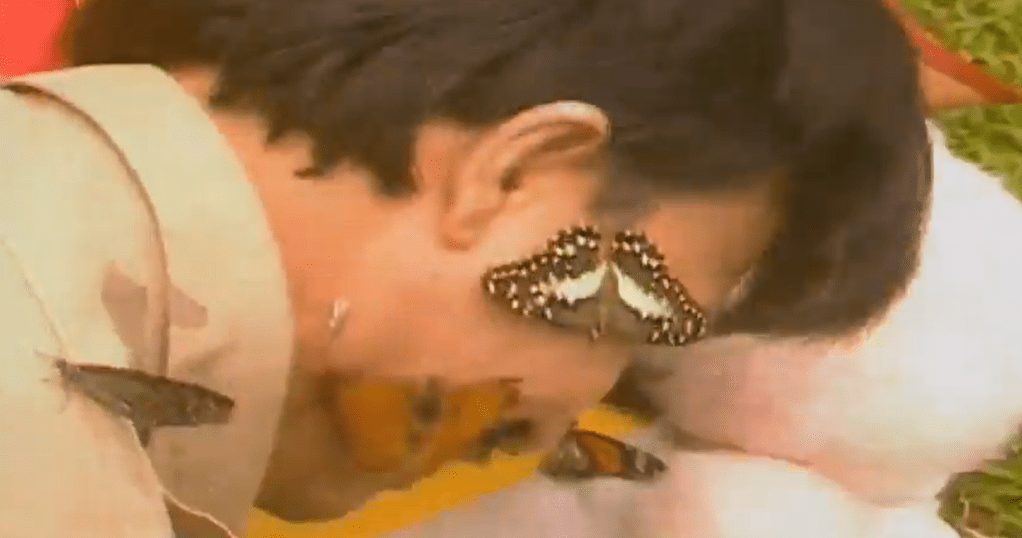
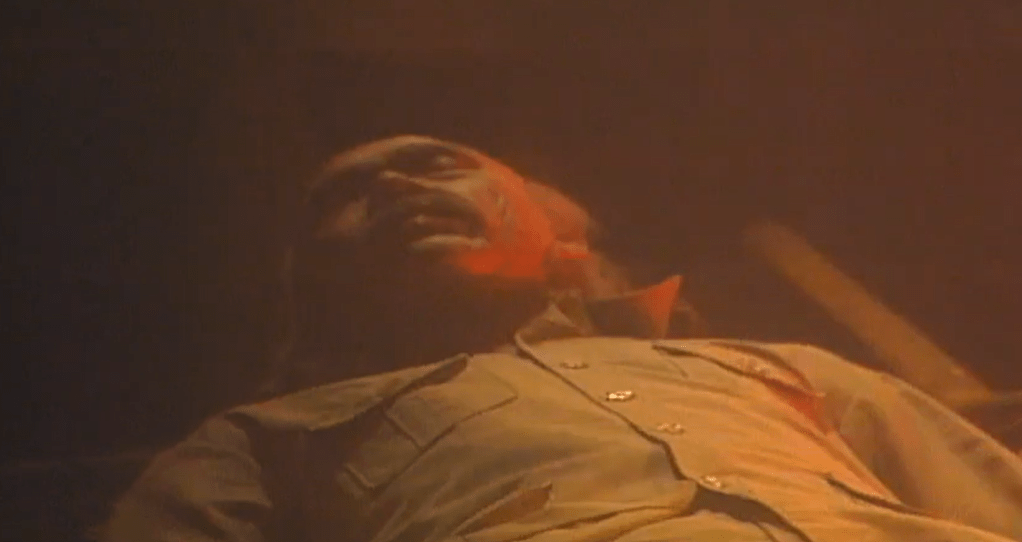
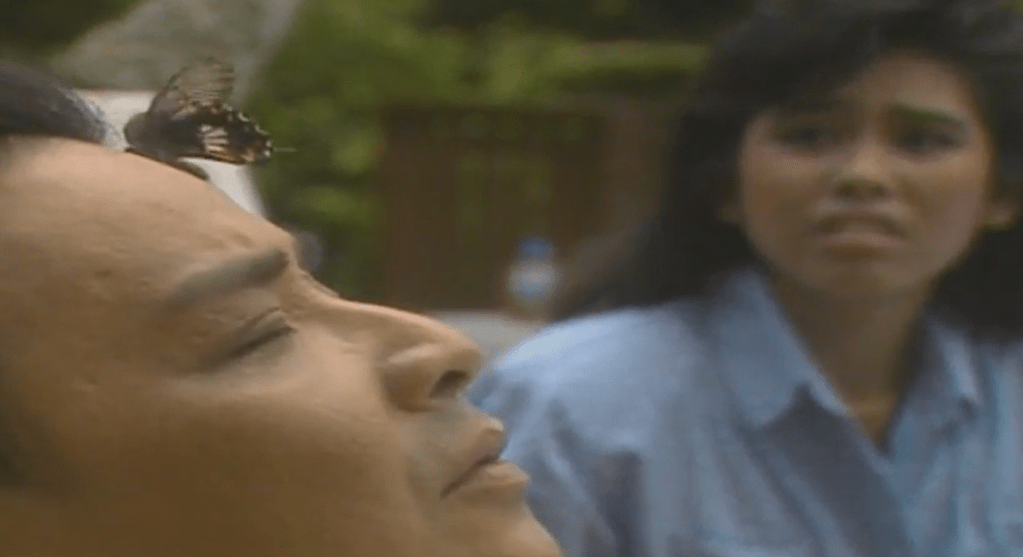
The portrayal of harmless butterflies as agents of terror in this drama left an indelible mark on viewers, particularly the young, blurring the lines between reality and fiction. The show’s depiction of accelerated aging triggered by butterfly ‘bites’, combined with characters’ hysterical reactions to these insects, created a lasting impact. Given the ubiquity of the featured butterflies in Singapore (with the exception of the less common Birdwing), those affected by the show’s portrayal faced an increased likelihood of experiencing fear or unease during everyday encounters with these typically innocuous creatures.
Upon exploring online forums like Hardware Zone, numerous netizens shared their lingering fears attributed to ‘迷离夜’ or recounted experiences eerily similar to those portrayed in the show.
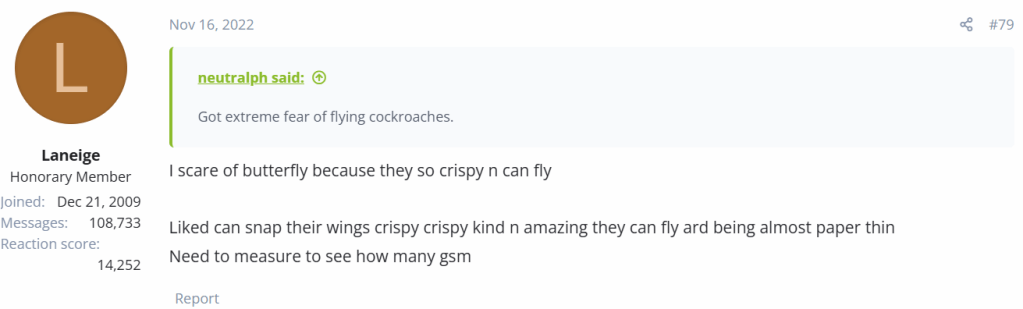
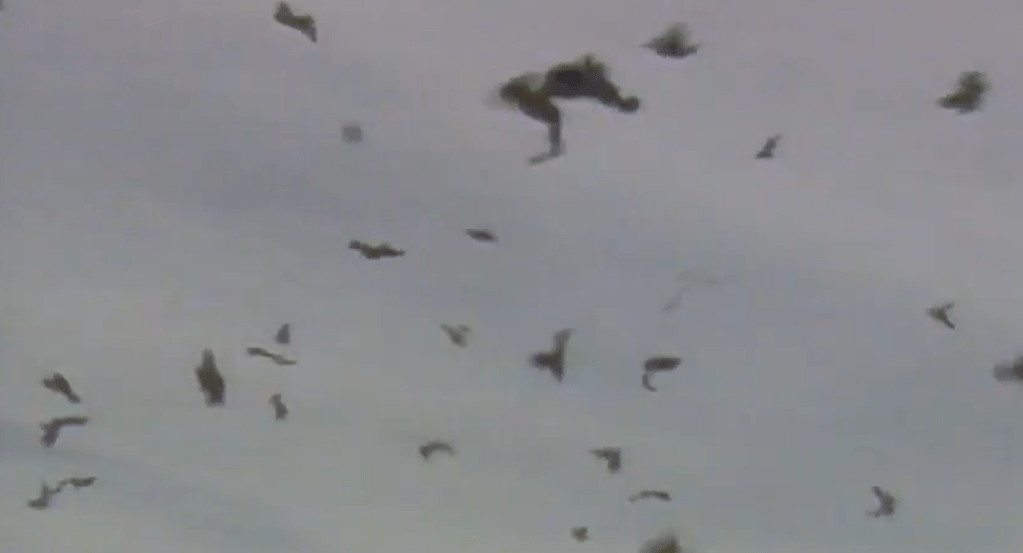
Some netizens claimed that butterflies create audible, crispy flaps. In reality, butterfly wing movements are silent to human ears. However, ‘迷离夜’ dramatically exaggerated this aspect, adding audible flapping sounds to heighten tension. This creative liberty likely led viewers, especially children, to associate imaginary, ominous sounds with butterfly movements. Such dramatisation, while effective for storytelling, inadvertently created a false association between butterflies and eerie noises, potentially contributing to viewers’ lasting fears or unease around these typically silent insects.

As shared by others, some viewers have come to associate butterflies with rapid ageing. Although the netizen in the screenshot mentioned ‘powder’, which wasn’t featured in ‘迷离夜’, the reference to ageing likely stems from the show’s portrayal. This association with ‘powder’ (or more accurately, their scales), however, appears to have a different origin. It likely comes from old wives’ tales (which will be touched upon in the “Fear of Moths” segment)
Intrigued by comments from Hardware Zone forum, I cast my net wider, hoping to hear from more Singaporeans about whether their responses towards butterflies were impacted by ‘迷离夜’. I shared several screenshots from the show in the Facebook group “Heritage SG Memories”, hoping to gather some responses from members of this community.
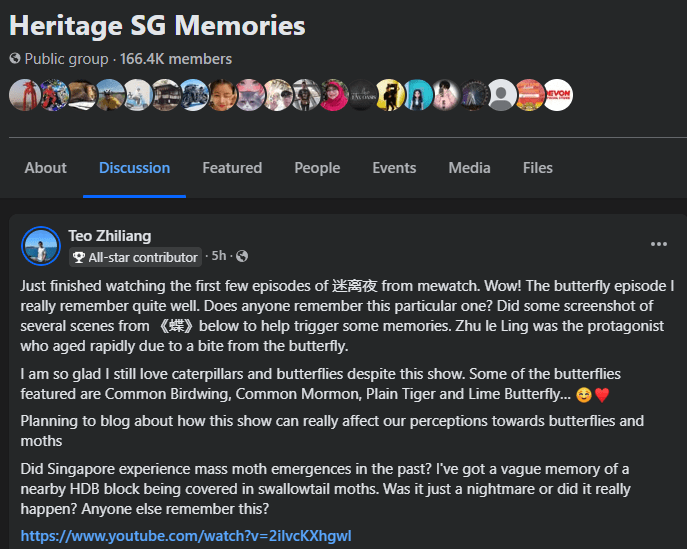
Almost immediately after publishing, a flood of comments poured in. Many adults expressed that they (and their friends) still harbour a sense of fear towards butterflies, attributing this lingering unease directly to the show. As I am writing this blog post, more Singaporeans have commented about their fear towards butterflies, including grown adults (they were children when they were watching this show in the late 80s). Apparently, some Malays also expressed their fear for butterflies as during the 80s and 90s, many Malays did watch shows from the Chinese channels.

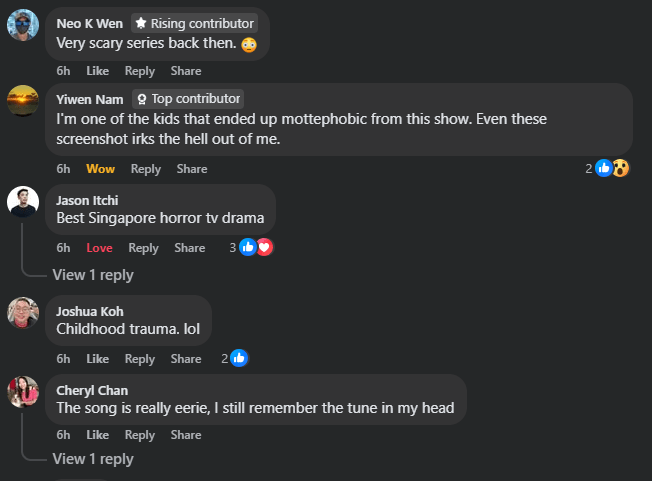
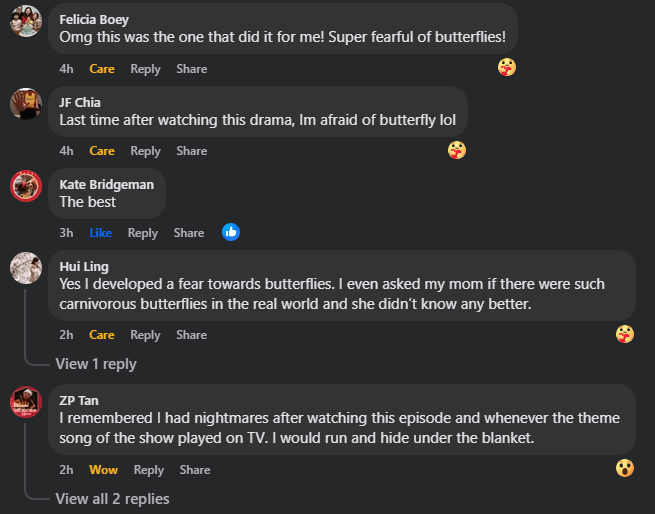
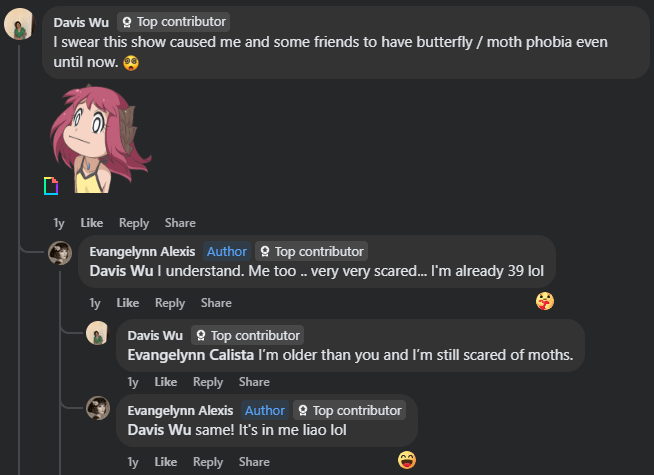
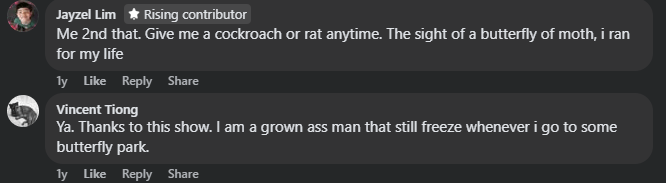
The impact of “迷离夜” on our collective psyche demonstrates how powerful media can be in forming our understanding and fears, especially when combined with limited access to factual information about nature. This experience serves as a fascinating example of how cultural narratives can sometimes overshadow scientific knowledge, leading to unexpected consequences in our relationship with the natural world.
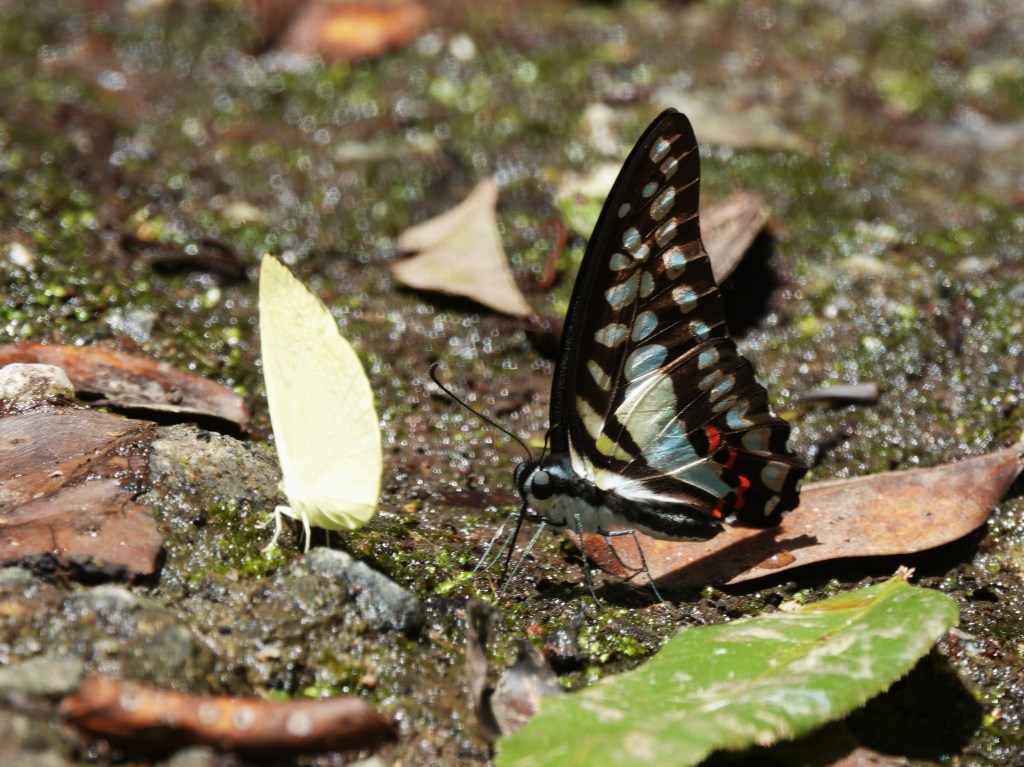
Fortunately, I’ve since overcome my fear of butterflies, largely due to my growing interest in nature. By acquiring knowledge and gradually rewiring my brain with facts, I’ve been able to engage my prefrontal cortex, allowing me to approach these insects with a more rational perspective. In fact during my recent visit to Thomson Nature Park, I spent more than 30 minutes this morning admiring a beautiful Common Jay Butterfly (Graphium doson).
Fear of Moths
While ‘迷离夜’ focused on butterflies, its impact extended beyond these diurnal insects to their (predominantly) nocturnal cousins: moths. Despite not being featured in the show, moths often bear the brunt of butterfly-induced fears, perhaps due to their similar appearance and nocturnal habits. Let’s explore how this fear has manifested in relation to moths and the unique challenges they present to those grappling with lepidopterophobia.
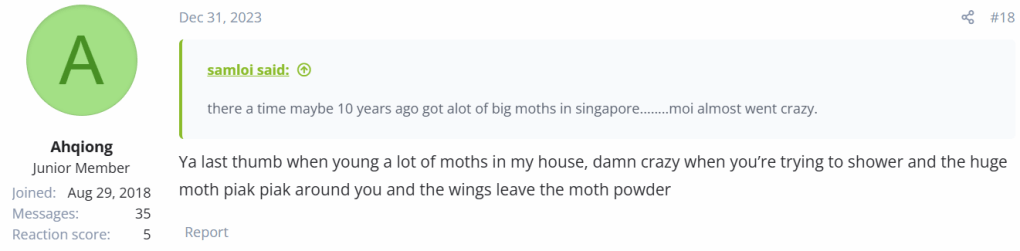
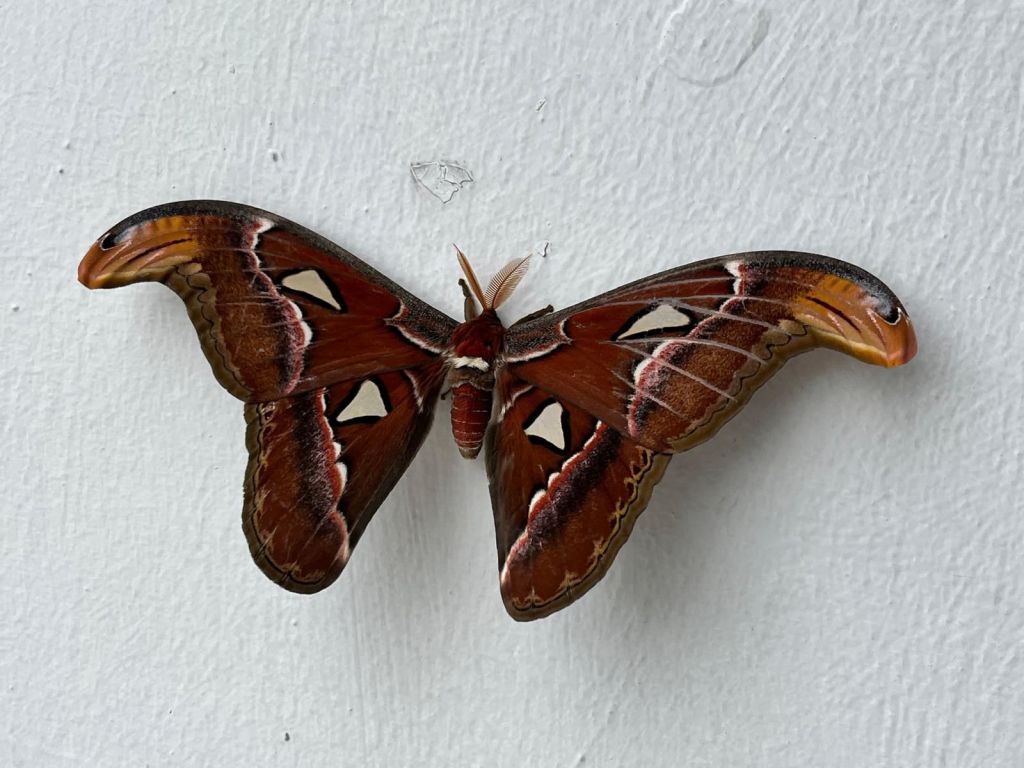
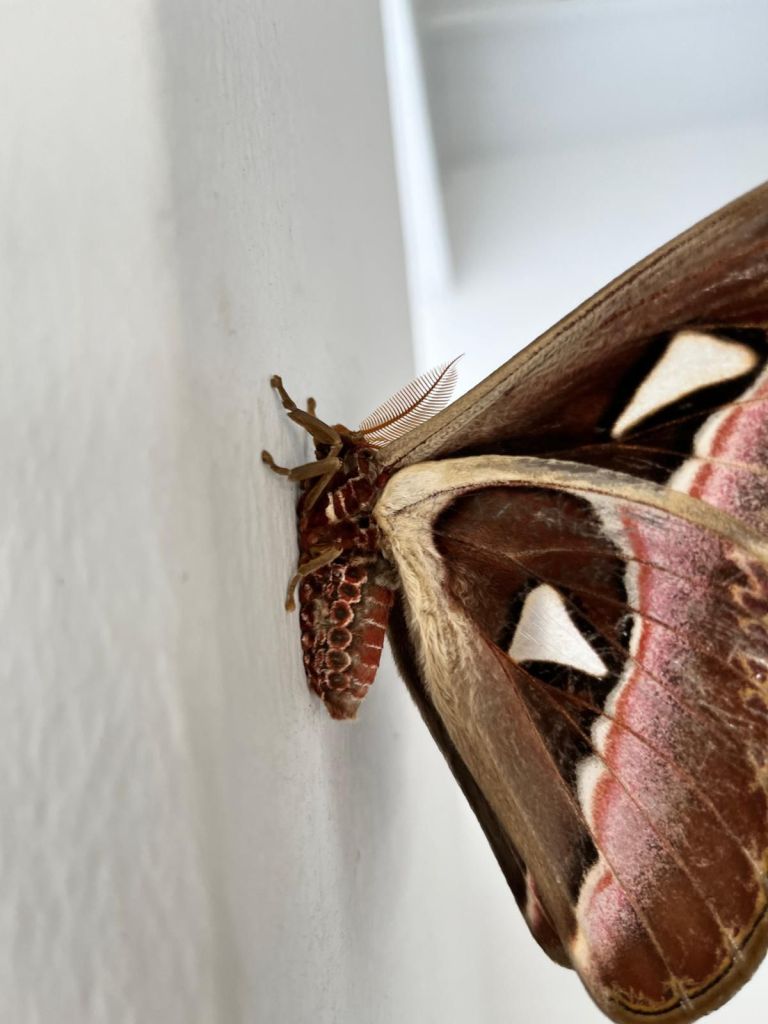
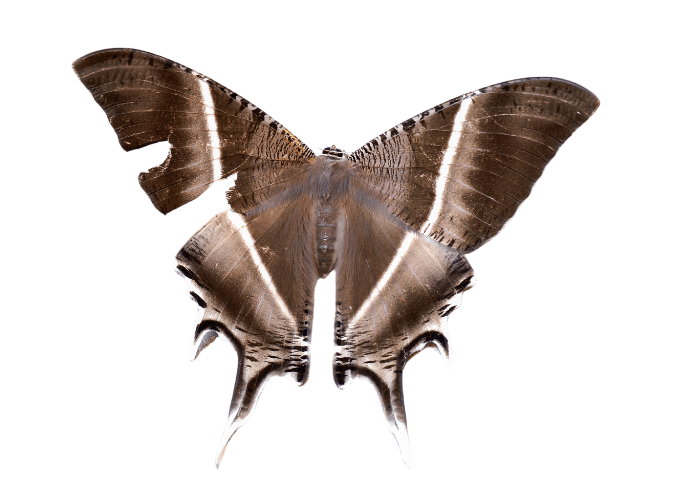
In many Asian societies, moths have long been associated with death and the supernatural realm, a connection stemming from various cultural beliefs and superstitions. In countries such as the Philippines, Malaysia, and Singapore, moths are often perceived as the souls of the departed. Reports of certain moths appearing during wakes or funerals have led many to believe these insects embody the spirits of the deceased, returning to comfort or bid farewell to their families. Similarly, in some parts of China, large moths are considered harbingers of death, their presence interpreted as a sign that someone in the household will soon pass away.
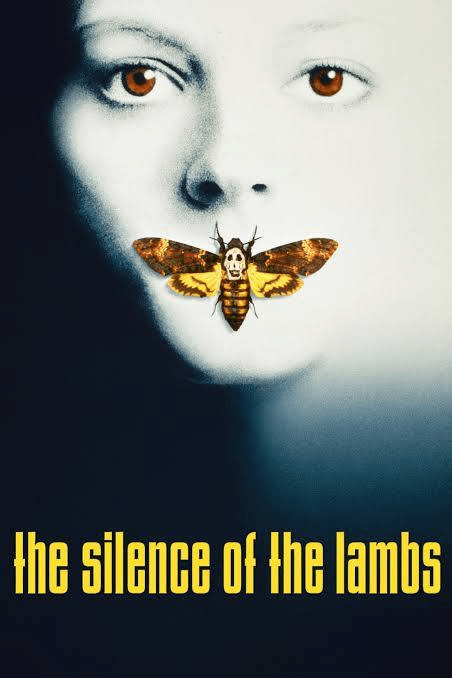
This eerie association is further intensified by the presence of moths that seem to bear facial features resembling death, particularly the Death’s-head Hawkmoth, which can be found in Singapore. Its distinctive skull-like pattern on the thorax adds a chilling dimension to the already superstitious perceptions surrounding these nocturnal insects. No wonder it is commonly known as an omen for death.

A common misconception that has persisted in various Asian countries is the belief that the ‘powder’ from moth wings can cause blindness if they come into contact with human eyes. This unfounded fear has led many people to avoid moths or react with panic when encountering them. In reality, the powder-like substance on moth wings is actually composed of minuscule scales, which are modified hairs. Both moths and butterflies are part of the Lepidoptera order, a name that translates to ‘scale wing’. These scales not only provide pigmentation but also create intricate wing patterns through light diffraction. (here is a source to read more about the scales of moths and butterflies). They are harmless and do not pose any threat to human eyesight. The origin of this myth is unclear. Despite the lack of scientific evidence supporting this claim, the belief continues to contribute to the fear and misunderstanding surrounding moths in many Asian communities.
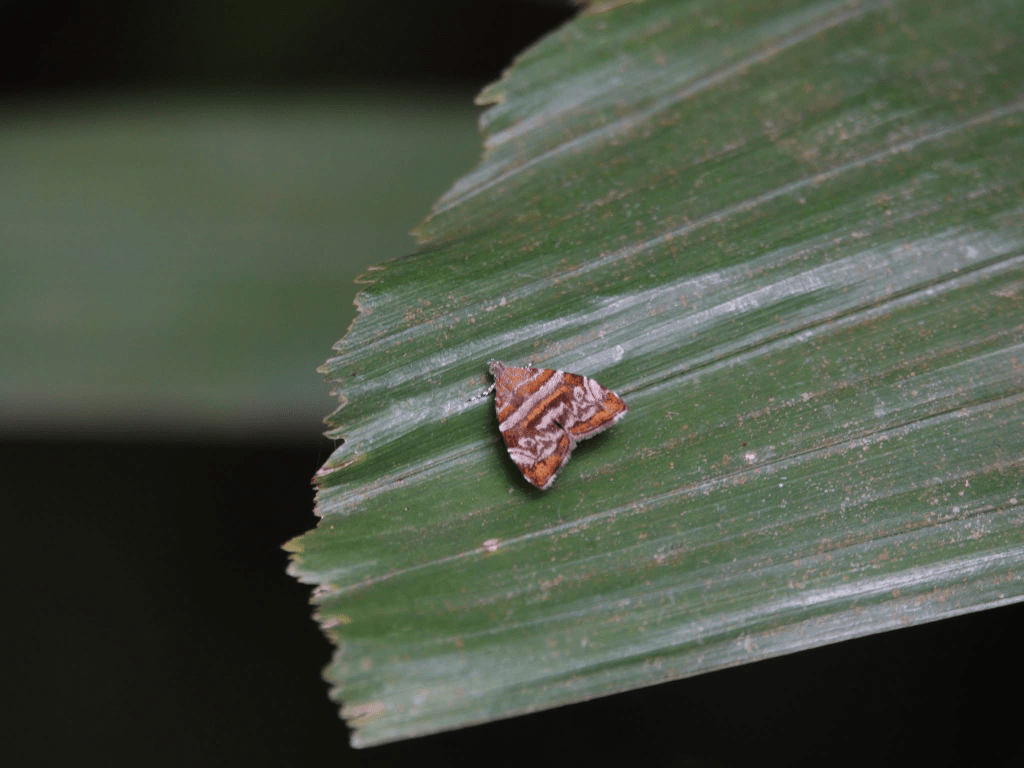
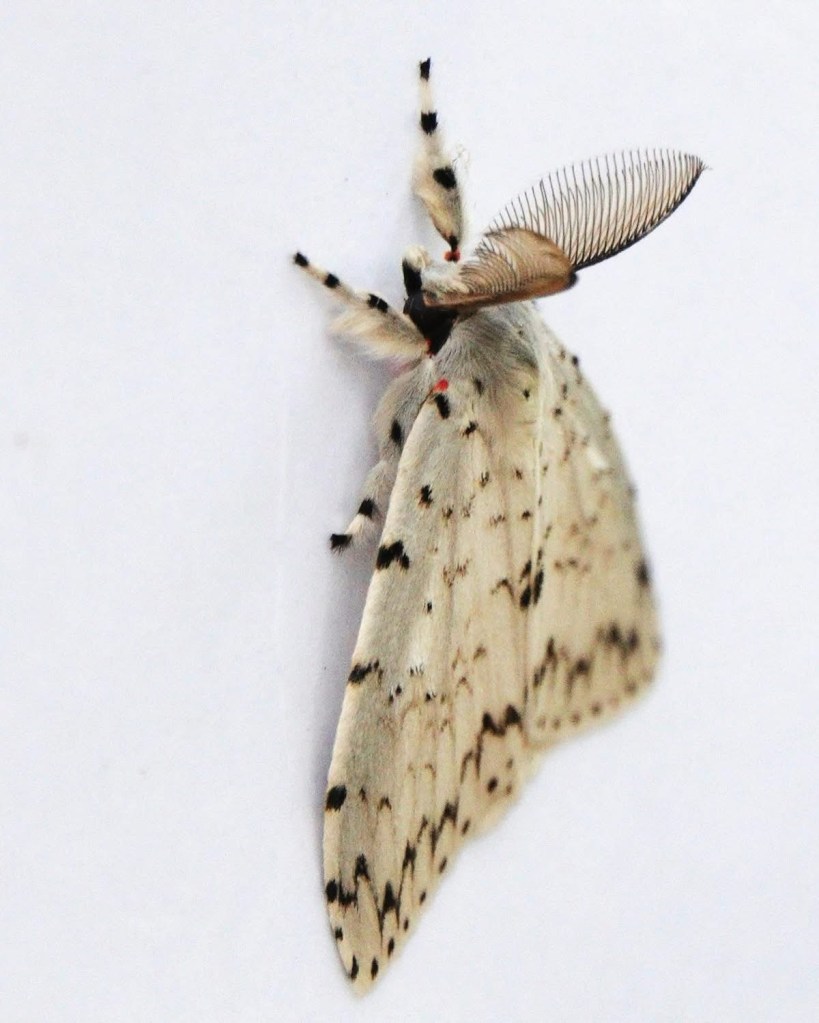
Moths (other than a few species that do not feed at all such as the Atlas Moth and the beautiful Luna Moth) play a crucial role in pollination, often surpassing the efficiency of their daytime counterparts like bees – moths have been found to pollinate flowers more quickly than day-flying insects. Research from the University of Sussex revealed that while moths accounted for only 15% of visits to bramble flowers, they were more efficient pollinators. This nocturnal contribution is particularly vital for maintaining biodiversity and supporting ecosystems. Their pollination services extend to a diverse range of plant species, including some that may not be adequately served by diurnal pollinators (refer to reference article from Butterfly Conservation here)
Fear Towards the ‘Known’
Fear is often associated with the unknown, looming uncertainties of the future. However, as we’ve seen with the case of butterflies and moths, it can also stem from what we think we know. Misconceptions, whether born from cultural beliefs, media portrayals, or misunderstood experiences, can lead to irrational fears of even the most harmless creatures. By understanding the true nature of these insects and their vital roles in our ecosystems, we can work to overcome these unfounded fears, appreciating the beauty and importance of butterflies and moths in our world.
Written by Lucas
 birdbrainsg