The mango tree at 125 Bukit Merah Lane 1 is a renowned hotspot among Singapore’s birding community, attracting a variety of species such as the Coconut Lorikeet (Trichoglossus haematodus), Blue-Crowned Hanging Parrot (Loriculus galgulus), Black-Naped Oriole (Oriolus chinensis), Asian Glossy Starling (Aplonis panayensis), Javan Myna (Acridotheres javanicus) etc.
I challenge all birders and nature enthusiasts to explore fruiting mango trees in their area – these birds might be living right on your doorstep! Here’s an example from Bukit Panjang, right beside a shopping mall.
Just yesterday, as I walked by the tree, I caught a whiff of sweet scent and spotted half-eaten fruits. As it was already 6:00 pm and birds were scarce, I was surprised to find a Lesser Dog-Faced Fruit Bat (Cynopterus brachyotis) feasting on a mango.
This species of bat is highly adaptable to urban spaces and is, in fact, the most commonly spotted bat species in Singapore.
A few months back, when the mangoes were ripe, many birds flocked to this particular mango tree to feast, particularly in the mornings. On one such morning, I recorded the following bird species visiting the same tree in Bukit Panjang.
Black-Naped Orioles have a clear fondness for mangoes! I’ve affectionately nicknamed them the “Wolverine” due to their striking yellow plumage, which reminds me of the iconic X-Men character’s costume.I spotted two Coconut Lorikeets regularly visiting this mango tree, and here’s one of them in action! Looks like it’s time for a cleanup – this bird is definitely a messy eater!Here’s a lovely female Blue-Crowned Hanging Parrot! While they’re often heard flying between spots, the best opportunities for photography are usually near mango trees located close to carparks or HDB corridors. In more natural settings, I tend to find them high up in the canopies of ficus trees, feasting on tiny figs.The Blue-Crowned Hanging Parrot gets its name from the distinctive blue crown found on males – which this one lacks. So, it’s pretty clear that this is a female!A Spotted Dove waiting for its turn to feast on the mangoes.Catching the sun’s rays, Asian Glossy Starlings can reveal their stunning iridescent green feathers (not in this case though) – and their love for mangoes is undeniable!When I first started birding, this species was still referred to as the Olive Sunbird – now it’s known as the Ornate Sunbird. Interestingly, I did spot one in the same tree, although it wasn’t feeding on the mangoes this time.The Javan Myna is another common sight on our local mango trees. Hey! Where is our own native Common Myna? In this case, it looks like a curious juvenile might be waiting for its parents to bring it some mango treats!And how can we forget the Yellow-Vent Bulbuls? They’re definitely enjoying their share of mangoes at this buffet!Well! Our winged friends also love the remains of the mango. An unidentified butterfly and possibly a wasp/hornet at the bottom of the picture. A special guest joins the party! This Sunda Pygmy Woodpecker isn’t here for the mangoes, but rather to lend a beak in pest control – a welcome helper for the mango tree! One of my favorite woodpeckers in Singapore, for sure!And of course, a common sight to see the weaver ants’ nest on mango trees!
In fact, when my friend visited the same tree the next morning, he spotted even more species, including a Common Iora (Aegithina tiphia) and a Pied Triller (Lalage nigra), in addition to all the birds I previously mentioned.
Let’s open our senses to the world around us! Notice the mango trees in your neighborhood – are they fruiting? Can you catch the sweet scent wafting from them? And do you hear the lively, screeching calls of the birds?
I challenge you to find your own mango tree teeming with life – I’m sure it’s waiting to be discovered!
While conducting nature guiding walks, one of the biggest concerns is often ‘Will the birds show up?’ After gaining a deeper understanding of relationships among the flora and fauna species within any ecosystems, I have come to realise that if birds are elusive, I can instead look for the tree species they tend to frequent. Trees, after all, provide a more reliable presence (barring events like lightning strikes or removal by authorities for various reasons).
One of the tree species I often look out for bird sightings is the Albizia Tree, specifically Falcataria falcata (see link from uforest for more detailed documentation of its physical features). Typically seen from a distance from boardwalks in nature parks or park connectors within secondary forests, these trees are notable for being among the world’s fastest-growing species (can reach maturity within 5 years), which has led to their popular use in reforestation projects.
So why are Albizia trees often located away from areas with high human traffic? It’s because they belong to the softwood species, characterised by low-density wood and a shallow root system. These features make them vulnerable, especially in a tropical equatorial climate with frequent lightning, heavy rainfall, and strong winds that can cause breakage of branches and uprooting due to soil erosion. Thus, many of those grown nearer to human traffic may have already been removed over the years. In fact, after googling more about the tree species, I found an article regarding NParks removing a patch of Albizia trees at the Bukit Batok Nature Park in 2017 due to safety concerns (See link). And specifically 10 years earlier in 2007, a Singaporean was crushed to death by a toppled Albizia tree, with two others injured (see link).
The two ways to identify an Albizia tree is its small compound leaves, smooth greyish bark. The other prominent features will be the tree cavities and broken branches. Read more to find out why.
Interestingly, the same characteristics that make Albizia trees potential safety hazards for humans also make them attractive to certain bird species, such as Lineated Barbets, Banded Woodpeckers, Long-Tailed Parakeets, Hill Mynas and Oriental Pied Hornbills (there may be many others which I have yet observed). The reason lies in the tree’s softer, lower-density wood, which is easier for woodpeckers to excavate cavities for nesting. Barbets may also exploit the more brittle or damaged areas with portions of dead wood to create their own cavities. In contrast, mynas, parakeets and hornbills often rely on existing cavities, using those vacated by other birds for nesting though they do have strong beaks to further shape the holes. Thus, the mynas, parakeets and hornbills are known as “secondary cavity nesters” i.e. they utilise cavities that have already been created by birds with strong beaks that are built for such purposes.
A Banded Woodpecker looking out of the cavity along Daily Farm Nature Park (between Singapore Quarry and MOE Dairy Farm Outdoor Adventure Learning Centre).A Long-Tailed Parakeet peering out from its home. There are so many other cavities above it. This explains why the integrity of the tree structure may be weak and hence a safety hazard.Two Long-Tailed Parakeets on an Albizia tree in either Rifle Range Nature Park or Hindhede Nature Park (I have forgotten where exactly I took this photograph).A Lineated Barbet further excavating a hole at Bidadari Park. It is not known if this is a dead Albizia that have been left there for birds to perch and nest (the bark seems too rough to be one). Bidadari used to have many Albizia trees before the park was opened (You may refer to one of the photographs from uforest)
The sparse foliage at the canopy of the Albizia tree also makes it an ideal spot for birders to look for raptors, which often perch on the tree’s horizontally stretching branches. This vantage point likely provides the raptors with an unobstructed view of potential prey from a significant height, a luxury not afforded by trees with denser canopies where leaves and branches would block their line of sight. In fact, the height, shape and structure of the branches also encourage raptors to construct their eyries on the Albizia canopy. This has been well-documented by many others. Below are some of the photographs taken by Gabriel and I that illustrate the above points.
An Oriental Pied Hornbill and a White-Bellied Sea Eagle perched on a dead Albizia tree in Punggol. Although the smooth grey bark hints at the tree’s identity, confirmation would ideally require the presence of leaves.A closer view of the smooth bark.A Changeable Hawk Eagle (dark-morphed) perched on an Albizia in Chua Chu Kang. (Photo by Gabriel Kang)The majestic pose of the Changeable Hawk Eagle. You can see the small leaflets of the Albizia in the background. (Photo by Gabriel Kang)Indeed, the Albizia tree is a favourite nesting place for raptors. You can see the eyrie (raptor’s nest) on this particular one in Chua Chu Kang. (Photo by Gabriel Kang)
I have also found a well-documented article from the journal publication “Nature in Singapore”, published by NUS whereby the Changeable Hawk Eagles and the Oriental Pied Hornbills nested on the Albizia in the Dover Forest. It is an enjoyable read for those who would like to find out more. (Click here to access the article)
In conclusion, the Albizia tree presents a complex trade-off between supporting biodiversity and posing safety risks to humans. Effective management of this dilemma requires a collaborative approach, with NParks working closely with the community and various stakeholders to make informed decisions that balance human safety with environmental conservation. Education plays a crucial role in this process, helping people understand the reasons behind tree removal and the importance of prioritising safety while supporting species biodiversity. For nature guides and birders, I hope this post provides valuable insights and fosters a deeper appreciation for the importance of flora in supporting the fauna we admire. Don’t forget your binoculars, as these trees are often located at a distance from walking paths for reasons already mentioned.
Thank you Siyang for providing information about the Albizia trees and Gabriel for the wonderful photos of the Changeable Hawk Eagles.
Just One Tree’ is a blog series that explores how individual trees support life. Each post delves into the unique ecosystem centered around a single tree, showcasing its vital role in sustaining various forms of life.
In this inaugural post of the series, I spotlight a particular tree along Upper Serangoon Road. I discovered this arboreal wonder while cycling to buy the famous Yong’s Teochew Kueh for my parents on the 9th January 2025. The tree stands within the vicinity of Anderson Serangoon Junior College (formerly Serangoon Junior College, where I studied for three months before transferring to Anderson Junior College in Ang Mo Kio in 1999).
What caught my attention was the tree’s unusual appearance – it was completely stripped of its leaves. My immediate reaction was one of concern and curiosity: What had happened to this tree?
Upon closer observation, I noticed dangling aerial roots, a characteristic feature that left no doubt about its identity. This tree is a Ficus species, most likely a Ficus microcarpa, as it is one of the most common Ficus species grown in urban areas.
The location of the tree is pinned. I documented the details about this tree at the bus stop area on the 9th Jan 2025. (Source: Google Map)By referring to Google Streetview, I caught a glimpse of the tree’s former splendor. Examining its structure and leaf arrangement, I was able to rule out Ficus benjamina, as it lacks the characteristic droopy appearance. Unfortunately, the resolution wasn’t sufficient to discern the leaf shape, making a definitive identification impossible. (Source: Google Street View)The fate of the entire tree as of January 2025: The visible green patches belong to an unknown climber and some epiphytic plants, not to the Ficus itself.There are other flora species at the base of the Ficus. On the left, it looks like a Noni tree (Morinda citrifolia) with a palm species growing below it. On the right is probably a wild cinnamon tree (Cinnamomum iners).
What’s Causing the Treeto Become Botak?
I parked my bicycle at the bus stop and approached the fence. Immediately, I found the answer: caterpillars! And not just any caterpillars, but Clear-Winged Tussock Moth (Perina nuda) caterpillars. Also known as the Banyan Tussock Moth, they weren’t just crawling all over the fence; they were also on the bus stop, the walkway shelter, and even on the ground.
As I was photographing them, one fell on my neck. I instinctively brushed it away in fright, worried that its bristles might cause an allergic reaction (fortunately, they didn’t).
Sighted the first one on the fence.You can see 5 of them of varying sizes on the metal pillar of the sheltered walkway. There are also a couple of flattened ones on the walkway, either unknowingly crushed by bicycles, PMDs or pedestrians. This particular pupa at the top of the sheltered walkway has already eclosed (i.e. emerged as a moth).More pupae on the Wild Cinnamon PlantAnd a lot more on the Noni plant too.
Predators of the Caterpillars: A Search for Evidence
Having previously observed numerous cuckoos feasting on Phauda flammans caterpillars infesting a Ficus microcarpa in Jurong Lake Gardens, I hoped to see more cuckoos on this tree. I scanned closely for any fleeting movements against the bright afternoon sun. Instead of cuckoo-sized birds, I spotted two flycatchers darting around in their signature fly-catching moves, repeatedly returning to their ‘favorite’ perches after aerial forays.
Initially, I expected both to be common migrants – Asian Brown Flycatchers (Muscicapa dauurica). To my surprise, one of them has an orangey throat! It was a female Mugimaki Flycatcher (Ficedula mugimaki)! Interestingly, this uncommon visitor appeared very drowsy, frequently closing its eyes while perched on a branch.
I first sighted an Asian Brown Flycatcher flying around the tree. But I was not able to document if it ate any of the caterpillars or its adult moth. A Mugimaki Flycatcher on a tree along the highly urbanised Upper Serangoon Road.How cute it is with its eyes closed. A front view of the tired Mugimaki Flycatcher.It occasionally opened its eyes before flying to another branch.
Without photographic evidence of either flycatcher species feeding on the Clear-Winged Tussock Moths or their caterpillars, I couldn’t conclude whether these hairy caterpillars are part of their diet. This is in contrast to cuckoos, which have been documented feasting on Clear-Winged Tussock moths in my previous blog post. Nevertheless, I am quite positive that the flycatchers may be feeding on the smaller caterpillars or even the adult moths.
A Black-Naped Oriole was observed to be consuming something. But due to the many obstructing branches, it was impossible to get a clearer shot of the content it was feeding on. Nevertheless, I have seen orioles eating all sorts of caterpillars so I am sure it does consume the Tussock Moth caterpillars.
While photographing, an attendant, possibly ASRJC’s Operations Manager, approached and spoke with me. He shared his recent discovery of the infestation and mentioned that despite spraying copious amounts of pesticides, the caterpillars persisted. I suggested letting nature take its course, pointing out the presence of three insectivorous birds in the tree during our conversation as evidence of nature’s self-balancing mechanisms.
After capturing over a hundred photographs, I finally departed to purchase the Teochew kuehs. Just thinking about the Koo Chai Kueh (Teochew Chives Dumpling) is making my mouth water now.
Takeaway for Readers: Ficus – Nature’s Keystone Species
Ficus trees are commonly recognised as ‘keystone species’ – organisms that have a disproportionately large impact on their environment relative to their abundance. If removed, these trees can cause significant changes within the ecosystem. Given their elevated status in the ecological hierarchy, it’s always worthwhile to take a closer look at Ficus trees. By doing so, you’ll learn to appreciate how they support a diverse array of fauna species.
For wildlife photographers, learning to recognise different Ficus species can be immensely beneficial. These trees are often hotspots of biodiversity, attracting a wide variety of birds, mammals, and insects. By identifying Ficus trees in your area, you can increase your chances of capturing diverse wildlife interactions and behaviours. Whether you’re interested in photographing fruit-eating birds, nectar-feeding insects, insectivorous birds or even arboreal mammals, Ficus trees can serve as natural wildlife magnets, providing you with excellent photographic opportunities throughout the year.
Update: 24th March 2025
A wildlife enthusiast (Lui Nai Hui) just shared two photographs of a male Narcissus Flycatcher, Ficedula narcissina, spotted in Dairy Farm Nature Park) munching on a Stinging Nettle Slug, a caterpillar that has painful stings with venomous hairs.
These photo-evidences clearly demonstrate that Flycatchers, like cuckoos, can consume potentially venomous caterpillars. Based on this observation, I am confident that both the Asian Brown Flycatcher and the Mugimaki Flycatcher fed on the Clear-Winged Tussock Moth caterpillars infesting the tree.
One evening, as you stroll along a quiet street, a distinct aroma catches your attention – a sweet floral scent fills the air. Without giving it much thought, you continue your walk. Suddenly, the sweet fragrance is replaced by a peppery, musty, and pungent odor that wafts through the night air.
Your mind briefly recalls old tales linking nighttime flower fragrances to supernatural presences. One such legend speaks of the frangipani scent associated with the Pontianak, a vampiric ghost of a beautiful woman who died during childbirth. According to folklore, when that sweet scent turns pungent, it signals that the Pontianak has become vengeful and is approaching fast.
One of the many books on Pontianak that I had in my teenage days, which has contributed to my fear of flower scent at night.
A shiver runs down your spine, and goosebumps prickle across your skin. Your breathing quickens, and with each rapid inhale, the scent seems to intensify, filling your senses with its mysterious fragrance.
You remember some advice given from Russell Lee’s True Singapore Ghost Story Book – Do not look back or look up or you may see something you do not want to see, perhaps on the tree. Or some old wives’ tales – Do not shine your torchlight at the trees or else you may see the evil spirit and further aggravate it.
Tapping on Your Rationale Brain with Flora Knowledge
If you do have a torchlight with you and choose to disregard those warnings, you may spot clusters of tiny yellowish-green flowers on a few tall, sturdy trees nearby. This tree is the Alstonia scholaris, more commonly known as the Indian Pulai, and ominously referred to as the Devil Tree or Satan Tree, for reasons previously mentioned.
The greenish-yellow flower clusters of the Alstonia Scholaris. Do you notice the leaves are held together in clusters as well? Photograph taken in Bukit Panjang. Commonly planted in our neighbourhoods.
Should you retrace your steps, you’ll likely notice some Frangipani trees (Plumeria obtusa) in the vicinity, their fragrant flowers in full bloom.
Frangipani trees are also planted in many HDB estates.
The shift in scent is likely due to your proximity to two types of trees commonly found along pavements in housing estates and roadsides. Specifically, the overpowering fragrance of the Alstonia tree is probably the culprit, and you’re not alone in finding it overwhelming – many people share your aversion to its exceedingly pungent aroma. It is so smelly that a city in south-central Vietnam cut down over 3,000 trees (out of the 4,000 planted) in 2015 due to their overpowering and unpleasant smell, which has become unbearable for local residents (Click here for source).
In fact, the tree’s strong odour has led to some rather colourful nicknames. While we’ll refrain from mentioning the more crude monikers, it’s worth noting that the tree’s distinctive scent has certainly made an impression, inspiring a variety of descriptive (if not always flattering) names (You may refer to a reddit discussion on Alstonia Scholaris here)
Why Some Flowers Emit Strong Scent at Night?
You might still wonder, “Why is the scent so strong at night? It must be something supernatural?” The answer lies firmly in the realm of science, not the supernatural. Understanding nocturnal plant behaviour reveals a hidden world of ecological interactions that occur while most of us sleep.
Plant pollination takes on a different character after sunset, with specialised night-active insects and animals playing crucial roles. The strong nighttime fragrance isn’t a ghostly phenomenon – it’s a sophisticated biological mechanism.
Why do both the Plumeria and the Alstonia expend so much energy producing scents at night? After all, aren’t most butterflies and bees inactive during these hours? The answer lies in these trees’ fascinating relationship with nocturnal pollinators.
Some sphinx moths (also known as Hawkmoths), for instance, the Oleander Hawk Moth and the Yam Hawk Moth with their impressively long proboscises, are perfectly adapted to feed on and pollinate night-blooming flowers. (Note that not all hawk moths are nocturnal; some species, such as the hummingbird and pellucid hawk moths, are active during the day. Additionally, not all moths are pollinators, as some species lack a functional mouthpart for feeding, for instance, the Atlas Moth). These moths, along with certain species of bats, form a crucial link in the chain of nocturnal pollination. By releasing their potent fragrances after dark, the Plumeria and Alstonia trees have evolved to attract these nighttime visitors, ensuring their continued reproduction and survival.
Yam Hawk Moth – A night dwelling moth that helps with pollination in the wee hours. The Lesser Dog-Faced Bat is a common sight, even in our urban areas. While I couldn’t find specific documentation of this species contributing to pollination, fruit bats in general do play a role while feeding on nectar.
These night-active pollinators are attracted to the strong scents and large, robust flowers of plants like Plumeria and Alstonia. While feeding on the nectar, they are also unintentionally transferring pollen from flower to flower, ensuring the plants’ reproduction.
Some Interesting Features of the Alstonia and Plumeria
The species name “scholaris” reflects the tree’s historical significance in education. Traditionally, its wood was used to craft slates for schoolchildren’s lessons, and it was also a preferred timber for making pencils. Interestingly, local lore suggests that the fragrance of the tree’s flowers had cognitive benefits, improving learning for those who sat beneath its branches. However, this notion is likely met with skepticism by many, as the scent of the flowers is often described as pungent and overpowering, rather than invigorating or conducive to learning.
There is another common name for the Alstonia tree i.e. saptaparni (in sanskrit), which literally means seven-leaves tree as the Alstonia’s leaves are held in clusters, usually adds up to 7. However, it is not always the case as botanically, it ranges from 4-8. For more interesting features of Alstonia Scholaris, click here to read more.
See the clusters of 7 leaves, which isn’t always the case though.
On the other hand, the Plumeria has deep cultural and historical roots, symbolising the exotic Oriental ‘East’ for centuries. This symbolism has been perpetuated in outdated tourism imagery, which often features bikini-clad, brown-skinned women adorned with frangipani flowers in their hair, reinforcing a problematic and stereotypical representation of tropical cultures. Ironically, the Frangipani actually originates from the tropical regions of South America – the ‘West’. For a more nuanced understanding of the Frangipani tree’s cultural and historical significance, click here for a recommended read.
Conclusion
The next time you catch a whiff of sweet fragrance, that suddenly turned pungent on a nighttime walk, remember – you’re not experiencing something supernatural, but rather witnessing an age-old dance between plants and their pollinators. This nocturnal plant behaviour, far from being ominous, is a testament to the incredible adaptability and ingenuity of nature.
Mutualism in natural science refers to a symbiotic relationship between two different species where both organisms benefit from the interaction. This type of relationship is widespread in nature and plays a crucial role in many ecosystems.
Treehoppers (Membracidae) are small, fascinating insects known for their unique appearance. These tiny bugs, usually smaller than a fingernail, have unusual protrusions on their backs that help them blend in with plants. They use their sharp mouthparts to feed on tree sap, which can sometimes make them a nuisance to gardeners. With thousands of species worldwide, these odd-looking insects continue to intrigue both scientists and nature lovers, showcasing the incredible diversity of the insect world. In this post, I will be documenting the symbiotic relationship between treehoppers and ants, which is observed in Singapore.
An unidentified treehopper.
A Moment in Nature
In the fascinating world of insect interactions, treehoppers and ants have developed this mutually beneficial relationship. During a recent visit to Thomson Nature Park in Singapore, I observed a remarkable example of this symbiosis on the Singapore Rhododendron shrub (Melastoma malabathricum). The same observation was also recorded in Pulau Ubin on a Melastoma.
Singapore Rhododendron shrub (Melastoma malabathricum). Photo taken in Dairy Farm Nature Park.
A group of Red Weaver Ants (Oecophylla) was actively tending to numerous unidentified treehoppers along the plant’s stems. Upon closer inspection, it became apparent that the ants were gently stimulating the treehoppers, encouraging them to secrete honeydew – a sweet, nutrient-rich liquid that the ants consume.
Red weaver ants were actively ‘milking’ treehoppers for their honeydew, while a weevil stood by. Have you observe the bizarrely shaped pronotum on the treehoppers? That is where the two ‘horns’ are located. Photo taken along Old Upper Thomson Road.
Treehoppers benefit from the Red Weaver Ants’:
Protection from predators and parasites
Care for treehopper nymphs
Red Weaver Ants benefit from Treehoppers’:
Honeydew, a sweet substance excreted by treehoppers, which serves as a valuable food source
Another mutualistic relationship between the Red Weaver Ants and the Treehoppers (possibly Nilautama minutispina Funkhouser) was documented in Pulau Ubin. Photo Credit: Gabriel Kang
Next time you’re out in nature, take a moment to look closely at the plants around you. You might just witness your own example of mutualism in action between a treehopper and some ant species!
What About other Hoppers?
At this juncture, I am unsure if there are any mutualistic relationship between these other hoppers and ants.
Now, let us dwell into some basic background knowledge on leafhoppers, froghoppers and planthoppers, at least by their common names.
These other hoppers belong to the order Hemiptera, commonly known as True Bugs. These insects are characterised by their sucking mouthparts and a developmental stage called “nymph” before reaching adulthood. While Leafhoppers, Treehoppers, and Spittlebugs share a closer evolutionary relationship with Cicadas, Planthoppers are slightly more distant relatives within the order. As their names suggest, most possess the ability to jump, which aids in their survival and dispersal.
Captured in various locations across the island of Singapore, these images of planthoppers, froghoppers and leafhoppers offer a glimpse into the unique characteristics and behaviors of these intriguing insects.
Planthoppers have antennae attached below the eyes, on the sides of the head.
Planthopper, Ricanula stigmatica.Planthopper Ricanula sublimata. Another one from the Ricanula genus that mimics moths. Probably the biggest one I have seen so far.Long-nosed planthopper, Dictyopharidae Raivuna Derbid Planthopper. This one holds its wings in a V-shaped.Planthopper nymph, likely from the Flatidae family
While hiking, if you notice what appears to be spit on a plant stem, gently remove some of the froth to reveal the tiny culprit: a soft-bodied, wingless nymph of a froghopper (spittlebug). As they mature, froghoppers develop a distinctive “frog-like” appearance, with a wider rear end than front, and impressive jumping ability.
Protective ‘spit’ that gives the froghoppers its spittlebug ID.Plinia ampla. Froghopper (Spittlebug)Clovia sp. Froghopper (Spittlebug)Ptyelinellus praefractus Froghopper (Spittlebug)
Leafhoppers may be mistaken for cicadas due to their similar body shape, but are much smaller. To identify them, look for the distinctive rows of tiny spines on the hind legs, specifically on the shin area. Their bodies tend to be straight-sided or tapered toward the rear.
Bothrogonia addita, also known as ‘Orange Sharpshooter’, is another leafhopper that is longish with a tapered end. Unknown leafhopper. Photo taken in Singapore, Dairy Farm Nature Park. A top view of the leafhopper to appreciate its tapered back.
Remember those colourful Panini sticker albums from the 80s and 90s? They weren’t just fun collectibles – they played a surprising role in nurturing a generation’s love for wildlife and nature! For many of us, these sticker books were our first window into the fascinating world of animals, sparking curiosity and passion that would last a lifetime.
A page from “The World of Survival” by Panini.
In those pre-internet days, our Panini sticker books held an even more special place in our hearts and minds. Without the instant access to information we have today, we couldn’t just Google what a particular creature looked like or how it behaved. This limitation turned each new sticker into a thrilling discovery. When we finally got that sticker of an animal we’d never seen before, it was like unlocking a secret of the natural world.
My own journey into the world of Panini stickers began with a humorous misunderstanding. At a local shop in an old Hougang Estate (Block 11A, now demolished), I eagerly asked for the “Our World of Endangered Species” sticker album. The shopkeeper, bless her heart, misunderstood completely. She thought I was asking for an ‘inappropriate’ magazine, likely confusing it with “Her World”! It took some browsing and pointing to the actual album before she realised her mistake and allowed me to make my purchase. That small incident marked the beginning of my Panini sticker collecting adventure and, unknowingly, set me on a path to a deeper interest in wildlife.
Block 11A in an old Hougang Estate which has since been demolished.Took a few photographs of this memorable place where I bought my wildlife related panini stickers from before it finally closed down and demolished.
Panini’s wildlife sticker books brought the animal kingdom right into children’s hands. Each vibrant sticker showcased a different creature, accompanied by fascinating facts. As we eagerly filled our albums, we were unknowingly embarking on a global wildlife tour. These weren’t just pictures – they were gateways to understanding the diverse and sometimes threatened animal kingdom.
My personal collection – “The World of Survival” which was sold in Singapore in the late 80s.
Popular titles, available in Singapore, like “The World of Survival” and “Our World of Endangered Species” became treasured possessions. Despite their cost, these sticker books provided the perfect blend of entertainment and education. We absorbed knowledge about various species, their habitats, and even snippets of conservation issues, all while enjoying the thrill of collection.
The stickers of the wildlife have been classified under different habitats.
The excitement extended beyond personal collections, transforming the playground into a bustling marketplace of childhood treasures. Trading missing stickers with friends became a cherished ritual, much like the exchanges of country erasers, marbles, and stamps that defined our school days.
The pursuit of completing our albums led to some entrepreneurial endeavours among classmates, with some young minds setting up impromptu sticker ‘shops’. However, these budding businesses were short-lived, as the school’s vigilant discipline mistress swiftly clamped down on student-to-student sales. I vividly remember the day a stack of my precious Panini stickers was confiscated, purchased from a classmate who displayed remarkable business acumen at such a tender age. Despite the risks, these small acts of rebellion only heightened the thrill of the chase, adding an extra layer of excitement to our quest for a complete collection, which never did happen. Haha.
Boys will be boys! I couldn’t resist the allure of the more dangerous creatures in my sticker collections. The cobra, scorpions, and spider stickers were always among my favourites.And of course, the venomous Gila Monster! The author has indicated the caption wrongly as venomous animals inject their toxins, typically through bites or stings. Poisonous organisms, on the other hand, are toxic when ingested or touched. The Gila Monster delivers its venom through a bite, making it venomous.
Empty spaces in the album pique interest, especially with the accompanying captions in the absence of visuals. Children would imagine the features of the creatures that might fill those gaps, fostering a sense of wonder about unknown species. What could the missing animal look like? Perhaps it has iridescent scales that shimmer like rainbows, or maybe it possesses eyes that glow in the dark.
A special excitement came from the animal pictures that needed two stickers to finish. These bigger images made collecting even more fun. Putting together these double-sticker images was like completing a mini-puzzle, giving us a closer look at these amazing animals. It felt fantastic when we finally got both halves, making the whole wildlife adventure more real and unforgettable. It’s as if the album itself is whispering, “This creature is so extraordinary, it can’t be contained in a single sticker!”
One of my favourite double-sticker photograph was the frigate bird (Fregatidae). I was amazed by its huge, bright red throat pouch that looked almost like a giant human tongue!
Those who collected Panini stickers from “The World of Survival” would likely remember the frigate birds.Another double-sticker portrait that I remember vividly is the Monarch butterflies! Probably due to my fear of them as a result of the SBC show 迷离夜. Didn’t enjoy piecing this puzzle together because it was too horrifying.The back of the Panini book.
In conclusion, Panini sticker books played a significant role in nurturing a love for wildlife among children of the 70s, 80s, and 90s. These colourful albums did more than just entertain; they educated, inspired curiosity, and fostered a deeper appreciation for the natural world.
By bringing exotic and endangered species into our everyday lives, Panini stickers sparked conversations, encouraged learning, and created lasting memories. The excitement of collecting, trading, and completing these albums laid the foundation for many lifelong interests in nature and conservation.
“Sometimes we fear the unknown, while other times we fear what we think we know”.
Limited Access to Information of Floral and Fauna
Growing up in the 1980s, our access to factual and accurate information about the natural environment was notably limited, despite the few inspiring resources available. We relied heavily on rare screenings of nature documentaries on television and the occasional informative publications from the Science Centre, such as “A Guide to Pond Life” (1987), “A Guide to Common Singapore Spiders” (1989), and “A Guide to the Bukit Timah Nature Reserve” (1985).
Our curiosity was further piqued by collectibles like Panini Sticker books on wildlife, featuring topics such as “Our World of Endangered Species,” and even the images of flora and fauna printed on the back of MilkMaid tin labels (see blog link). Hands-on learning experiences came through Young Scientist Badge projects and quests, allowing us to explore nature firsthand. However, these resources, while valuable, provided only a fragmented understanding of the natural world.
Thus, our perceptions of nature, including innocuous creatures like butterflies and moths, were heavily influenced by popular culture – movies, TV shows, and community folklore. These sources often dramatised or exaggerated natural phenomena, potentially turning even beautiful insects into objects of fear.
While there’s nothing inherently wrong with dramatisation in the media-entertainment industry, the scarcity of comprehensive factual resources (or perhaps the limited access to such resources) in the 70s, 80s and 90s meant that these cultural depictions often shaped our understanding more than scientific facts. The resulting misconceptions and oversimplified views, formed during our formative years, could lead to irrational fears of harmless creatures like butterflies and moths, persisting into adulthood and affecting our long-term relationship with the environment.
This exploration of how limited information and cultural influences can create fear towards familiar creatures like butterflies sets the stage for understanding broader issues in our perception of the natural world.
Fear of Butterflies
Possibly a Common Four-Ring or Five-Ring Butterfly from the Ypthima genus taken in Thomson Nature Park. At this juncture, is anyone experiencing some discomfort looking at this butterfly? You may have Lepidopterophobia – an irrational and intense fear that can cause people to feel anxious or panicked when they see butterflies.
I used to be afraid of butterflies, a fear I can trace back to a 1988 TV show called “迷离夜” (Mystery) and some old wives’ tales (which I’ll elaborate on later). Thankfully, I’ve grown out of this fear, but it’s worth noting that many children of my generation were affected by this show and its scenes. While I’m cautious about using the word “traumatised” loosely, it’s clear that this series inadvertently influenced a generation of Singaporean children (probably born in the early to mid 80s), shaping their perceptions of these delicate insects, even causing them to develop Lepidopterophobia – an irrational fear of butterflies and moths.
How many of you can already ‘hear’ the eerie theme song by looking at the above screenshot?
In the chilling SBC drama “Butterfly” (蝶) from the supernatural series 迷离夜 (Mystery), butterflies are depicted to have mandibles that bite people. The pivotal scene unfolds in Africa, where a father (a jeweller) and his daughter, 小蝶, explore in search of precious rocks and minerals. Suddenly, a swarm of butterflies emerges, attacking the explorers. In a desperate attempt to rescue his daughter, the father is ‘bitten’ by numerous butterflies on his face, triggering a terrifying and rapid aging process that even the tribal shaman can’t reverse.
小蝶, bitten once, also experiences the aging process after returning to Singapore. What follows are several heart-pounding scenes of 小蝶 screaming hysterically at the mere sight of approaching butterflies, cementing the transformation of these usually harmless creatures into objects of terror.
This netizen made reference to possibly 迷离夜 in a forum thread about the Fear of Butterflies.
In the butterfly scenes from ‘迷离夜’ (which I have screen-captured from MeWatch), four identifiable species are prominently featured: the Common Birdwing (Troides helena), Lime Butterfly (Papilio demoleus), Plain Tiger (Danaus chrysippus), and Common Mormon (Papilio polytes). Another unidentified species may belong to the Junonia genus. Ironically, these butterflies, portrayed as agents of horror in the programme, are common in Singapore and play crucial roles in our ecosystem.
Far from being threats, butterflies are important pollinators, facilitating plant reproduction and supporting biodiversity as they feed on nectar. Their presence often indicates a healthy, balanced environment. Moreover, butterflies serve as a food source for various birds, small animals, and other insects, contributing to the complex food web.
It’s worth noting that butterflies cannot bite; they lack the mouthparts to do so. Instead, they have a proboscis, which they extend to feed on nectar. This fact further underscores the contrast between their benign nature and their frightening portrayal in the programme.
In reality, butterflies enhance our natural world with their beauty and ecological significance, bringing colour to gardens and joy to observers while silently supporting the intricate balance of nature.
小蝶 was first admiring a common birdwing (Troides helena) when the swarm of other butterflies appeared. In a later scene, she went hysterical at the sight of another common birdwing.The scene whereby the father covered his daughter to protect her from the swarm of ‘shape-shifting’ butterflies (变形蝴蝶). You can spot a lime butterfly, a plain tigher and another unidentified species. Can anyone help me with the ID?A harrowing scene depicts the father’s rapid aging, culminating in his transformation into mere bones. This chilling sequence bears a striking resemblance to a pivotal moment in ‘Indiana Jones and the Last Crusade’, where the antagonist faces a similar fate after drinking from the wrong grail.In a near-ending scene, the antagonist in the show also became fearful towards butterflies. When a Common Mormon (Papilio polytes) landed on his forehead, he screamed hysterically.
The portrayal of harmless butterflies as agents of terror in this drama left an indelible mark on viewers, particularly the young, blurring the lines between reality and fiction. The show’s depiction of accelerated aging triggered by butterfly ‘bites’, combined with characters’ hysterical reactions to these insects, created a lasting impact. Given the ubiquity of the featured butterflies in Singapore (with the exception of the less common Birdwing), those affected by the show’s portrayal faced an increased likelihood of experiencing fear or unease during everyday encounters with these typically innocuous creatures.
Upon exploring online forums like Hardware Zone, numerous netizens shared their lingering fears attributed to ‘迷离夜’ or recounted experiences eerily similar to those portrayed in the show.
This netizen was expressing how butterflies have crisp flapping sound, which scares him/her. A scene from 迷离夜 with exaggerated fluttering sound and howling wind as the swarm of butterflies approached the father and daughter.
Some netizens claimed that butterflies create audible, crispy flaps. In reality, butterfly wing movements are silent to human ears. However, ‘迷离夜’ dramatically exaggerated this aspect, adding audible flapping sounds to heighten tension. This creative liberty likely led viewers, especially children, to associate imaginary, ominous sounds with butterfly movements. Such dramatisation, while effective for storytelling, inadvertently created a false association between butterflies and eerie noises, potentially contributing to viewers’ lasting fears or unease around these typically silent insects.
As shared by others, some viewers have come to associate butterflies with rapid ageing. Although the netizen in the screenshot mentioned ‘powder’, which wasn’t featured in ‘迷离夜’, the reference to ageing likely stems from the show’s portrayal. This association with ‘powder’ (or more accurately, their scales), however, appears to have a different origin. It likely comes from old wives’ tales (which will be touched upon in the “Fear of Moths” segment)
Intrigued by comments from Hardware Zone forum, I cast my net wider, hoping to hear from more Singaporeans about whether their responses towards butterflies were impacted by ‘迷离夜’. I shared several screenshots from the show in the Facebook group “Heritage SG Memories”, hoping to gather some responses from members of this community.
After realising that some Singaporean netizens were sharing about how 迷离夜 has caused them to fear butterflies in another forum, I decided to find out more from a FB group with over 100k members. I was really intrigued by the responses.
Almost immediately after publishing, a flood of comments poured in. Many adults expressed that they (and their friends) still harbour a sense of fear towards butterflies, attributing this lingering unease directly to the show. As I am writing this blog post, more Singaporeans have commented about their fear towards butterflies, including grown adults (they were children when they were watching this show in the late 80s). Apparently, some Malays also expressed their fear for butterflies as during the 80s and 90s, many Malays did watch shows from the Chinese channels.
As you can see, one of the netizens is Malay, and she shared that many of her Malay friends also watched Chinese shows during that time.It seems that the association of the show with its eerie theme song has exacerbated the fear.The show seemed to even create some misconceptions about ‘carnivorous butterflies’. While the show is about butterflies, some of them have developed fear towards moths as well. Freezing is a primal response triggered by amygdala hijack – a behaviour that causes an individual to become motionless, instinctively hoping to avoid detection by the perceived threat.
The impact of “迷离夜” on our collective psyche demonstrates how powerful media can be in forming our understanding and fears, especially when combined with limited access to factual information about nature. This experience serves as a fascinating example of how cultural narratives can sometimes overshadow scientific knowledge, leading to unexpected consequences in our relationship with the natural world.
Fortunately, I’ve since overcome my fear of butterflies, largely due to my growing interest in nature. By acquiring knowledge and gradually rewiring my brain with facts, I’ve been able to engage my prefrontal cortex, allowing me to approach these insects with a more rational perspective. In fact during my recent visit to Thomson Nature Park, I spent more than 30 minutes this morning admiring a beautiful Common Jay Butterfly (Graphium doson).
A Common Jay Butterfly ‘puddling’ alongside an overexposed yellow butterfly (possibly a Common Grass Yellow). This behaviour involves butterflies extending their proboscises to drink water and obtain sodium for their bodies.
Fear of Moths
While ‘迷离夜’ focused on butterflies, its impact extended beyond these diurnal insects to their (predominantly) nocturnal cousins: moths. Despite not being featured in the show, moths often bear the brunt of butterfly-induced fears, perhaps due to their similar appearance and nocturnal habits. Let’s explore how this fear has manifested in relation to moths and the unique challenges they present to those grappling with lepidopterophobia.
A frontal view of a huge Atlas Moth spotted in a Bukit Panjang HDB lift lobby. Notice the edges of its wings, which resemble snake heads in an attempt at mimicry, potentially deterring predators.A side view to show its main body. Atlas moth can be seen throughout the year but more commonly sighted between November to January.The Tropical Swallowtail Moth is slightly smaller than the Atlas Moth. Both the Atlas and Tropical Swallowtail Moths experience mass emergences in Singapore. Read more about it in this link.
In many Asian societies, moths have long been associated with death and the supernatural realm, a connection stemming from various cultural beliefs and superstitions. In countries such as the Philippines, Malaysia, and Singapore, moths are often perceived as the souls of the departed. Reports of certain moths appearing during wakes or funerals have led many to believe these insects embody the spirits of the deceased, returning to comfort or bid farewell to their families. Similarly, in some parts of China, large moths are considered harbingers of death, their presence interpreted as a sign that someone in the household will soon pass away.
This eerie association is further intensified by the presence of moths that seem to bear facial features resembling death, particularly the Death’s-head Hawkmoth, which can be found in Singapore. Its distinctive skull-like pattern on the thorax adds a chilling dimension to the already superstitious perceptions surrounding these nocturnal insects. No wonder it is commonly known as an omen for death.
Can you see a face (some people claim it looks like a skull) on the moth? Read more about this hawkmoth here. Credit: Butterfly ConservationThe Death-Head Hawkmoth is even used in the movie poster for “The Silence of the Lambs”
A common misconception that has persisted in various Asian countries is the belief that the ‘powder’ from moth wings can cause blindness if they come into contact with human eyes. This unfounded fear has led many people to avoid moths or react with panic when encountering them. In reality, the powder-like substance on moth wings is actually composed of minuscule scales, which are modified hairs. Both moths and butterflies are part of the Lepidoptera order, a name that translates to ‘scale wing’. These scales not only provide pigmentation but also create intricate wing patterns through light diffraction. (here is a source to read more about the scales of moths and butterflies). They are harmless and do not pose any threat to human eyesight. The origin of this myth is unclear. Despite the lack of scientific evidence supporting this claim, the belief continues to contribute to the fear and misunderstanding surrounding moths in many Asian communities.
Here is a photograph of a tiny moth known as Choreutis orthogona. The intricate patterns on its wings result from the precise arrangement of microscopic scales. These patterns serve multiple purposes in the moth’s life cycle, including attracting mates, providing camouflage, and deterring potential predators (for instance the Atlas Moth mentioned earlier).I recently had the pleasure of encountering a stunning tussock moth, likely Lymantria alexandrae, at Hindhede Nature Park in Singapore. Take a closer look at those ‘furry’ legs! This specimen’s unique beauty truly caught my eye. I am definitely not fearful of them anymore.
Moths (other than a few species that do not feed at all such as the Atlas Moth and the beautiful Luna Moth) play a crucial role in pollination, often surpassing the efficiency of their daytime counterparts like bees – moths have been found to pollinate flowers more quickly than day-flying insects. Research from the University of Sussex revealed that while moths accounted for only 15% of visits to bramble flowers, they were more efficient pollinators. This nocturnal contribution is particularly vital for maintaining biodiversity and supporting ecosystems. Their pollination services extend to a diverse range of plant species, including some that may not be adequately served by diurnal pollinators (refer to reference article from Butterfly Conservation here)
Fear Towards the ‘Known’
Fear is often associated with the unknown, looming uncertainties of the future. However, as we’ve seen with the case of butterflies and moths, it can also stem from what we think we know. Misconceptions, whether born from cultural beliefs, media portrayals, or misunderstood experiences, can lead to irrational fears of even the most harmless creatures. By understanding the true nature of these insects and their vital roles in our ecosystems, we can work to overcome these unfounded fears, appreciating the beauty and importance of butterflies and moths in our world.
Ai generated image which accurately reflects my imagination as a young boy who was scared of snakes
A story from my primary school days, told by my Chinese Language teacher, etched in my memory and it went like this:
In a family home, a pet cat and a newborn baby coexisted peacefully. One day, a snake managed to slither into the house, posing a potential threat to the infant. The vigilant cat, sensing danger, confronted the snake. A fierce battle ensued, ending with the cat emerging victorious, having killed the snake to protect the baby.
With a sense of pride and accomplishment, the blood-stained feline approached its owners. However, the sight of their beloved pet with a bloodied mouth near their child’s room triggered an immediate and catastrophic assumption. Fearing the worst, they believed the cat had harmed their baby.
In a moment of panic and without verifying the situation, the owners struck a fatal blow to the cat. Only afterward did they discover the truth: their baby was unharmed, and a snake’s carcass lay nearby, revealing the cat’s heroic deed.
Overwhelmed with regret and sorrow, the family buried their loyal pet, now fully aware of its sacrifice.
As our teacher gently closed the book, a hush fell over the classroom. I remember the soft sounds of sniffling from my classmates as we grappled with the story’s emotional impact. In that poignant moment, I believe many of us developed a reflexive wariness towards snakes, our young minds associating them with danger and tragedy while linking domesticated dogs and cats as heroes.
Coincidentally, fast forward a few decades later in 2021, a viral story emerged that seemed straight out of a “Drama in Real Life” segment from Reader’s Digest. The story centred around a courageous cat named Arthur, who faced off against one of the world’s deadliest reptiles – the Eastern Brown Snake (Pseudonaja textilis). In a dramatic turn of events reminiscent of my childhood memories, Arthur’s bravery came at the ultimate cost. The feline hero sacrificed his life while protecting his family from the venomous intruder.
Arthur the cat died protecting two children from an Eastern Brown Snake in Queensland, Australia. Credit: Animal Emergency Service HQThe Australian Brown snake that Arthur, a domestic shorthair family cat, killed in the process of saving 2 children in Queensland Australia. Credit: Animal Emergency Service HQ
While the tale of Arthur’s bravery is undoubtedly touching, it’s worth considering an alternative viewpoint. As a proud owner of two rescued cats, I’ve observed that our feline friends’ actions might not always stem from a desire to protect us. Cats, by nature, are skilled predators with an instinctive drive to hunt. Their fascination with snakes often appears to be more about satisfying this innate urge rather than a conscious effort to safeguard their human companions. This predatory instinct, honed over millennia of evolution, compels cats to pursue and attempt to kill snakes and other small creatures.
However, it’s important to note that media portrayals tend to anthropomorphise animal behaviour, attributing human-like motivations to our pets’ actions. The narrative of a heroic cat sacrificing itself for its family is undeniably heartwarming and guaranteed to elicit an “aww” response from audiences. This emotional angle naturally leads to increased viewership and engagement.
These two narratives, whilst distinct, share a common thread: they cast cats and snakes into oversimplified roles of hero and villain. Such compelling yet reductive portrayals often fail to capture the true complexity of nature and animal behaviour. Consequently, they may inadvertently instill an unwarranted fear of snakes in people.
More alarmingly, these simplistic narratives can lead to celebratory reactions when snakes (villains) are killed, as evidenced by recent horrific incidents which happened in Singapore. In November 2024, two men was reported to have burnt a reticulated python to death, whilst in 2023, there was an incident of an individual decapitating another python while the crowd around him laughed and celebrated (see link). These shocking events underscore the dangerous consequences of perpetuating negative stereotypes about snakes and highlight the urgent need for better education and understanding of these often misunderstood creatures.
How Does Popular Culture Portray Snakes in Modern Society?
Snakes, also known as serpents in literary, mythological, or religious texts, have long held a significant place in human consciousness. Traditionally associated with evil and cunning, these reptiles have slithered their way from ancient myths to modern pop culture, often retaining their mysterious and sometimes sinister reputation. In many ancient traditions, snakes carried ominous connotations. The Biblical serpent in the Book of Genesis, portrayed as a crafty tempter in the Garden of Eden, led to humanity’s fall from grace. Greek mythology presents us with Medusa, a Gorgon whose hair of writhing snakes could turn onlookers to stone. These early depictions set a precedent for snakes as symbols of deceit, danger, and the darker aspects of nature.
An illustration of medusa staring at an soldier and turning it to stone.
Snakes & Ladders
In a thought-provoking yet light-hearted sharing held on the 25th Jan 2025, Anbu, Co-CEO of Animal Concerns Research and Education Society (ACRES), pointed out that even seemingly harmless games like “Snakes and Ladders” can perpetuate negative perceptions of snakes. Who among us hasn’t dreaded landing on the snake in that classic board game? Building on Anbu’s insight, I couldn’t help but wonder: what’s implied when we land on that snake? Does it subtly suggest a snake’s supposed deadly appetite for humans, perhaps even the idea of being swallowed whole and… well, exiting through the snake’s other end? Anbu’s observation reminds us that even small, subtle details can profoundly shape our attitudes and biases.
A typical Snakes & Ladders game. When your game token lands on a ladder after throwing a dice, you can get climb up to the higher boxes. On the other hand, you will plummet down upon landing on a snake.
Serpentine ‘Villains’: Snakes in Pop Culture’s Dark Side
Friendly heads-up for those unfamiliar with fantasy, comics and anime references!
While often retaining elements of their traditional symbolism of darkness, modern interpretations have added layers of complexity to these serpentine figures. For instance, Cobra Commander, the primary antagonist of the G.I. Joe franchise, exemplifies the traditional portrayal of snakes as symbols of evil and cunning in popular culture. His iconic cobra-head helmet and the snake-themed imagery pervasive throughout his terrorist organisation, Cobra, reinforce this symbolism. Cobra Commander embodies qualities often associated with snakes: cunning, treachery, and danger, reflecting a longstanding trend in media where serpents represent villainy and threat. Yet, the G.I. Joe franchise also presents a contrasting snake-themed character: Snake Eyes. As a heroic ninja commando, Snake Eyes subverts the typical snake symbolism. Despite his serpentine moniker, he stands for loyalty, skill, and honour, fighting alongside the G.I. Joe team against Cobra’s terrorist activities. This juxtaposition within the same franchise highlights an evolution in the use of snake imagery in popular culture.
GI JOE #150 Snake Eyes vs Cobra Commander Newsstand VARIANT 1994 Credit: Marvel Comics
In the world of Japanese comics and animation, snakes continue to inspire intriguing characters. Orochimaru from the Naruto series, a human character closely associated with snakes, embodies the darker and more mysterious aspects of the ninja world. As one of the legendary Sannin, Orochimaru’s snake-like attributes reflect his cunning nature and forbidden jutsu, making him a complex antagonist. Despite his villainous past, he aided the protagonists by reanimating the previous Hokage, providing crucial support in the battle against Madara Uchiha and the Ten-Tails. This unexpected alliance showcased Orochimaru’s depth as a character, blurring the lines between hero and villain, and further cementing his status as one of the most memorable snake-inspired characters in anime history.
Orochimaru: The snake-like antagonist from Naruto, embodying cunning and forbidden power with his pale skin, serpentine eyes, and insatiable thirst for immortality and knowledge. Credit: Naruto Shippuden
The Harry Potter series by J.K. Rowling provides a multifaceted approach to snake symbolism. Slytherin House, one of the four houses at Hogwarts School of Witchcraft and Wizardry, is often portrayed as the antagonist house. Its serpent symbol and reputation for producing dark wizards play into traditional snake symbolism. The series’ main antagonist, Lord Voldemort, is a descendant of Salazar Slytherin and a Parselmouth (able to speak to snakes). His connection to snakes, including his pet Nagini (later revealed as a Horcrux), reinforces his role as a dark and feared character.
Many fans of Harry Potter would probably associate snakes in negative ways due to the darker characters from the Slytherin House. Credit: Harry Potter FranchiseNagini is one of Voldemort’s horcruxes in “Harry Potter and the Deathly Hallows.” Credit: Warner Bros.
While these modern interpretations often draw from traditional symbolism, they also add nuance. Characters like Orochimaru, Severus Snape and the Slytherin students are not simply evil, but complex individuals with their own motivations and redeeming qualities. This evolution in snake symbolism reflects a broader trend in storytelling towards more nuanced characters and a recognition that even traditionally “dark” symbols can have multiple interpretations. As our understanding of the natural world and our own psychology deepens, so too does our ability to create rich, multifaceted serpentine characters that slither beyond binary categorisations of good and evil.
When It’s Not All Dark & Dreadful… Yet Still Problematic
A familiar logo involving snakes can often be seen in Singapore, prominently displayed on emergency vehicles and uniforms. Whilst many recognise it, few may question its origin or significance. The Singapore Civil Defence Force (SCDF) refers to this emblem as “The Star of Life,” but our focus here is on the central element: the serpent-entwined staff known as “The Rod of Asclepius.”
The Rod of Asclepius, featuring a single serpent coiled around a staff, represents the Greek god Asclepius, a deity associated with healing and medicine in ancient mythology. This symbol carries deep meaning:
The serpent, which sheds its skin, represents renewal, transformation, and the cyclical nature of health and life.
The staff symbolises authority, stability, and support in the medical profession.
It is crucial to recognise that even positive portrayals of snakes can have unintended negative consequences, often leading to exploitation. In parts of Asia, there’s a traditional belief in the healing properties of snakes, contrasting with the ominous symbolism often conveyed by popular culture. This belief has given rise to practices such as the creation of snake wines, where whole snakes are steeped in alcohol, purportedly conferring medicinal benefits. Cobras, in particular, are frequently targeted for these purposes due to two main factors: the perceived medicinal properties of their venom and the potent energy they are believed to emit.
Regrettably, the sight of a fully-hooded cobra preserved in a wine jar has become a popular tourist souvenir, further exacerbating the issue. This cultural and medicinal significance has unfortunately placed considerable pressure on cobra populations (Read more about the above from the following two articles: BBC and Geographical).
Bottles like the above have often been displayed in both Chinese traditional medicine shops or even in tourist souvenir shops in parts of Asia. Credit: nattapong17122549 from Getty Images
Thus, the solution isn’t about portraying them in more positive light either, especially in symbolic manners. Solutions to change our perceptions of snakes have to be scientific, understanding a little about human psychology as well as scientific knowledge of wildlife.
Understanding Our Emotional Response towards Snake Encounters – Fight, Flight, Freeze and Fawn
Fear indeed plays a vital role in our survival instincts, especially when it comes to potentially dangerous animals like snakes. It’s a natural response that has evolved over time to keep us safe by triggering certain reactions – Fight, Flight, Freeze, or even Fawn – at varying levels of intensity.
These instinctive responses, collectively known as the stress response or acute stress response, are our body’s automatic physiological reaction to perceived threats. When encountering a snake, for instance, our brain rapidly assesses the situation and initiates one or more of these responses:
Fight: Preparing to confront the threat directly.
Flight: Readying the body to flee from danger.
Freeze: Becoming immobile, often in hopes of avoiding detection.
Fawn: A less commonly discussed response involving appeasing or submitting to the perceived threat.
The intensity of these responses can vary based on factors such as the individual’s past experiences, knowledge about snakes, and the specific context of the encounter.
Flight is often a standard response for many people when encountering snakes. Some individuals may instinctively run away, while others might take a few cautious steps back. When combined with ‘Freeze‘ response, individuals may observe and appreciate wildlife safely even when the snake is venomous as the snakes do not feel threatened. When faced with unknown snakes or any wildlife, whether in their natural habitats or unexpectedly in urban environments, maintaining a safe distance is a conscious manifestation of the flight response.
This precautionary behaviour is particularly crucial for those who lack expertise in snake identification or knowledge of their behaviour. In such situations, a rational fear serves as a protective mechanism, preventing us from approaching potentially dangerous animals too closely.
This measured response allows us to respect the animal’s space while ensuring our own safety. It’s a balanced approach that acknowledges our instinctive fear while allowing for a more controlled reaction, promoting safer interactions between humans and wildlife in various settings.
A rather uncommon Black-Headed Collared Snake (non-venomous) spotted at Mandai area in 2024.
The fight response is often evident when humans encounter a pack of wild dogs. I have observed others and personally responded in similar ways – not to attack the dogs directly, but rather to make ourselves appear louder and more aggressive, with the hope of deterring the dogs. This behaviour typically involves raising our voices, making ourselves appear larger, and maintaining a confident posture, all while internally feeling quite nervous and apprehensive.
This response is a classic example of how our instinctive fight mechanism can manifest in a more controlled, strategic manner. Instead of engaging in physical combat, we attempt to intimidate and discourage the perceived threat. It’s a delicate balance between asserting dominance and avoiding direct confrontation, all while managing our own internal fear and stress.
Striped Keelback spotted and guided into the vegetation at Gardens By the Bay in 2024.
While fight can serve as a protective mechanism, excessive or uncontrolled fight response can lead to unnecessary harm – both to humans and wildlife. Recent incidents in Singapore highlight this issue, where reticulated pythons were killed despite posing no immediate threat (see link). These tragic outcomes often stem from misunderstanding and a misplaced ‘fight’ response when individuals may feel compelled to eliminate perceived threats. This behaviour, while rooted in our survival instincts, often results in needless conflict and harm.
Sometimes, the fear driving these actions isn’t directed at the animals themselves. For instance, it may be a fear of social perception – a concern about how others might view us if we don’t take action. Questions like “Will I be seen as a coward or incompetent or unmanly if I don’t attempt to move closer, catch or kill the snake?” can lead to unnecessary aggressive behaviour towards wildlife and/or endanger themselves.
A beautiful and non-venomous Painted-Bronzeback spotted in Singapore Botanic Gardens just a few days back (2025). It was soaking up on the shrub after the rain.
Fawning behaviour, whilst more commonly discussed in human psychological contexts, can indeed occur during wildlife encounters. In the context of wildlife interactions, fawning can be understood as attempts to appease or placate a perceived threat through submissive or “friendly” behaviours.
Common manifestations when it comes to wildlife encounters include offering food, avoiding eye contact, and speaking in a soft or soothing voice. However, these actions often stem from misconceptions and anthropomorphism, and can lead to risks. Offering food, for instance, is generally discouraged by wildlife experts as it can lead to habituation, altering animals’ natural behaviours and potentially harming their health. Moreover, it may increase the likelihood of aggressive encounters as animals learn to associate humans with food.
There was a ‘fawning’ scene (starting 1:16) that failed badly in this Stephen Chow’s movie “Kungfu”.
It is also important to note that fawning behaviours may be perceived as appeasing to one animal (maybe your specific pet dog or cat) could be seen as threatening to another. For instance, attempting to speak softly and gently with empathy to a fully-hooded Equatorial Spitting Cobra would be an extremely foolish, dangerous and misguided approach. This venomous snake’s defensive posture indicates it feels threatened, and any attempt at close interaction could result in a potentially life-threatening encounter. For snake encounters, wildlife experts generally advise against any form of fawning behaviour, instead recommending maintaining a safe distance and slowly backing away if necessary, which are both manifestations of flight behaviours.
Calibrating Fear via Education & Self-Management
Intervention and preventive strategies for managing human-wildlife conflicts are becoming increasingly significant as occurrences have risen substantially over the years. This trend is driven by several factors: habitat encroachment, heightened awareness of mental well-being benefits from nature exposure, including ‘forest bathing’ and increased human comfort in venturing into wilder nature spaces. In fact, while typing this blog post, a nature enthusiast, Choo Shiu Ling and a few other photographers spotted and photographed a beautiful specimen of the highly venomous King Cobra (Ophiophagus hannah) along the newly opened Mandai Boardwalk on the 26th Jan 2025.
A beautifully taken photograph of a King Cobra by Choo Shiu Ling (Click here for source).
A recent Channel NewsAsia (CNA) report highlighted a significant increase in cases of animals entering urban areas in 2024, with wildlife management firms reporting a 65% rise compared to 2023. Common palm civets and long-tailed macaques form the bulk of these encounters.
For comprehensive information about road kills affecting Sambar Deer, Sunda Pangolins, and snakes in Singapore, consider watching this particular YouTube video from Channel NewsAsia (CNA). This video provides valuable insights into wildlife conservation challenges and efforts to mitigate human-wildlife conflicts on roads.
To reduce human-wildlife tensions, I believe we need a two-pronged approach: education and self-management, targeting two parts of our human brain – the Prefrontal Cortex and the Amygdala.
Education is crucial as it provides knowledge that helps humans think and make decisions more rationally using our ‘top-brain’, specifically the prefrontal cortex, in wildlife encounter situations. This is achieved by learning about animal behaviour and responding with appropriate actions, such as maintaining a safe distance from animals or refraining from using pesticides against bronzebacks or other snakes encountered in one’s house. Anbu’s true story illustrates this point: one of her rescues involved a bronzeback that had been sprayed with pesticide. Fortunately, it was nursed back to health, unlike many other snakes that didn’t survive due to neurological disorders caused by such sprays.
A partial photograph of a highly venomous Blue Coral Snake taken in Thomson Nature Park (2024) as it slithered quickly under the leaf. Guess what is the colour of its head? It is as orangey-red as its tail. Credit: Gabriel Kang
Education about wildlife doesn’t require comprehensive knowledge, as not everyone will share the same level of interest. Instead, it’s about developing awareness and understanding key principles. This includes recognising when to step back, consciously walk away, or call a helpline when faced with unfamiliar wildlife situations. By adopting this approach, we ensure safety for both humans and animals whilst fostering more informed and compassionate interactions with nature.
One key knowledge to be equipped with is that most snakes are not ‘aggressive’ towards humans unless provoked or threatened. As Anbu humorously remarked during her “Snakes of Singapore” presentation, in her many years of snake rescues, she has been the one chasing after snakes rather than the reverse. In addition, she stressed that the more accurate term to describe a snake’s behaviour when confronted is “defensive” rather than “aggressive”. This distinction is crucial for understanding snake behaviour. Snakes typically react defensively when they feel threatened or cornered, rather than actively seeking confrontation with humans. Their primary instinct is to avoid conflict and escape potential danger. This defensive posture is a natural survival mechanism, not an indication of inherent aggression towards humans.
Another knowledge is recognising snakes’ vital role in the ecosystem. They help control rodent populations (which can be quite a severe problem in Singapore), and some, like our native King Cobras, even prey on other snakes, thus maintaining ecological balance. Understanding these important functions can help shift our perceptions from fear to appreciation of these remarkable creatures.
A juvenile, mildly venomous, Oriental Whip Snake spotted in Pasir Ris Park in 2025
During my own nature walks over the years, I’ve also observed that most snakes tend to avoid human presence unlike how popular culture has typically portrayed them. However, there are notable exceptions, particularly among (semi) arboreal species. Two such examples are Wagler’s Pit Vipers (Tropidolaemus wagleri) and Reticulated Pythons (Malayopython reticulatus). These snakes often remain curled up on trees or man-made structures, appearing indifferent to their surroundings. Their behaviour is characterised by seeming sluggishness and prolonged periods of motionlessness. It’s important to note that this apparent inactivity is not just a sign of indifference but a key part of their hunting strategy. This stillness allows them to effectively ambush unsuspecting prey. If you become aware of these snakes’ presence, it’s advisable to maintain a safe distance. Despite their seemingly passive demeanor, they may still strike defensively if they feel threatened. Always prioritise your safety and respect the snake’s space when encountering these fascinating creatures in their natural habitat.
A younger female Wagler’s Pit Viper spotted at Thomson Nature Park. Wagler’s are nocturnal and hence tend to be motionless during most parts of the day.
However, education alone is not sufficient. Self-management is equally important, particularly in regulating our immediate emotional reactions to wildlife encounters. The amygdala, a part of our brain responsible for processing emotions and triggering the ‘fight, flight, freeze, fawn’ response, plays a crucial role in these situations. This is especially challenging for individuals who may have had prior negative encounters with wildlife and as a result, developed ingrained perceptions towards specific animals due to traumatic incidents.
In such cases, responses can become more extreme due to what is known as an amygdala hijack – an intense, immediate emotional response that’s disproportionate to the situation. This occurs when the amygdala, the brain’s emotional centre, takes control and overrides the rational part of the brain, leading to potentially harmful or unnecessary reactions to wildlife encounters.
This photograph of a juvenile King Cobra was taken on the Birdwatching Tower at Sungei Buloh in 2011. The snake’s striking green colouration is noteworthy, as it could be mistaken for a non-venomous tree snake by the untrained eye. This vibrant green hue is a characteristic feature of King Cobras in their juvenile stage, and it changes as the snake matures. (Note that the photograph was taken using a DSLR with a reasonable zoom for my personal safety) It slithered beneath one of the tower steps as I continued my ascent to the top. While the snake showed no signs of aggression towards me, its proximity was unsettling, given the species’ venomous reputation. Nevertheless, I was grateful to have a chance for this beautiful encounter.
By practising self-management techniques (like regulating our breathing, learning to sit on moments of discomfort before going into our instinctive behaviours and pausing our instinctive response), individuals can learn to recognise and mitigate these amygdala hijacks, allowing the prefrontal cortex – responsible for rational thinking and decision-making – to guide behaviour instead. This approach helps regulate emotional responses, enabling more informed and measured reactions during wildlife encounters, ultimately protecting both humans and animals. At this juncture, I would like to share one of my favourite quotes, which I find very meaningful when it comes to self-management.
“Between stimulus and response there is a space. In that space is our power to choose our response”.
— Viktor E. Frankl
In my opinion, by adopting this dual approach (which I admit is easier said than done), we can foster a more harmonious coexistence between humans and wildlife. It not only reduces unnecessary fears and conflicts but also promotes conservation efforts by encouraging more positive and informed interactions with local fauna. Ultimately, this strategy equips us with both the knowledge and the emotional regulation necessary to navigate human-wildlife interactions more effectively.
Lastly, wishing you a prosperous and auspicious Chinese New Year in the Year of the Snake. May the coming year bring you good fortune, health and happiness!
Allow us to introduce ourselves in a rather unconventional way. I’m Homo sapiens lucasensis trisilva, but you can call me Lucas Teo – that’s my ‘common name’. And joining me in this birdbrain adventure is my partner-in-crime, Homo sapien Gabriellus auricomus agaricus, better known as Gabriel Kang. Curious about Gabriel’s quirky scientific name? Check out his profile picture on his instagram i.e. gabriel.birdbrain (Hint: Google the meaning of auricomus and agaricus).
Anyway, here’s a thought experiment: try Googling “Lucas Teo” or “Gabriel Kang”. How many results do you get? Quite a few, I’d wager. This little exercise brings us to an intriguing question: Why do scientific names matter?
None of them is me. As a nobody, I wouldn’t be in the top searches.
The Challenge of Common Names
Common names, while convenient for everyday use within the same geographical area, culture and language, may lead to confusion and ambiguity in scientific contexts when applied across cultural and political boundaries.
Let’s consider the common kingfisher (Alcedo atthis) as an example. This striking blue and orange bird, found across Eurasia, is known by several names in English alone:
Common Kingfisher
Eurasian Kingfisher
European Kingfisher
River Kingfisher
Small Blue Kingfisher
Common Kingfisher shot in Jurong Lake Gardens (Credit: Gabriel Kang)
This diversity of names within a single language demonstrates the potential for confusion in scientific communication. The situation becomes even more complex when we consider names in other languages and cultures. For instance, in French, it’s known as “Martin-pêcheur d’Europe”, while in German, it’s called “Eisvogel” (ice bird). In Chinese, it’s fondly referred to as “Xiao Cui” (小翠). Such linguistic and cultural variations highlight the need for a standardised naming system in scientific contexts.
When the Common Names Mean Different Things in Different Countries
Many common names are based on physical descriptions, which can lead to further confusion. For instance, “bluebird” might refer to several different species across various families. In North America alone, there is a Western Bluebird (Sialia mexicana) and a Mountain Bluebird (Sialia currucoides)… and I believe there is also a Eastern Bluebird (Sialia sialis)?
While these birds share a similar blue colouration, they are distinct species with different hunting styles (though with many other similar behaviours and traits). Moreover, other blue-coloured birds like the Blue Grosbeak (Passerina caerulea) or Indigo Bunting (Passerina cyanea) might also be mistakenly called “bluebirds” by casual observers.
To further complicate matters, the term “bluebird” isn’t limited to North American species. In Singapore, we have our own Asian Fairy Bluebird (Irena puella), a strikingly beautiful bird with vibrant blue plumage. Despite its common name, this species is not closely related to the North American bluebirds. It belongs to a different family altogether (Irenidae) – related to leafbirds, while the North American bluebirds are members of the thrush family (Turdidae).
A female Asian-Fairy Bluebird photographed in Dairy Farm Nature Park, Singapore (Credit: Gabriel Kang)A male Asian Fairy Bluebird photographed in Dairy Farm Nature Park, Singapore (Credit: Gabriel Kang)
This example illustrates how common names can be misleading across continents. A birdwatcher familiar with North American bluebirds might be quite surprised to encounter the Asian Fairy Bluebird, which has a different appearance, behaviour, and ecological niche.
This issue extends beyond birds. The term “silverfish” is used for a specific insect (Lepisma saccharina), but can also represent the Antarctic silverfish (Pleuragramma antarctica), also known as the Antarctic herring – a true fish that swims in the sea. This example further illustrates how common names can lead to confusion across different animal groups, potentially causing misunderstandings in scientific discourse.
A silverfish is not a fish, but rather an insect, other than pelagic fish – Antarctic silverfish native to the Southern Ocean near Antarctica
These examples highlight how common names based on physical descriptions can be misleading, as many different species may share similar physical features. This is where scientific names become invaluable.
When the “Common” May Not Be Common
Sometimes, we see the adjective “common” being used to describe a bird or other aspects of the nature world. It may be misleading like a misnomer. I will be sharing two examples to illustrate this point i.e. the Common Myna (Acridotheres tristis) as well as the Common Kingfisher (Alcedo atthis).
The use of the adjective “common” to describe birds or other aspects of the natural world can sometimes be misleading or act as a misnomer. Two examples that illustrate this point are the Common Myna (Acridotheres tristis) and the Common Kingfisher (Alcedo atthis).
In the context of Singapore, the Common Myna is ironically no longer commonly seen, despite being a native species known for its high adaptability to urban environments. This decline is primarily due to the introduction of the Javan Myna (Acridotheres javanicus), a species originating from Java, an island in Indonesia in the 1920s. The Javan Myna has outcompeted its “common” counterpart, likely due to its superior ability to exploit limited nesting cavities in urban structures and trees. This competition has caused the Common Myna’s population to decrease significantly in Singapore. In fact, it is likely that the Javan Myna is the most common bird in Singapore right now. You may refer to this very comprehensive article from Bird Ecology Study Group to understand reasons behind their ubiquitous presence.
A Javan Myna perching on urban structures in a regular HDB settingA lone common Myna at Lorong Halus Wetland.
This example highlights how the term “common” in a species’ name may not always reflect its current prevalence in a given ecosystem, especially when factors like introduced species and habitat changes come into play.
During the migratory season, one of the kingfisher species that arrives in Singapore is the Common Kingfisher (Alcedo atthis). Despite its name, this bird is not commonly seen in Singapore, even during migration periods. The term “common” in its name refers to its prevalence in its native range, not its abundance in Singapore.
In contrast, the most frequently observed kingfishers in Singapore are:
The Collared Kingfisher (Todiramphus chloris)
The White-Throated Kingfisher (Halcyon smyrnensis)
A Collared Kingfisher feasting on an insect. Credit: Gabriel KangWhite-Throated Kingfisher shot near Pasir Ris Farmway area.
These observations, based on local birding experiences, highlight how the word “common” in a species’ name can be misleading when applied to different geographical contexts.
When Descriptors in Common Names Aren’t Unique
Two species of bee-eaters found in Singapore, the Blue-Tailed Bee-eater (Merops philippinus) and the Blue-Throated Bee-eater (Merops viridis), serve as excellent examples to illustrate why common names can sometimes be problematic for bird identification.
Both species actually have blue tails, which makes the “Blue-Tailed” descriptor in the common name of Merops philippinus potentially confusing. This shared characteristic demonstrates how common names can sometimes fail to highlight distinguishing features between similar species.
The key difference between these two bee-eaters lies in their throat colouration:
The Blue-Tailed Bee-eater (Merops philippinus) has a chestnut-coloured throat.
The Blue-Throated Bee-eater (Merops viridis), as its name suggests, has a blue throat.
Notice that the Blue-Throated Bee-Eater also has a blue tail. Credit: Gabriel KangBlue-Tailed Bee-Eaters perched on a tree looking for their next victims in Lorong Halus.
This example highlights the importance of looking beyond common names when identifying birds. For instance, considering the time of year can be crucial, as Blue-Tailed Bee-Eaters are not present in Singapore during the non-migratory season. More specifically, in this case, examining the throats of both bee-eaters provides a more reliable distinguishing characteristic.
Whilst common names can be helpful, they may not always capture the most distinctive features of a species, especially when comparing closely related birds. By focusing on these specific details, birdwatchers can more accurately identify and differentiate between these similar species, regardless of potentially misleading common names.
The Binomial Nomenclature
Scientific names provide a standardised system recognised globally. The scientific naming system indeed consists of two main components, described as:
Genus (e.g., Alcedo): Represents a group of closely related species. It is the generic name of the species.
Specific epithet (e.g., atthis): The second part of the scientific name that, together with the genus, identifies the specific organism. It is the specific name of the species.
The term ‘species name’ in scientific contexts refers to the complete scientific name, which is the combination of the genus and the specific epithet. This system is known as binomial nomenclature. In the case of the common kingfisher, Alcedo atthis, ‘Alcedo‘ is the genus and ‘atthis‘ is the specific epithet. Together, they form the species’ scientific name. This two-part system provides a unique identifier for each species within a genus, although the same specific epithet may be used in different genera. The genus is always capitalised, while the specific epithet is always in lowercase, and both are typically italicised or underlined when written.
Note: In some cases, scientists may use additional classification levels, such as subspecies, to denote distinct populations within a species or other taxonomic ranks to further classify organisms. However, the genus and species form the core of scientific naming.
The Importance of Scientific Names
Scientific names serve several crucial functions in biological research and conservation:
Precision in Communication: They provide distinctions between species of the same genus (which causes them to have similar characteristics), such as the common kingfisher (Alcedo atthis) and the blue-eared kingfisher (Alcedo meninting), or between the North American bluebirds (Sialia spp.) and the Asian Fairy-bluebird (Irena puella).
Evolutionary Understanding: These names reflect our current understanding of species relationships and evolutionary history. The first part of a scientific name, the genus, groups closely related species together. For example, between Homo sapiens (modern humans), Homo neanderthalensis (Neanderthals) and Homo erectus (an extinct human species), all these species share the genus Homo, indicating that scientists believe they are closely related and share a recent common ancestor.
Overcoming Descriptive Limitations: Unlike common names, scientific names are not entirely based on overly simplistic physical appearances, which can be deceiving. They provide a unique identifier for each species, regardless of how similar the species may look to others.
The Human-Cultural Element in Scientific Naming
While scientific names are primarily functional, they occasionally reflect human creativity, humour, and even diplomacy. For instance, the Spongiforma squarepantsii: A mushroom species named after the cartoon character SpongeBob SquarePants.
The recently discovered fungus species found in Borneo’s forests has been named Spongiforma squarepantsii, drawing inspiration from a popular cartoon character. (Image credit: Tom Bruns, U.C. Berkeley)
In another instance, a moth species, Neopalpa donaldtrumpi, as you can see, is named after President Donald Trump due to its golden scales on its head that looks like the president’s hair colour and style (Read this article for more details).
An intriguing example of the intersection between scientific naming and diplomacy can be found in Singapore’s practice of naming new orchid hybrids after visiting political leaders or important figures. This tradition, known as “orchid diplomacy”, began in 1957 and has since become a significant honour bestowed upon state visitors.
This practice not only showcases Singapore’s rich botanical heritage but also creates a lasting scientific legacy of diplomatic visits. Each of these specially bred hybrids receives a unique scientific name, following the International Code of Nomenclature for algae, fungi, and plants, while also carrying the name of the honoured guest.
These examples demonstrate how scientific naming can transcend mere classification to become a form of cultural expression, historical record-keeping, and even a tool for international relations.
Conclusion
Scientific names, whilst some of us find challenging to pronounce, serve as a universal language in the natural sciences. They provide precise identification, facilitate global communication among researchers, and offer insights into evolutionary relationships. Most importantly, they overcome the limitations of common names, especially those based on potentially misleading physical descriptions.
Whether it’s Homo sapiens, Alcedo atthis, Irena puella, or Spongiforma squarepantsii, each scientific name encapsulates a wealth of information about an organism’s identity and place in the vast tapestry of life. As we continue to explore and understand the biodiversity of our planet, the importance of this standardised naming system becomes increasingly apparent.
The next time you encounter a scientific name, consider it not just as a label, but as a key to unlocking a deeper understanding of the natural world. And let’s be honest, there’s a certain satisfaction in being able to remember and pronounce these names correctly among your fellow nature enthusiasts. It’s not about feeling superior, but rather about sharing a common language that connects us to the fascinating world of biodiversity.
Nevertheless, while scientific names are crucial for precise identification and communication in academic and professional settings, common names still have their place. For hobbyists and enthusiasts, using familiar, local names in casual conversations is perfectly acceptable and often more practical.
When we encounter young people with a deep passion for nature, we aim to nurture their meaningful pursuits. This blog post introduces Claire, a 16-year-old birding enthusiast I met during my guided nature walk in Pulau Ubin with the Humanities Club tuition centre. Her enthusiasm for birds is truly inspiring, and I hope her story will spark a similar appreciation for nature in others.
Mr. Joshua Lawrence and I, in yellow, with the rest of the wonderful participants for the guided nature walk in Pulau Ubin. Claire is indicated by the arrow pointing at her.
Claire has developed a particular affinity for birds, with a special fondness for Oriental Pied Hornbills. Her father, recognising her interest, has supported her passion by organising birdwatching trips to various locations, including Lorong Halus-Coney Island and Singapore Botanic Gardens.
As our group assembled at the Changi Village jetty, waiting to board our boat, Mr. Joshua Lawrence, the boss of the Humanities Club tuition centre, introduced me as the nature guide and a fellow birding enthusiast. Claire’s eyes immediately brightened, and she eagerly shared her birding experiences. She even showed me impressive footage she had captured of Golden-Backed Weavers constructing their nests in the Lorong Halus area.
Yesterday, I received a beautiful drawing from Claire, which she had submitted for the SG60 Design Pompipi competition. While her work didn’t make it to the final, I believe it deserves a wider audience, especially from our local birding community! I love how she deliberately included the silhouette of a mystery bird – as it reminds me of “Who’s that Pokémon?”. Claire shared with me, “Sometimes, I see the silhouette of big birds in the sky and I wonder what they are. So I just drew it in relation to that.”
Here it is, along with Claire’s description:
Title: “Birding at Gardens by the Bay”
Singapore has been developing for over 60 years, focusing on integrating nature into urban architecture. A prime example is the Supertrees at Gardens by the Bay, which mimic mature rainforest trees. These structures not only resemble trees but also host various live plants, including orchids and ferns.
My drawing illustrates how successfully we’ve incorporated nature into our urban landscape. It depicts birds at Gardens by the Bay, showcasing the harmony between our built environment and wildlife. As someone who is fond of birdwatching, I’ve included people engaging in birdwatching activities and featured various bird species found in Singapore. Can you name all the birds?
This artwork represents the successful blend of urban development and nature conservation in Singapore, highlighting how our city has become a haven for both people and wildlife.
I hope you enjoy Claire’s artwork as much as I have. It’s a testament to the passion and talent of our young nature enthusiasts.
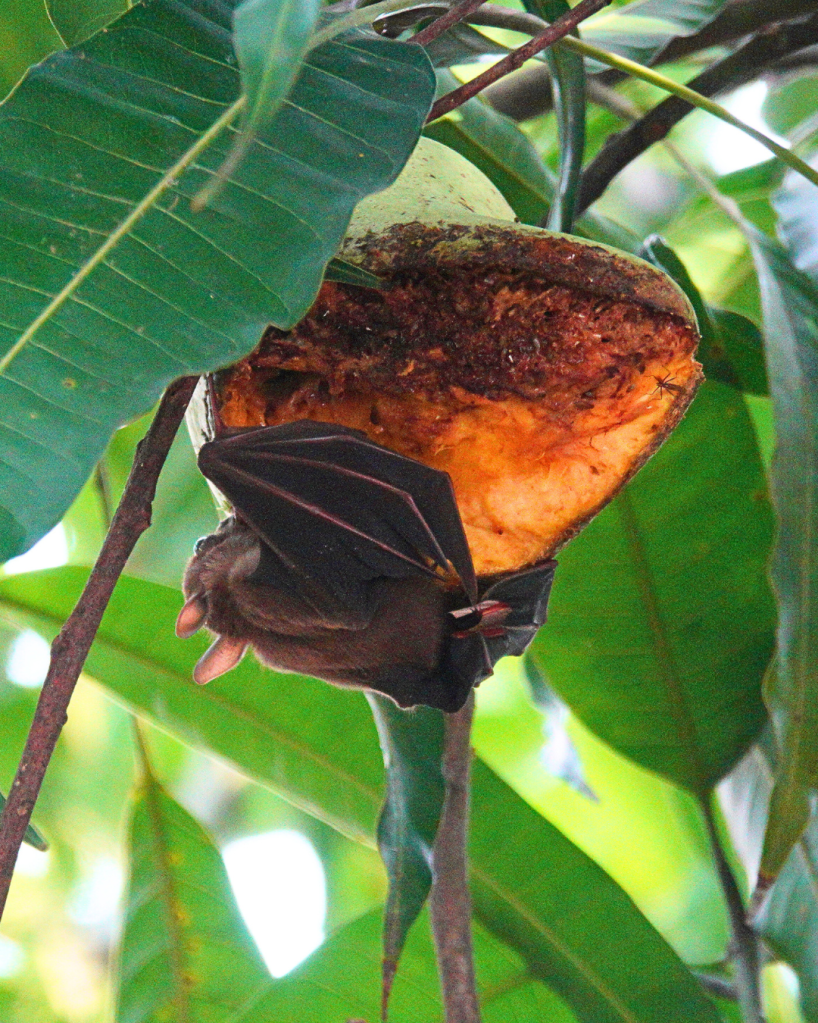
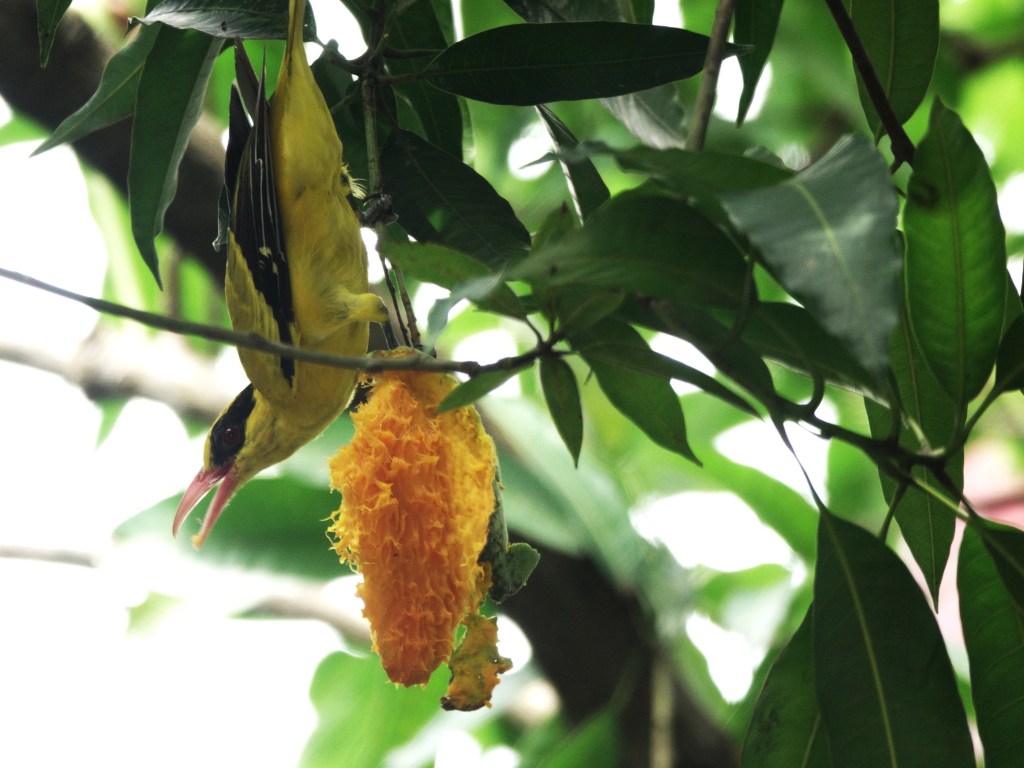
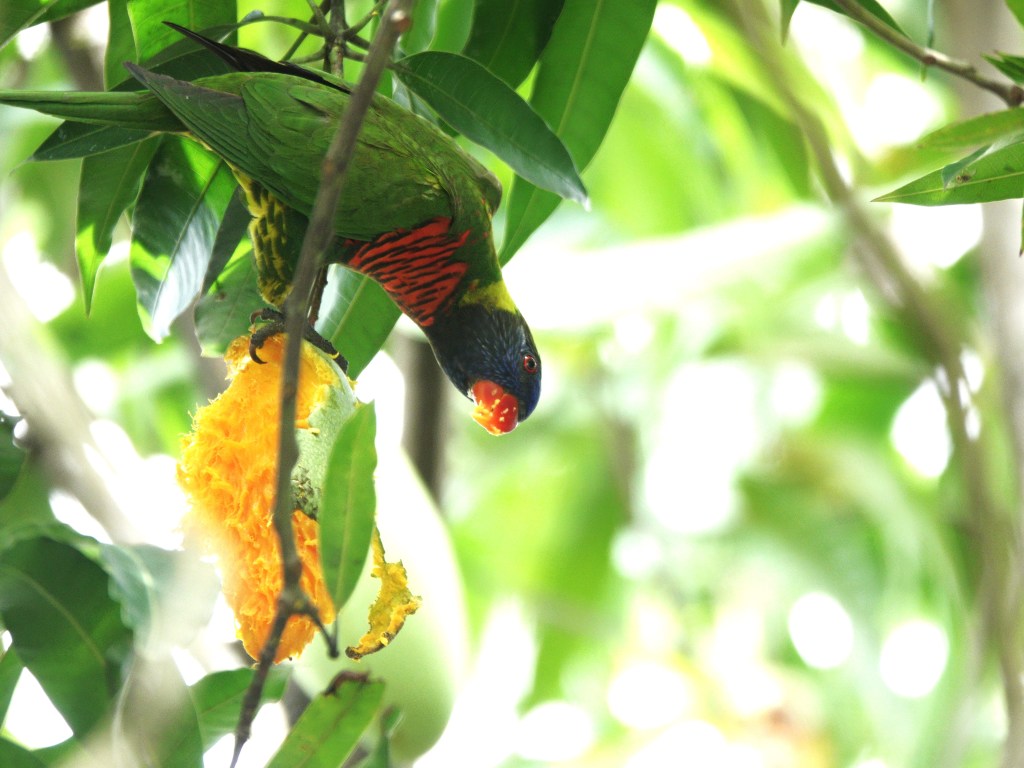
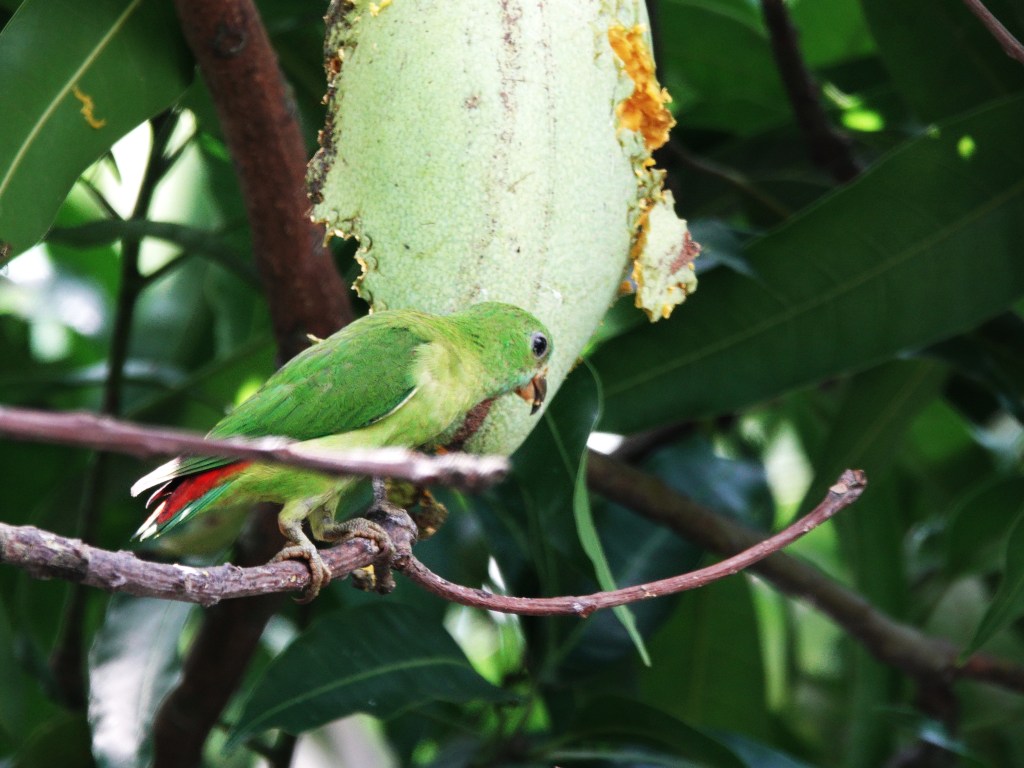
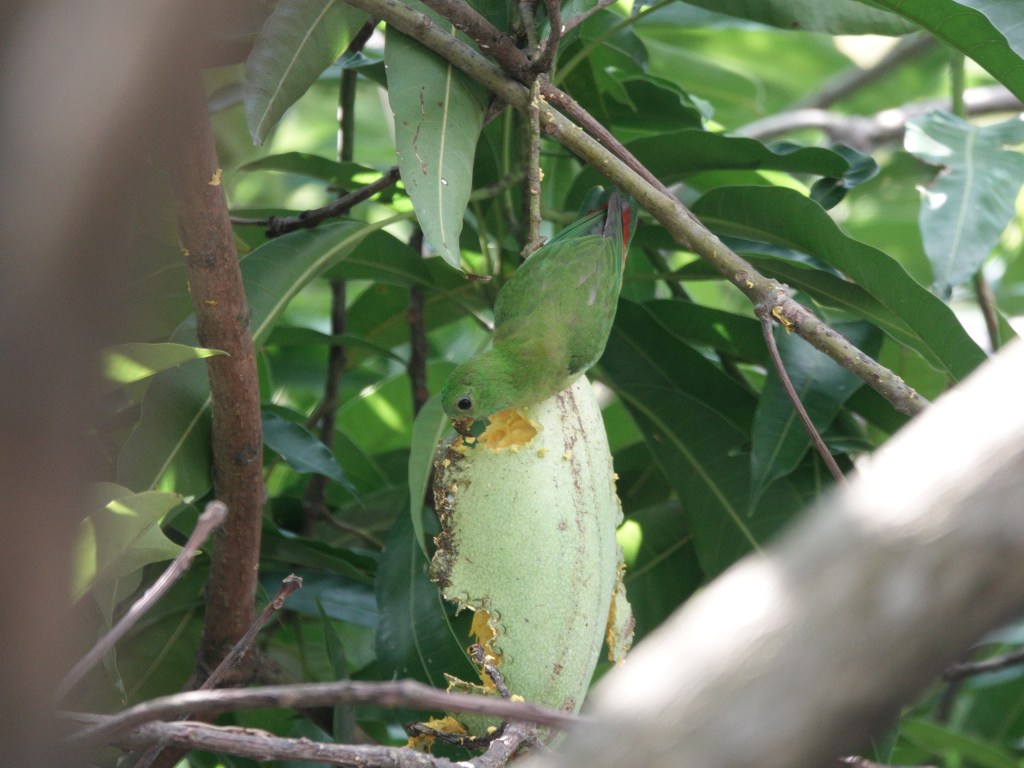

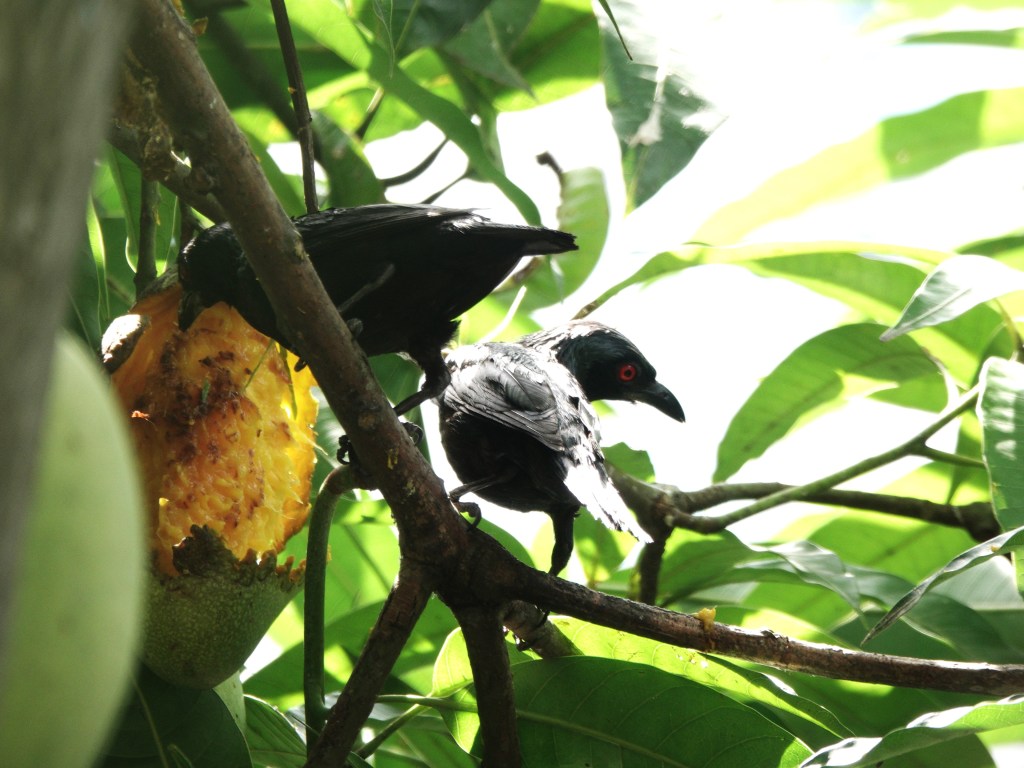
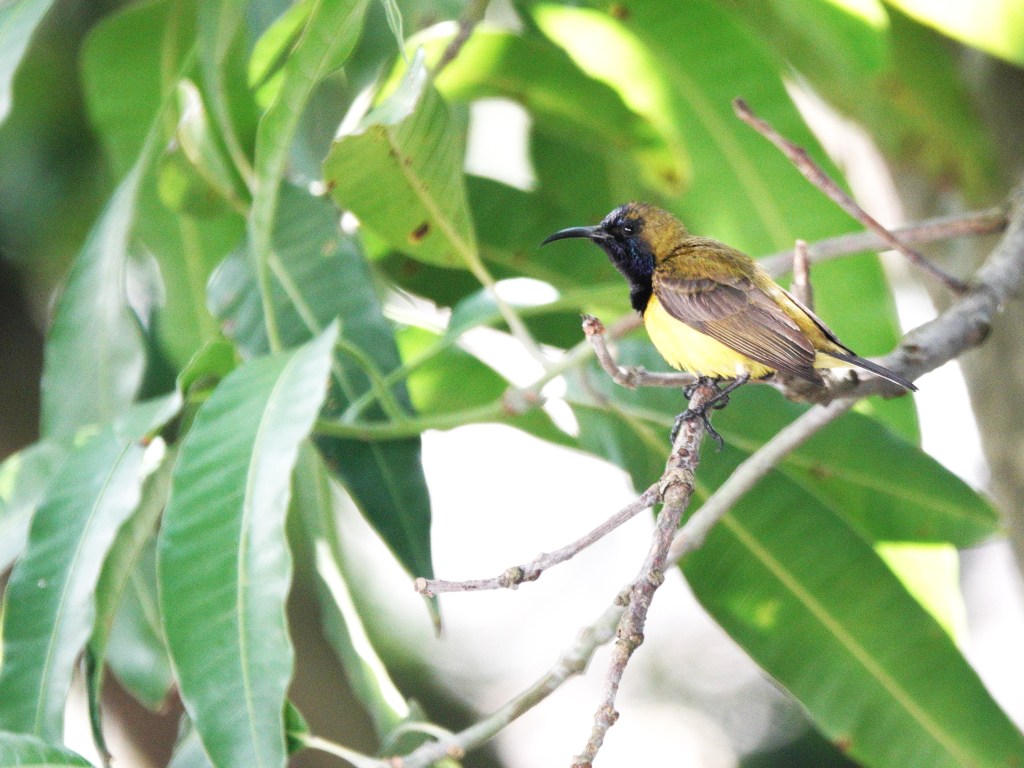
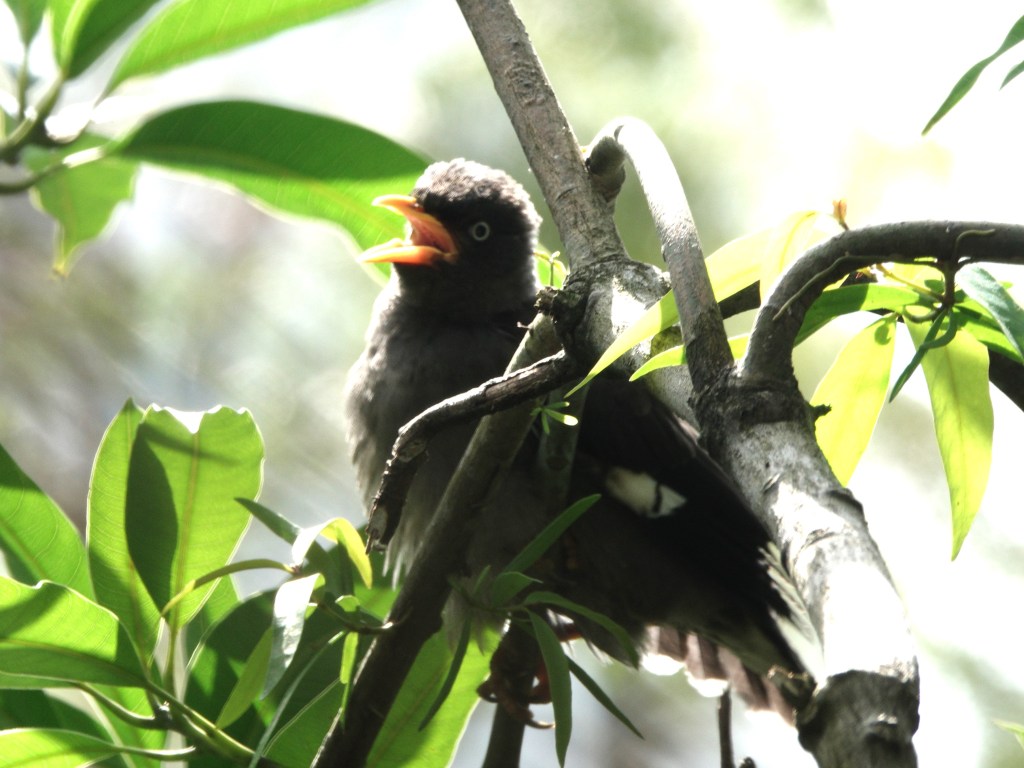

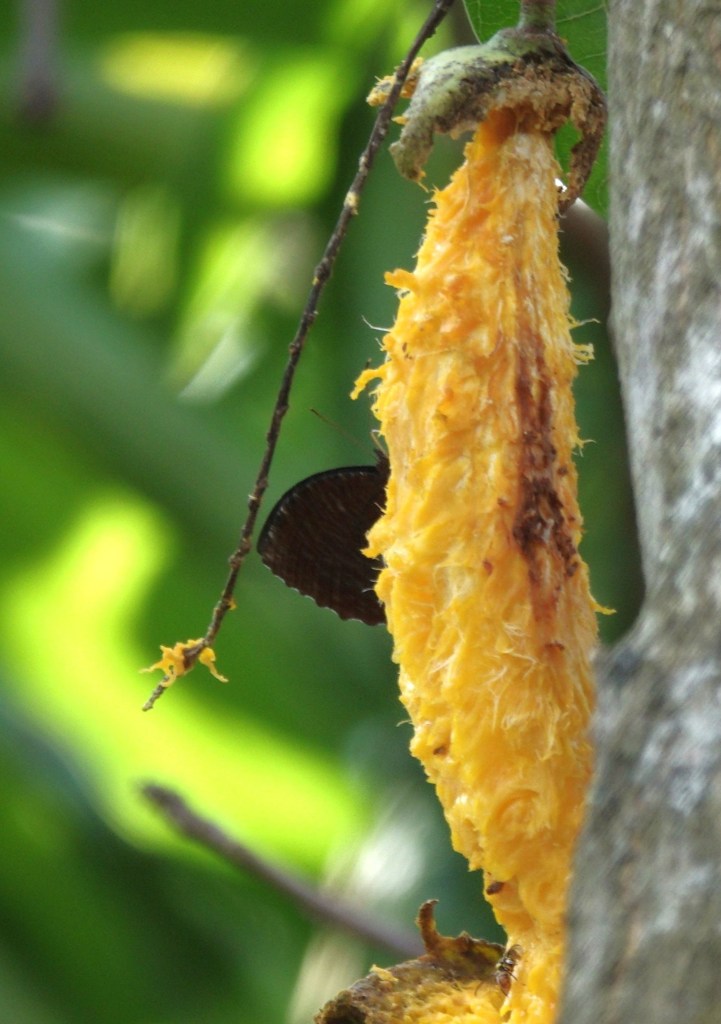


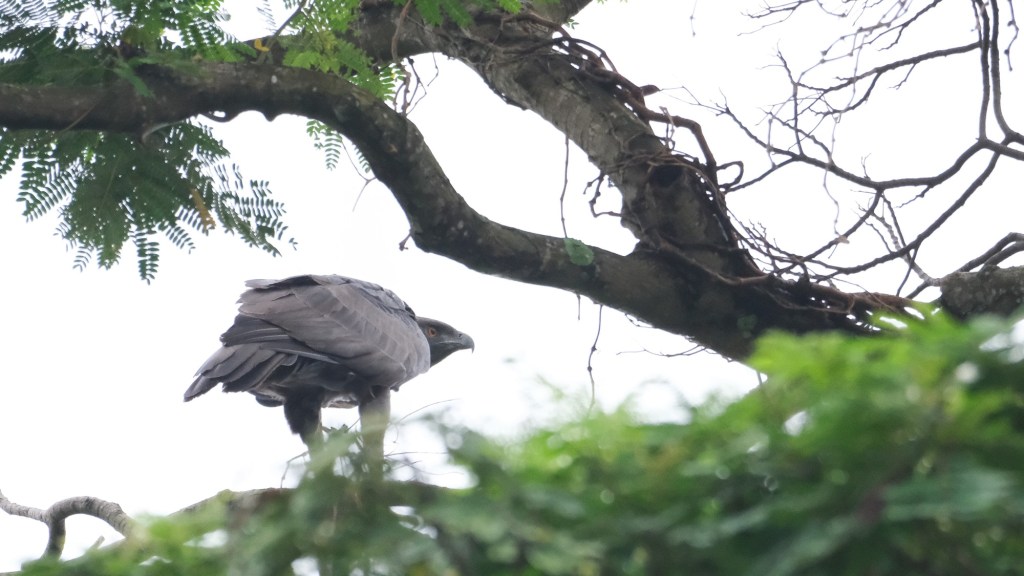
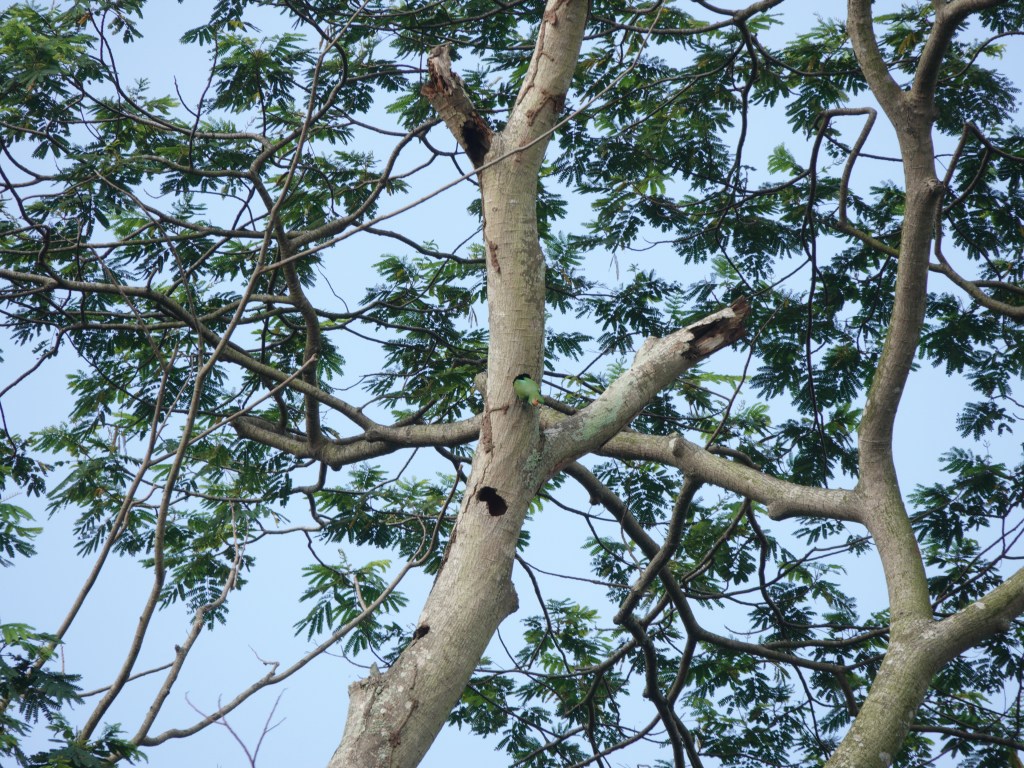
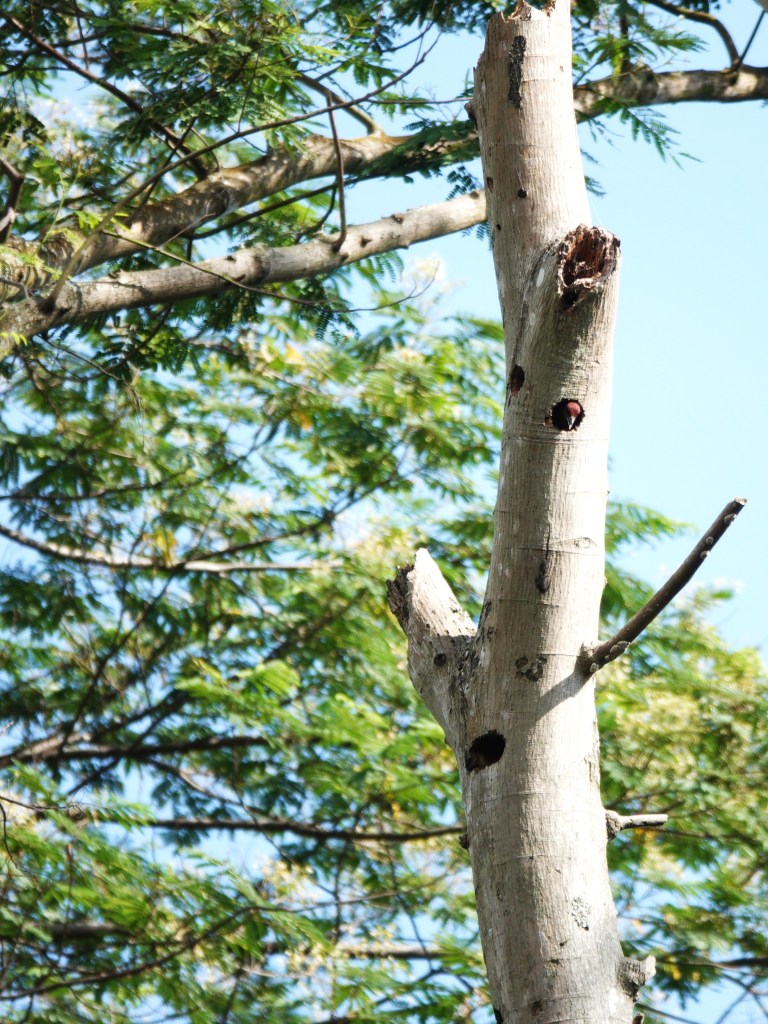
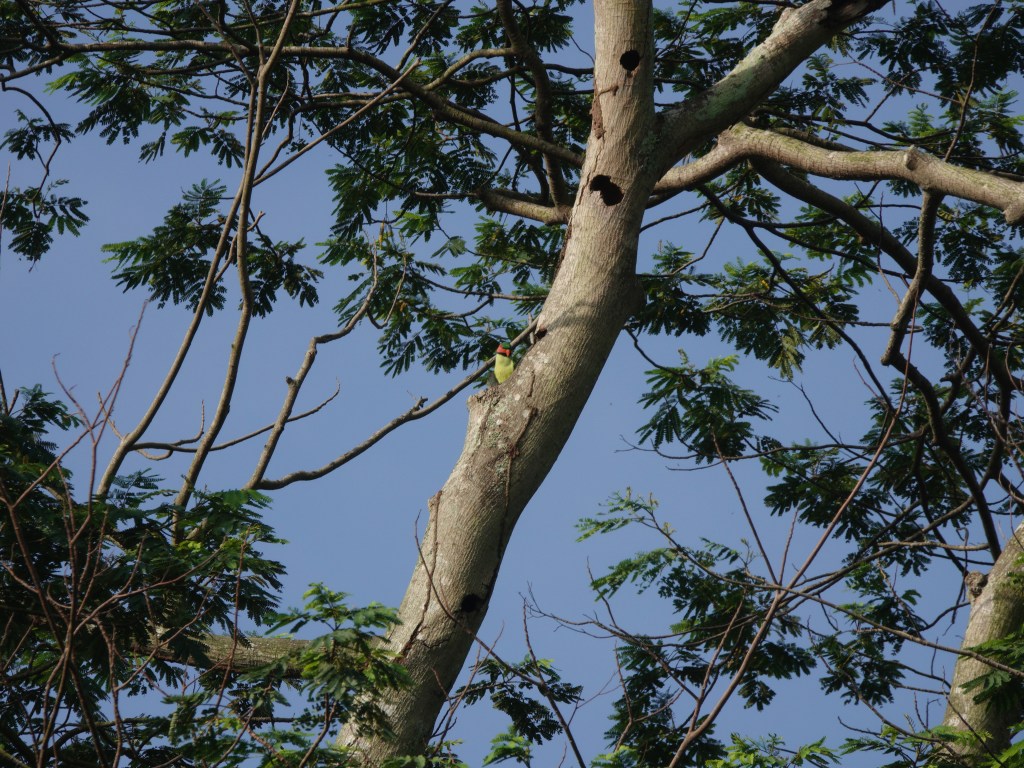
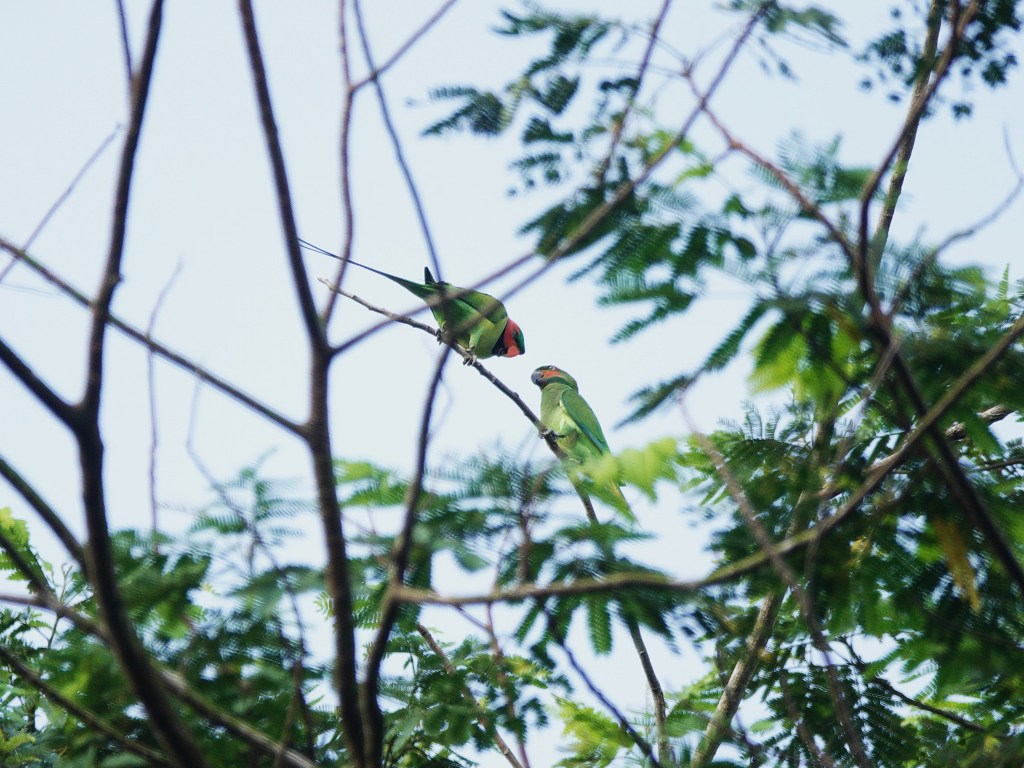
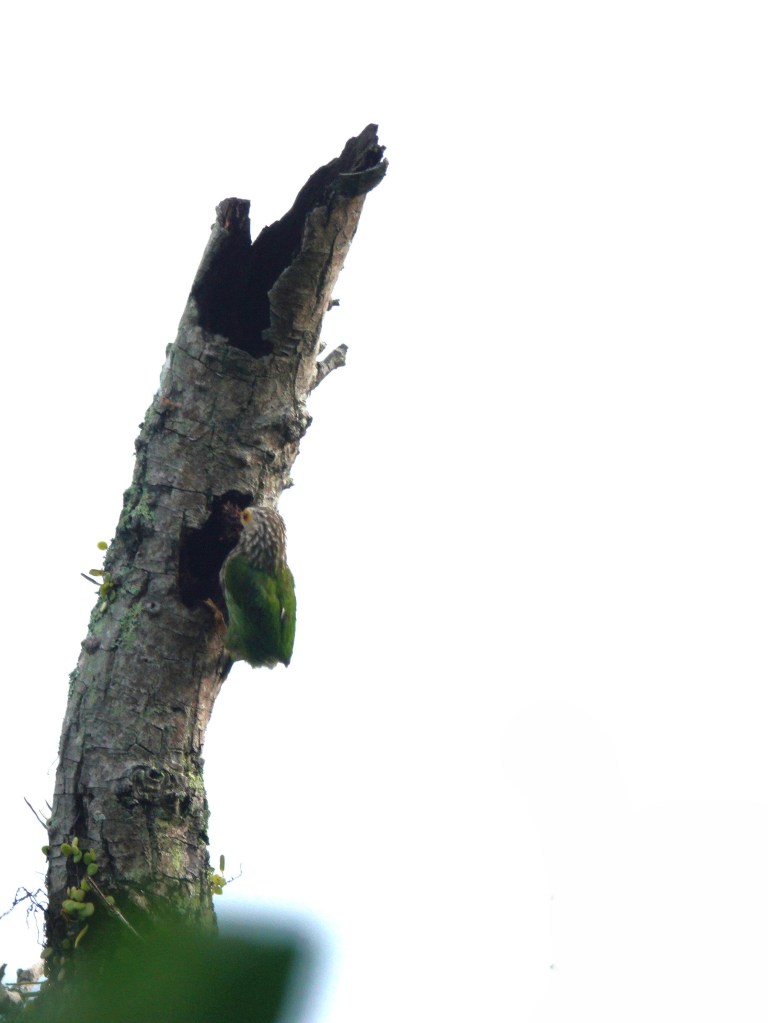
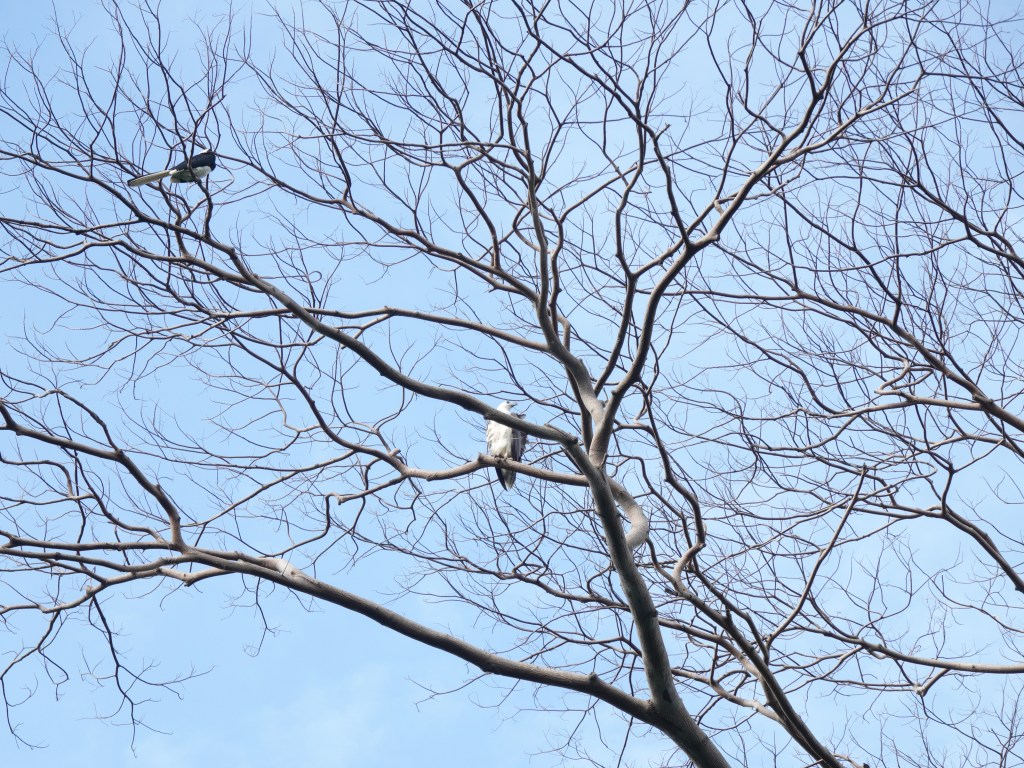
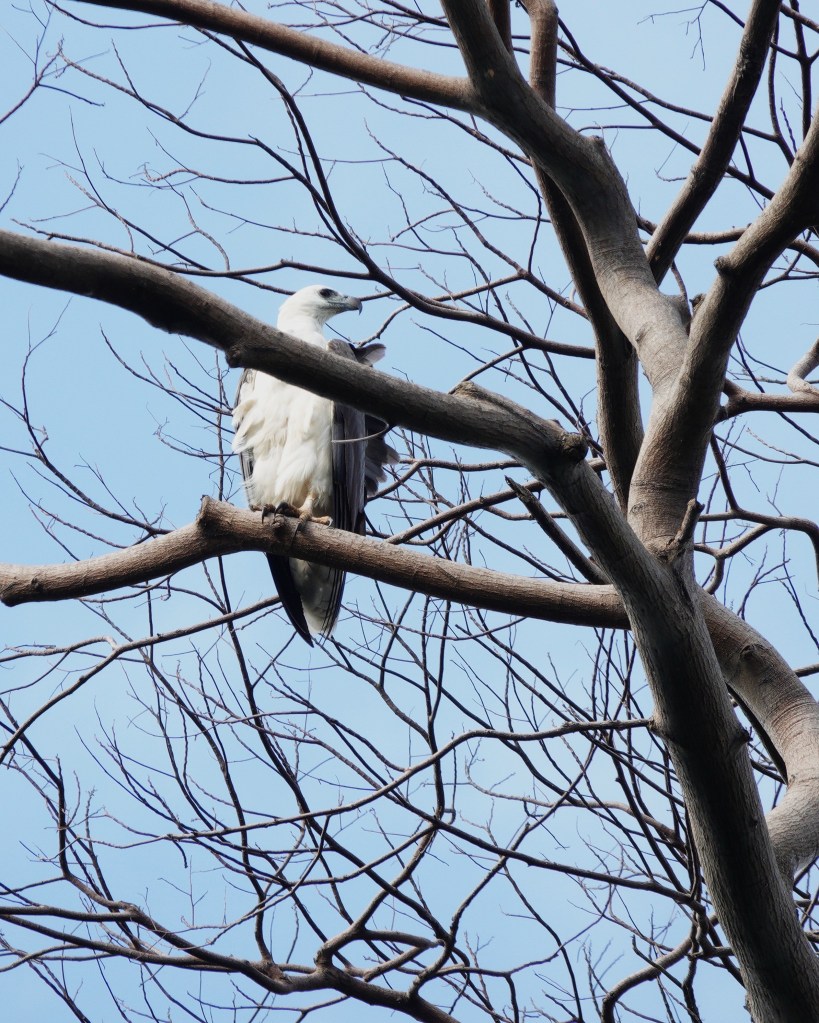
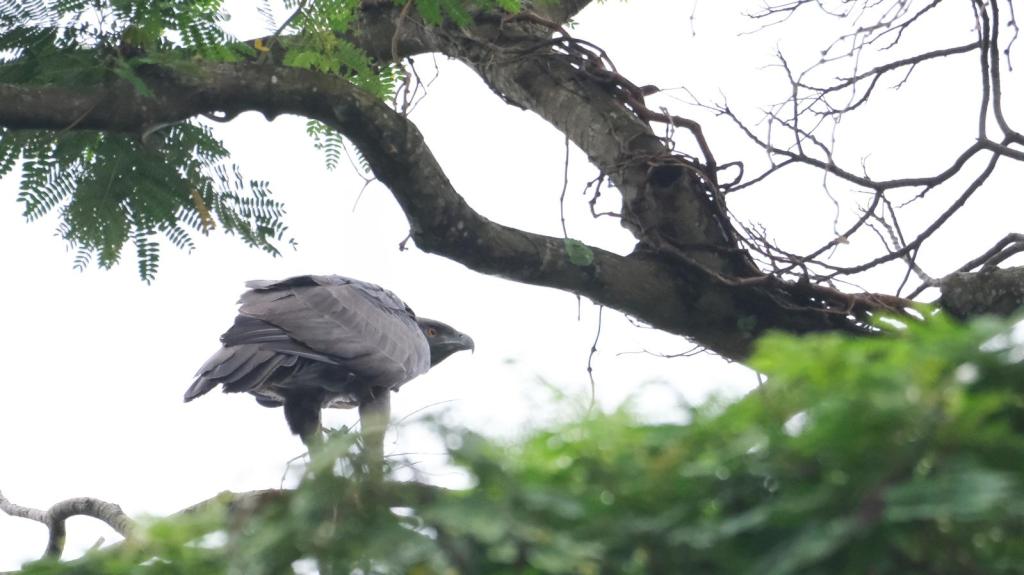
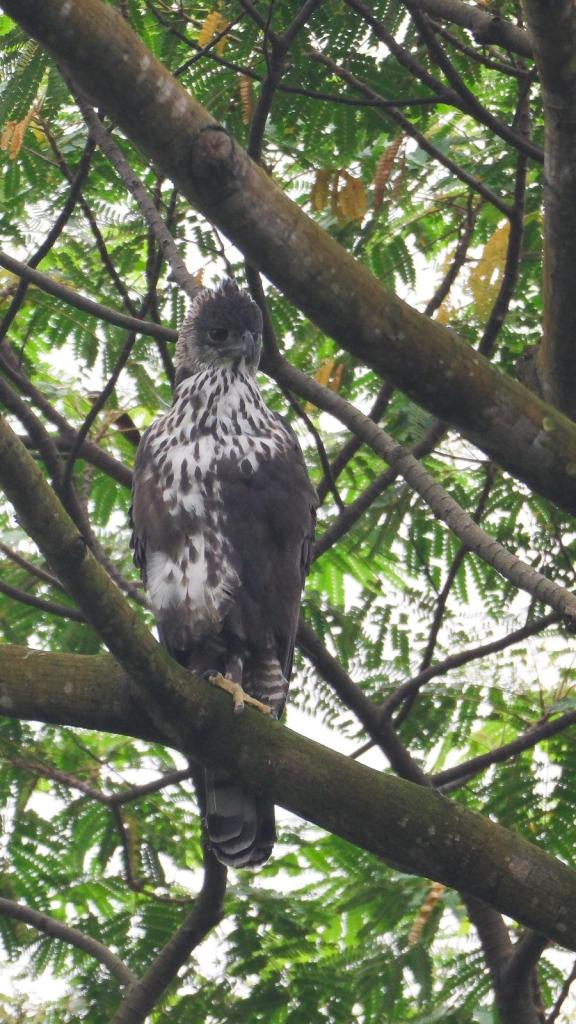
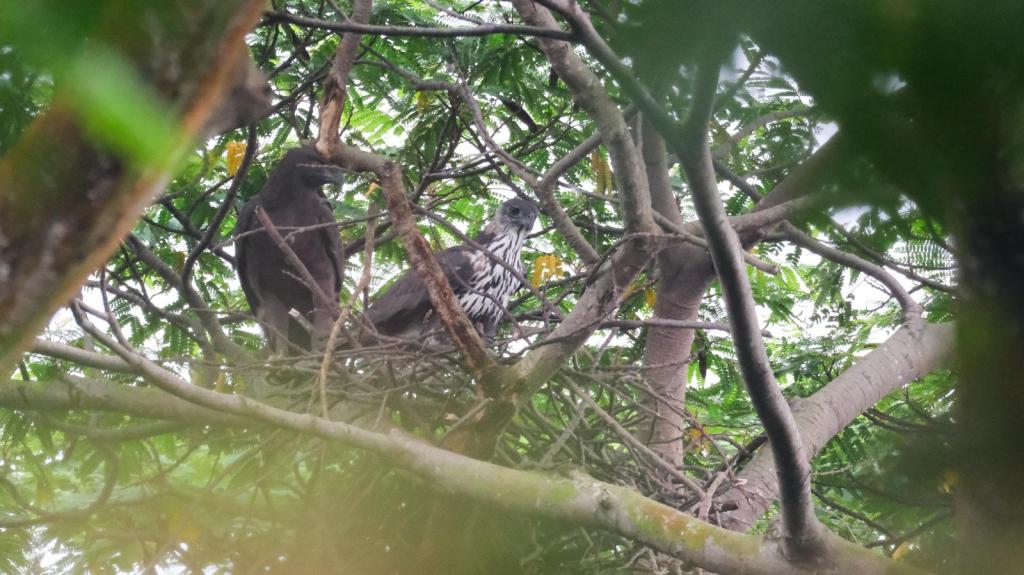
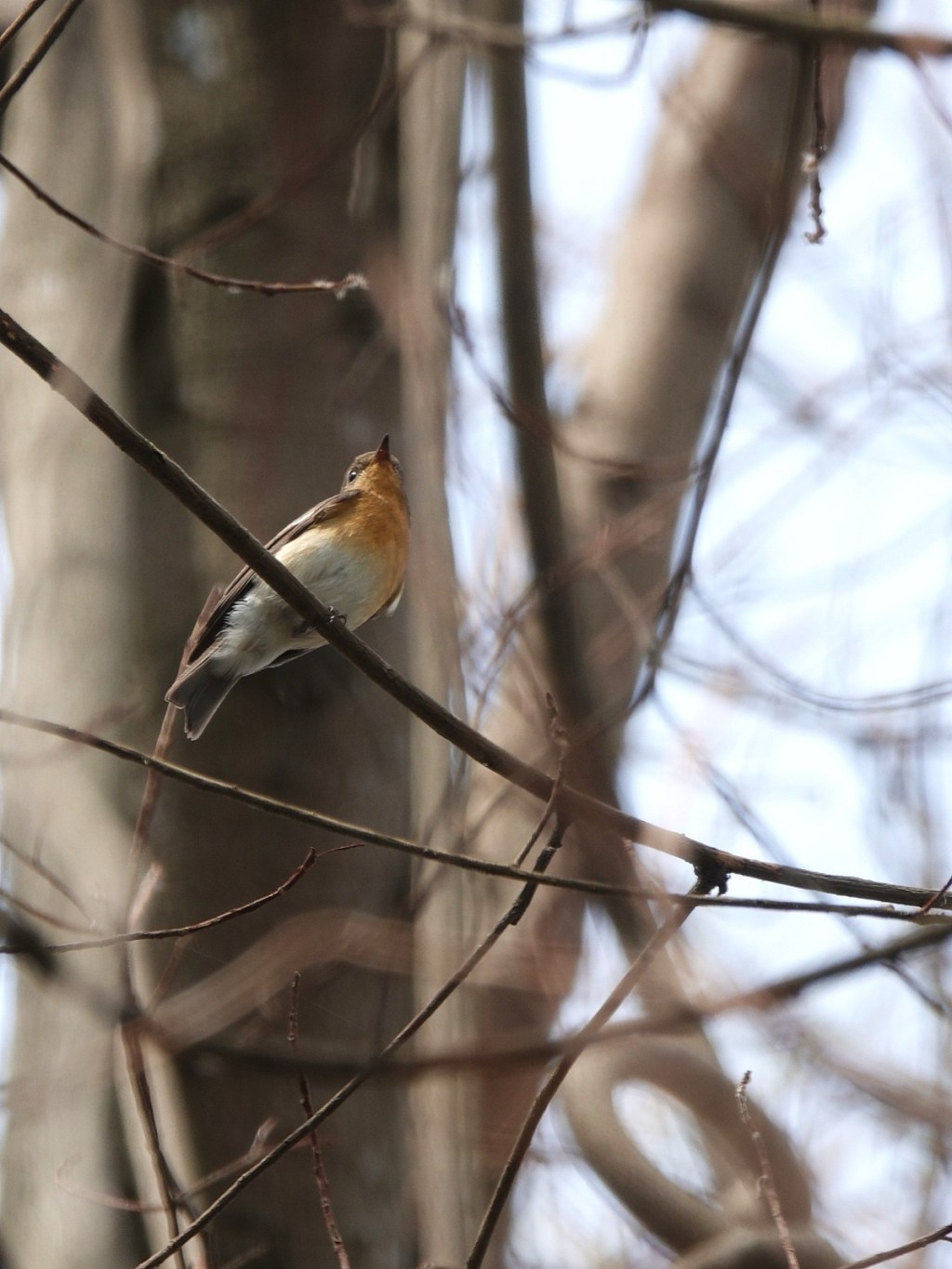


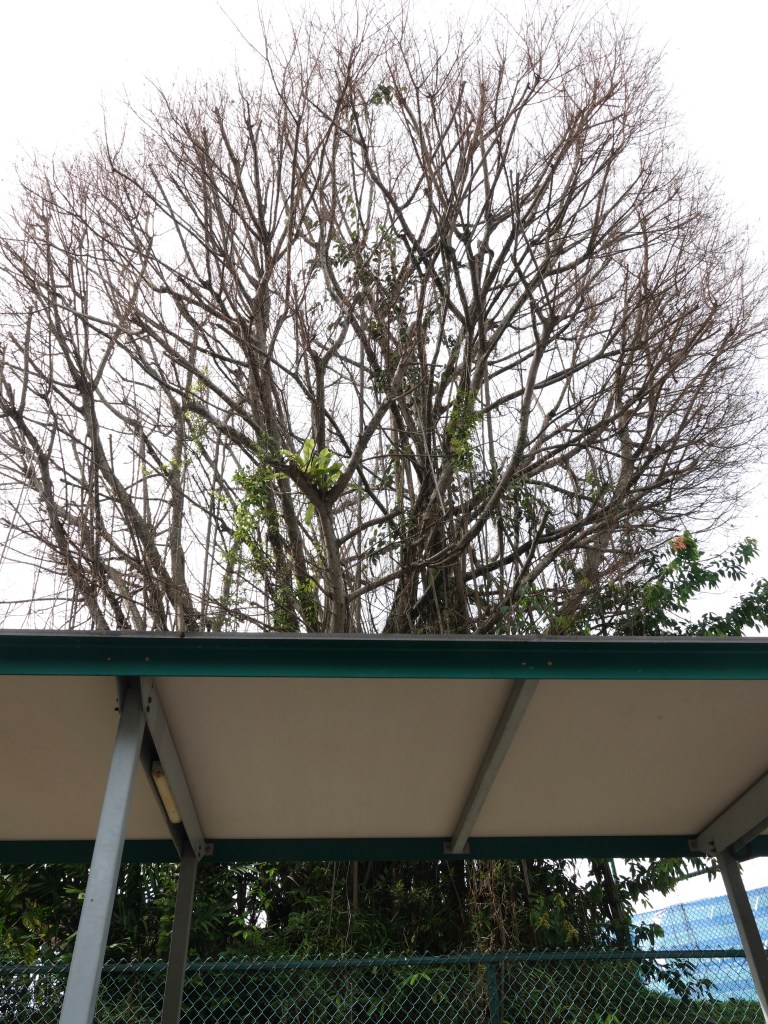
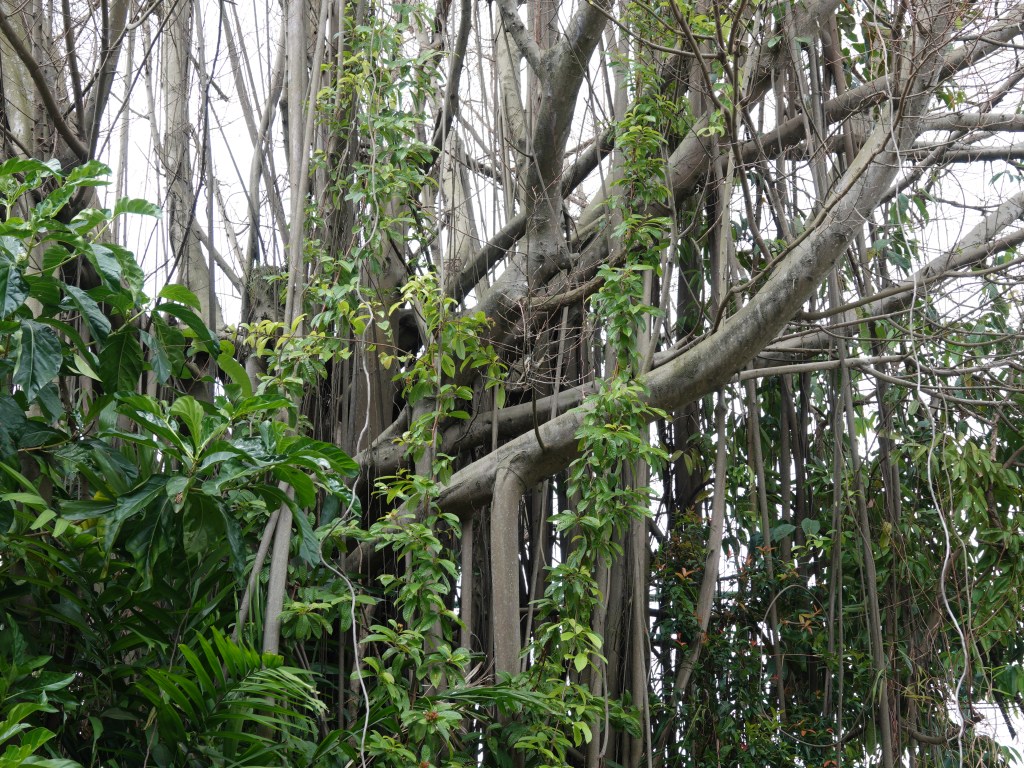
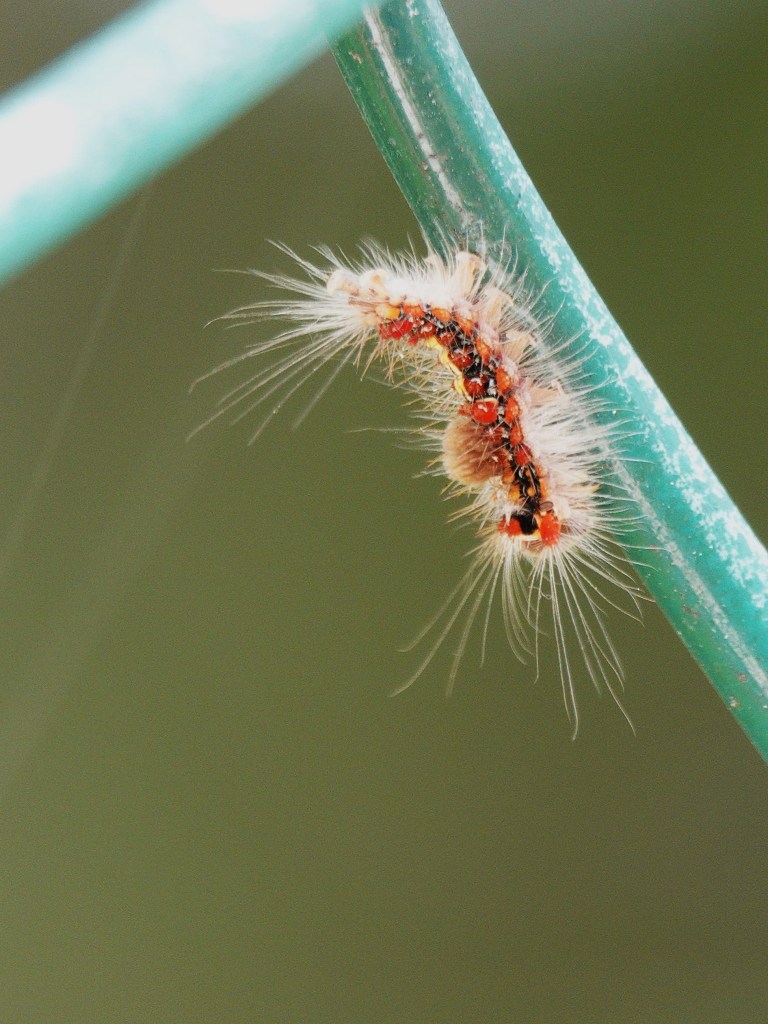
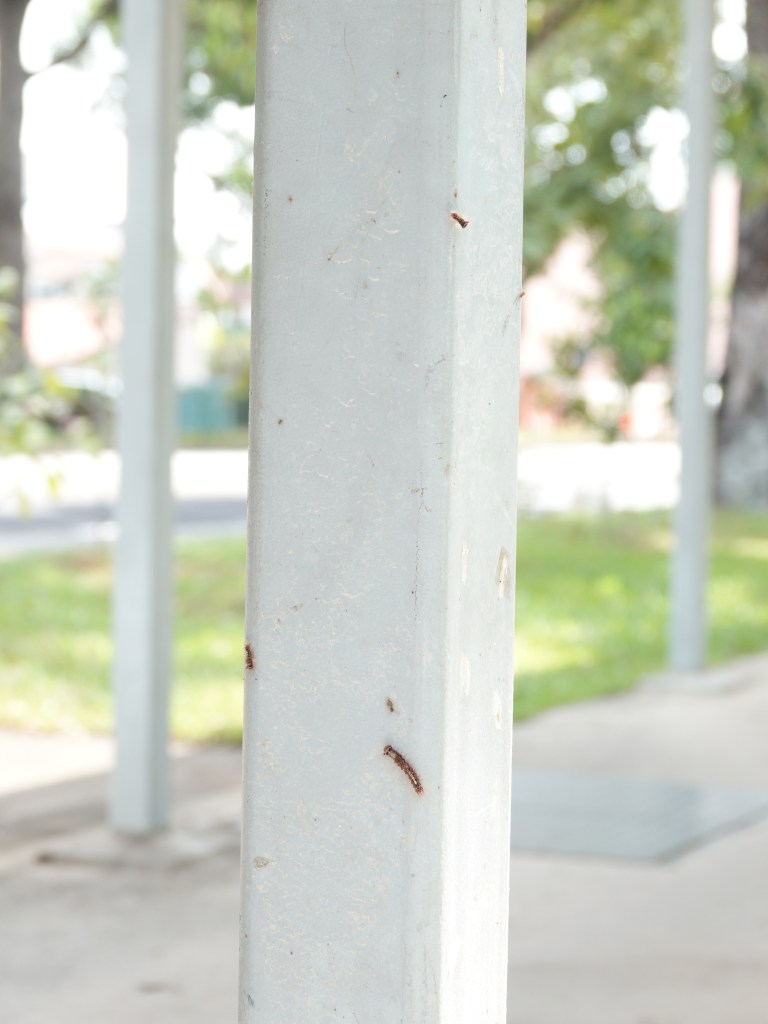
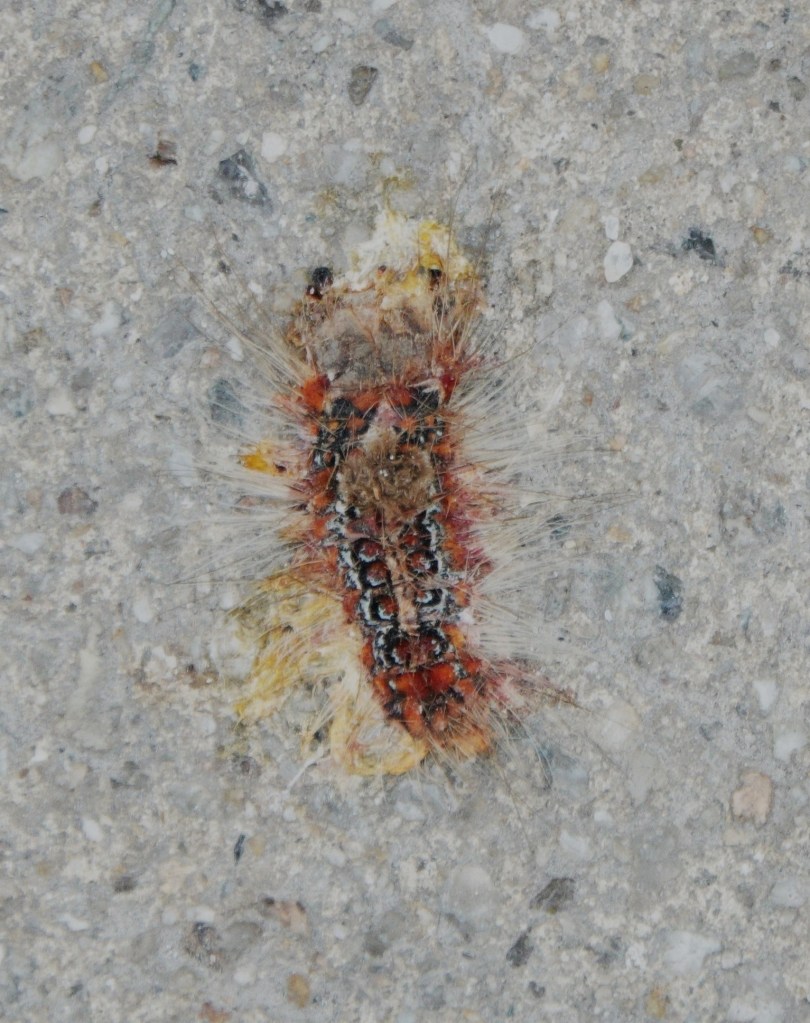
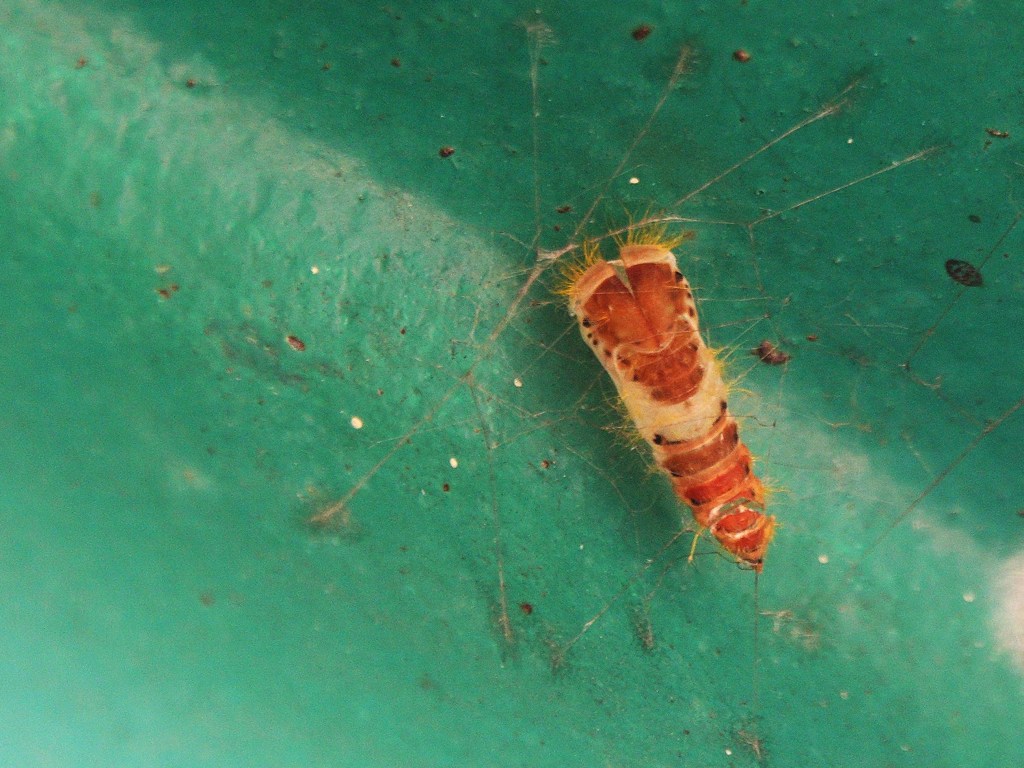
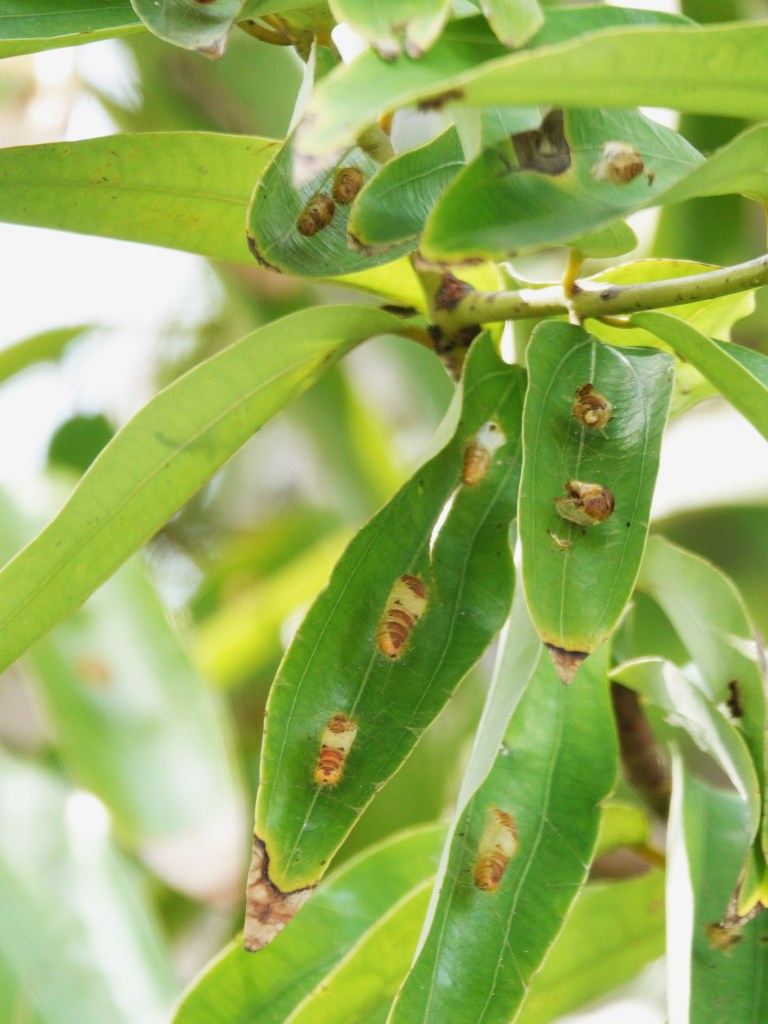
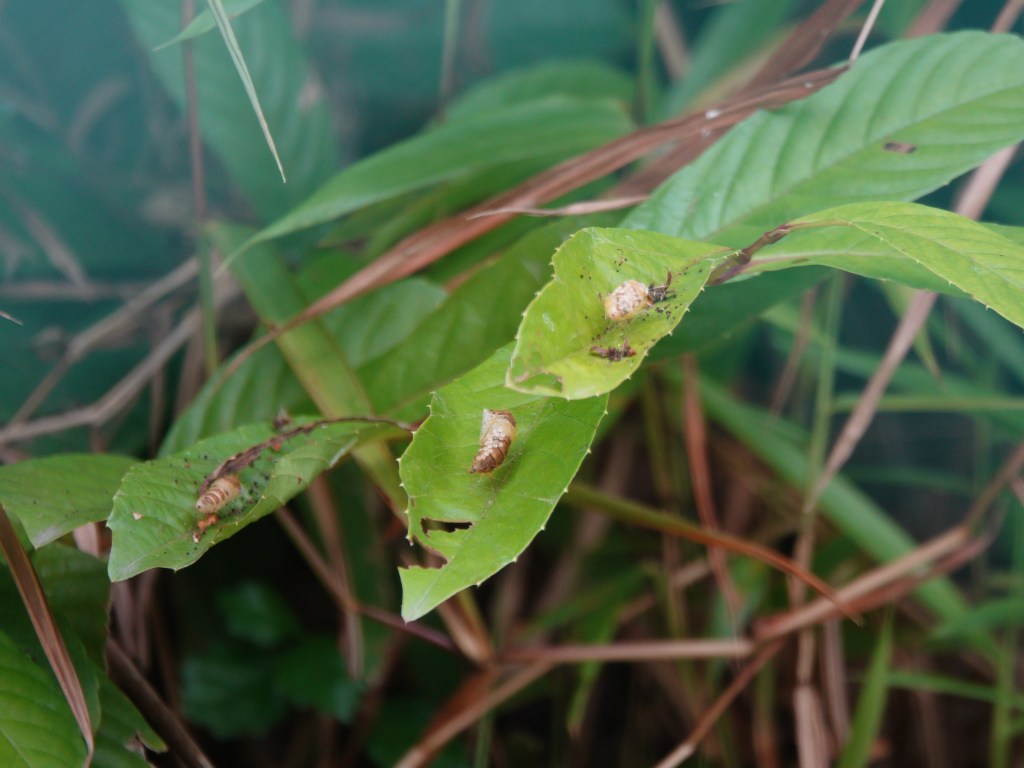
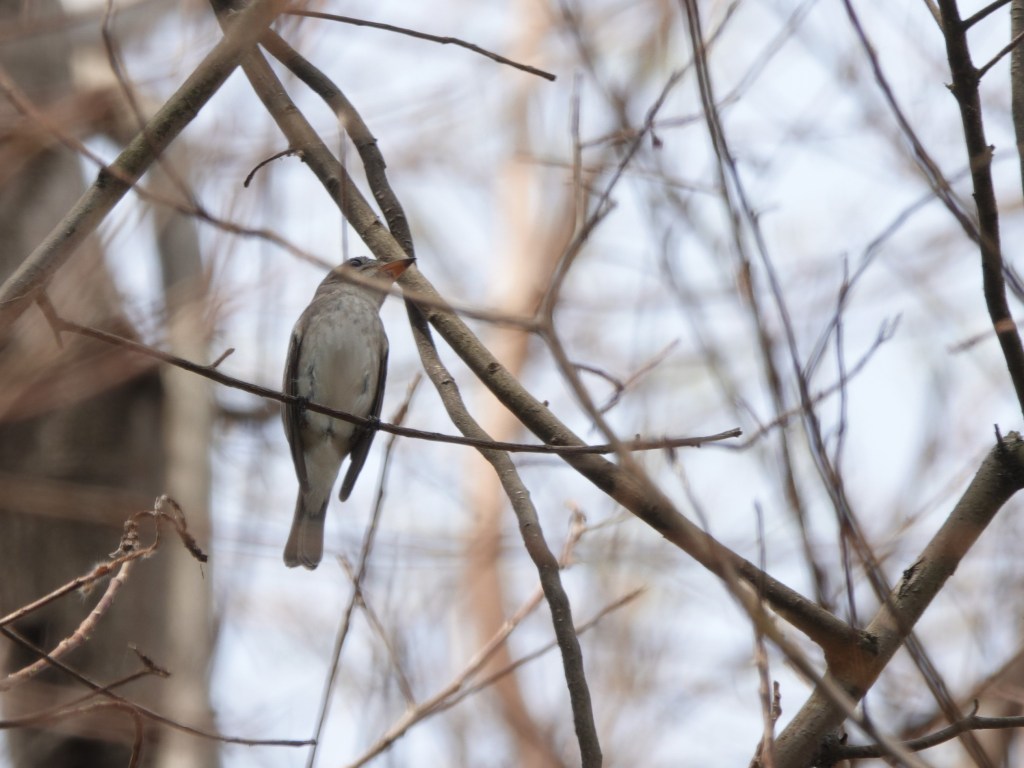

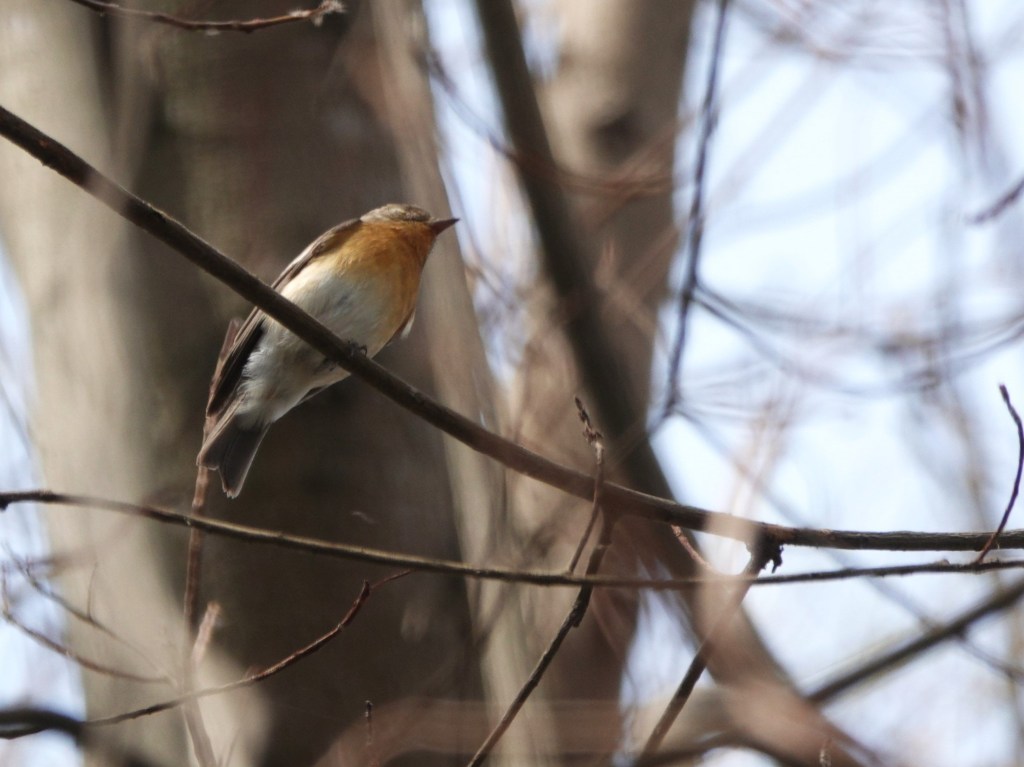

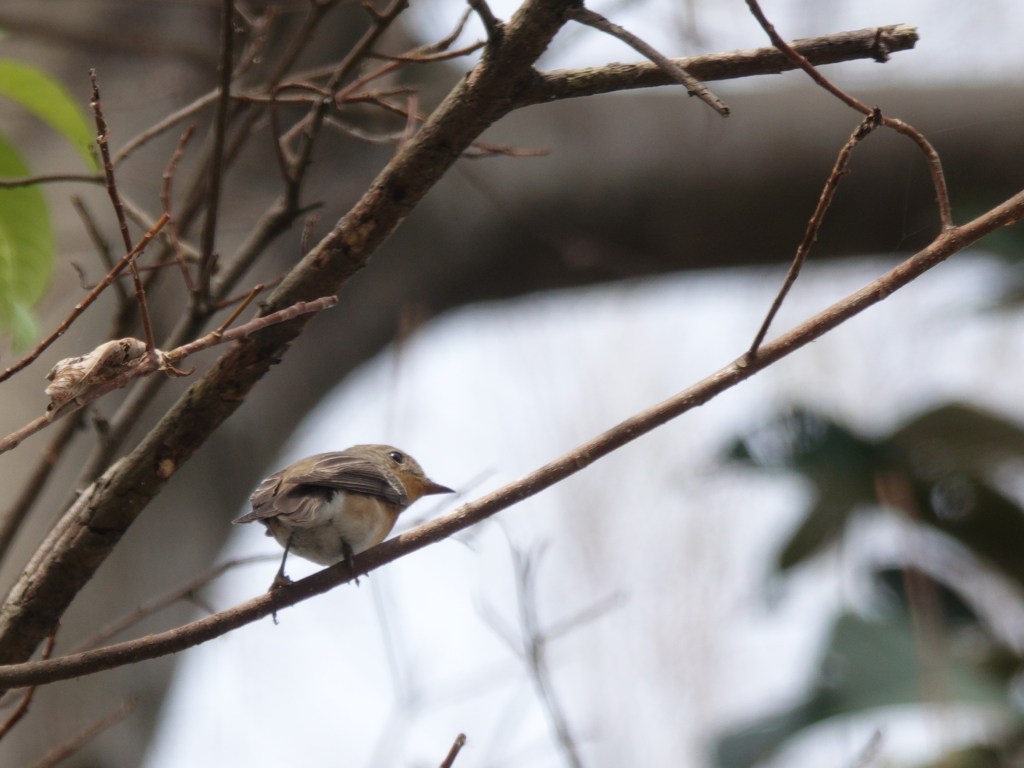
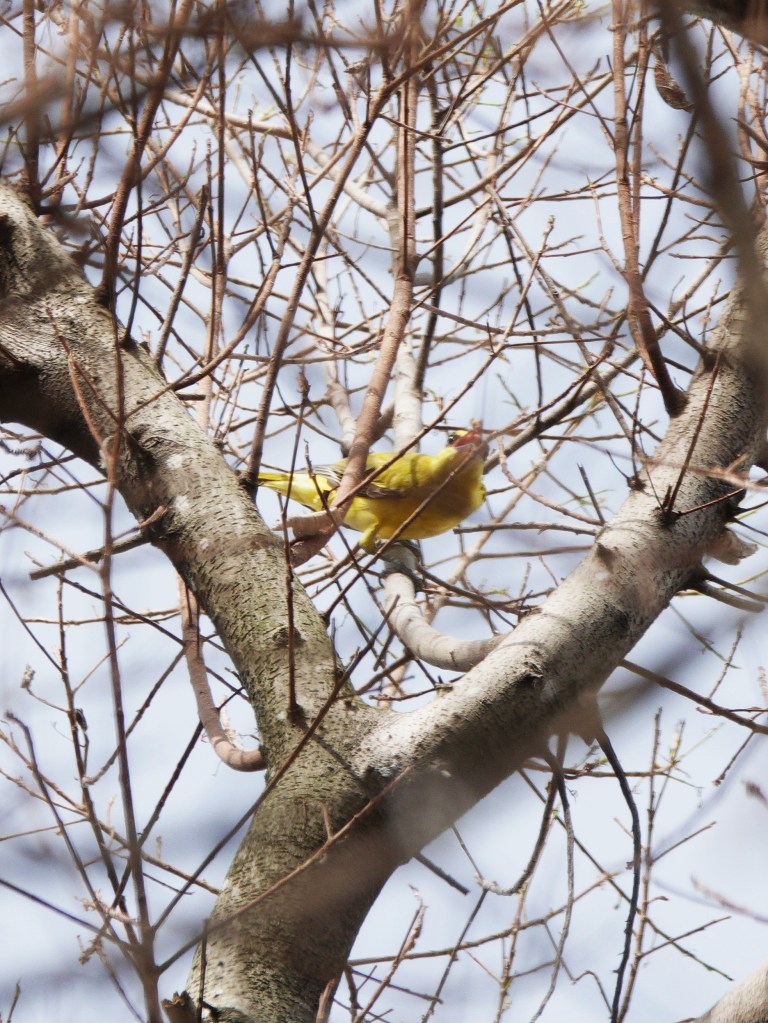
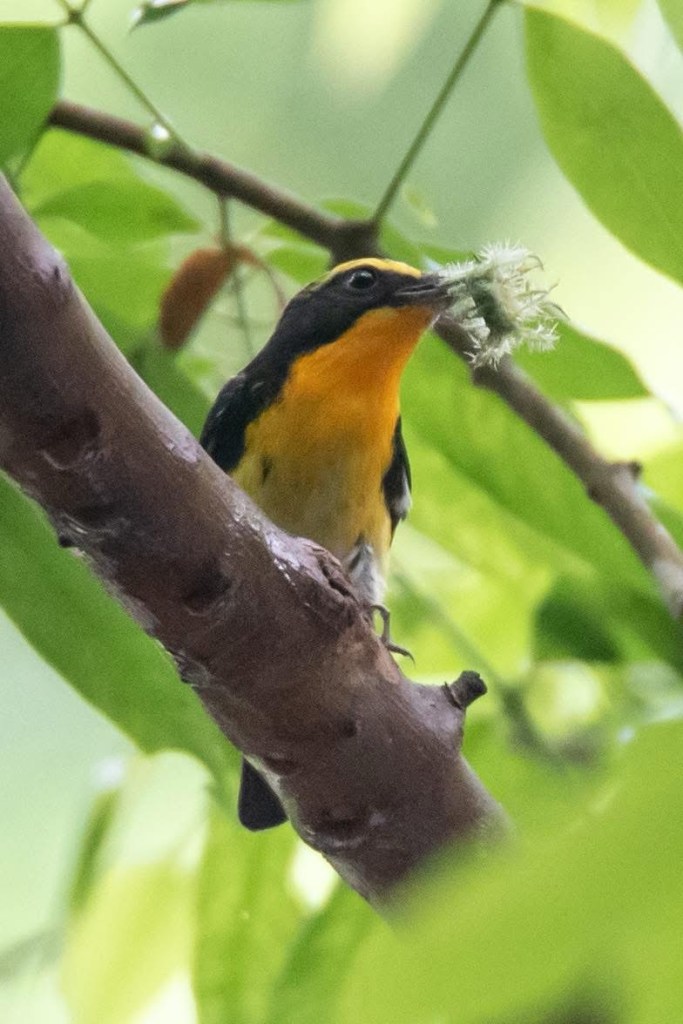
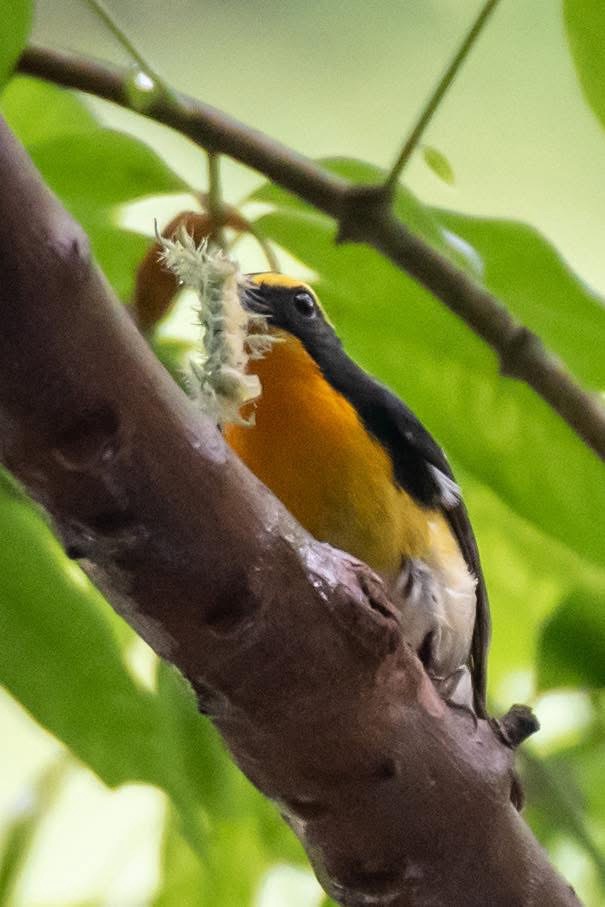
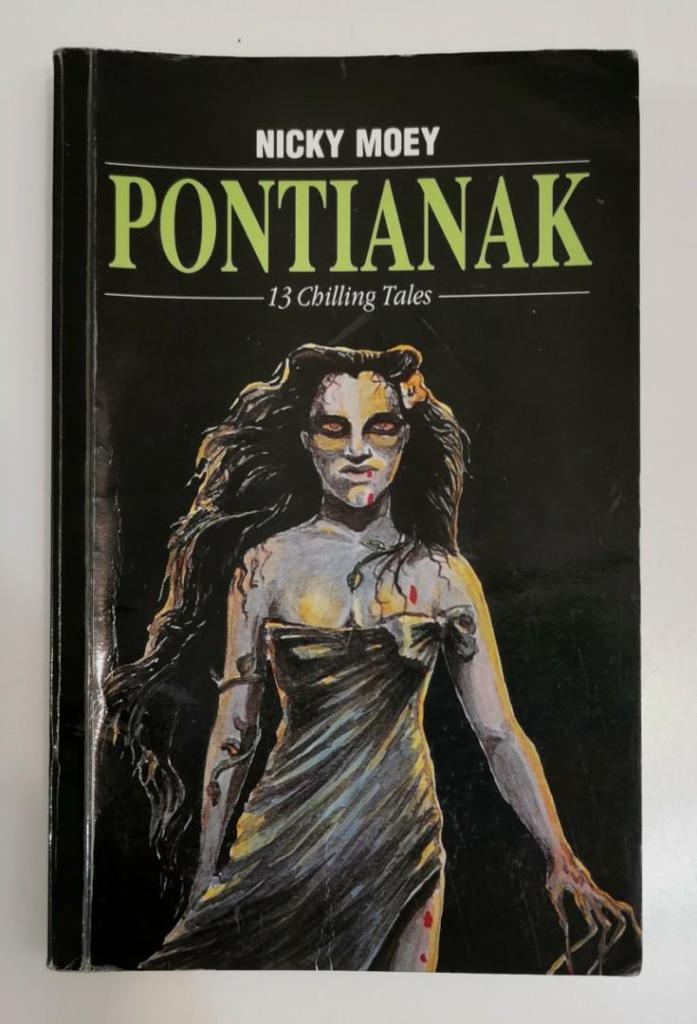
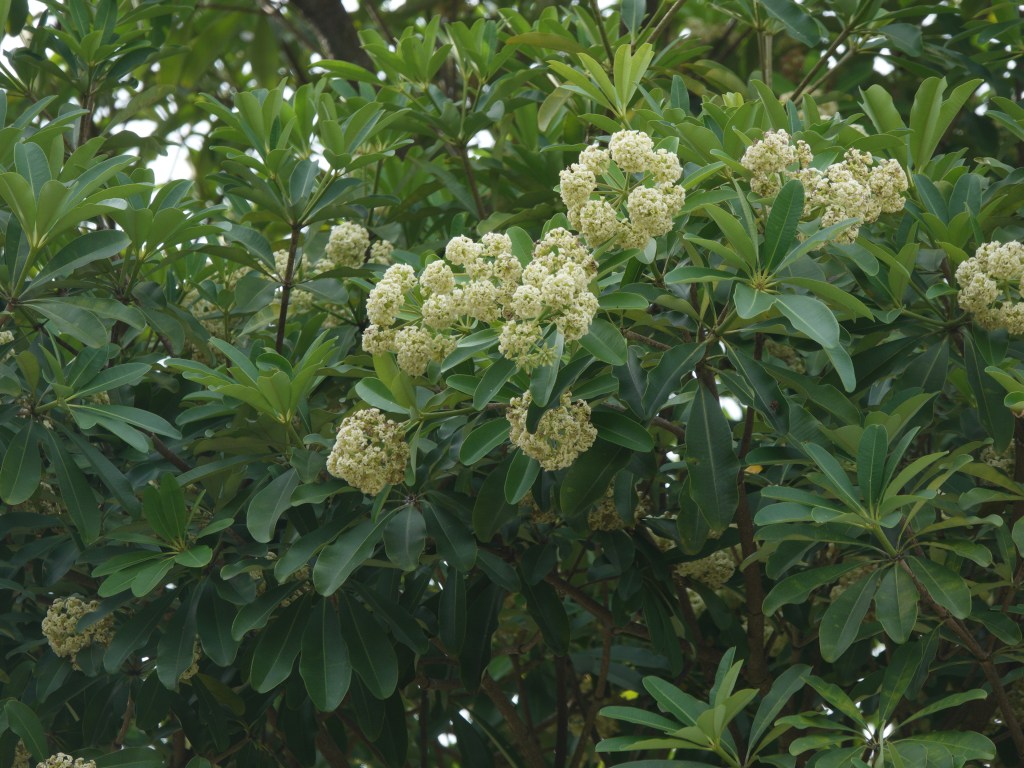
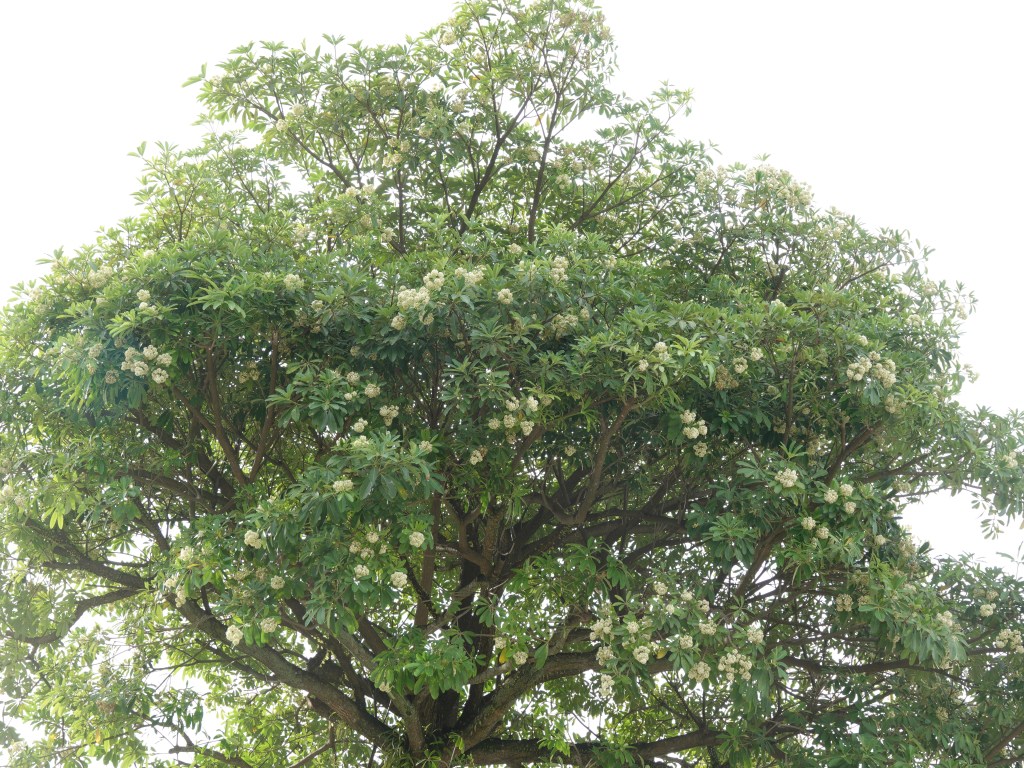
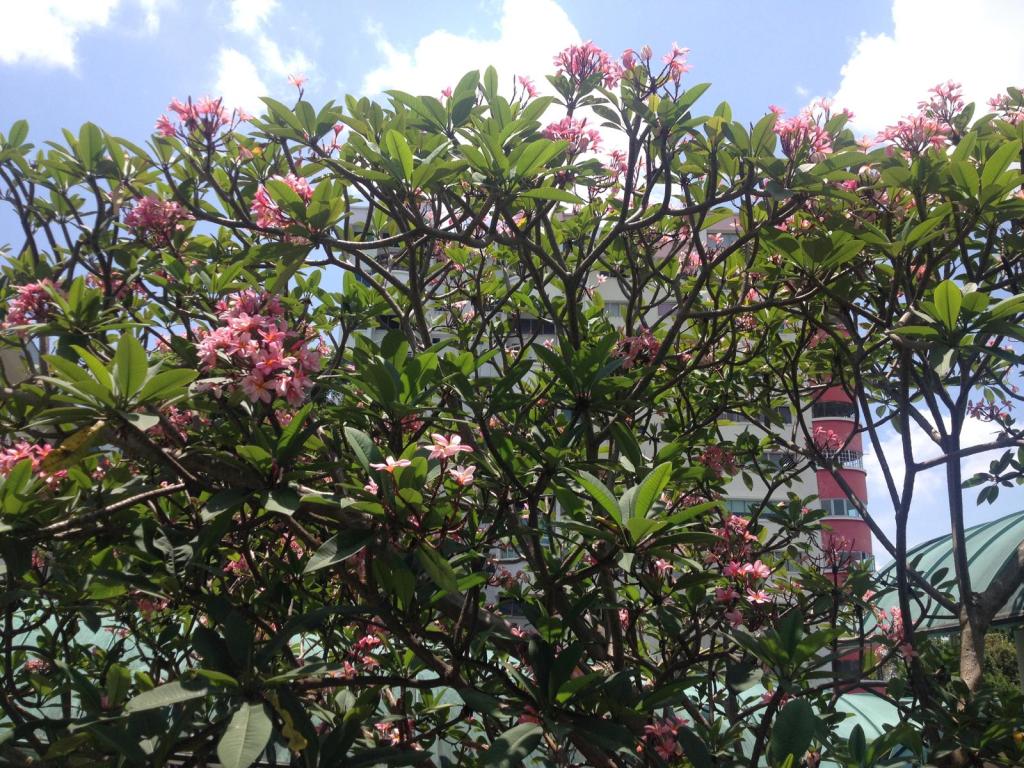
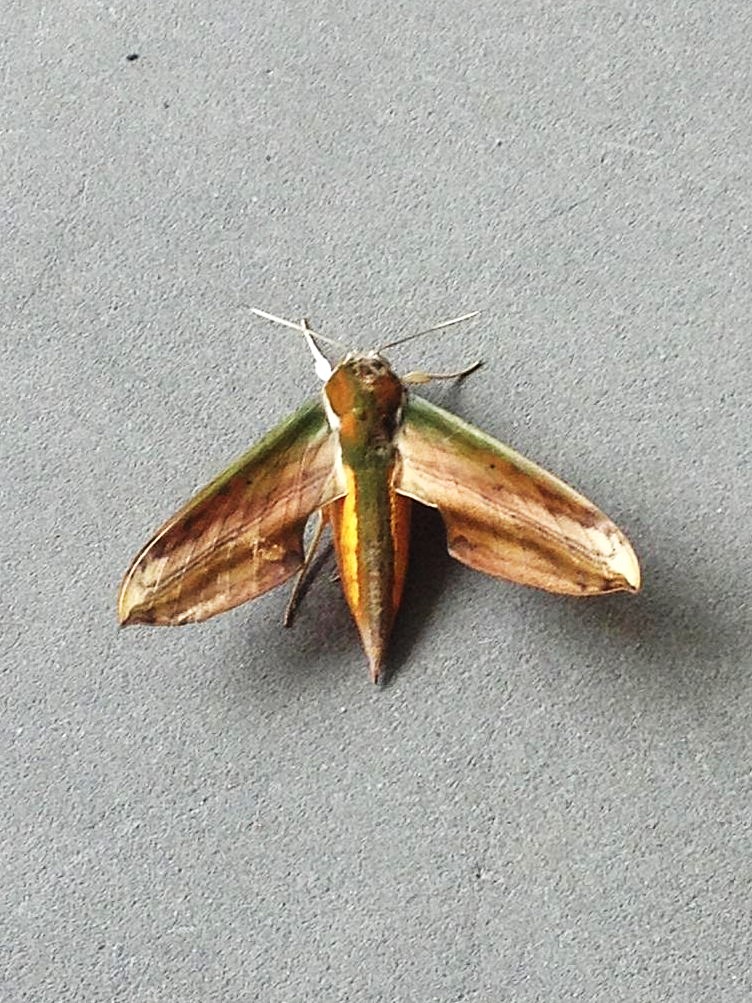
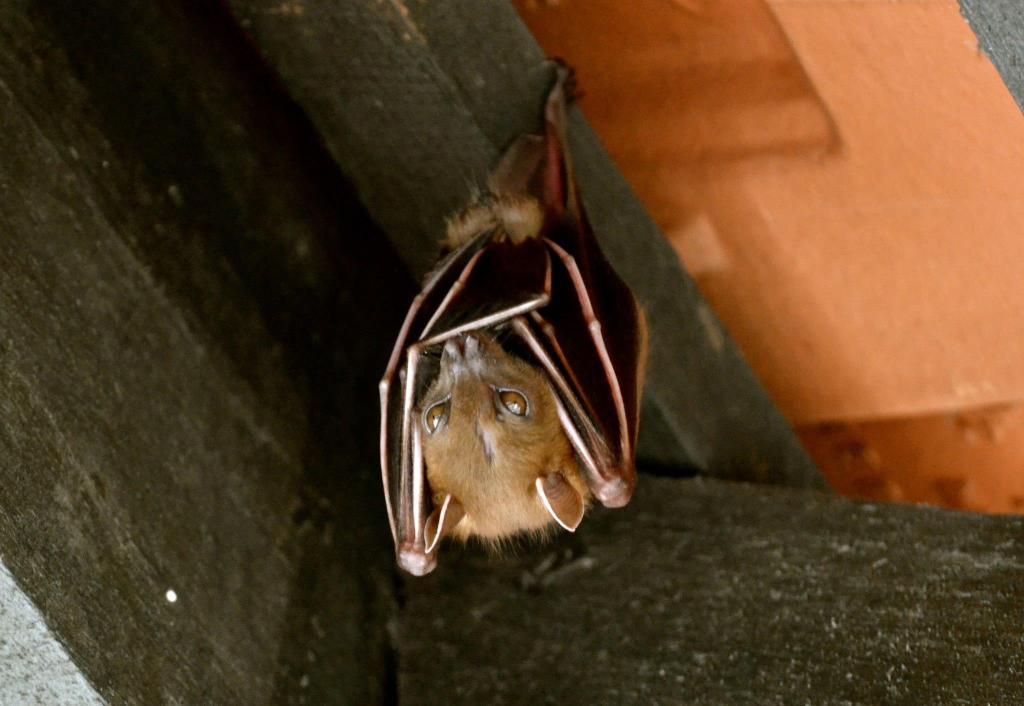
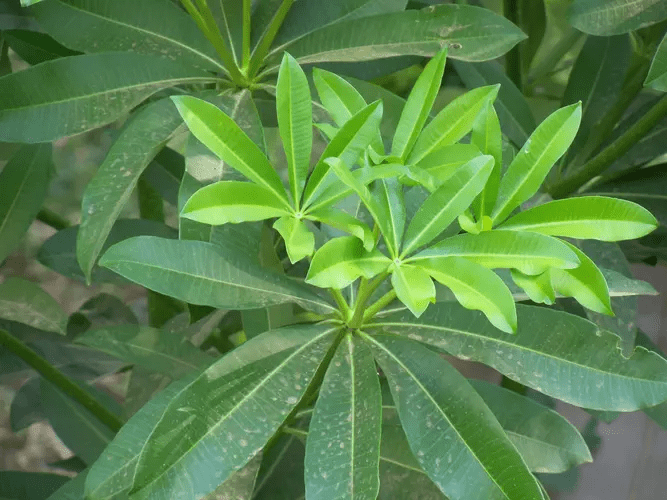
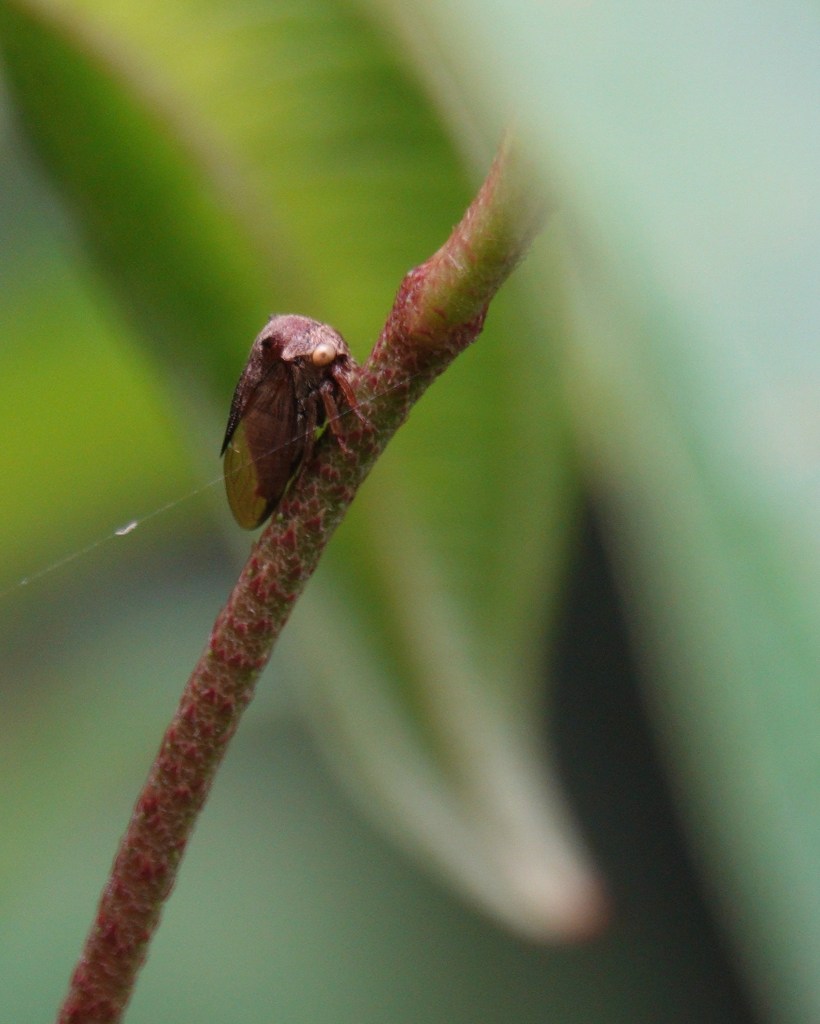
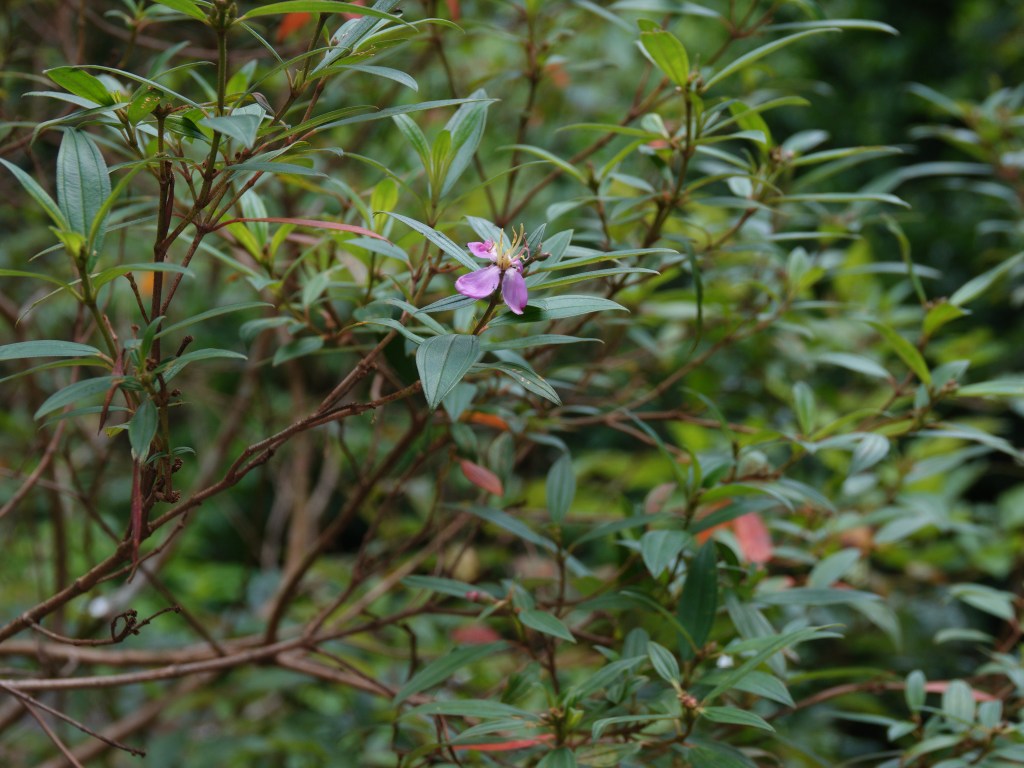
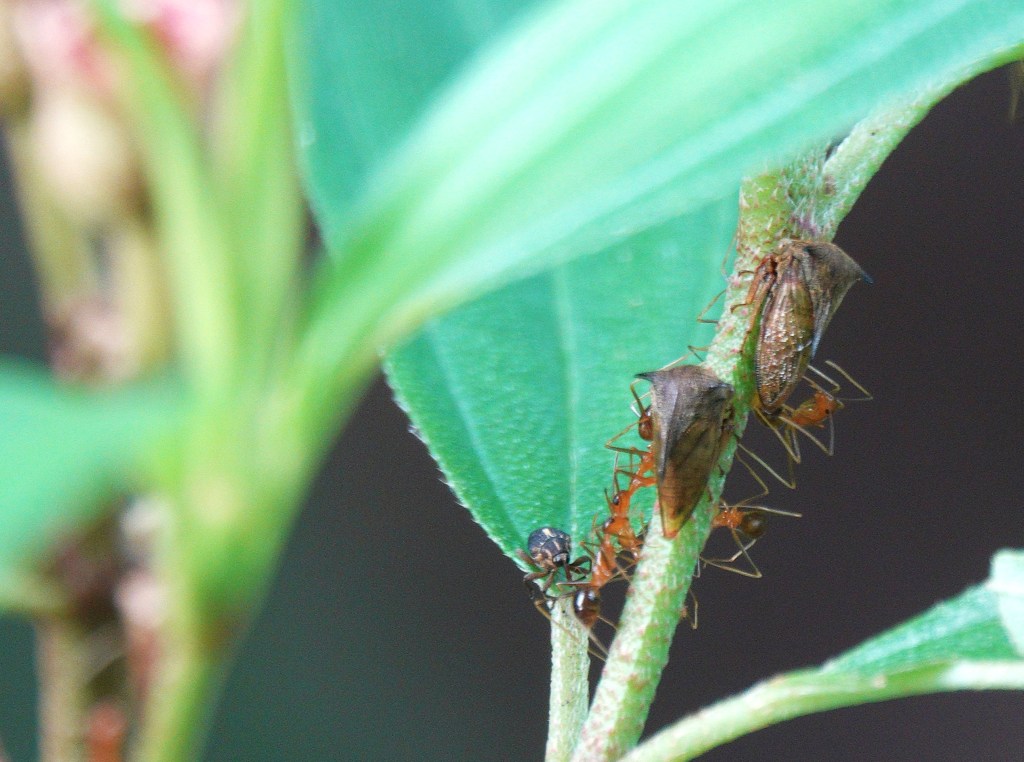
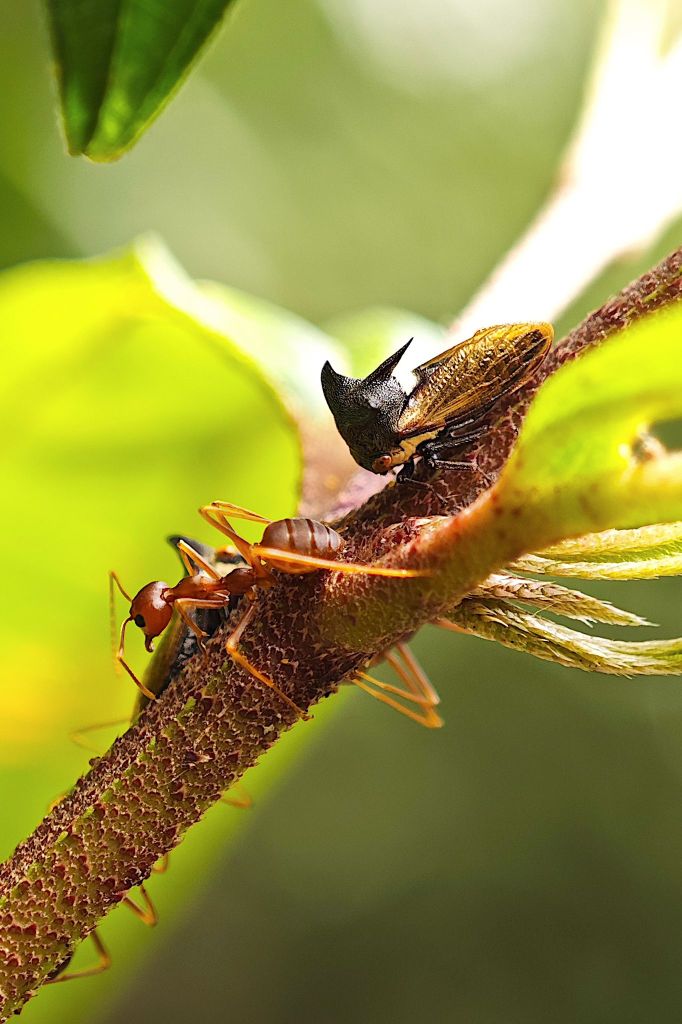
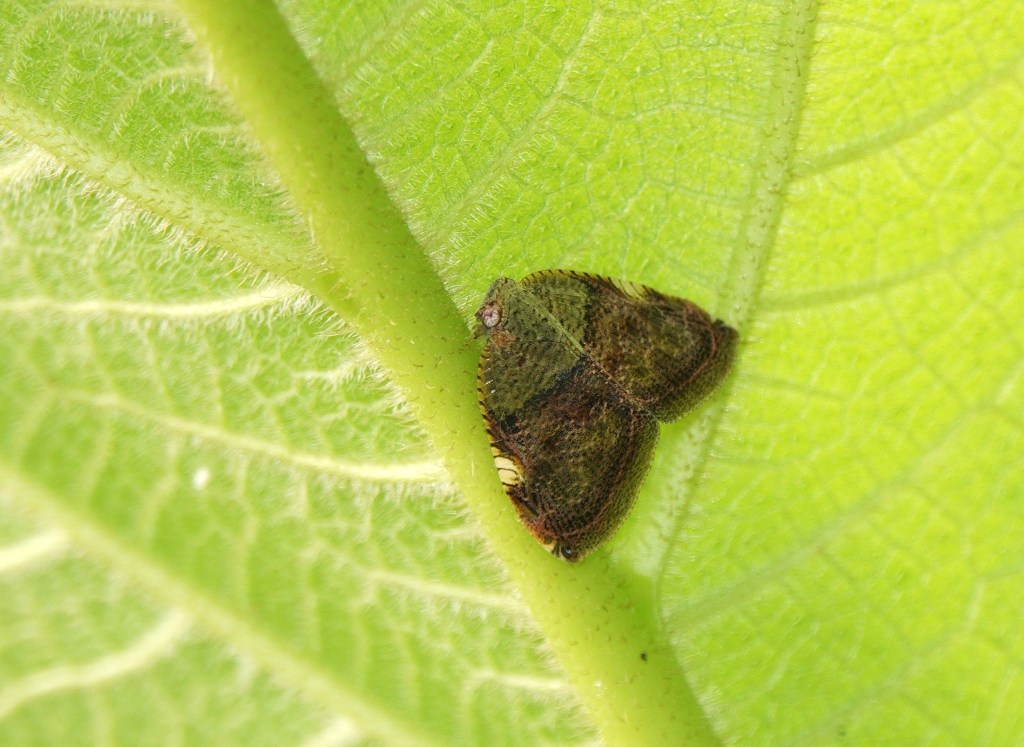
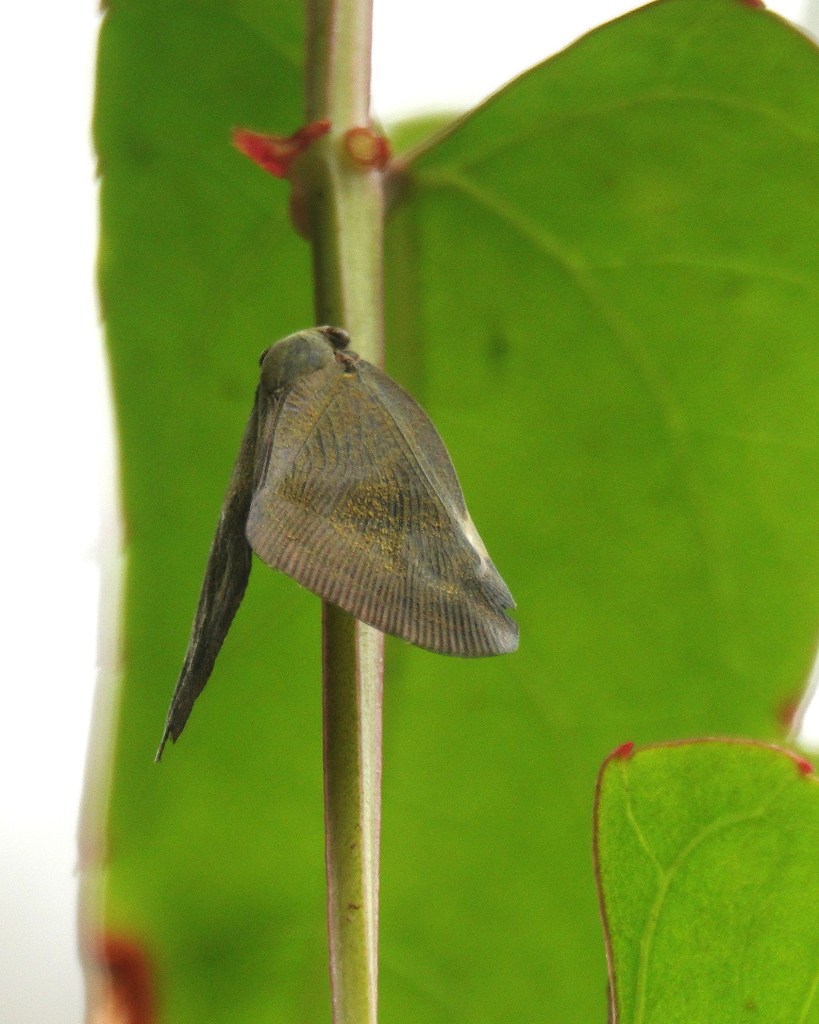
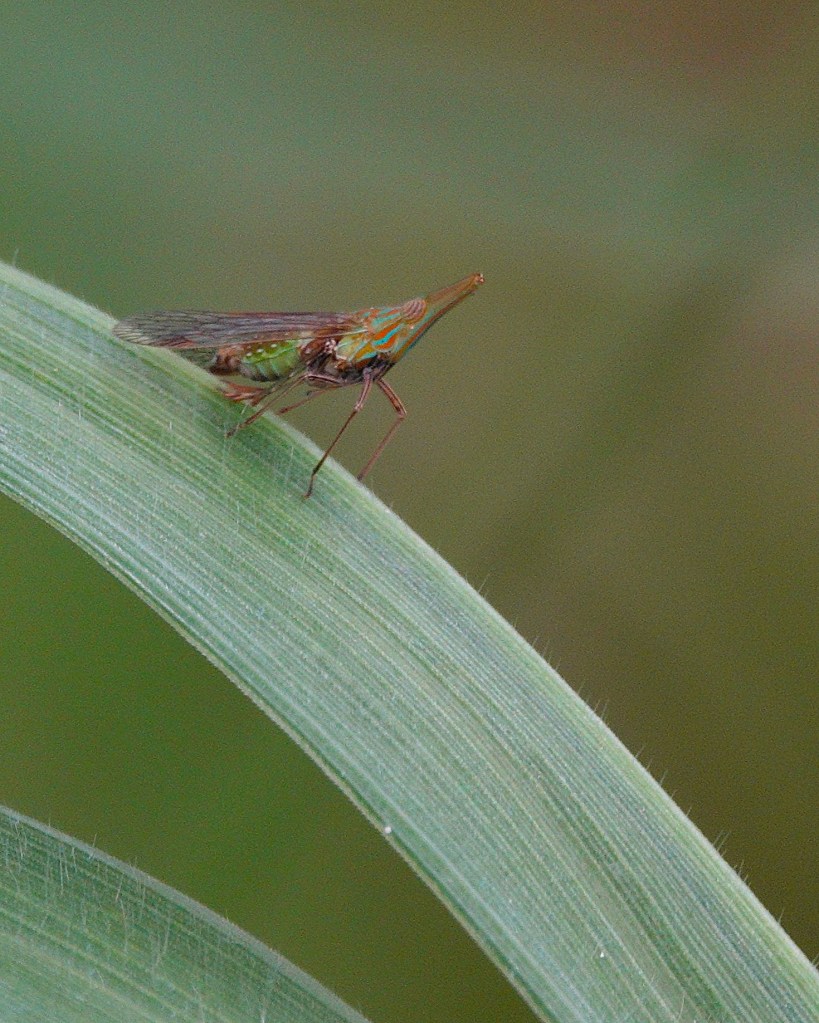
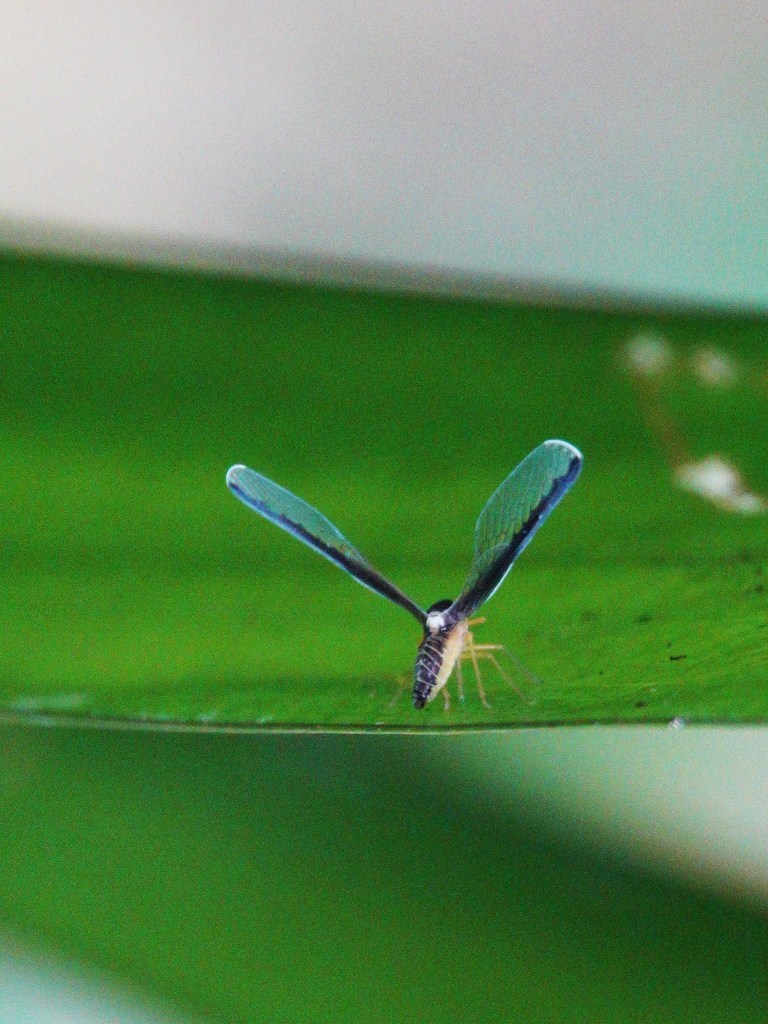
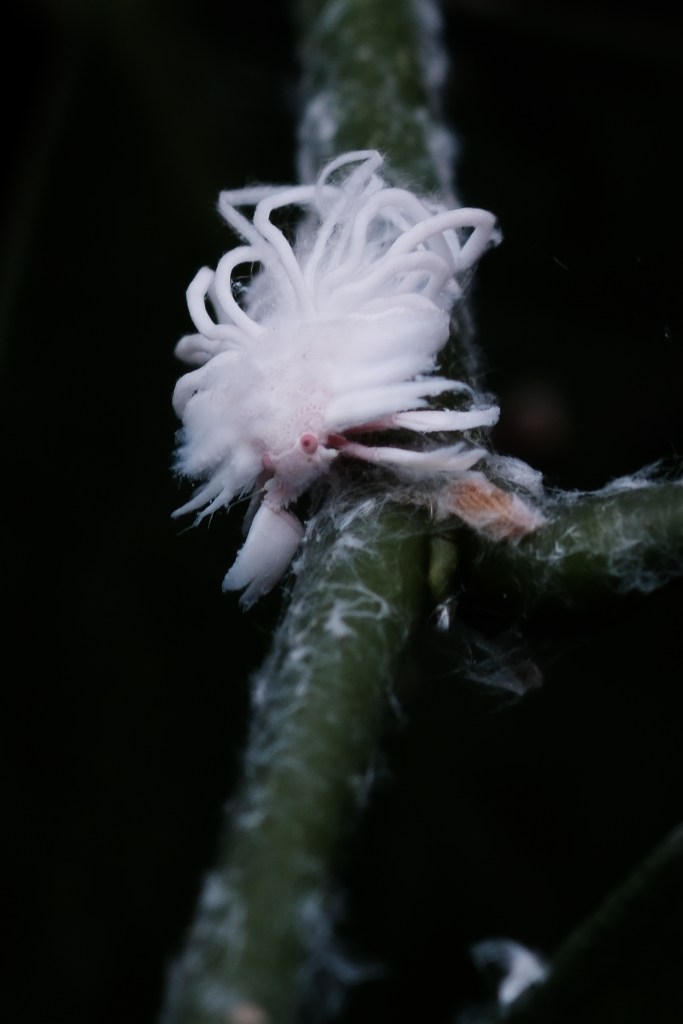
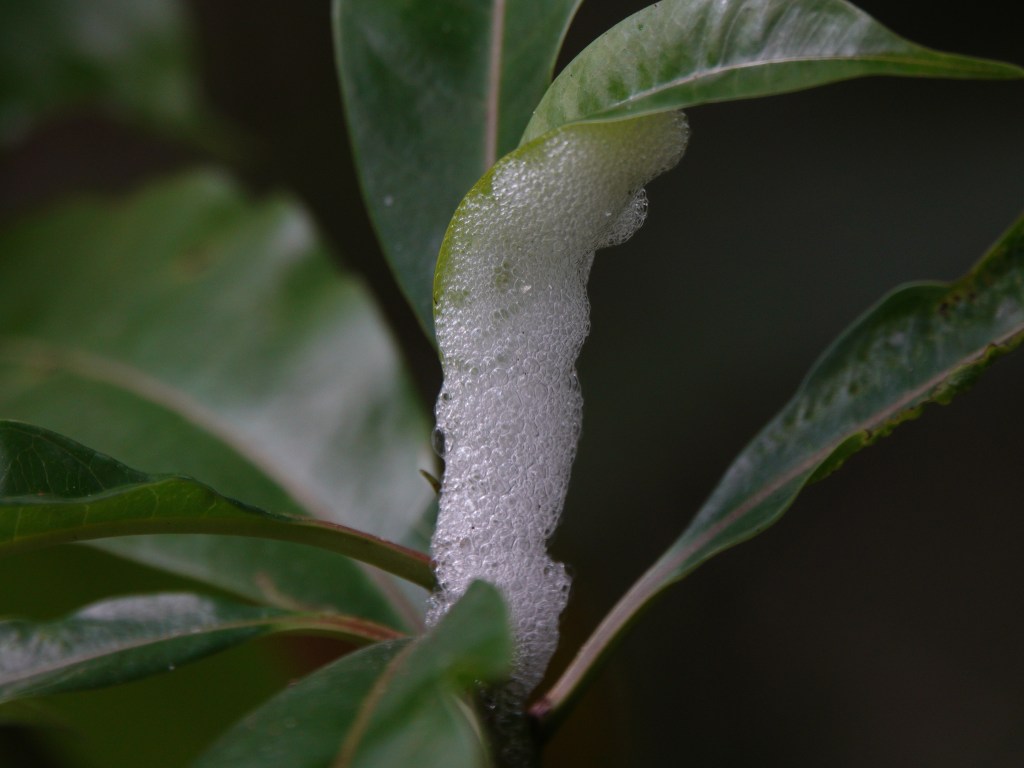
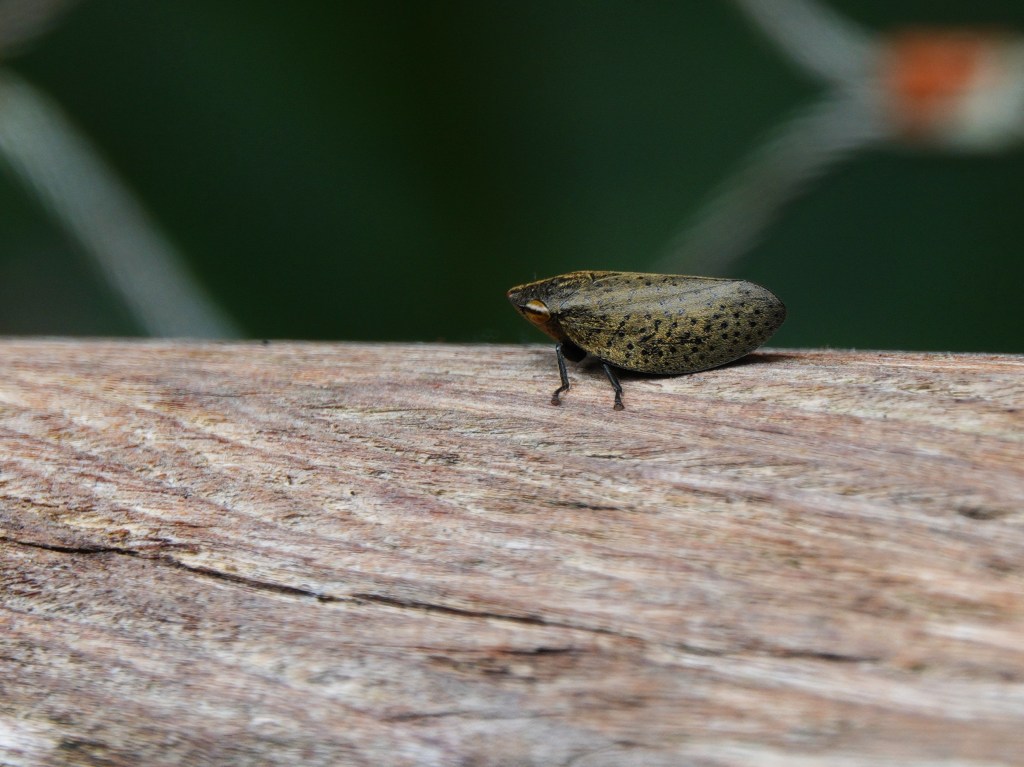
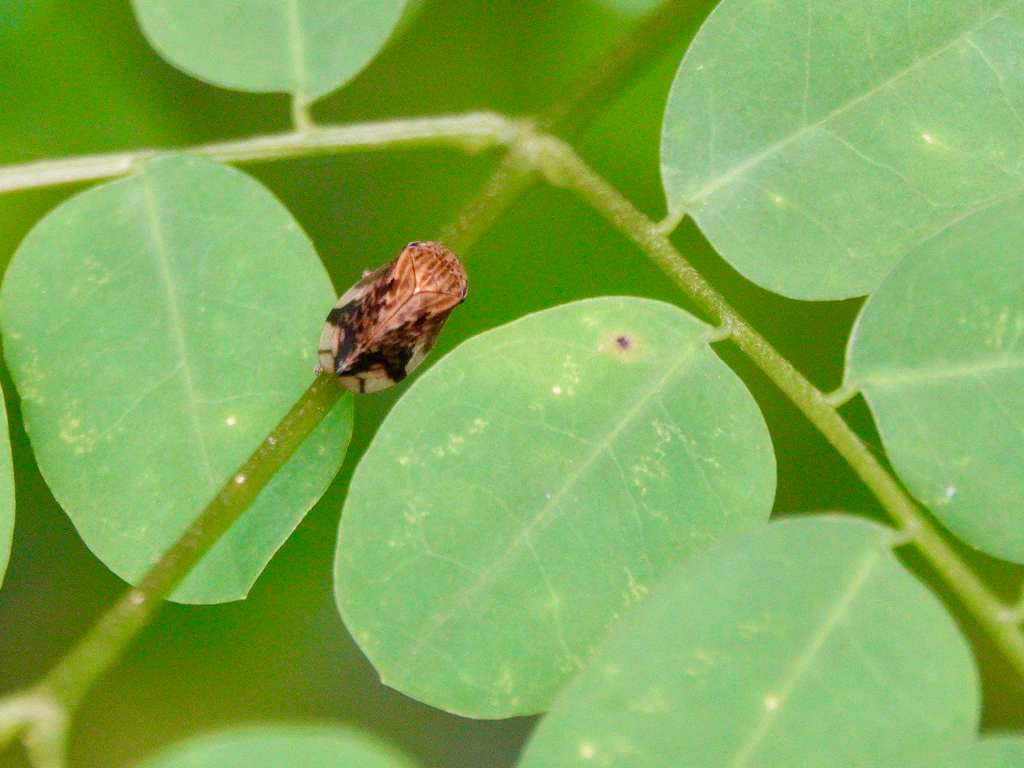
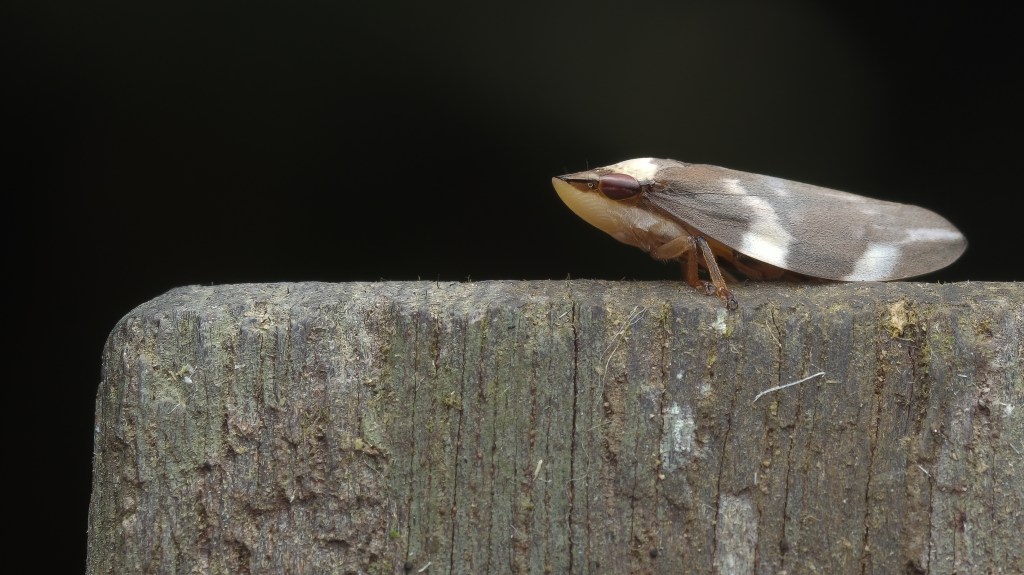
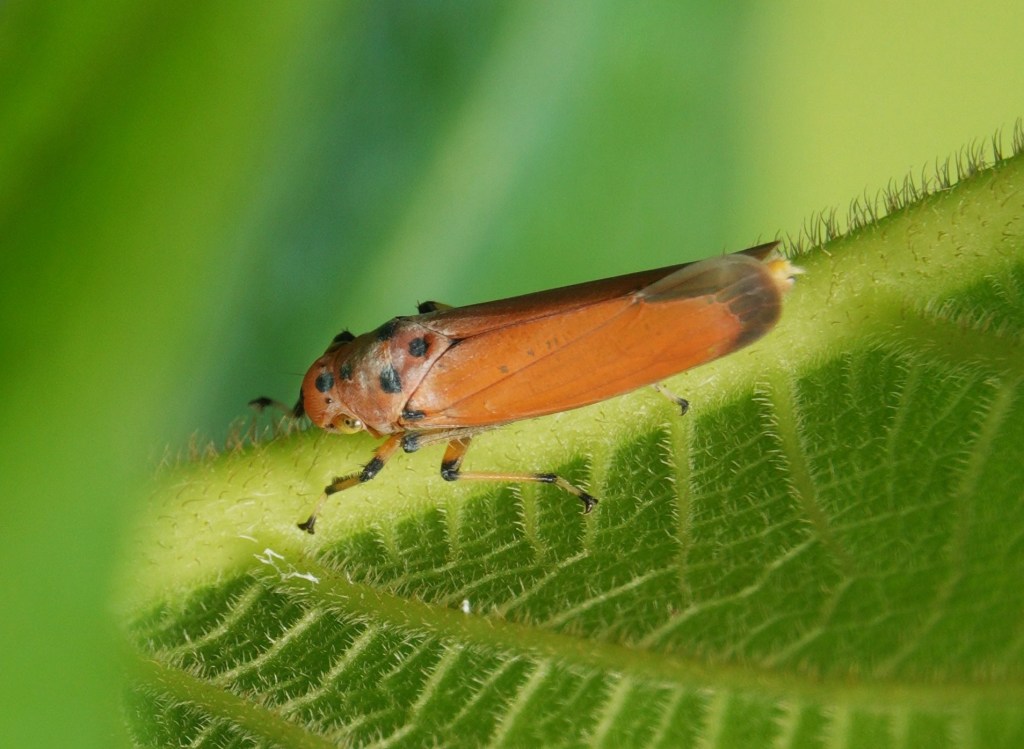
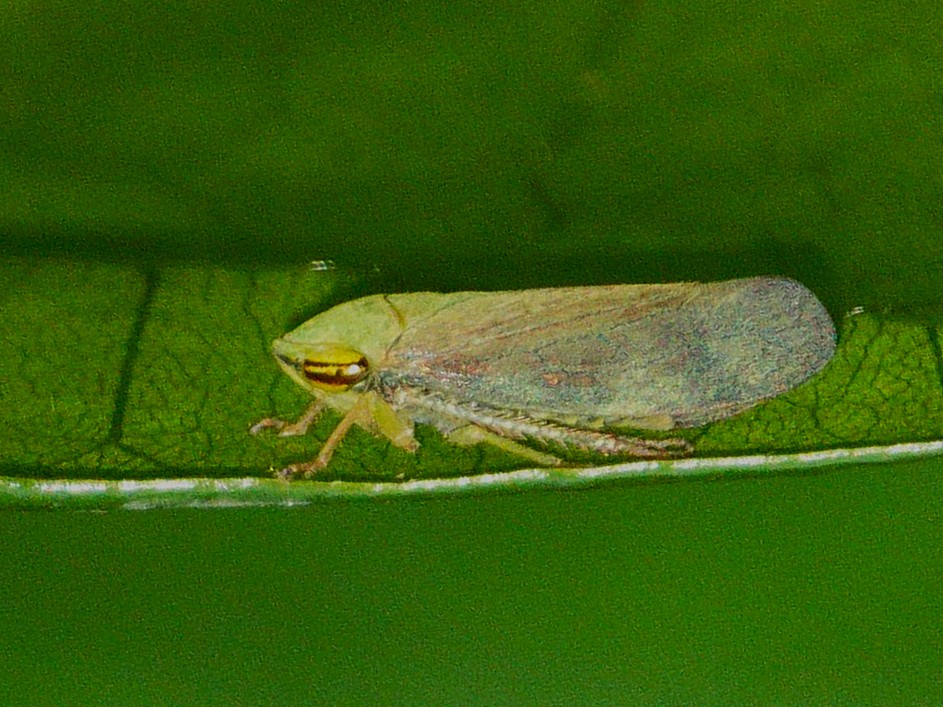

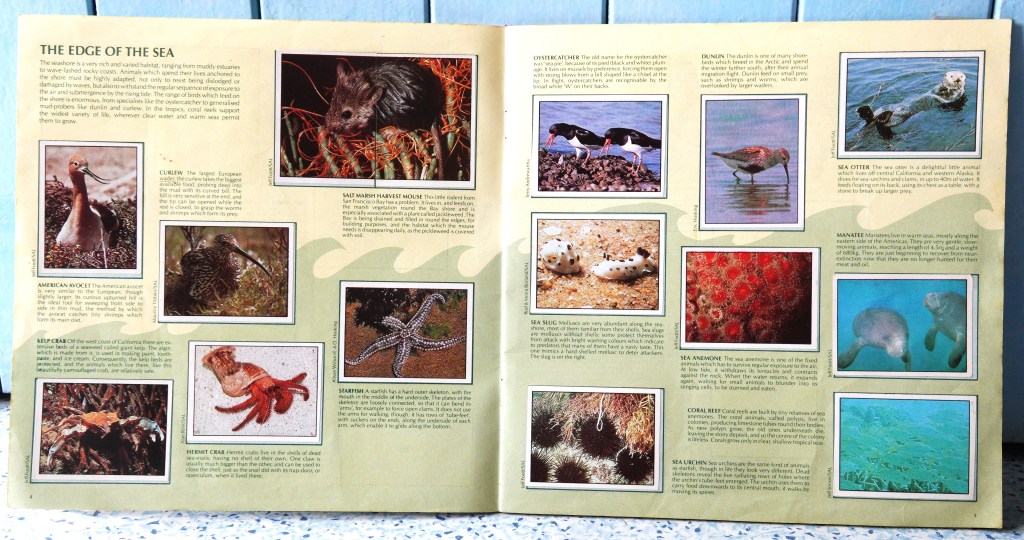




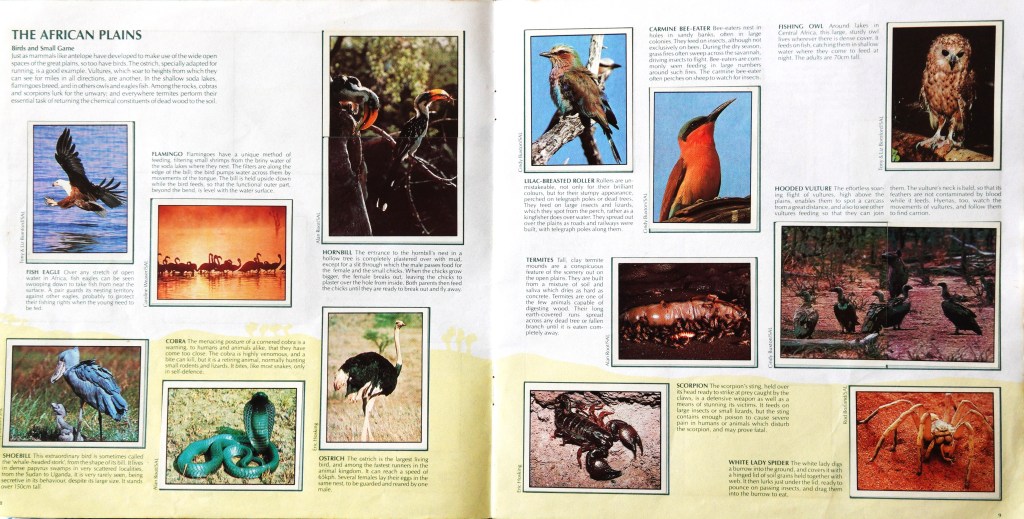

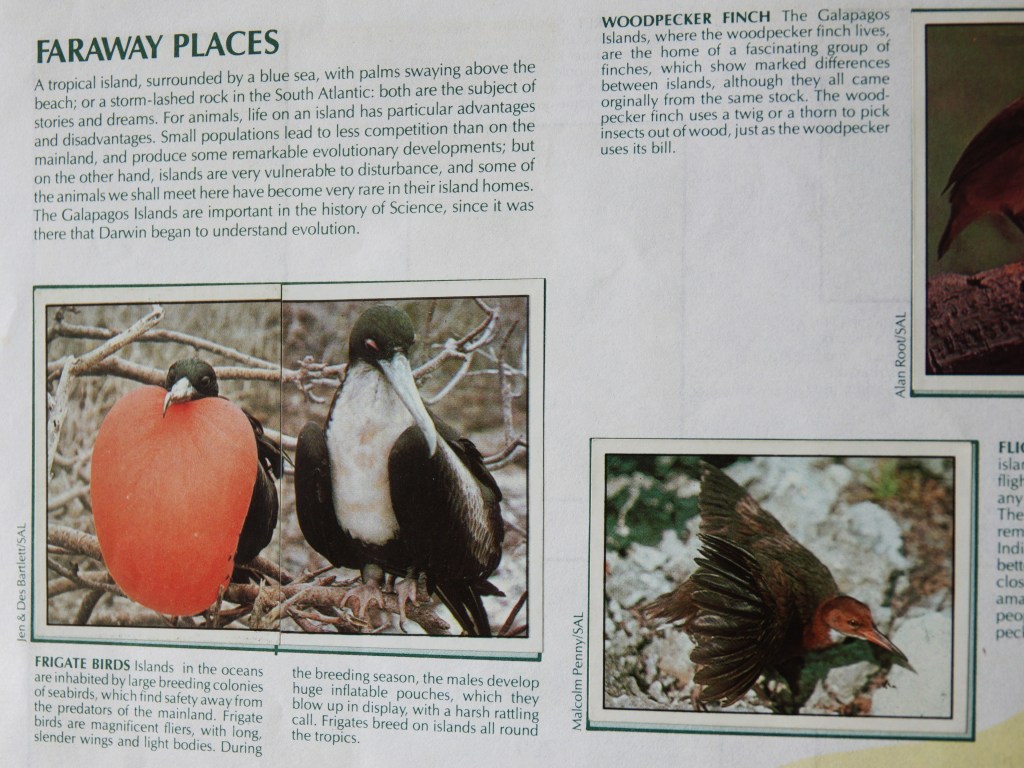
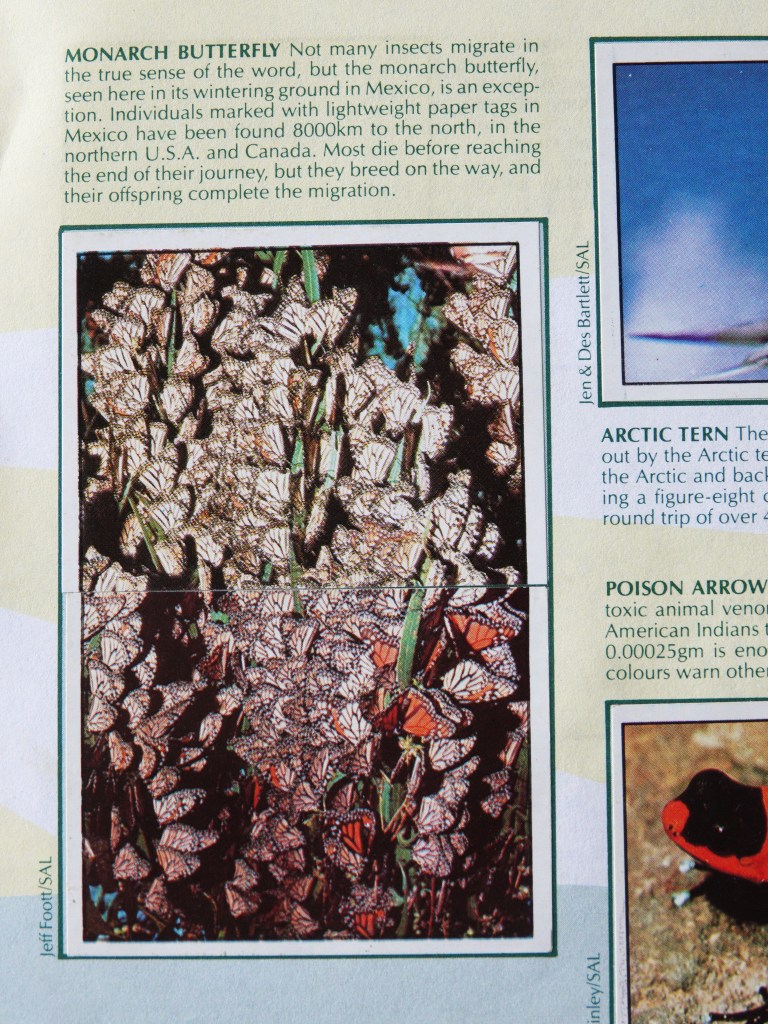
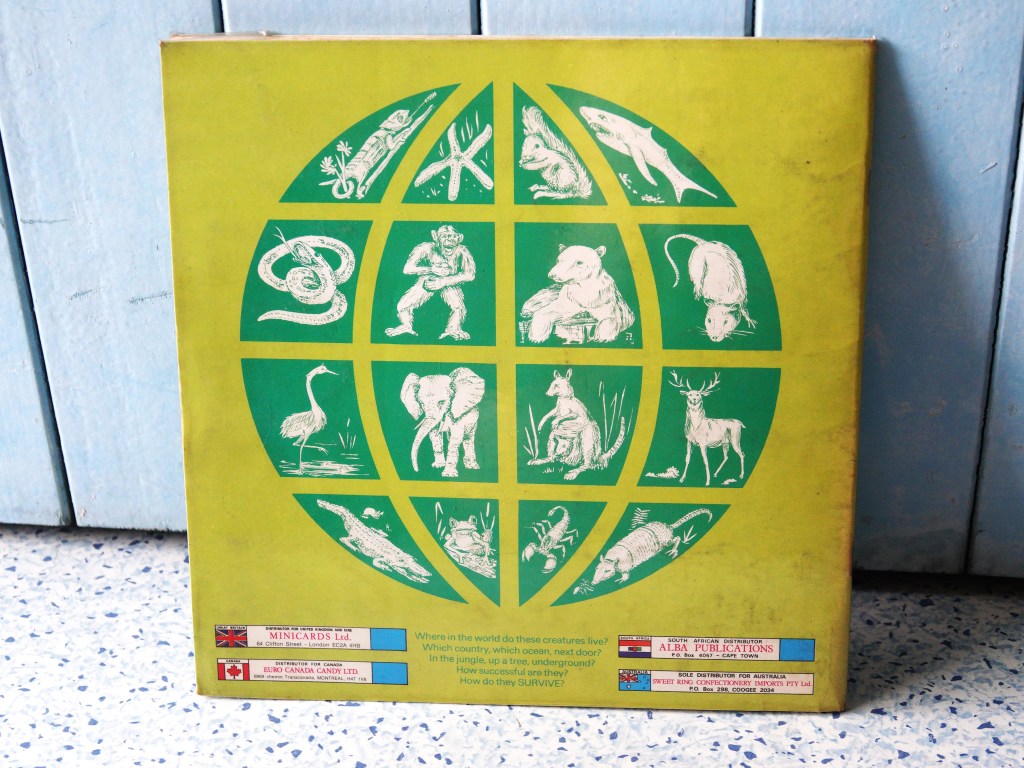

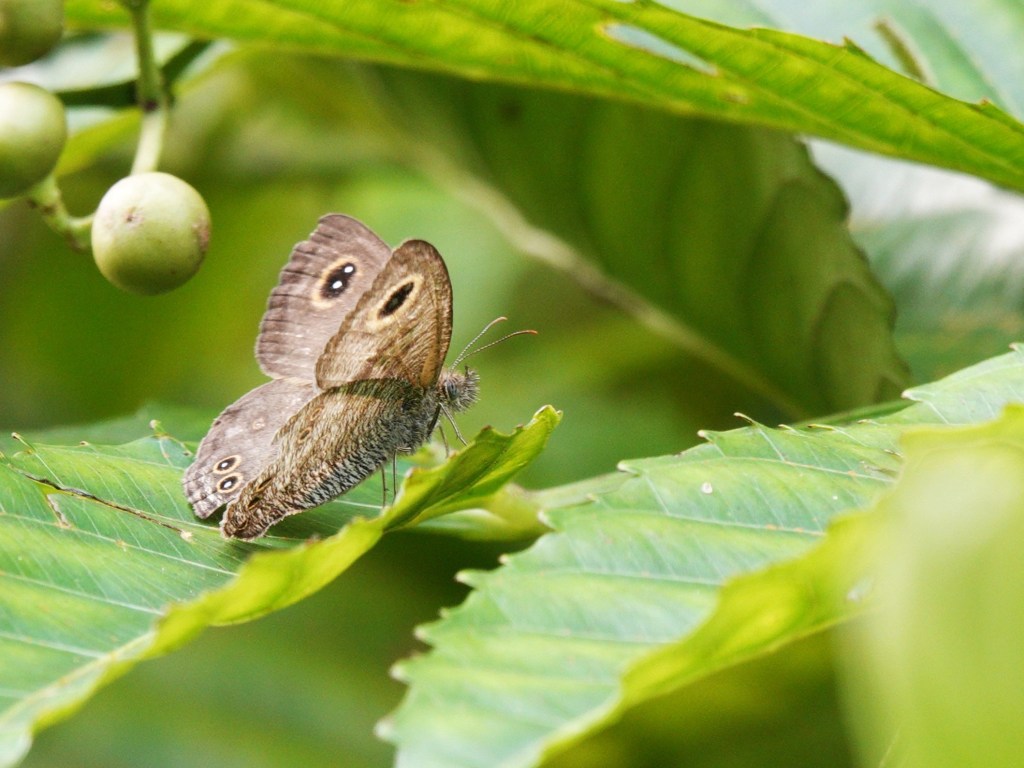

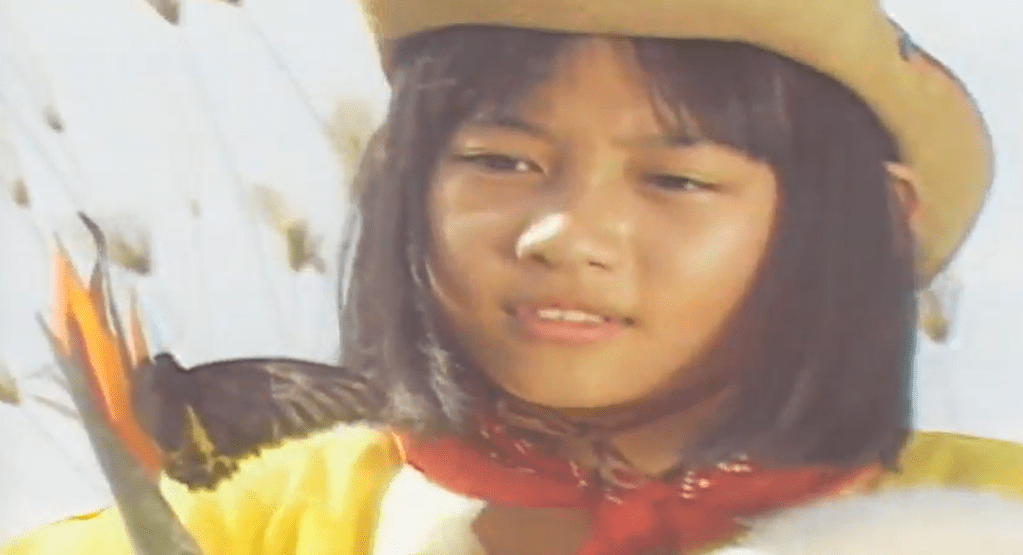
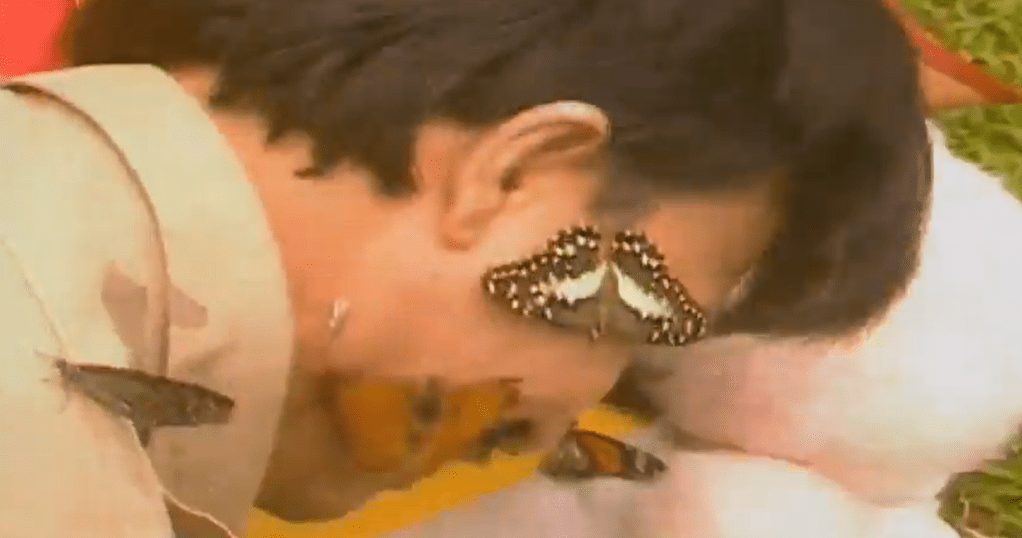

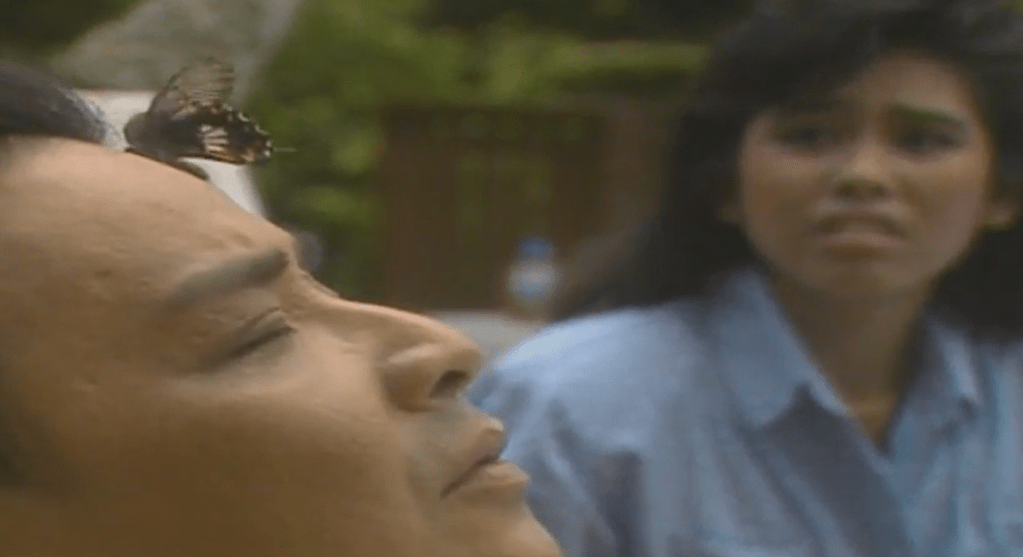
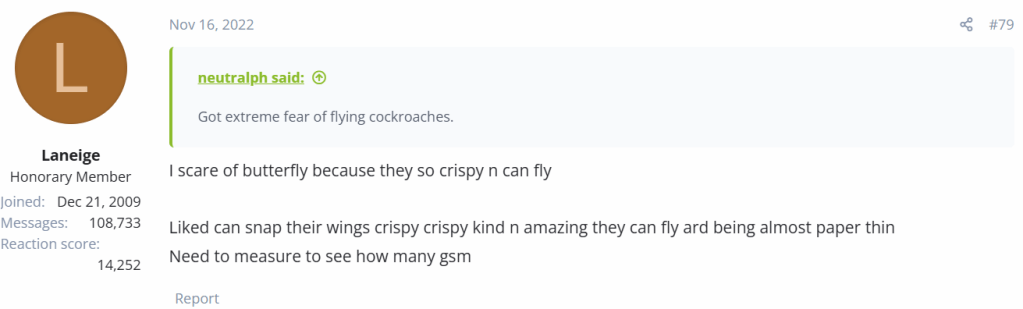




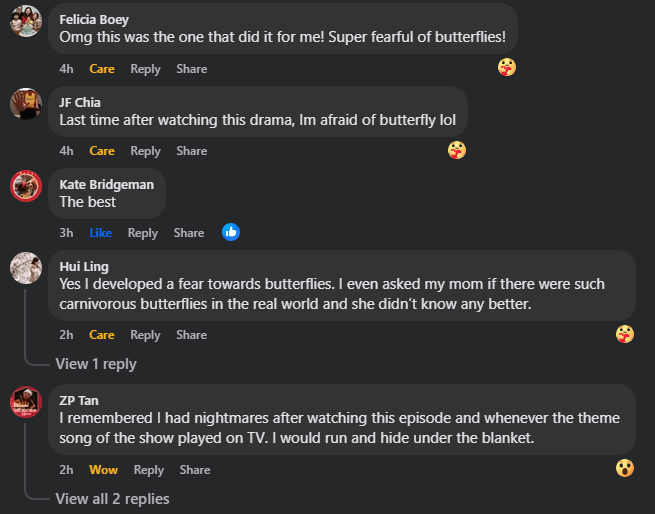
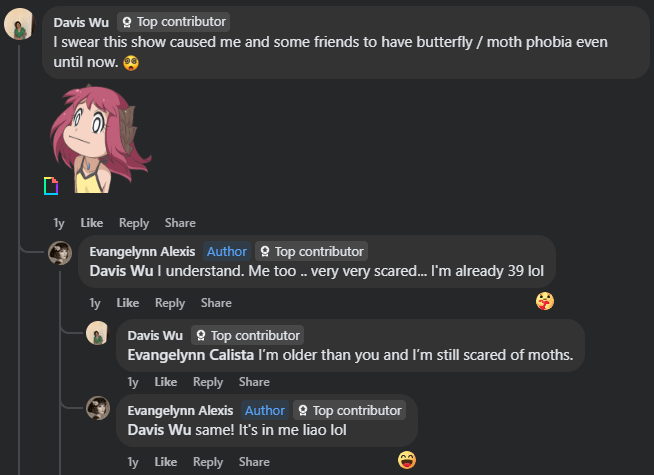
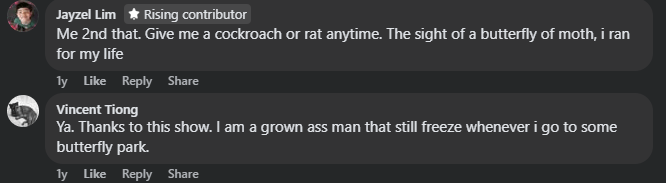
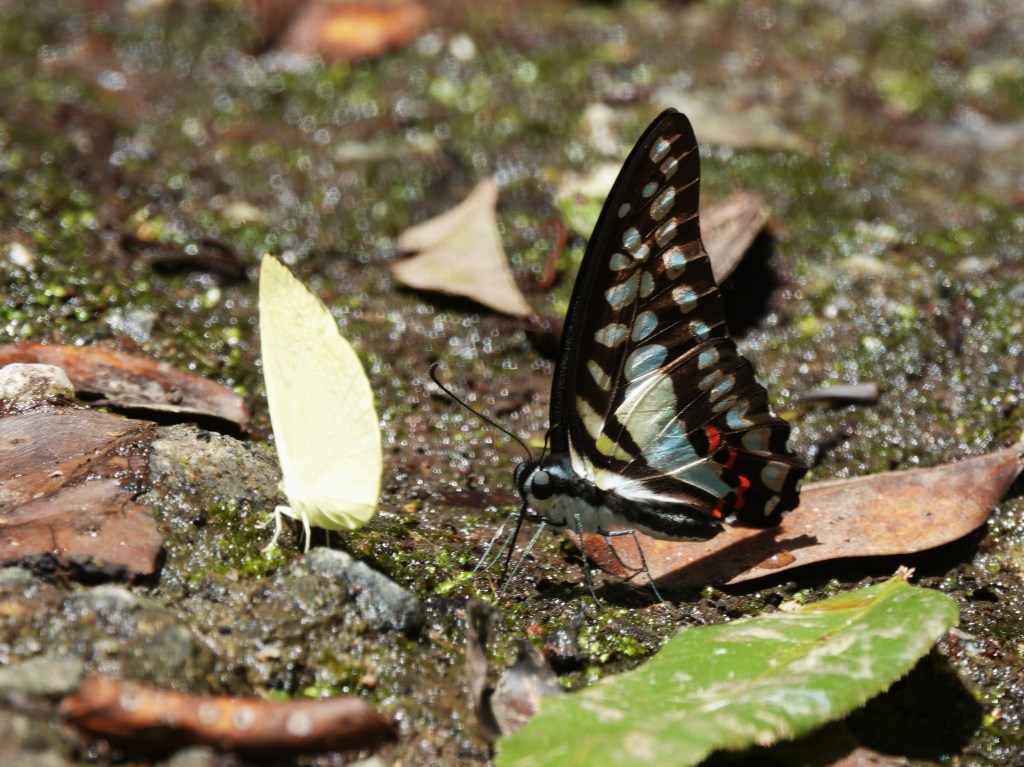

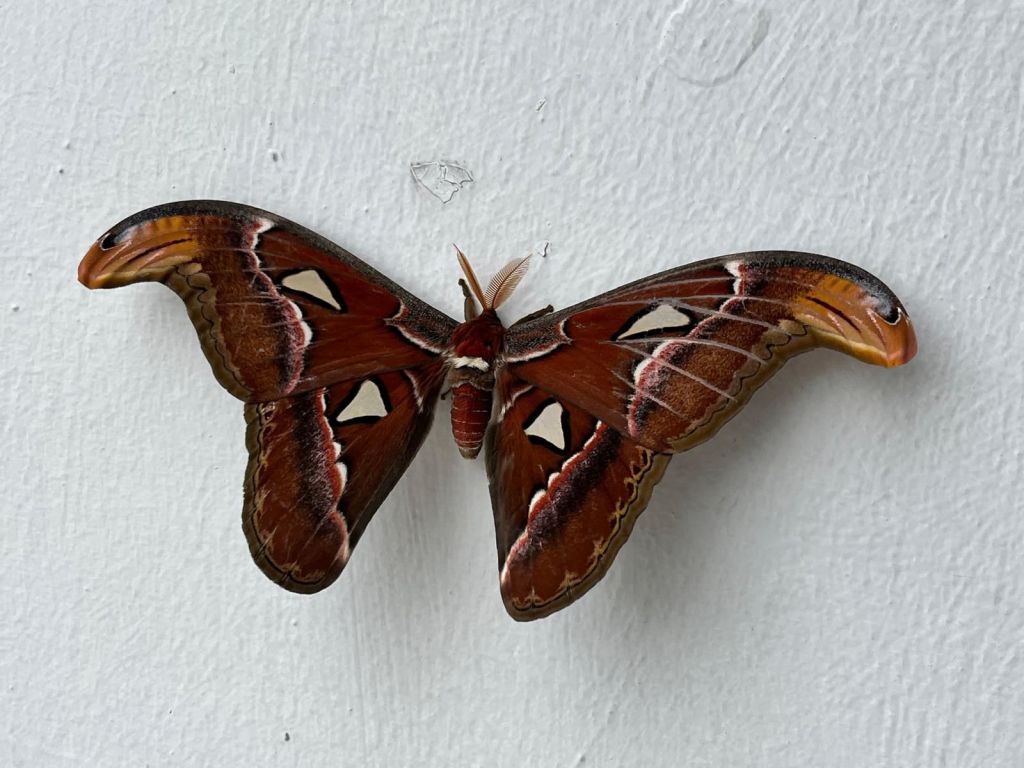
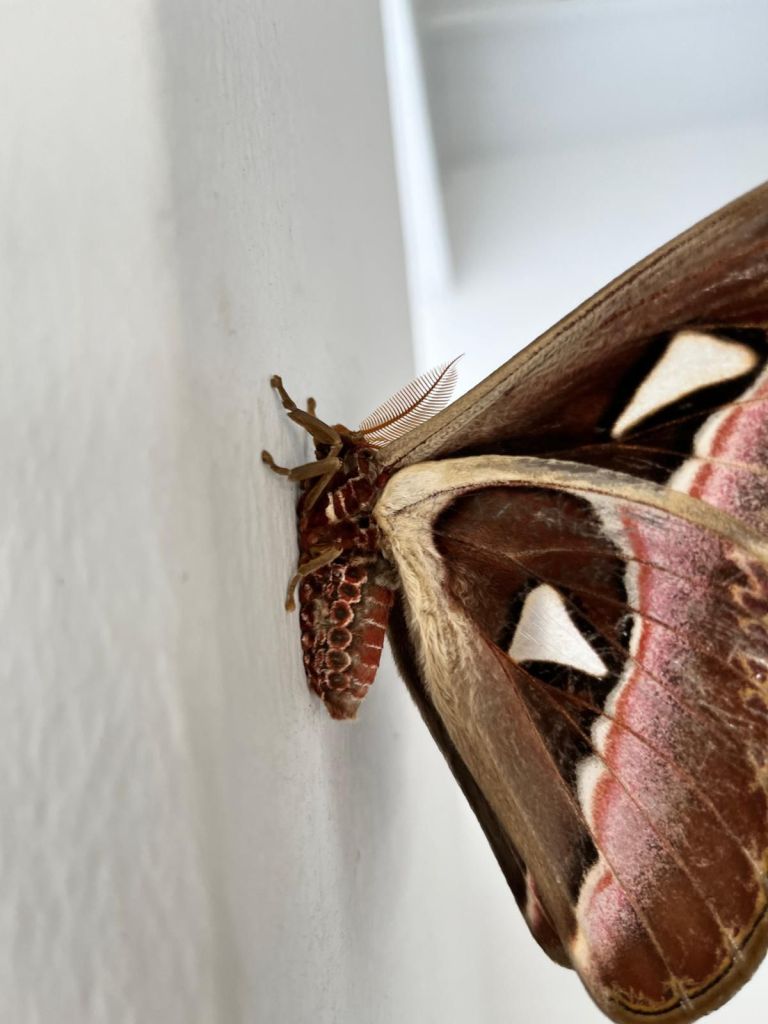
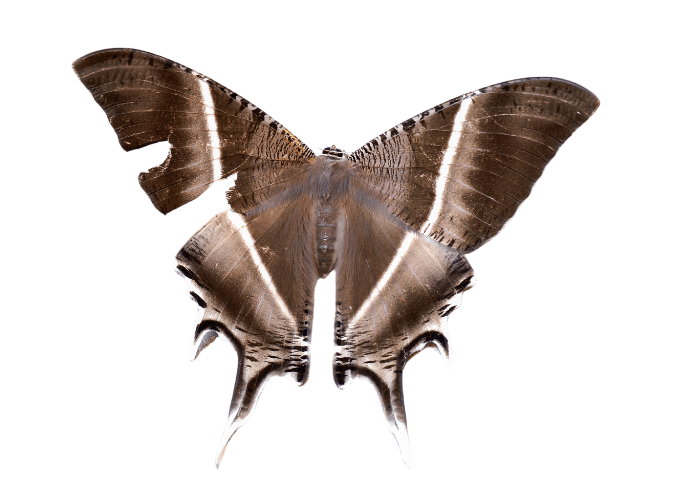

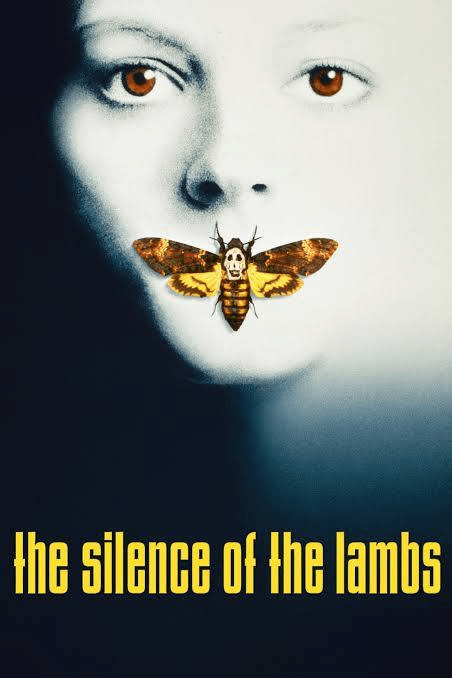
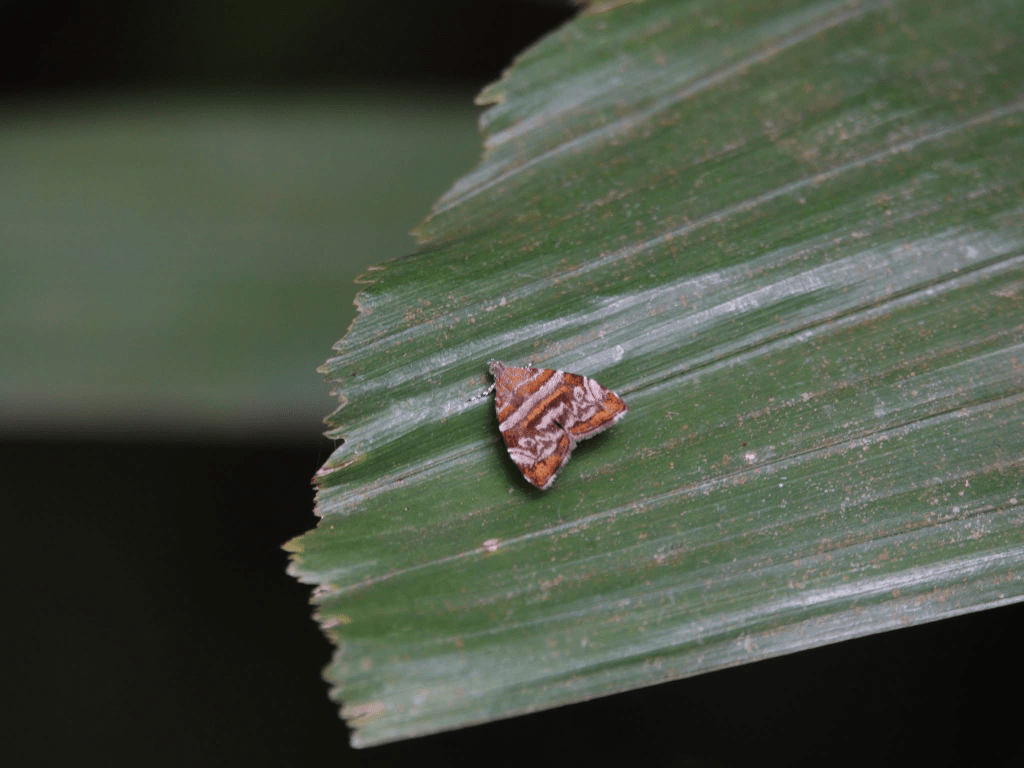
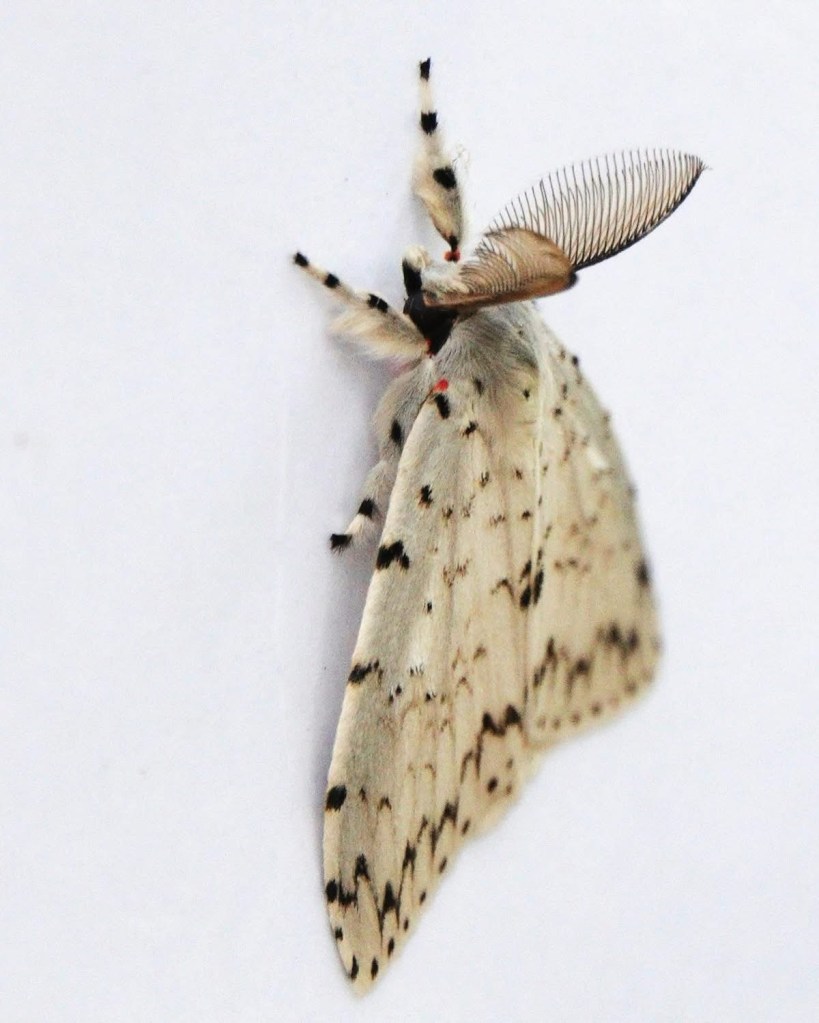

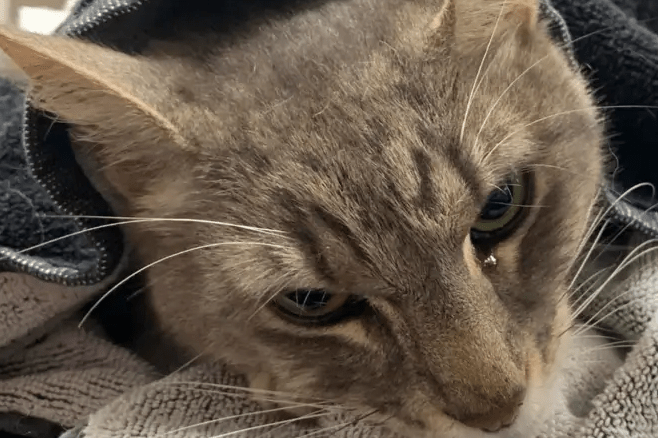
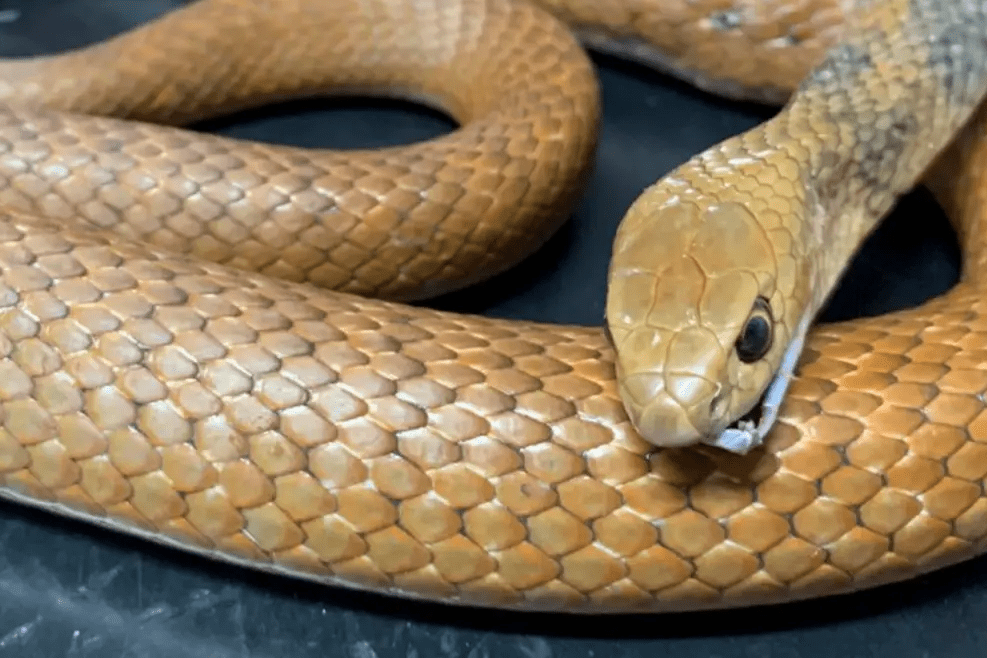
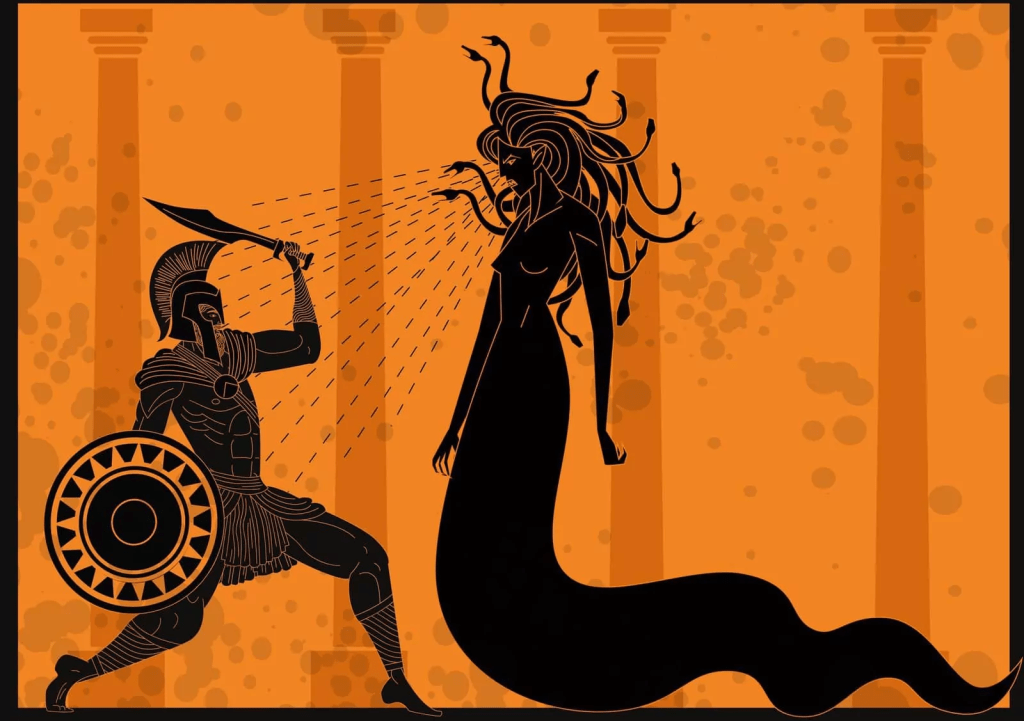
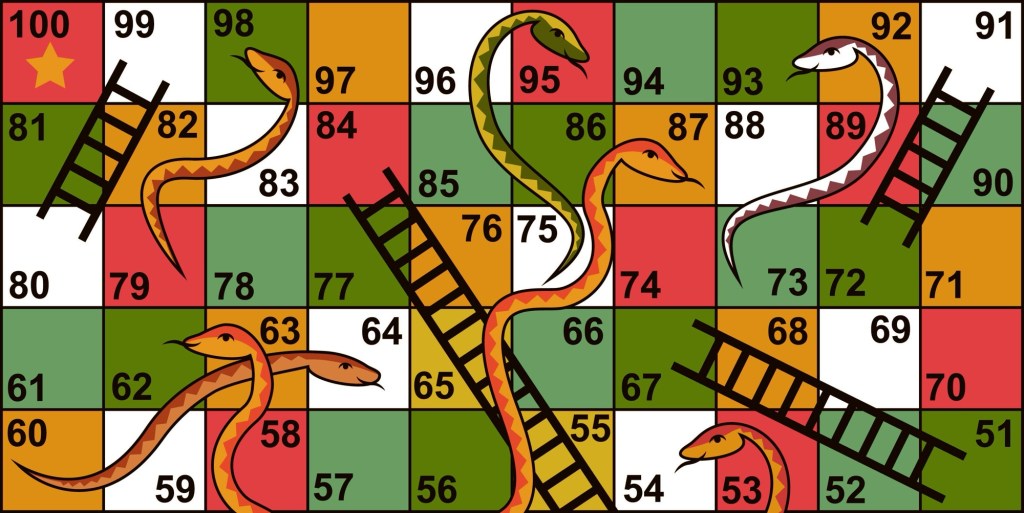



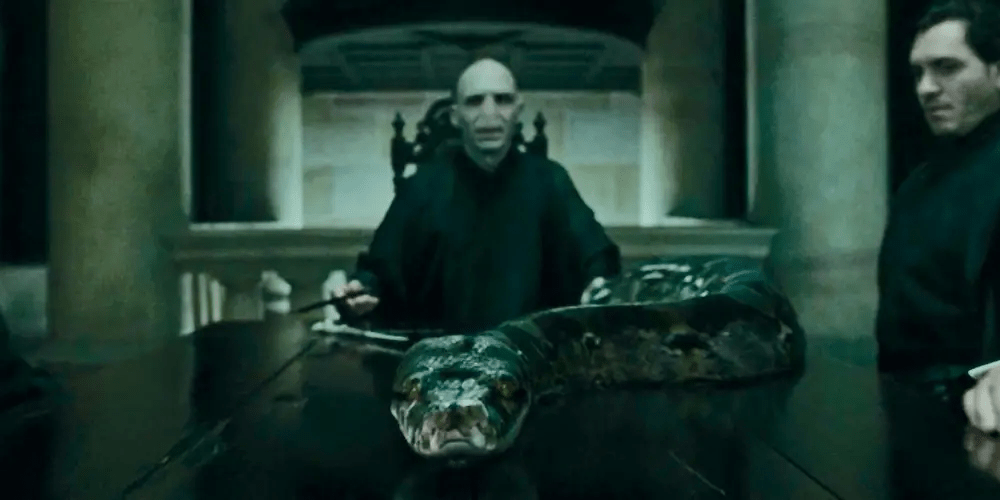

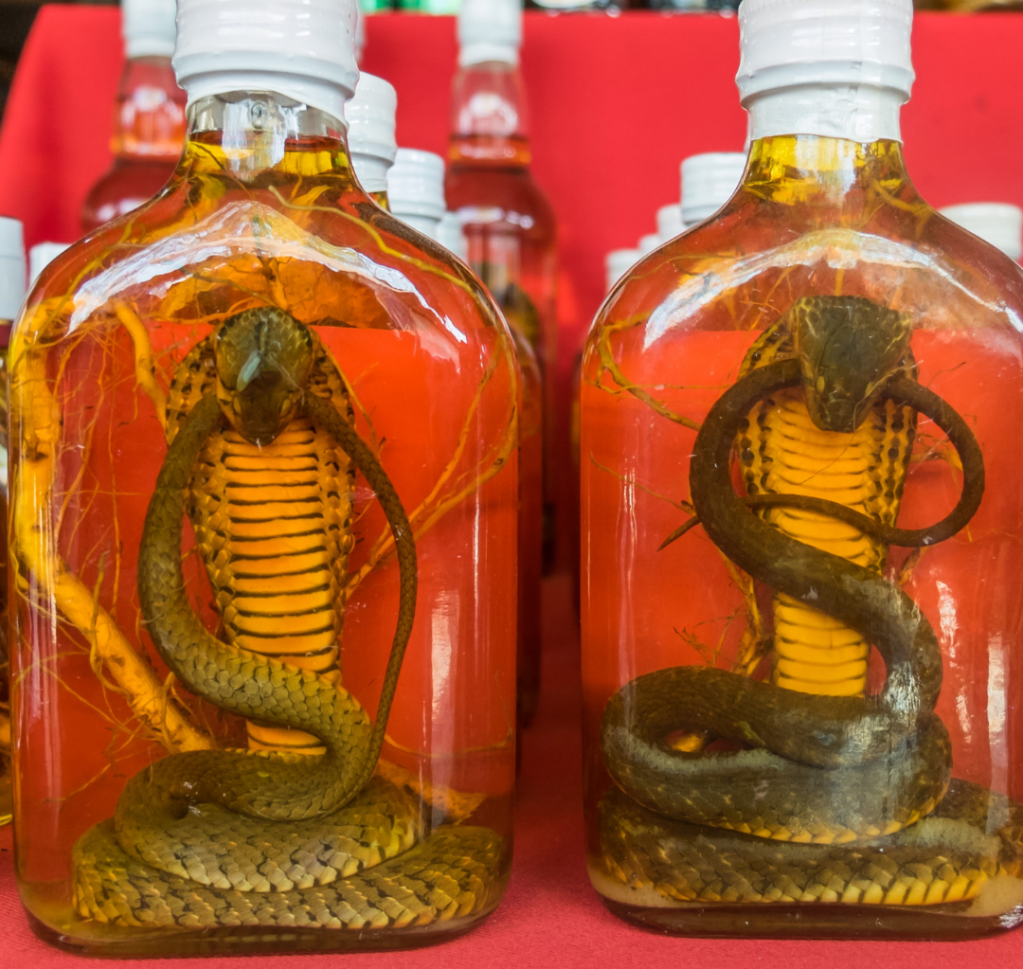
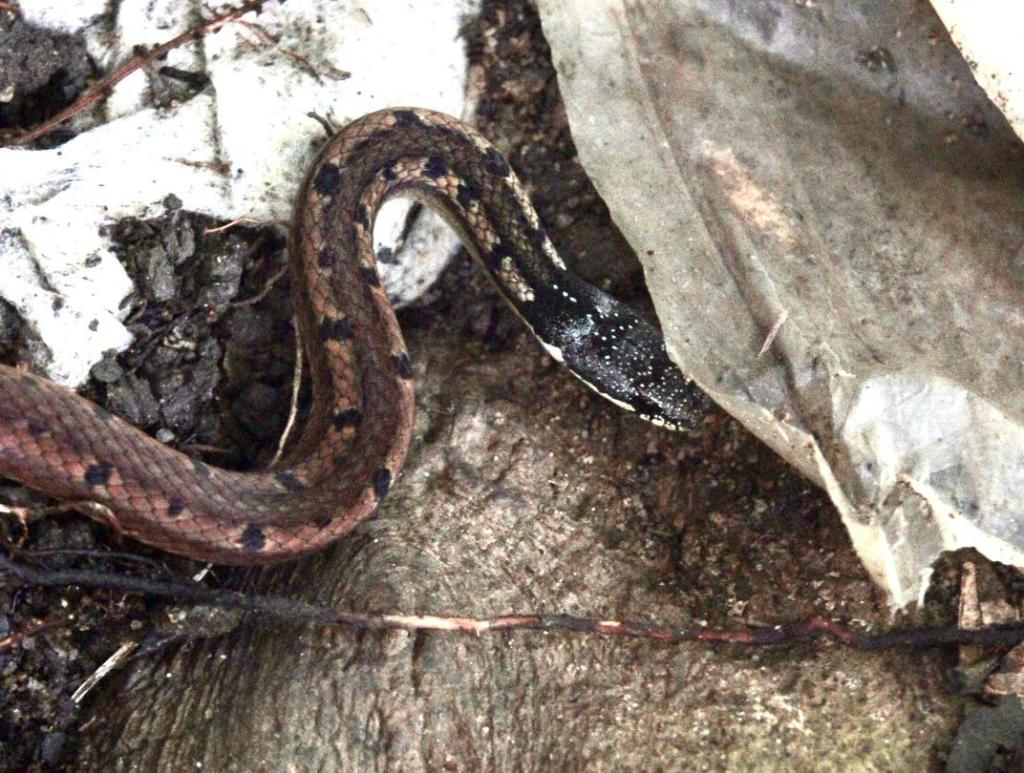
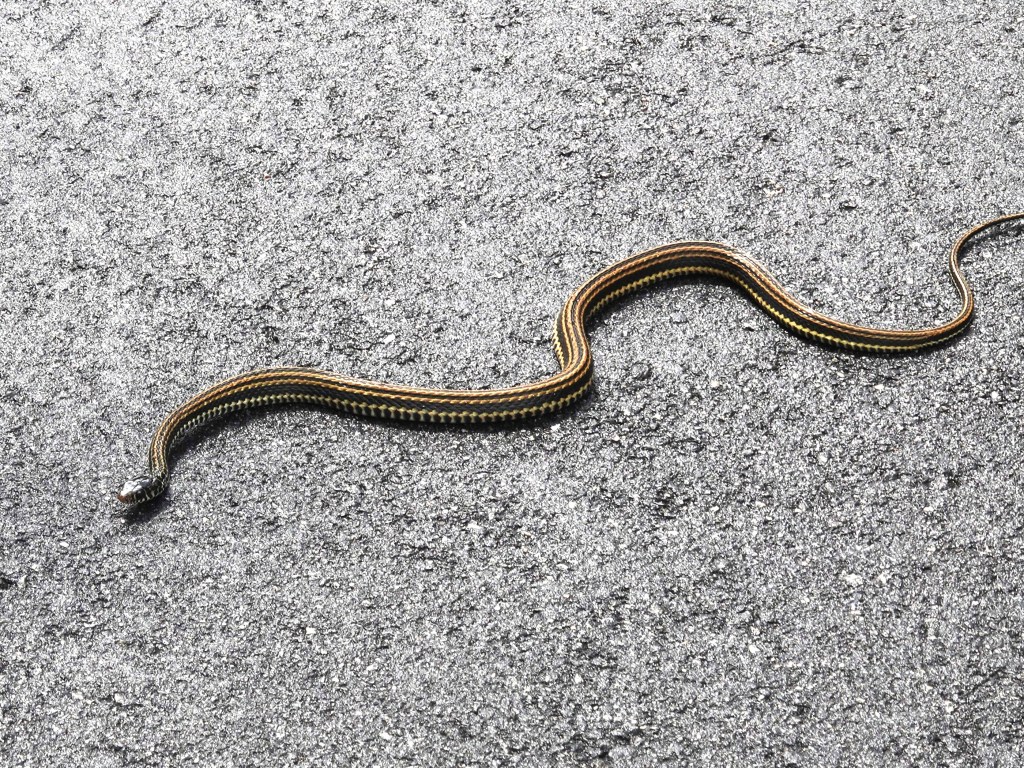

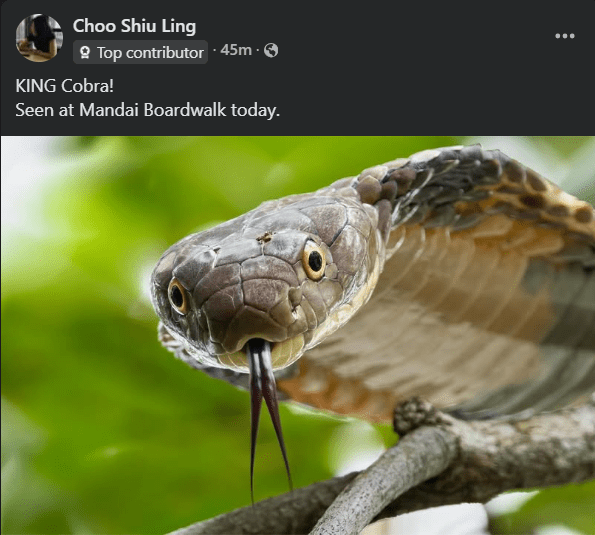
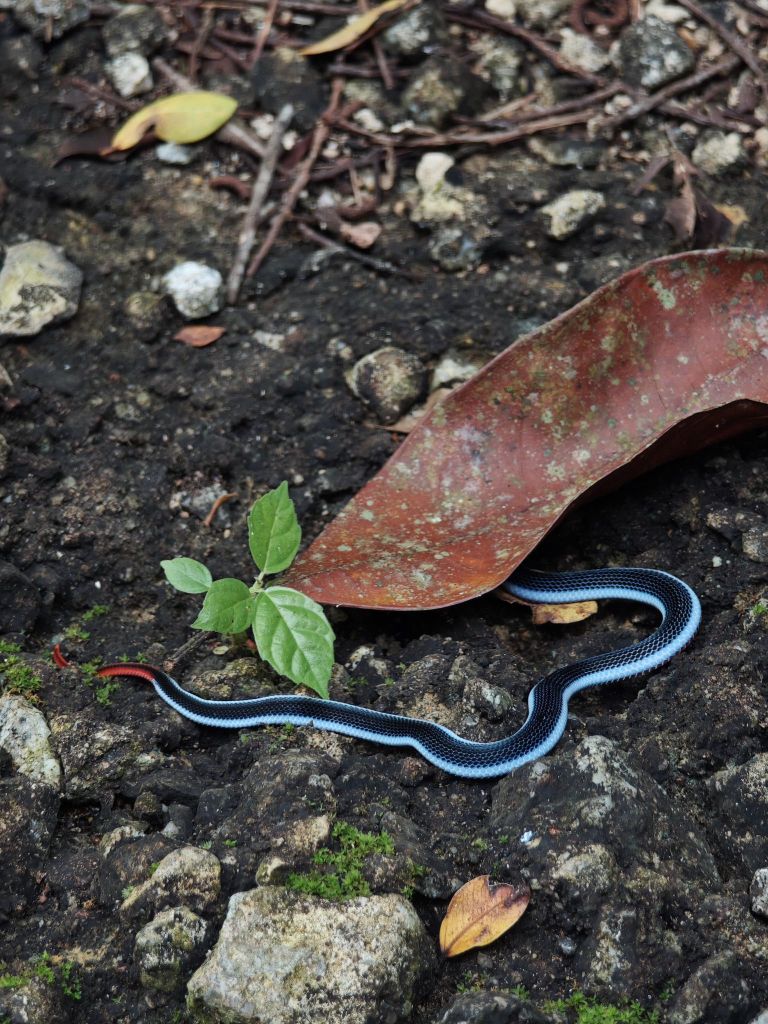
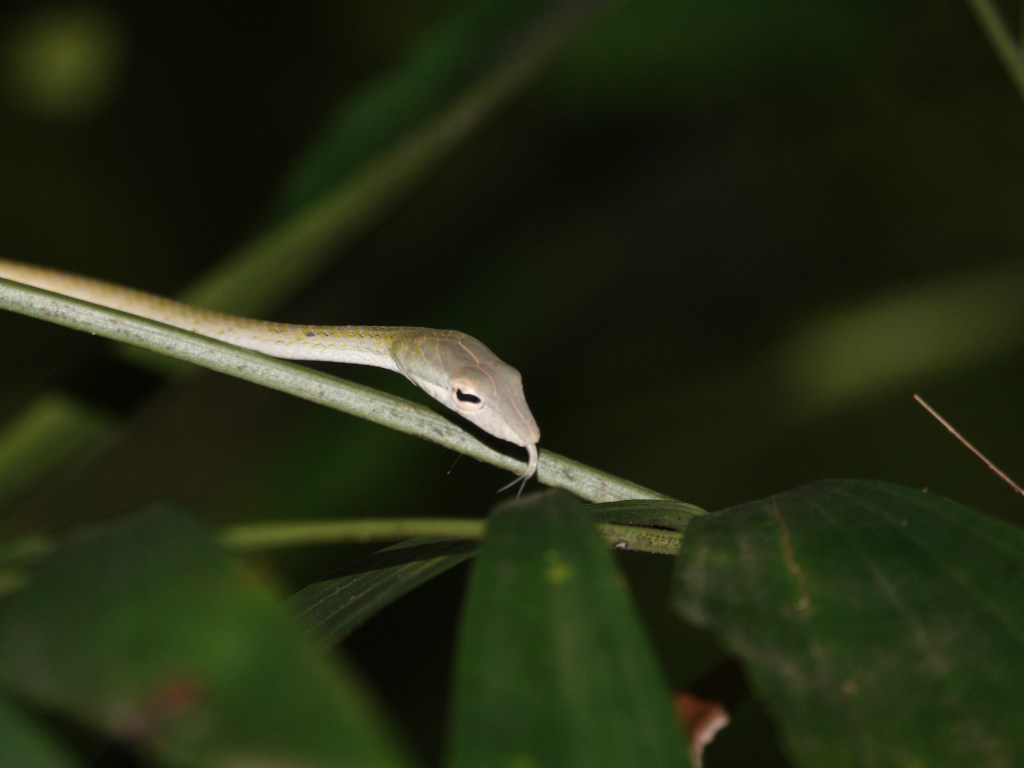
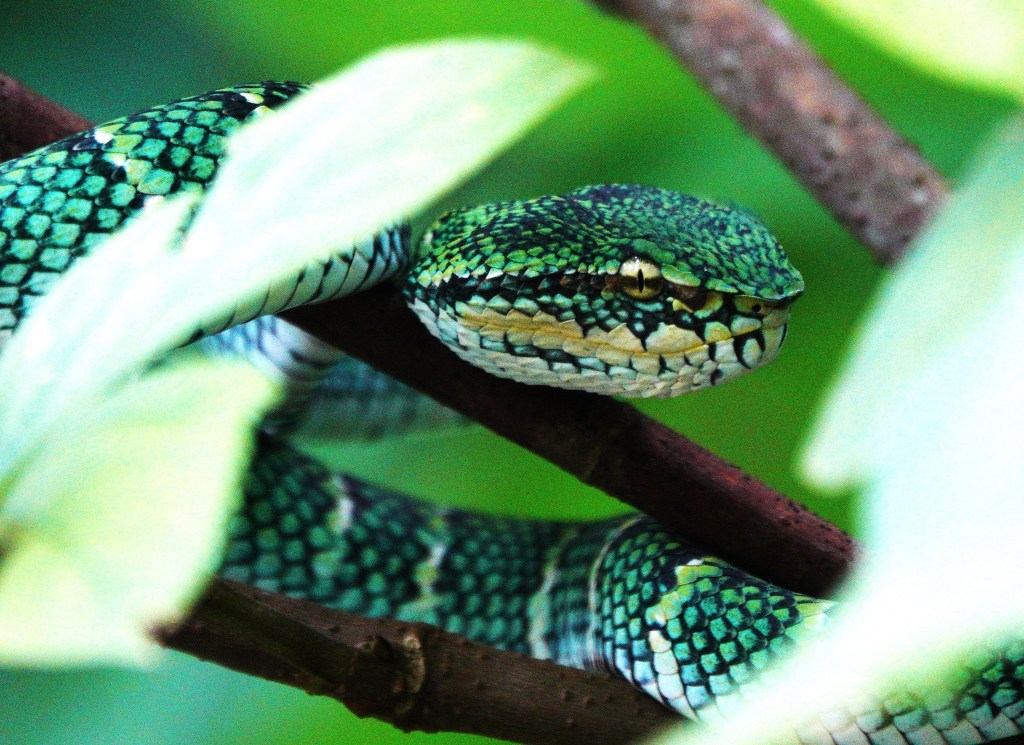
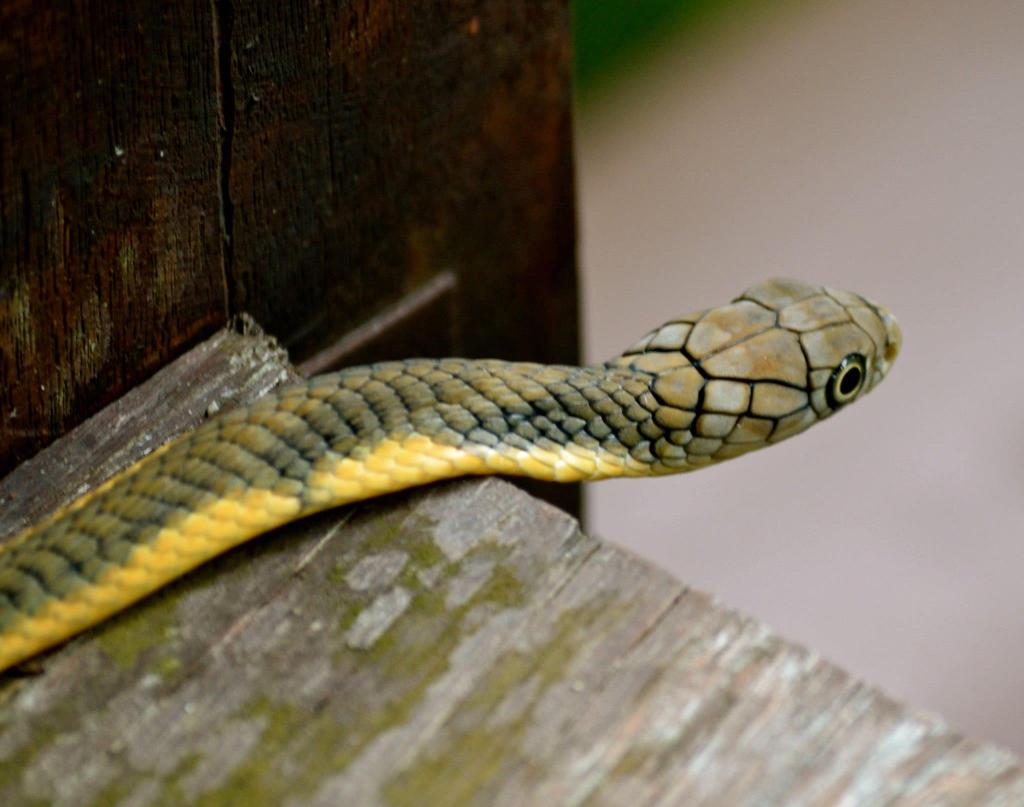
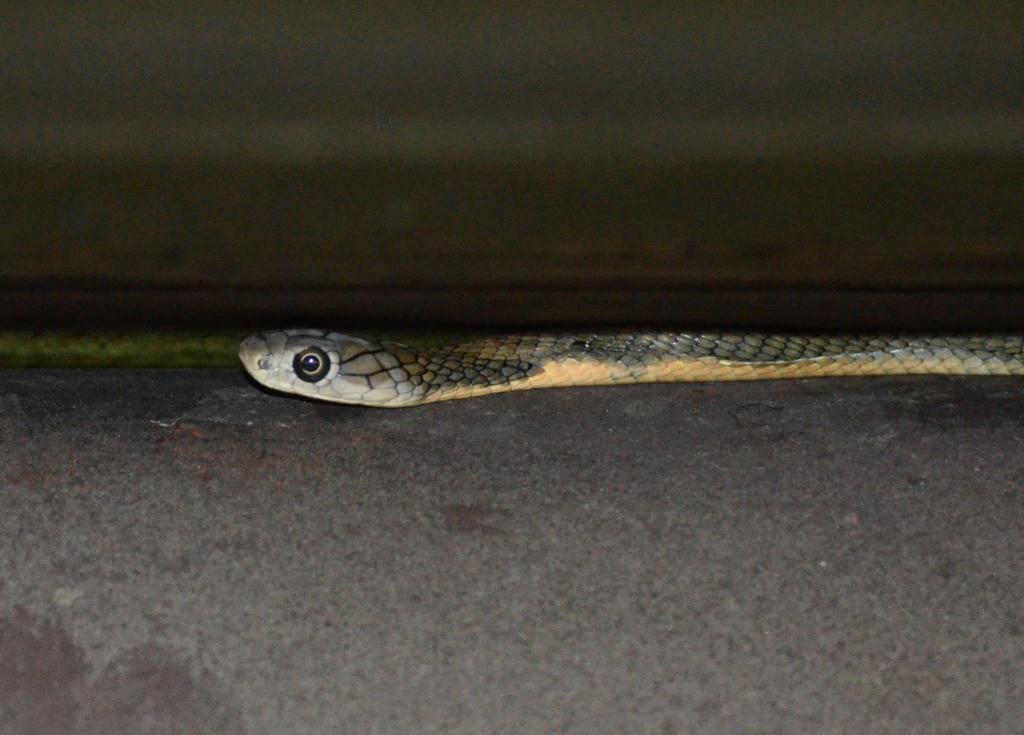

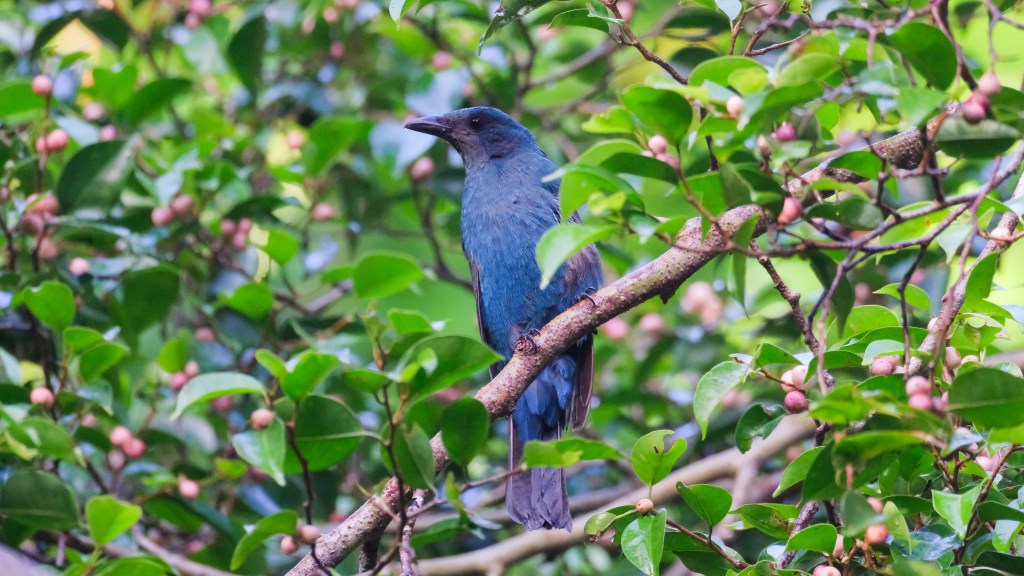

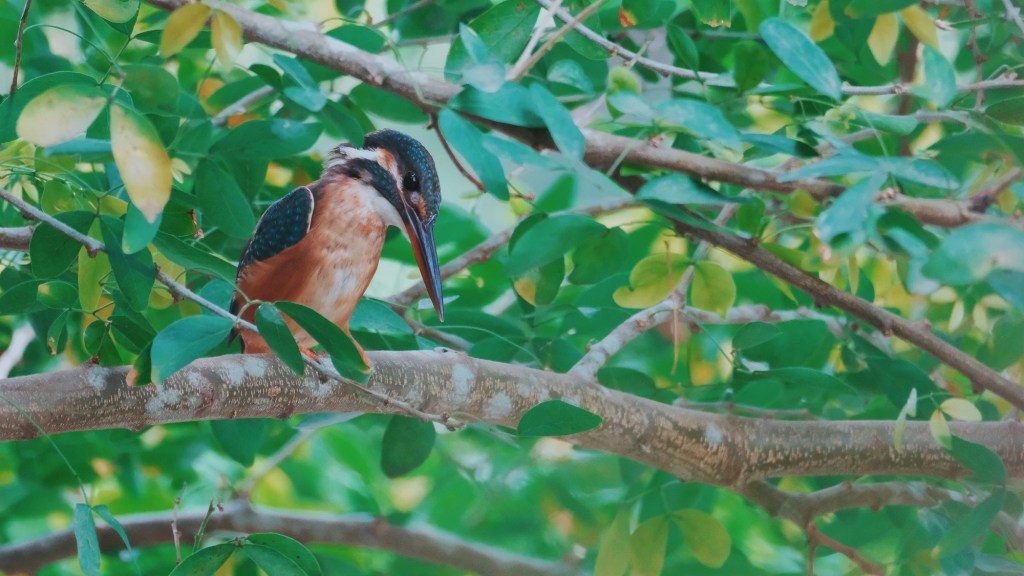
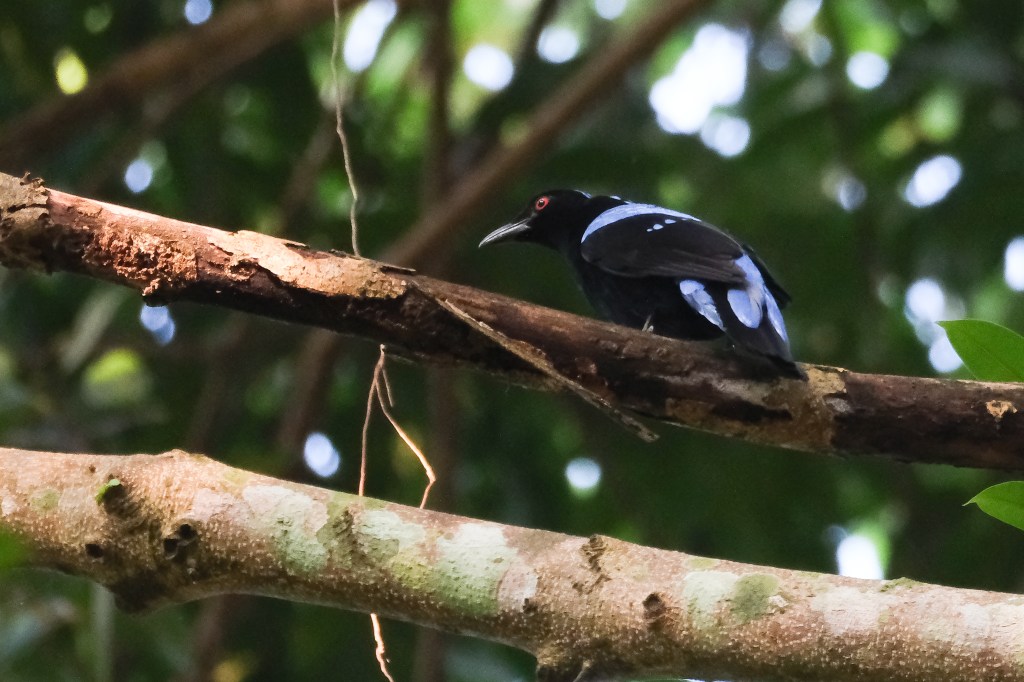
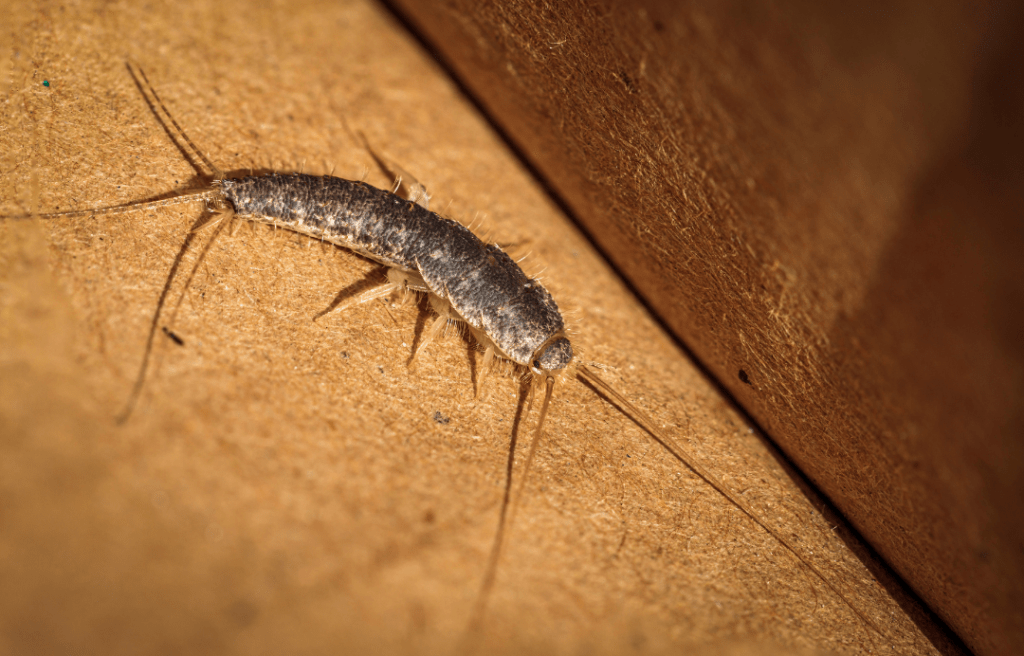
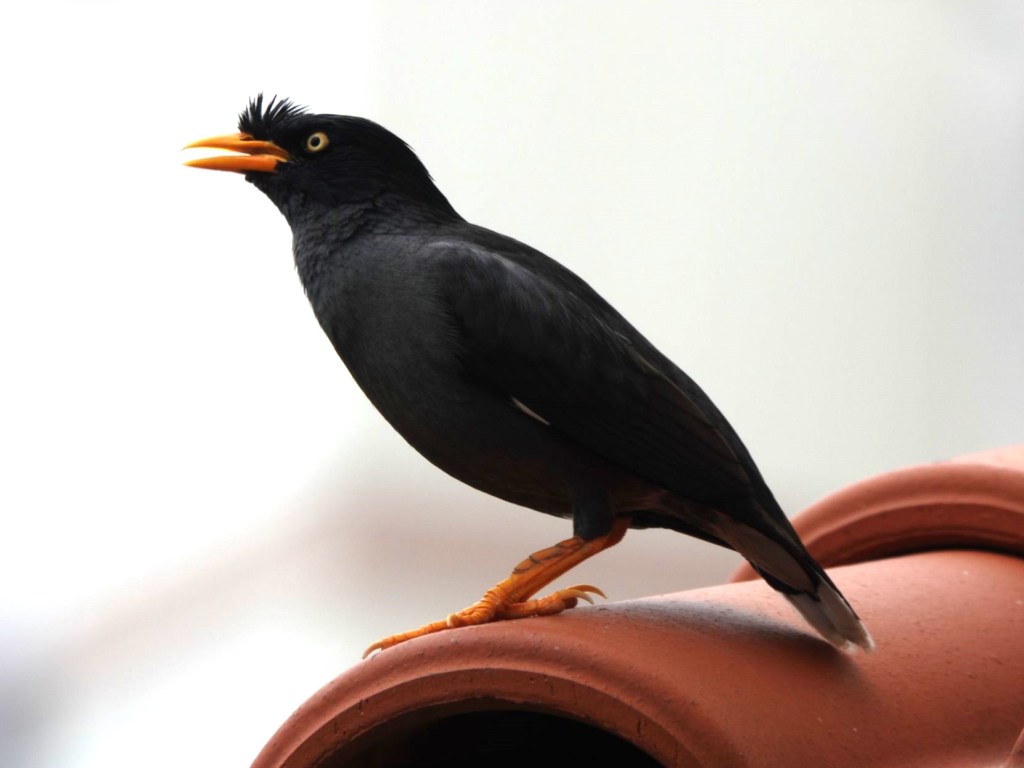
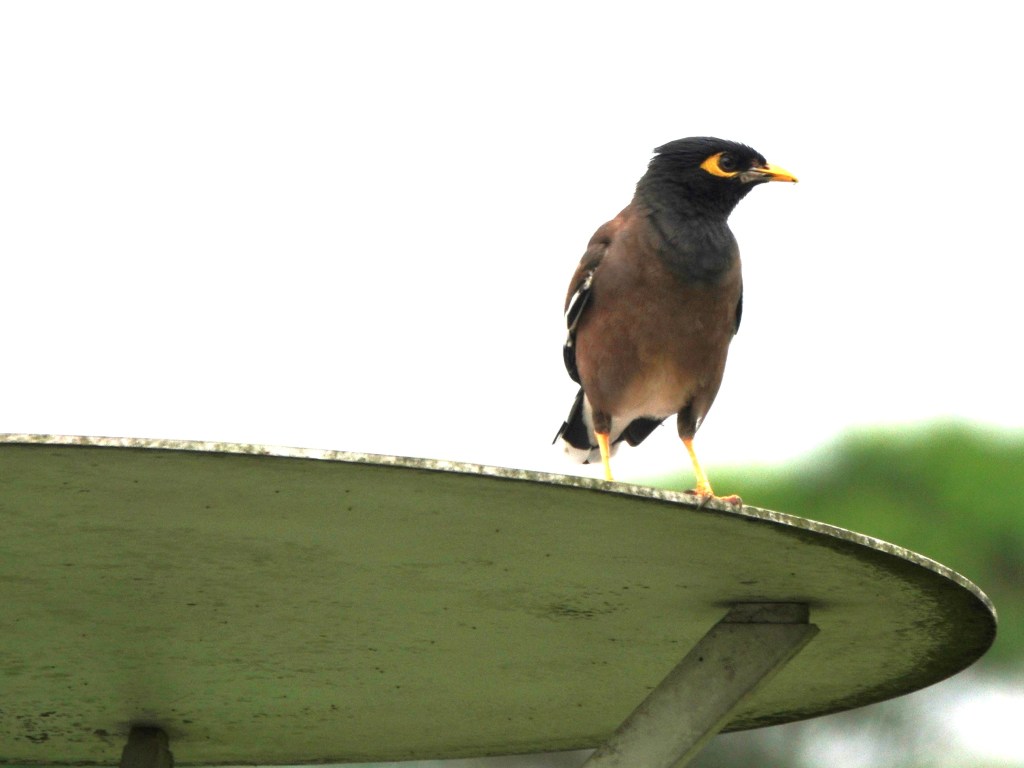
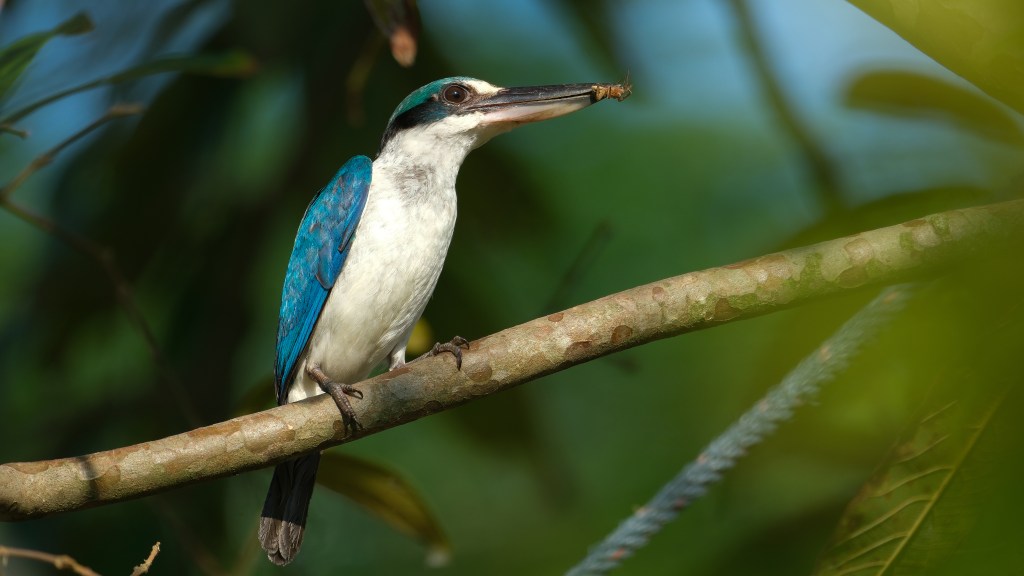
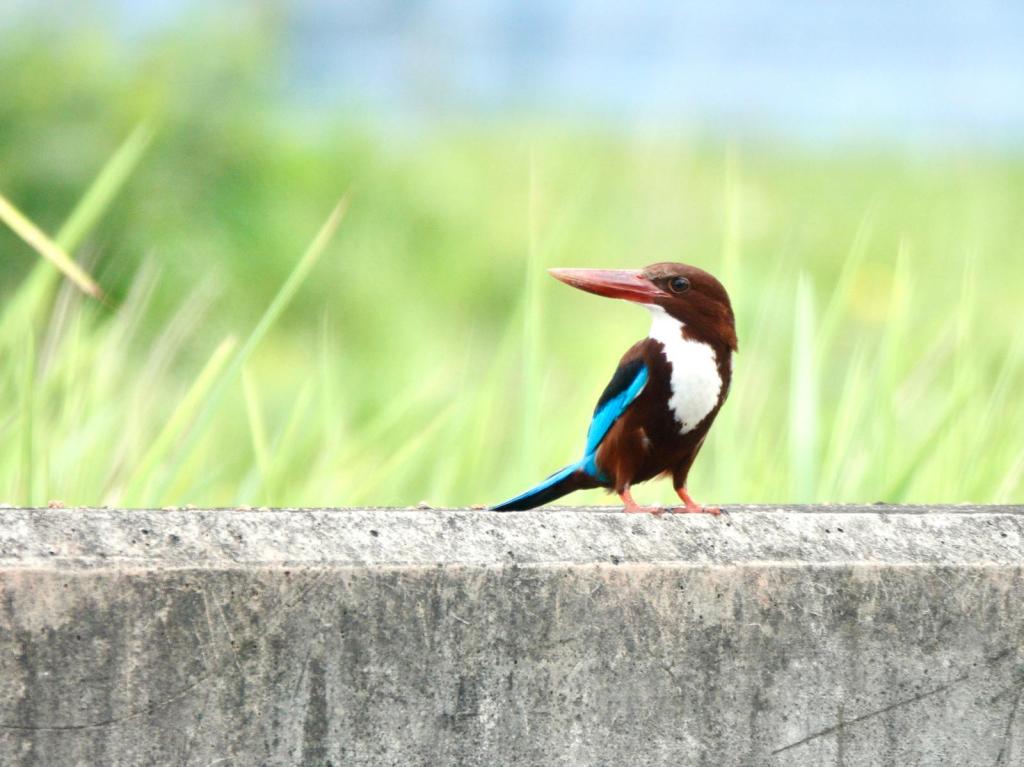
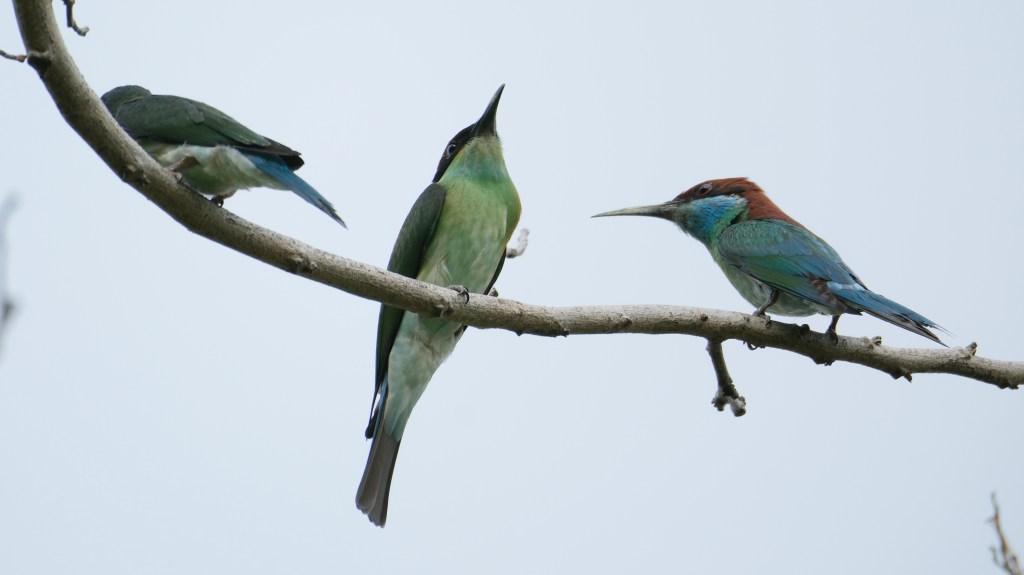
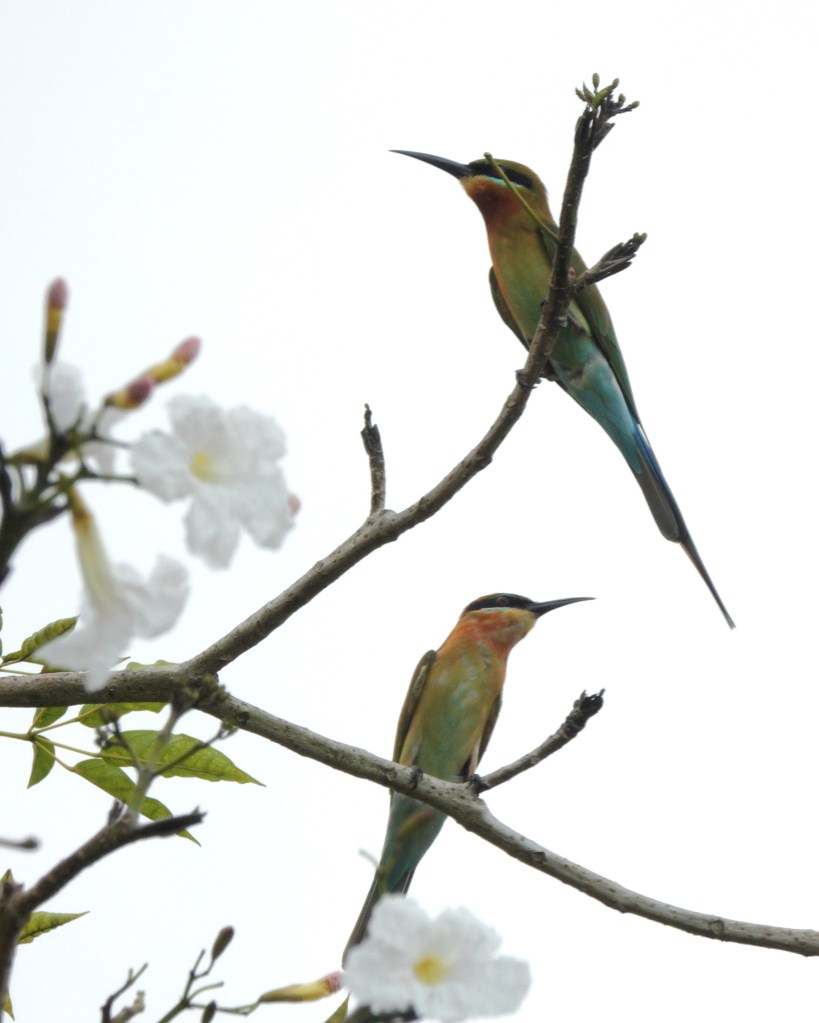
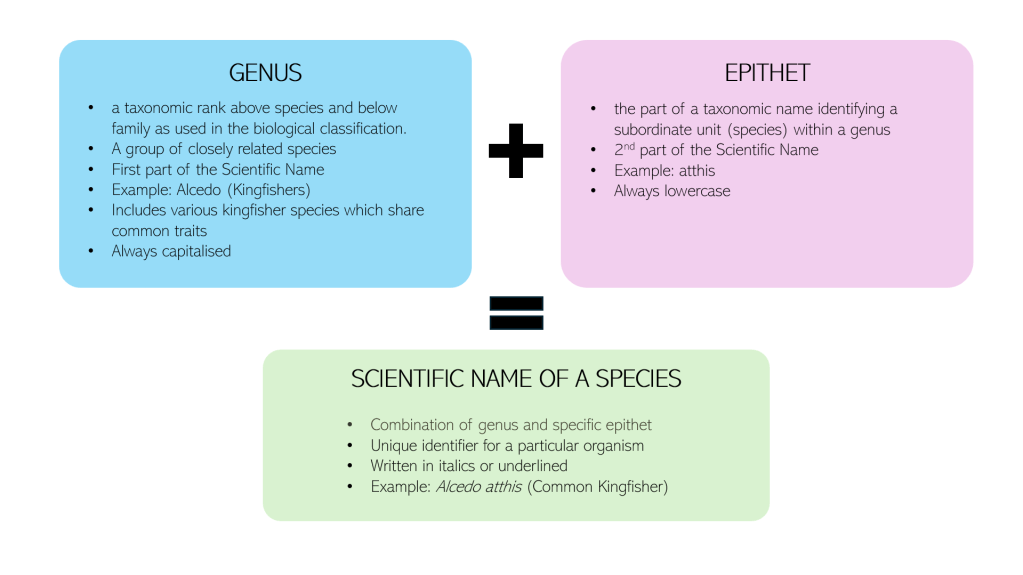
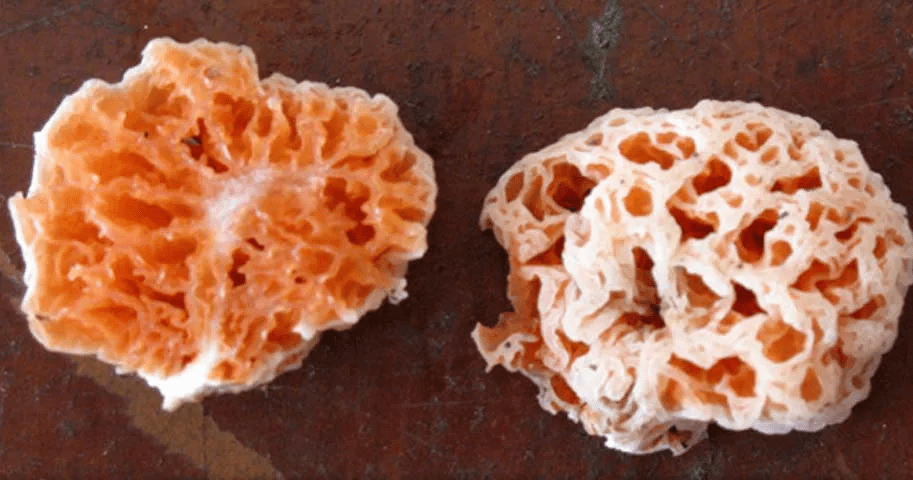
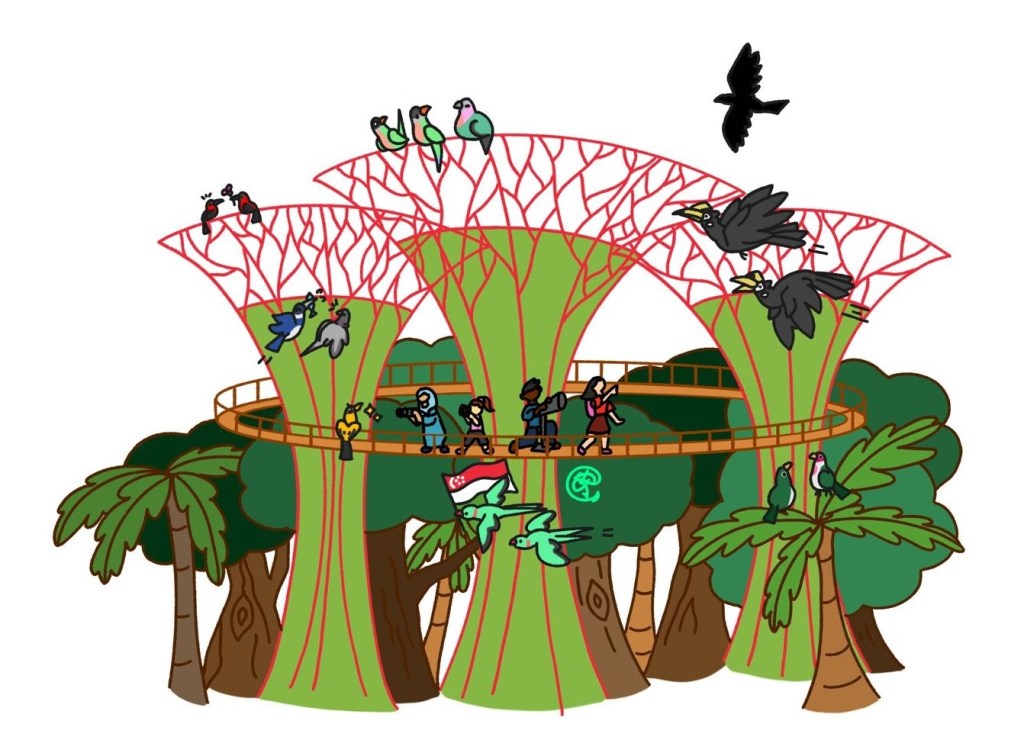

 birdbrainsg