As wildlife enthusiasts and photographers, we often find ourselves in situations that test our ethical boundaries. In 2024, I have experienced several moments, which led me to reflect on my own practices as well as my own role in promoting responsible wildlife photography.
An Uncomfortable Encounter
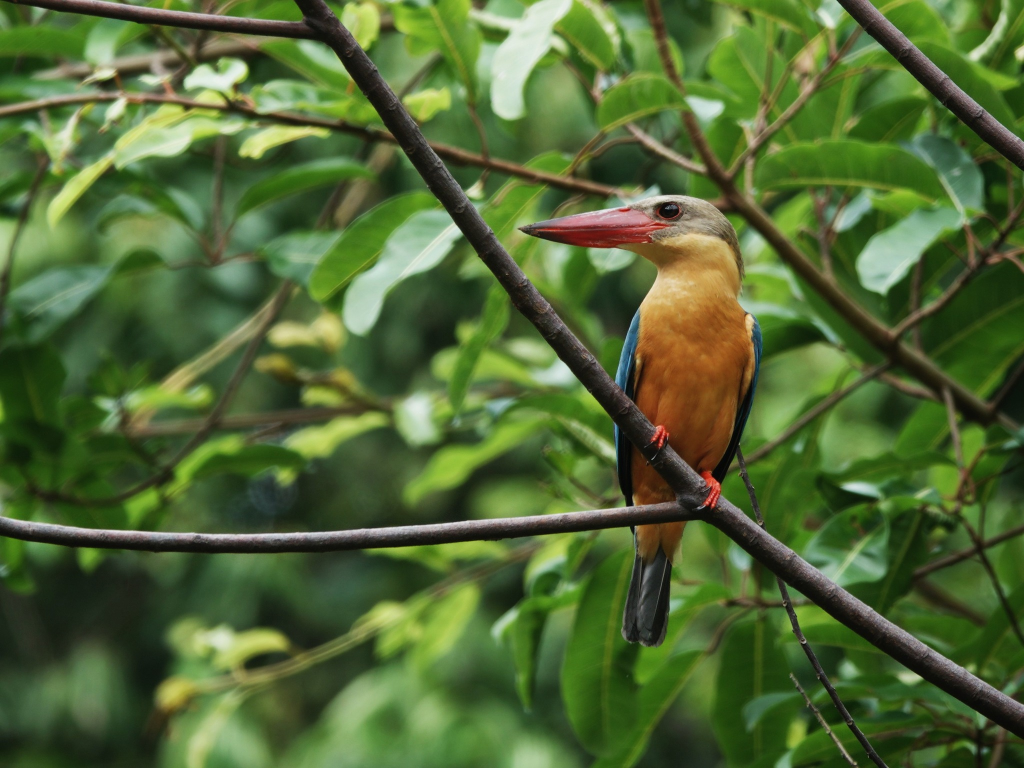
My first clear photo of a Stork-billed Kingfisher came under circumstances that left me feeling uneasy. At the Singapore Quarry, surrounded by over 30 other birders, I witnessed behaviour that I now regret not addressing. Some individuals were tossing whole slices of bread into the water to gather the fishes to a particular spot where the photographers were aiming at. The ripples created by the fishes lured the kingfisher from a distant tree, prompting it to dive before perching right in front of us. I took a few shots, feeling conflicted – admiring the beautiful colours of the kingfisher in such a close distance but yet feeling guilt-stricken.
The act of tossing bread into the water started triggering more hunting behaviour in various birds present, including the Grey-headed Fish Eagle and Oriental Darter.
The Motivation Behind Unethical Practices
The primary objective seemed to be capturing dramatic shots: “Birds in Flight”, photographs, “Fish in Mouth” images i.e. action shots preferred over standard perched bird photos. This practice raises several concerns. Bread lacks nutritional value for wildlife, adding empty calories to their diet. Uneaten bread may pollute the water. Moreover, feeding wildlife, in general, is discouraged and often prohibited.
Feeling conflicted, I decided to act on my discomfort. I left Singapore Quarry after just 10 minutes, despite usually spending over an hour birdwatching. This decision meant missing the Oriental Darter’s and the Grey-Headed Fish Eagle’s feeding behaviours.
Unfortunately, the incident at the Singapore Quarry isn’t isolated. Similar unethical behaviours have been observed across various locations, highlighting a concerning trend in wildlife photography.
At Dairy Farm’s small pond, I’ve heard about a small group of individuals releasing feeder fish, feeder shrimps and glofish to get the Blue-Earred Kingfisher’s ‘Food-In-Mouth’ photographs. Social media has become a showcase for these questionable practices, with posts featuring blue-earred kingfishers capturing non-native fish species. Even more troubling are the discussions among photographers about which fish species to introduce next for ‘ideal’ shots.
The issue continues during this year’s migratory season when Singapore becomes a temporary home for exotic birds, drawing large crowds of eager birders. In the newly opened Bidadari Park, rumours circulated about individuals releasing American Bull Frogs – typically sold in aquarium shops as live feed – to entice one particular Ruddy Kingfisher. Over several weeks, numerous photographs emerged showing this kingfisher with non-native frogs in its mouths, raising ethical and environmental concerns.
These practices not only disrupt natural ecosystems but also potentially harm the very wildlife we aim to appreciate and document. They represent a fundamental misunderstanding of our role as observers and documentarians of nature, prioritising a perfect shot over the wellbeing of the subjects we photograph.
As wildlife enthusiasts and photographers, we must recognise the far-reaching consequences of these actions. It’s crucial to foster a community that values ethical practices and respects the natural behaviours and habitats of wildlife. Only then can we truly capture the essence of nature without compromising its integrity.
I Can Do Better Myself
The enthusiasm for capturing great wildlife shots is something I understand all too well. Like many others in this field, I’ve had my own lapses in judgment, particularly when it comes to approaching birds too closely, even near their nests.
One incident from earlier this year stands out, leaving me with a profound sense of guilt and shame. While cycling with my family in Pasir Ris Park, I spotted a Large-Tailed Nightjar. Excited by the sighting and without my usual zoom camera, I approached the bird with just my smartphone, hoping for a clearer picture. My actions frightened the nightjar, causing it to fly away and expose its eggs.
A fellow birder who was following behind me, witnessing this, sternly warned me against sharing the location and reprimanded me for my close approach. Although I initially tried to justify my actions, deep down I knew I was wrong. I silently thanked her for the reminder about my actions and the greater mission we share as wildlife enthusiasts.
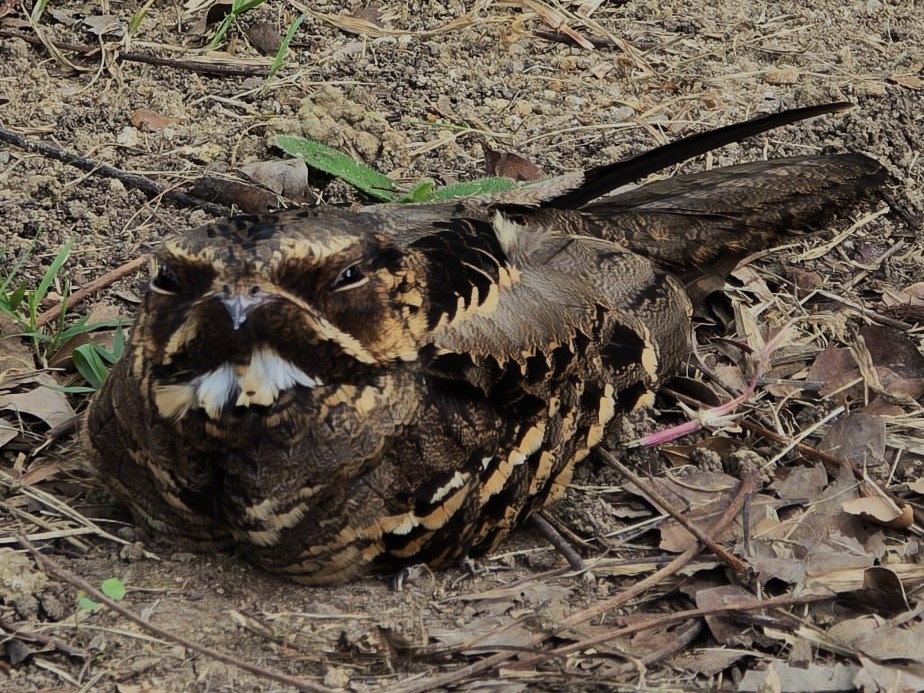

Beyond the incident with the nightjar, I’ve faced other ethical challenges in my wildlife photography journey. The temptation to handle wildlife such as snakes, lizards, and frogs for that perfect shot has been a recurring struggle. However, each of these experiences has become a valuable lesson in restraint and respect for nature.
Moving Forward
As I continue to grow in this field, gaining both experience and credibility, I’ve come to realise the importance of not only improving my own practices but also gently guiding others. Educating fellow enthusiasts about responsible wildlife watching has become an integral part of my mission. It’s crucial to remember that this journey towards ethical wildlife photography is an ongoing process. All of us who share this passion for nature and wildlife photography are constantly learning, adapting, and hopefully, improving.
By openly discussing these challenges and sharing our experiences, we create a community of more conscientious observers and documentarians of the natural world. This collective effort to balance our enthusiasm for capturing wildlife with our responsibility to protect it is what will ultimately ensure that our passion contributes positively to conservation efforts rather than inadvertently causing harm.
What are your thoughts on this issue? Have you encountered similar situations?
Written by Lucas
 birdbrainsg
Leave a comment