Author: Bird Brain

  • Algorithms Fueling Fo(Rage)

    A decade ago, a viral “bucket trend” on social media meant something beautiful. In the summer of 2014, the ALS Ice Bucket Challenge swept the globe. The trend saw millions of people dumping ice water over their heads, transforming a simple household object into a symbol of charity that raised millions for motor neuron disease research.

    Today, when something related to bucket goes viral now, it doesn’t spark empathy—it sparks outrage.
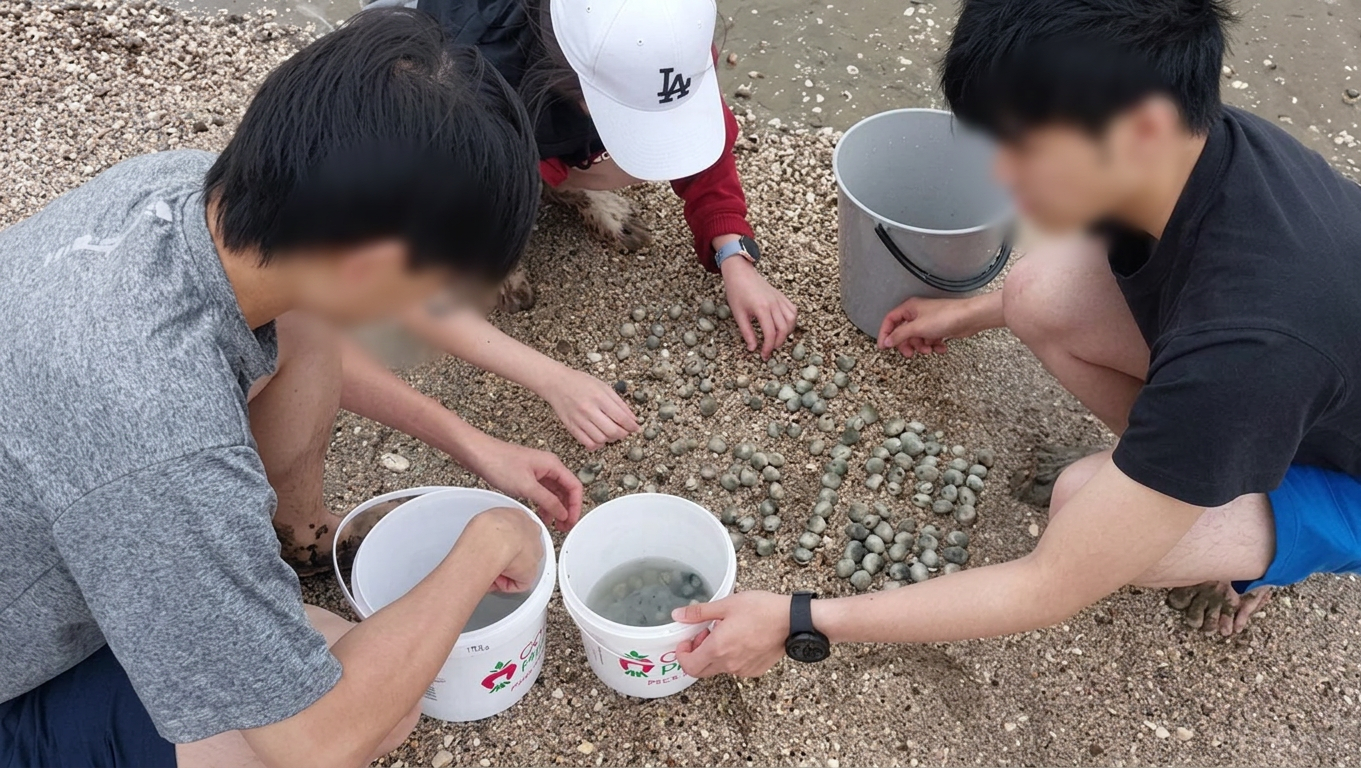

    Some visitors even set up barbecues to cook caught marine life on the spot. Photo Credit: Facebook/Protect Whangaparāoa Rockpools
    The Straits Times highlighting this issue faced in New Zealand.

    In New Zealand, the label “bucket people” was recently coined to describe a rising trend: crowds of foragers harvesting seafood along delicate intertidal beaches and rocky shorelines, threatening the ecosystem especially at the Army Bay on the Whangaparāoa rockpools.

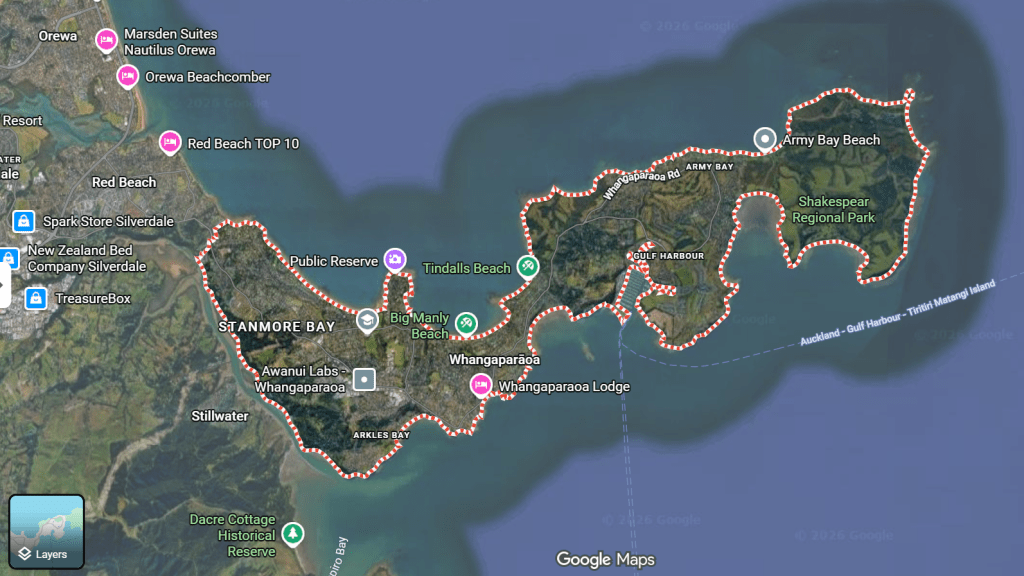
    The location of Whangaparāoa in New Zealand is marked by the drop pin.
    A closer look at the surrounding of the Whangaparāoa.

    Covid Pandemic & Algorithms Fueling Forage

    Over more than a decade, I’ve developed a fascination with survival and foraging social media content, a passion deeply rooted in my experiences as an angler since 2011. My friends and I frequently travelled from Singapore to Desaru and Tanjung Leman to catch coral trouts and snappers, gutting and cooking them ourselves. As a result of this hobby, my online activity naturally centred around fishing techniques and fish identification. It didn’t take long for the algorithms to pick up on this interest, supplying me with a steady stream of “Catch & Cook” videos on platforms like YouTube and Facebook.

    This trend, which began as a small community group, exploded into a worldwide phenomenon during the COVID-19 pandemic. For many years, urban residents regarded food as something that simply appeared on grocery store shelves. However, when COVID-19 struck, supply chains broke down. Faced with empty store aisles and scrambling for essentials like toilet paper and flour sparked a sense of vulnerability. It prompted many to realise, “If the stores shut down, I genuinely don’t know how to feed myself.” This anxiety led to a significant shift toward exploring alternative ways to obtain food. A survey conducted in New York revealed that participants shared their experiences with the production and consumption of wild and backyard foods—such as gardening, raising poultry, foraging, and hunting or fishing—during the pandemic in comparison to the previous year (Source).

    While many established foraging-themed accounts existed prior to the Covid days, such as Outdoor Chef Life, Fisherman’s Life, The Fish Locker, and Andy’s Fishing Wild Cook, there has been an explosion of new accounts like chaoticforager and BlackForager (Alexis Nikole Nelson). Many of these individuals have turned content creation (on foraging) into a full-time career due to their success.
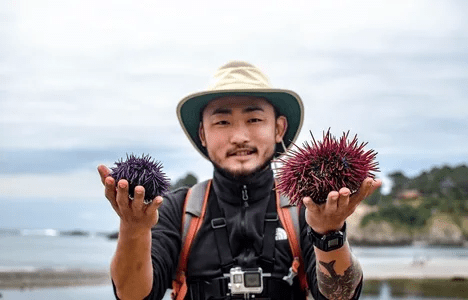
    Taku’s content frequently features coastal foraging adventures, where he showcases the art of turning raw, wild ingredients into exquisite Japanese cuisine. In this photograph, he was showing how foraging may help to control the blooming population of purple urchins that has caused a major issue to the kelp forest, causing damage to the marine ecosystem.

    As the appetite for content creation grew globally, the trend collided with the rapid emergence of popular lifestyle platforms like Xiaohongshu (Rednote). Two distinct architectural features of Rednote heavily contributed to the sudden explosion of this foraging trend across various countries.

    Firstly, the platform explicitly introduced a dedicated, top-tier “Nearby” tab alongside its traditional “Follow” and “Explore” feeds. This feature uses real-time geographic location data to drop user notes, pins, and guides directly onto interactive local maps, ensuring that highly localised trends are served straight to users in that exact geographical area.

    Secondly, the app’s entire culture is built upon zhòngcǎo (literally “planting grass”—the concept of enticing someone to try something new). “Planting grass,” or 种草, is a widely used term in Chinese social media that refers to the act of encouraging someone to want a particular product or service. This approach is considered a type of soft marketing, where users discuss their favourable experiences, reviews, and recommendations, thereby effectively “sowing the seeds” of desire in others’ minds. Consequently, creators receive significant rewards from the algorithm for producing useful, high-quality, step-by-step guides that specify the necessary tools, optimal low-tide timings, and exact destination locations.

    Consequently, the content shifted from passive wilderness entertainment into highly actionable weekend checklists. This unique digital architecture is what ultimately mobilised massive waves of local and international foragers to step away from their screens and physically descend onto the intertidal zones of countries like New Zealand and even Singapore.

    When Over-FoRaging Triggered Reactions

    Thinking back to my childhood in the 1980s, our weekend trips to Pasir Ris Beach were a treasured family ritual. Back then, the shoreline felt limitless, and our family of five often had the entire stretch of sand completely to ourselves as most children were playing at the playground area. I would spend hours gathering empty seashells, chasing sand-bubbler crabs as they darted across the wet sand, and scooping up well-camouflaged black eel-tail catfish from the dark sediment along the waterline. In those days, these small, innocent interactions with seashore life felt like a harmless rite of passage—a deeply personal connection to nature before the era of viral trends where unsustainable foraging changed the coastline forever.

    Recent news articles in New Zealand highlight a troubling trend where tour operators capitalise on the viral appeal of coastal foraging activities in popular locations. Some operators go as far as advertising their services with slogans like “Come to New Zealand for your free seafood buffet” (Source). This marketing strategy may have led to an overwhelming influx of tourists flocking to these areas during low tide, carrying buckets and excitedly harvesting marine life without proper guidance. Unfortunately, this surge in foraging often results in significant environmental damage, as the delicate ecosystems struggle to cope with the sudden, excessive extraction of resources. Many individuals, armed with tools and buckets, removed sea stars, sea cucumbers, barnacles, (hermit) crabs, anemones and other species, which will threaten the health of New Zealand’s coastal environments.

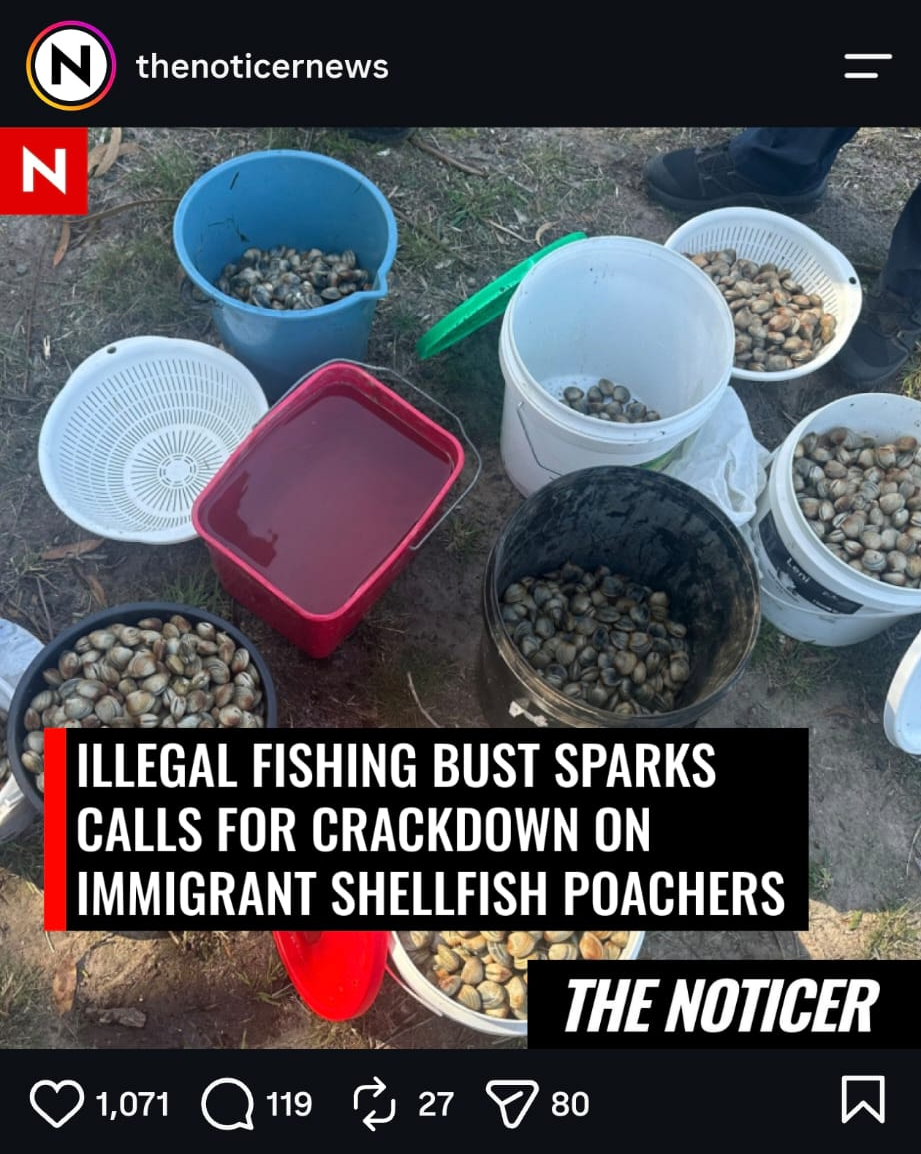
    The Noticer News seems to point refer to the bucket people as immigrants.
    Another article from the Noticer News – an Australian digital publication and social media platform.

    Councillor John Gillon has promptly reported the plans for interventions aimed at allowing the ecosystem of the rock pool to recover swiftly following its recent overharvesting (Source). This initiative not only highlights the importance of sustainable practices but also underscores the need for community education on the delicate balance of marine habitats. By implementing protective measures such as seasonal harvesting restrictions and habitat restoration, Gillon aims to ensure that future generations can enjoy the biodiversity that these rock pools provide.

    Responses from the Local Communities & Authorities

    Legally, individuals are permitted to gather up to 50 cockles each in the Auckland-Coromandel area, and the same limit applies to shellfish and other marine life typically found in rock pools. However, the law may need to change due to a significant rise in both the number of foragers and the frequency of their visits. Consequently, there is an ongoing review by the relevant authorities, which includes consultations with local communities. To make matters worse, some of these visitors are taking species that are not intended for consumption (Source).

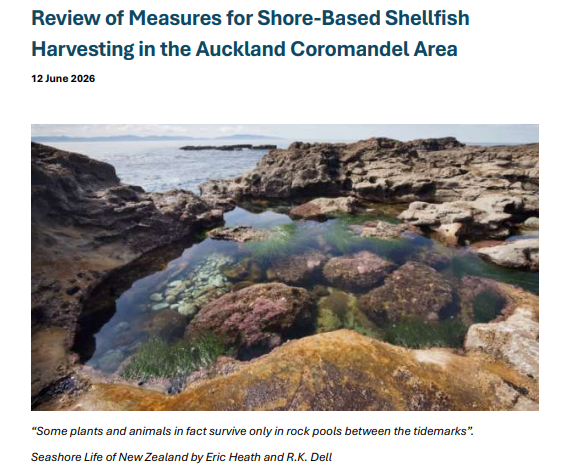
    From the Protect Whangaparāoa Rockpools (PWR) Facebook Group is that only set up in Jan 2026. This is a campaign group set up by a local resident, Mark Lenton.
    The document can be found here.

    Other than interventions from the authorities such as the Ngāti Manuhiri Settlement Trust, the local communities have created and distributed educational posters to help raise awareness in peaceful manners.
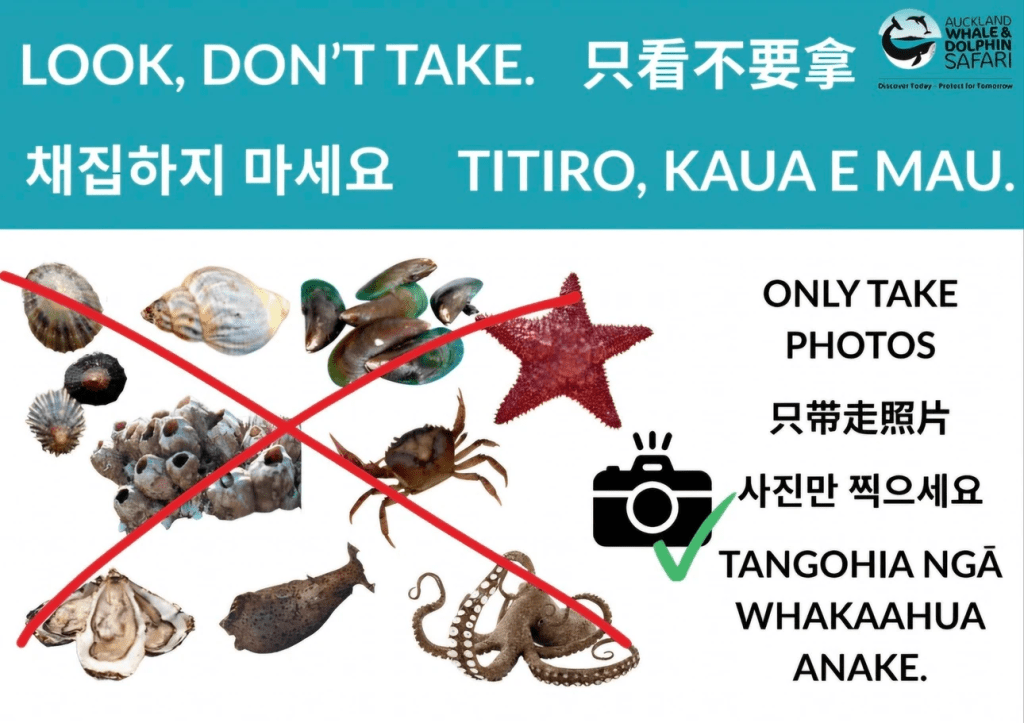
    (Source) An example of a visual reminder created by the locals to remind others not to forage at the beach

    Local teachers have begun to bring these issues into the classroom, using them as invaluable teachable moments to educate their students about the concept of “Look, Don’t Touch!” in relation to their local biodiversity.
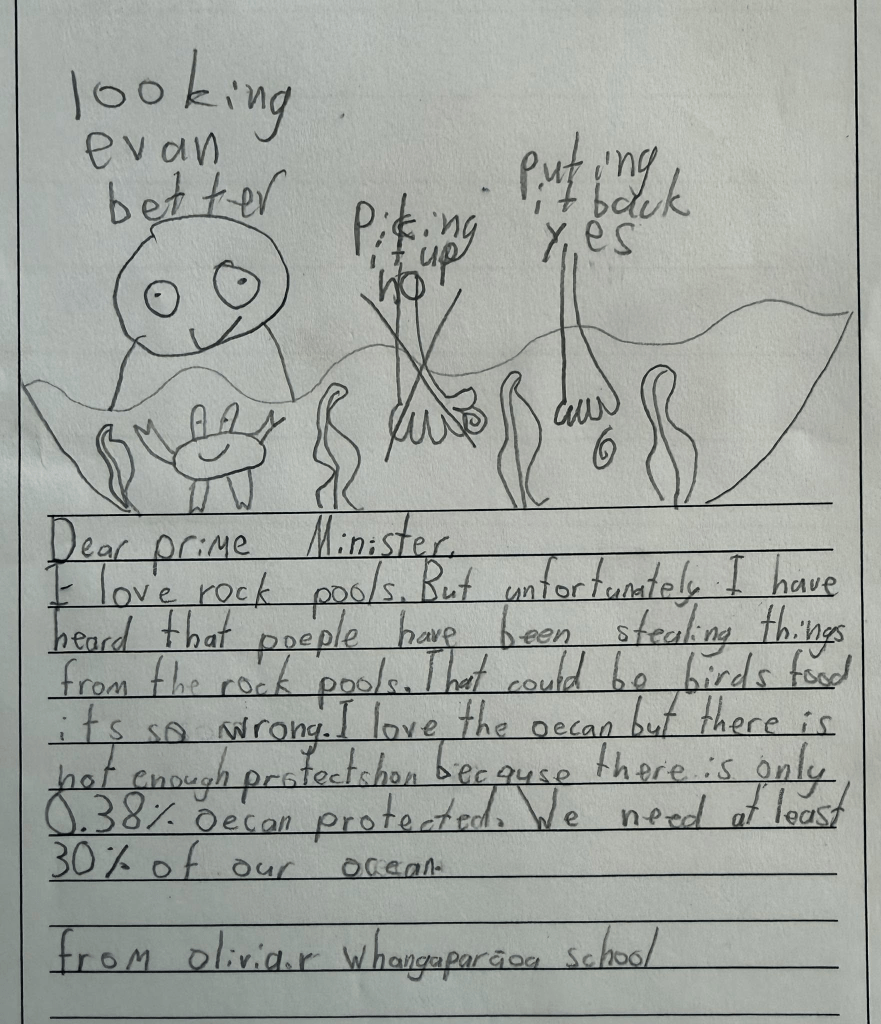
    Source: A teacher got her students to write letters to the prime minister about protecting our ocean. They are going to be presented to him by Young Ocean Explorers in June with thousands of other letters from young people around Aotearoa.

    Volunteer organisations and nearby schools have stepped up to conduct biodiversity surveys, observing significantly fewer species in heavily exploited regions compared to untouched locations.

    In January, a peaceful crowd of roughly 500 residents gathered at Army Bay on the Whangaparaoa Peninsula, uniting to voice their concerns over visible ecological damage to the area. PWR organiser Mark Lenton spoke at the event.

    “We represent Whangaparāoa, and we are at Army Bay because it is one of the most impacted beaches, but this is a national problem. Every day I have people from across New Zealand asking me for help. They are similarly impacted, but they don’t know what to do. Today is a blueprint for the rest of New Zealand to make a stand and to send a message that stripping our coastline is not the Kiwi way.”

    “We’re sending two clear messages today,” Lenton said. “We need the government to protect our coastline. Secondly, we want the gatherers to respect our land, to respect our coast, and to respect New Zealand.” (Source)


    A peaceful demonstration walk along the beach in Jan 2026
    Merchandise was also designed to foster solidarity towards the cause and raise awareness.

    While ploughing through Facebook responses and news articles, New Zealanders are sensitive to the fact that this community response may unintentionally give rise to xenophobia or racism. Therefore, even in the campaign Facebook group, one of the rules explicitly opposes racial prejudice. The replies to the posts have also remained civil and considerate.
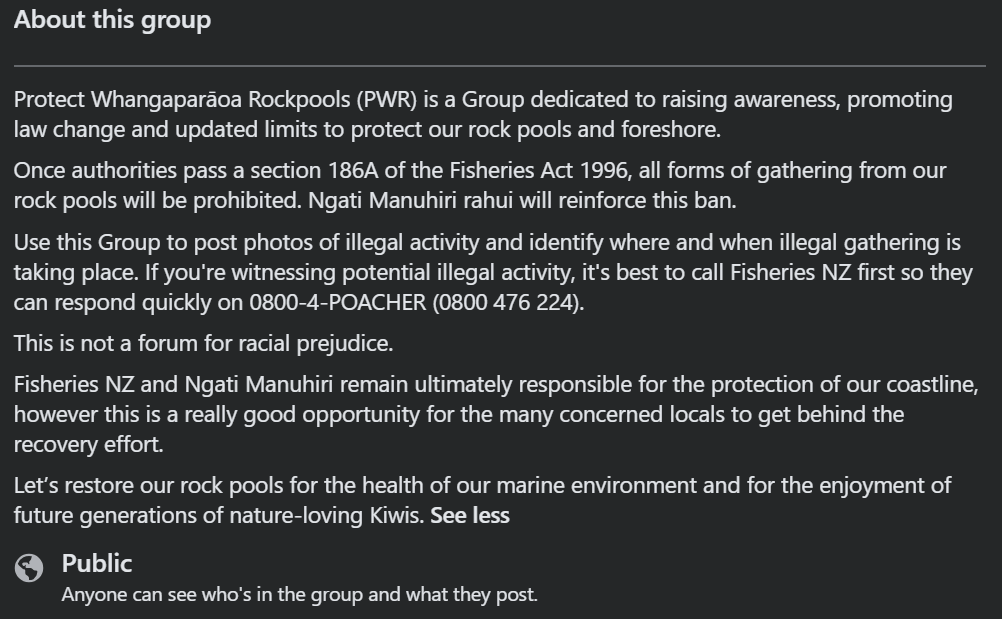
    The group’s moderators must have done an excellent job of ensuring that conversations about environmental protection do not devolve into racial prejudice.

    However, rather than focusing on environmental conservation, certain alternative news platforms, talkback radio segments, and social media comment sections have steered the conversation towards border tightening by overemphasizing the ethnic backgrounds of the gatherers. This shift in narrative has introduced a level of discomfort to the debate, with opinion pieces and community forums frequently using highly charged terms like “poachers” or “resource thieves.” By framing the issue through a lens of cultural friction and criminality, this aggressive rhetoric obscures the true root of the problem: a digital algorithm designed to turn a fragile, finite ecosystem into a viral to-do list, as well as the lack of educational content on such social media platforms.

    Lessons for Singapore’s Nature Enthusiasts and Authorities

    The intersection of algorithmic trends and physical ecological disruption offers a critical case study for a highly urbanised, digitally connected nation like Singapore. As fragile intertidal zones like Changi Beach and Pasir Ris face the pressures of viral “Catch & Cook” or foraging movements, both local nature enthusiasts and state authorities must evolve their approach to coastal management.

    People using tongs, plastic bags and buckets to dig up wildlife such as crabs and clams at Changi Beach during a low-tide day. Photo: Daphne Ting/Facebook

    In fact, invertebrates aren’t fully protected here: under Singapore’s Wildlife Act, common intertidal invertebrates—such as most crabs, clams, and snails—do not automatically fall under the protected “wildlife” definition for public spaces. This contrasts with protected areas like Labrador Nature Reserve (the rocky shore) and Chek Jawa (in Pulau Ubin), making interventions trickier.

    Foraging Not Equal to Bad Behaviours

    First of all, it’s crucial to recognise that shore foraging isn’t inherently bad behaviour. In Singapore, as mentioned earlier, it is entirely legal outside of protected areas, making it a wonderful, healthy hobby—provided we don’t exceed the ecosystem’s carrying capacity. Local creators, like the AJVM Fishing Channel on YouTube, even document their own shellfish foraging adventures on Pulau Ubin (Source).
    AJVM Fishing Channel featuring him and his friends foraging for Lokan’s (Big Clams, Polymesoda expansa).

    Historically, foraging has been part and parcel of daily life, even in highly urbanised Singapore. The golden rule here is simple: “Don’t need it, don’t do it lah.” Mr. Firdaus Sani, the founder of Orang Laut SG, has spoken out against a blanket ban on foraging. As he rightly points out, there are still indigenous and coastal communities in Singapore who have carried on the culture and traditions of foraging for generations. For these communities, it isn’t a hobby or a trend—it is a way of life. (Source)

    Ultimately, the conversation around foraging isn’t about restriction (unless necessary to restore the ecosystem balance); In my opinion, it is about mindfulness, respect, and ecological awareness.

    Fight the Algorithm on Its Own Turf

    Public education must meet the public where they actually congregate. It is no longer enough to rely on static advisory signs at beach entry points or traditional media releases. Since platforms like Xiaohongshu (Rednote) drive the physical influx of foragers through highly targeted, location-based mapping, conservation campaigns must adopt the exact same digital strategies.

    Authorities like the National Parks Board (NParks), along with environmental groups and individual nature enthusiasts who serve as influencers, should actively create content on lifestyle apps. By utilising the “Nearby” interface to offer high-utility, step-by-step guides on marine fragility and local catch laws, conservationists can effectively intercept users’ search intents. For instance, if a user searches for a local low-tide spot, the top indexed result should be a creative and engaging guide that explains how removing marine life disrupts our local ecosystem.

    Grassroots Community Rallying

    While organised physical demonstrations remain illegal under Singapore’s Public Order Act, the community can still rally effectively through coordinated and civic-minded educational movements. We can take inspiration from local science educators like Biogirl MJ (from Just Keep Thinking), who consistently uses her platform to remind the public that living intertidal creatures are not free souvenirs or ingredients, but vital components of our marine heritage. In fact, on many occasions, she has approached members of the public to educate them when she observes them bringing back wildlife from the intertidal zones.

    This form of digital and on-site stewardship provides a powerful blueprint for the wider community. By volunteering as gentle, on-the-ground educators during low-tide weekends, enthusiasts can foster a culture of collective responsibility. Cultivating this mindset ensures that our younger generation grows up viewing the coastline as a sanctuary to protect, rather than a resource to harvest.

    De-escalating the Narrative

    Finally, a critical lesson must be learned regarding the language used to discuss these ecological challenges. Both official news outlets and alternative media platforms bear a heavy responsibility to ensure that conservation debates do not devolve into cultural or racial friction. When commentary overemphasises the demographics of foragers or uses highly xenophobic labels, it shifts valuable energy away from the actual issue.

    Environmental degradation does not discriminate by nationality, and framing it as a migrant or border issue only creates social division. To truly safeguard Singapore’s vulnerable shores, the narrative must remain firmly anchored to a shared, inclusive goal: the sustainable preservation of our common natural spaces. Only by looking past the distraction of identity and focusing on systemic digital education can we ensure our fragile marine ecosystems survive the viral age.

  • It Don’t Matter if You’re Black or White

    It Don’t Matter if You’re Black or White

    …Or does it?

    Back in 1991, Michael Jackson released “Black or White,” a hard-hitting, genre-blending anthem that instantly captured the global imagination. I was only nine years old at the time—far too young to understand the complexities of race, but exactly the right age to get utterly obsessed with the music, especially with MTV Asia.

    The track was unforgettable. From the iconic opening skit where a young Macaulay Culkin blasts his dad through the roof (“But dad, this is the best part!” followed by “eat this”) to that infectious, driving guitar riff, it was an instant classic. And who could forget the music video? It featured pioneering face-morphing technology that felt like absolute magic at the time, delivering a simple, powerful message: when it comes to human equality, unity, and love, the colour of your skin shouldn’t dictate your value. The King of Pop brilliantly used the stark contrast of these two absolute colours as a metaphor to dissolve cultural divides, urging humanity to look past surface-level differences.

    Source: Michael Jackson and his two Asian representatives in his MTV “Black Or White”.

    But if we step outside the world of pop culture and venture into the wild—leaving behind human societal constructs—we find that nature operates on a completely different set of rules. In the avian kingdom and beyond, the significance of being black or white becomes immense.

    For the fragile chicks of various bird species, the choice between donning a coat of stark white down or a cloak of deep black feathers isn’t an aesthetic whim; it is a profound, evolutionarily hardwired strategy for survival. While human pop culture celebrates the blurring of these lines, nature utilises the extreme contrast of black and white to solve the ultimate questions of life, death, thermoregulation, and deception.

    Let’s dive into the fascinating, mind-boggling ways bird chicks use the power of black or white to conquer the elements and outsmart predators.

    White Chicks of the Skies

    Having done countless nature walks through our local nature reserves and parks—both as a passionate nature lover and in my capacity as a Geography teacher and nature guide—I’ve started to notice some fascinating patterns.

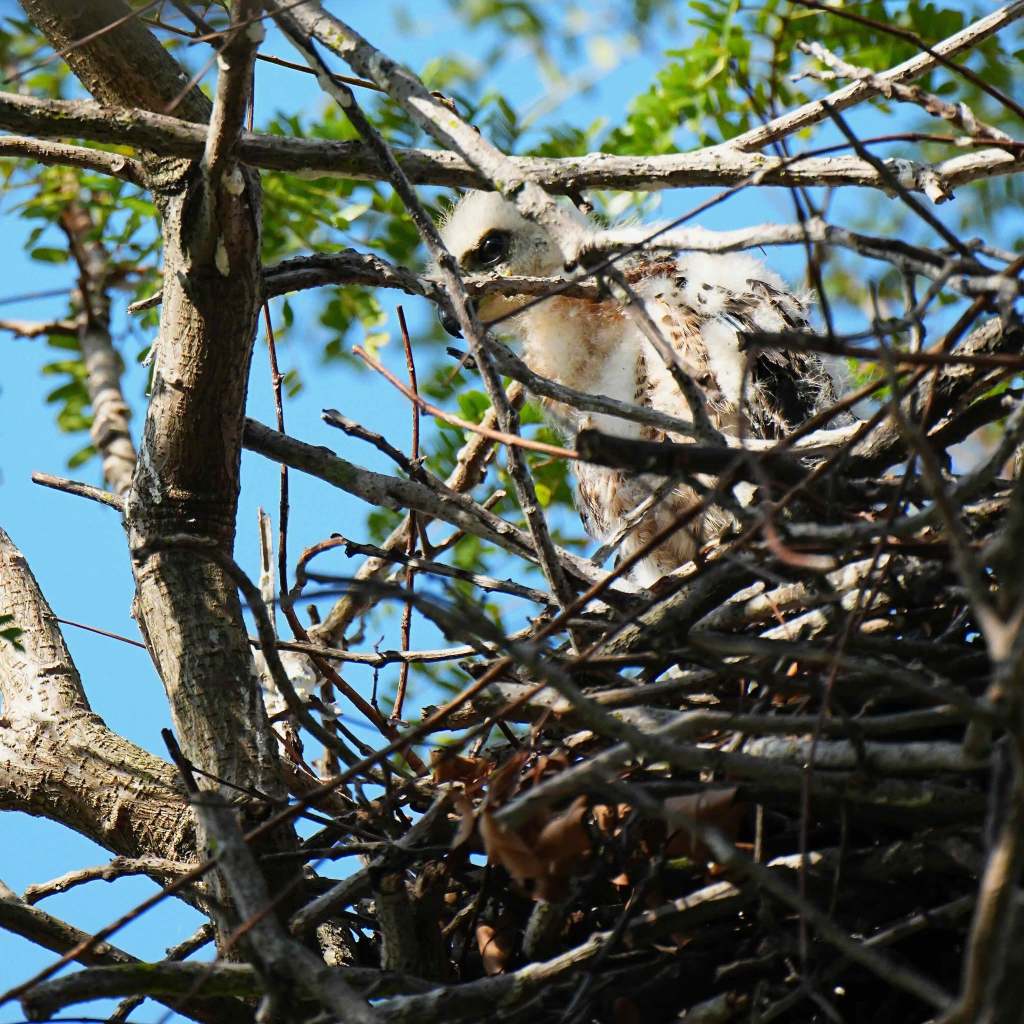
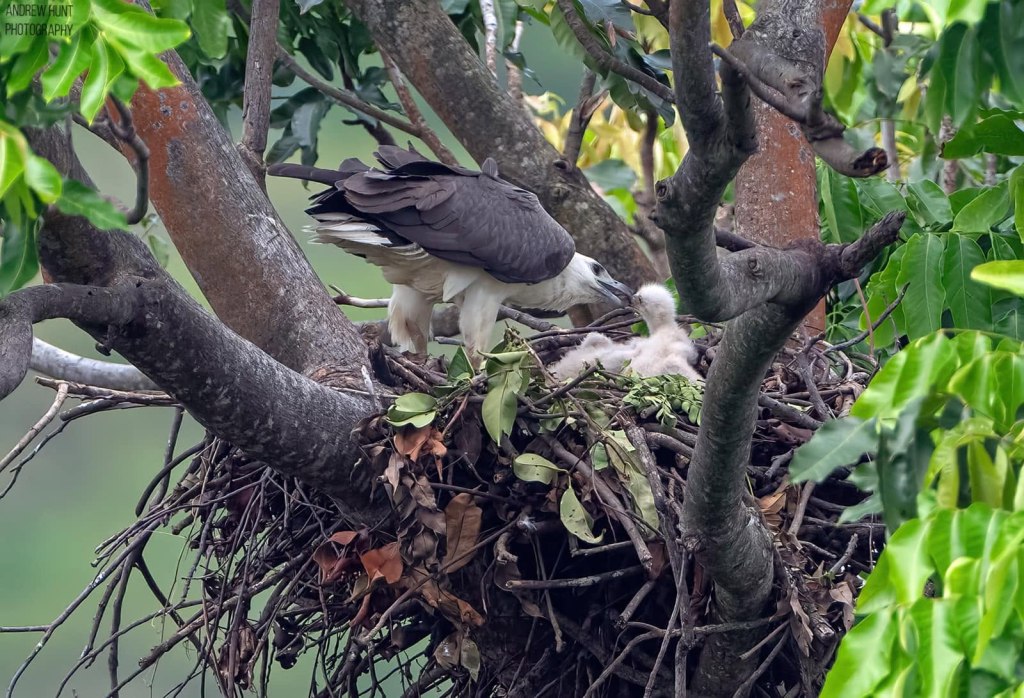
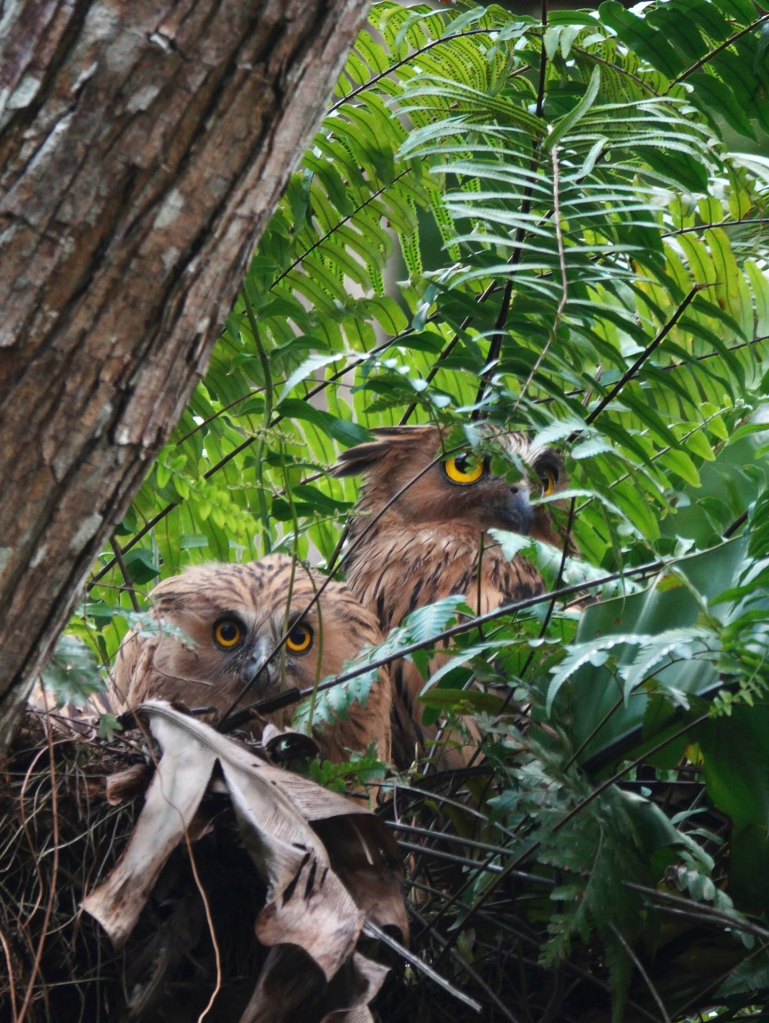
    Take our local raptors and owls, for instance: whether you’re observing the fluffy hatchlings of the Spotted Wood Owl and Buffy Fish Owl, or the tiny chicks of the White-bellied Sea Eagle, Brahminy Kite, and Crested Goshawk, they all begin life in the same way—wrapped in a coat of pure, stark white. It is only as they mature that darker pigments gradually bleed into their plumage.

    Photograph by Chang Fu Wen: A white chick of a Crested Goshawk in Kent Ridge Drive.
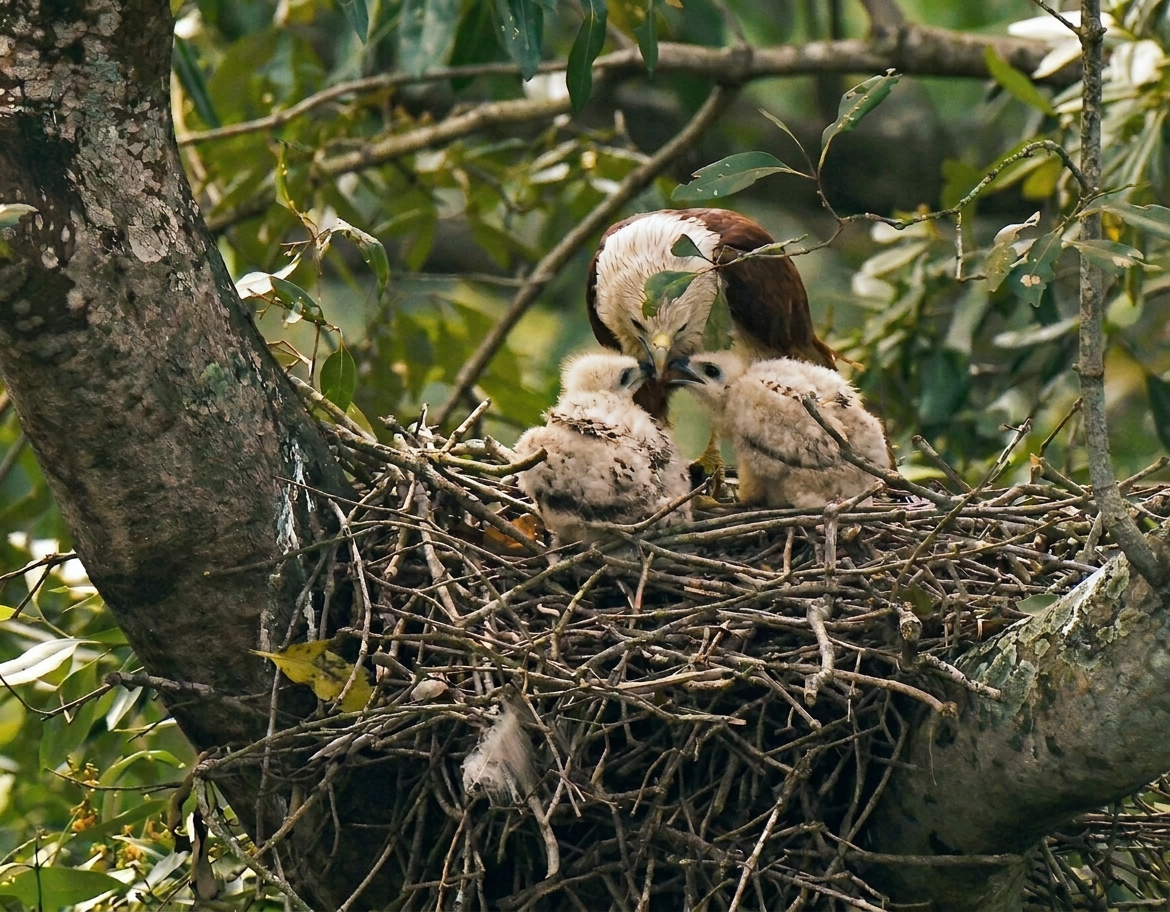
    Photograph by Andrew Hunt (Source): Along PIE, a parent feeding the two white chicks of the White Bellied Sea Eagle.
    Photograph by Lucas Teo: Notice the soon-to-fledge Buffy Fish Owl (left). While paler than the adult (left), it has started developing darker plumage, starting with streaks of black.

    In evolutionary terms, nearly every feature of a species serves a distinct purpose—typically revolving around:

    • Mating Success
    • Environmental Adaptation
    • Predator Defense.

    What purpose, then, does the chick’s white down serve? For a young bird, mating can immediately be ruled out. Predator defense is also unlikely; rather than providing camouflage or deterring threats, the stark white plumage makes the chick highly conspicuous against the brown twigs and green ferns of its nest. By process of elimination, this feature almost certainly serves as a shield against environmental stress.

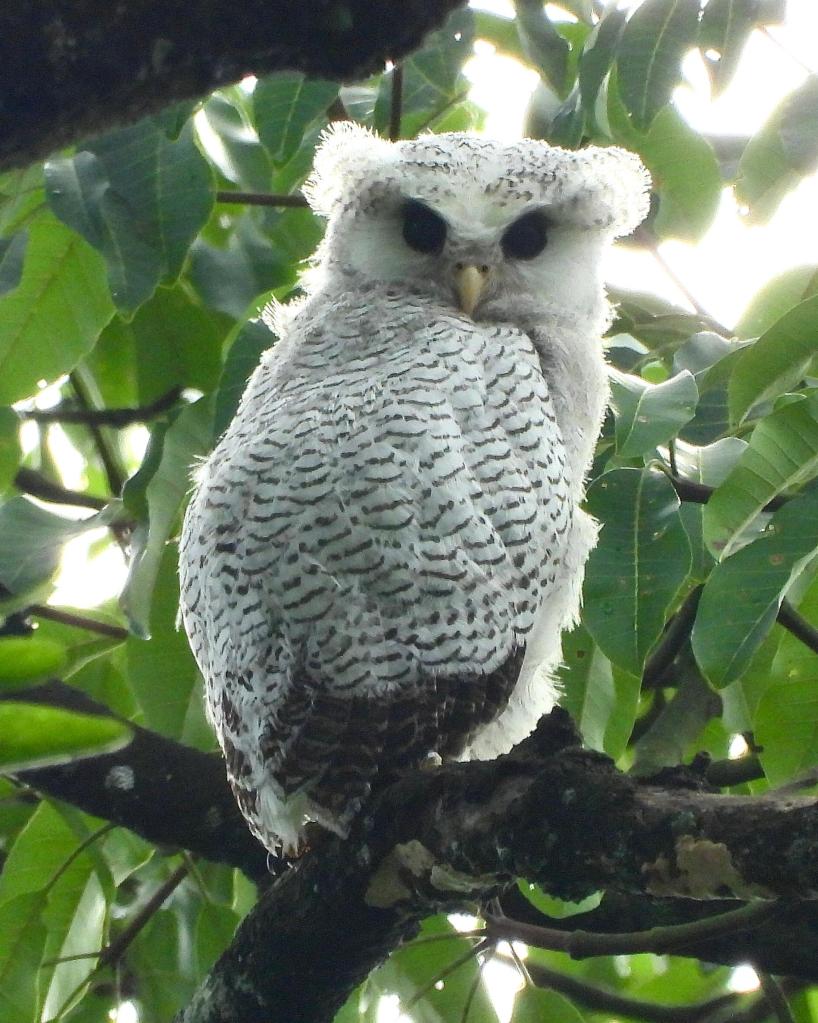
    Photograph by Jackie Yeo: One of the most beautiful owls that can be found in Singapore – the Barred Eagle Owl. The juvenile chick has a gorgeous white down. This is definitely not helpful with camouflaging against any natural predators.

    When a raptor chick first hatches, it is ectothermic—physically incapable of regulating its own internal body temperature.

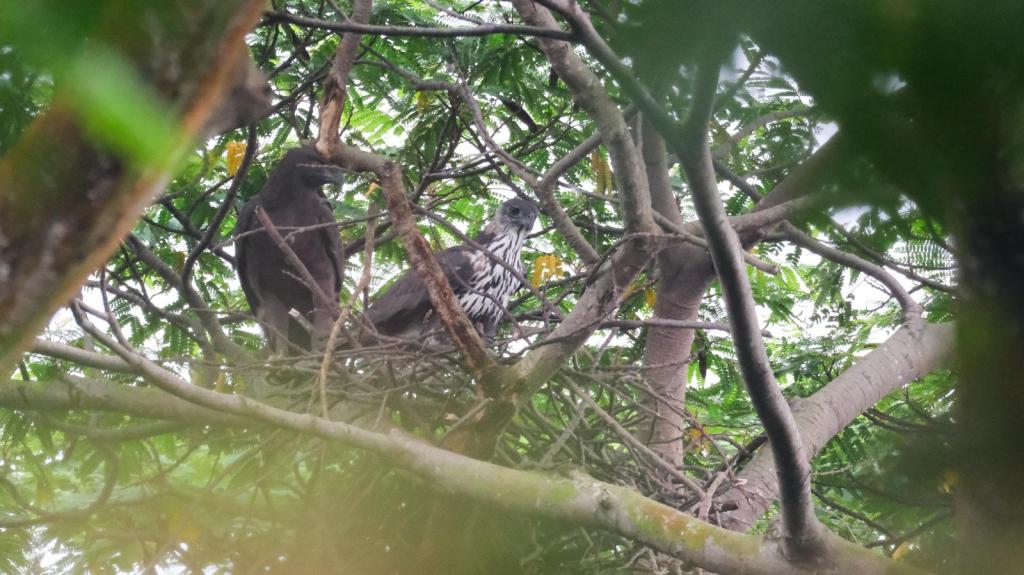
    This vulnerability is amplified by the location of the nests; the large eyries of Singapore’s apex raptors (such as the White-Bellied Sea Eagles or Changeable Hawk Eagles) are often constructed high in the exposed canopies of tall trees (which I personally find foliage to be rather sparse), such as the Albizia Trees (Falcataria falcata). Consequently, these nests receive very little shade from the direct sun and can become intensely hot. Even during the monsoon season, the tropical sun frequently breaks through the clouds to create scorching conditions.

    Because darker colours absorb a wide spectrum of light waves and convert them into heat, a dark-feathered chick in such an exposed environment would quickly overheat.

    The chick’s white downy feathers solve this problem through two basic laws of physics:

    • Reflecting Light (Albedo): White acts like a mirror, bouncing the intense tropical sunlight away so the chick never absorbs the heat in the first place.
    • Releasing Heat (Emittance): White materials do not store heat well. If the afternoon air gets too hot, the white feathers quickly dump that excess heat back into the air rather than letting it travel inward to the chick’s body.

    In short, the fluffy white down acts as a built-in sunshield that keeps the helpless chick from cooking in the treetop heat.

    However, what if it gets too cold due to rain? The raptor parents do shield the chicks from the rain. While Singaporeans may find our weather hot, young chicks can easily die from hypothermia during a severe monsoon downpour if they get wet.

    To prevent this, birdwatchers note that parent raptors will use their own large, waterproof adult feathers like an umbrella to keep the nest bowl dry (see a video footage documented by Warren Seah here). Underneath this protective parent, the chick’s white downy feathers act like high-grade thermal underwear. Because down feathers are uniquely unstructured and packed tightly together, they trap millions of microscopic pockets of still air. This trapped air is rapidly warmed by the mother’s intense avian body temperature—creating a perfectly insulated microclimate.

    Photograph by Chang Fu Wen: Parental devotion regardless rain or shine to the white chicks of the Brahminy Kite.
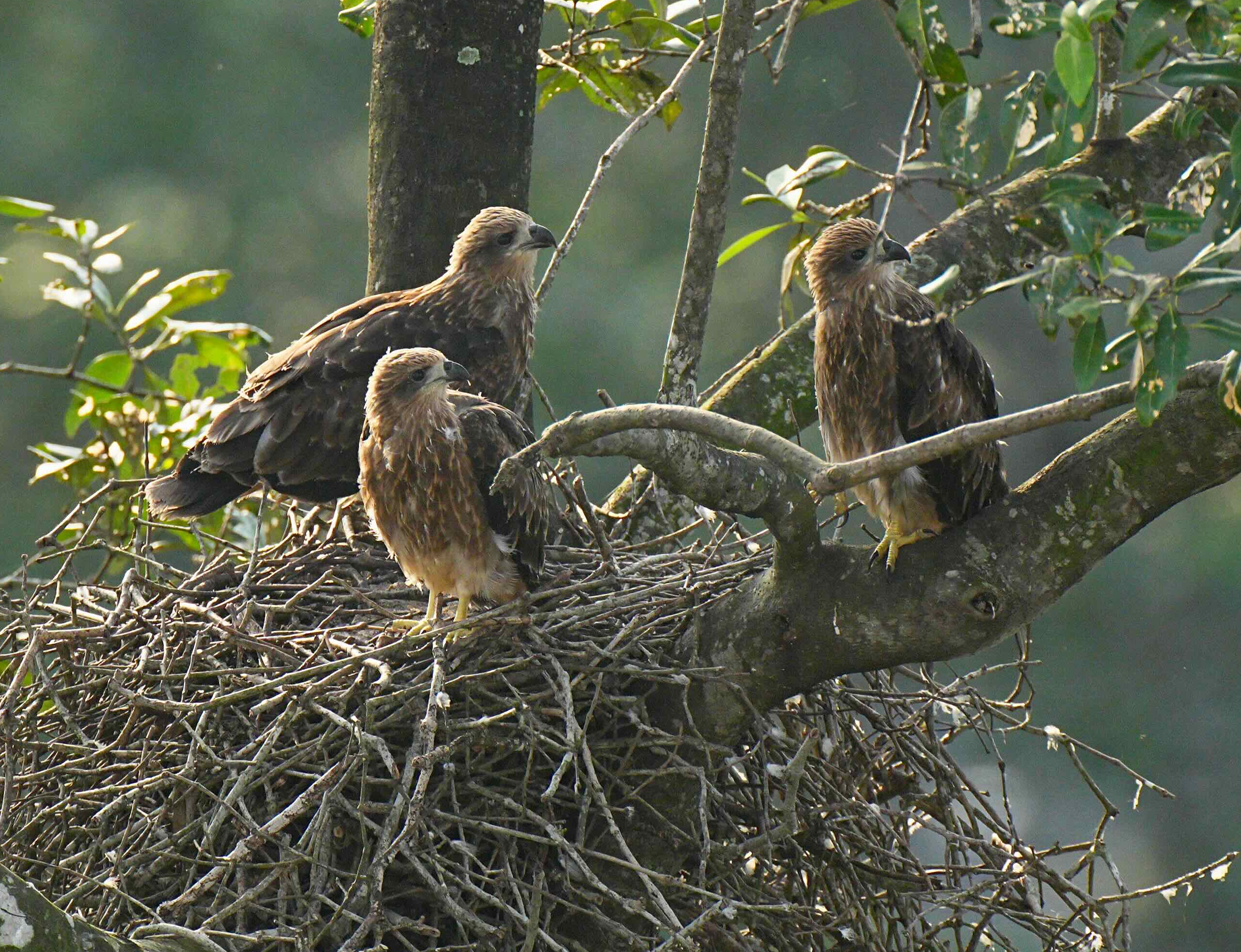
    Photograph by Chang Fu Wen: The white chicks have reached their fledgling stage where all the white down has been replaced by the darker feathers.

    Black Chicks by the Waters

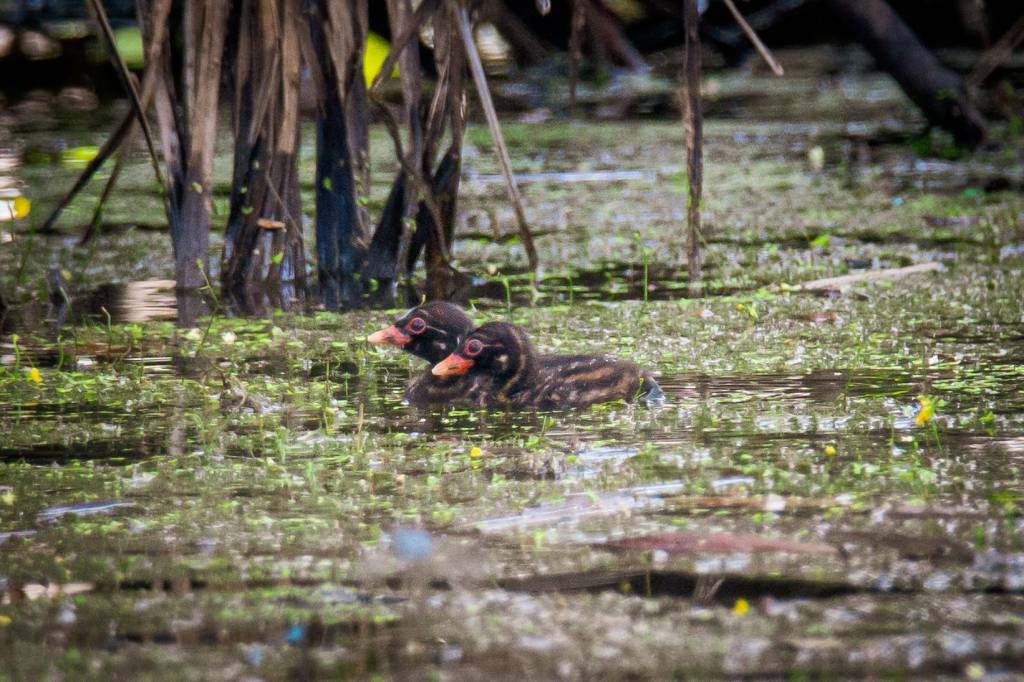
    In stark contrast to canopy-dwelling raptors, many nature lovers will have noticed the jet-black chicks of Singapore’s most common waterbird: the White-breasted Waterhen. This phenomenon isn’t isolated to just one species; the recent birding buzz at Marina Grove has also captured the community’s attention, with social media feeds overflowing with photographs of the subtly patterned, dark Little Grebe chicks.

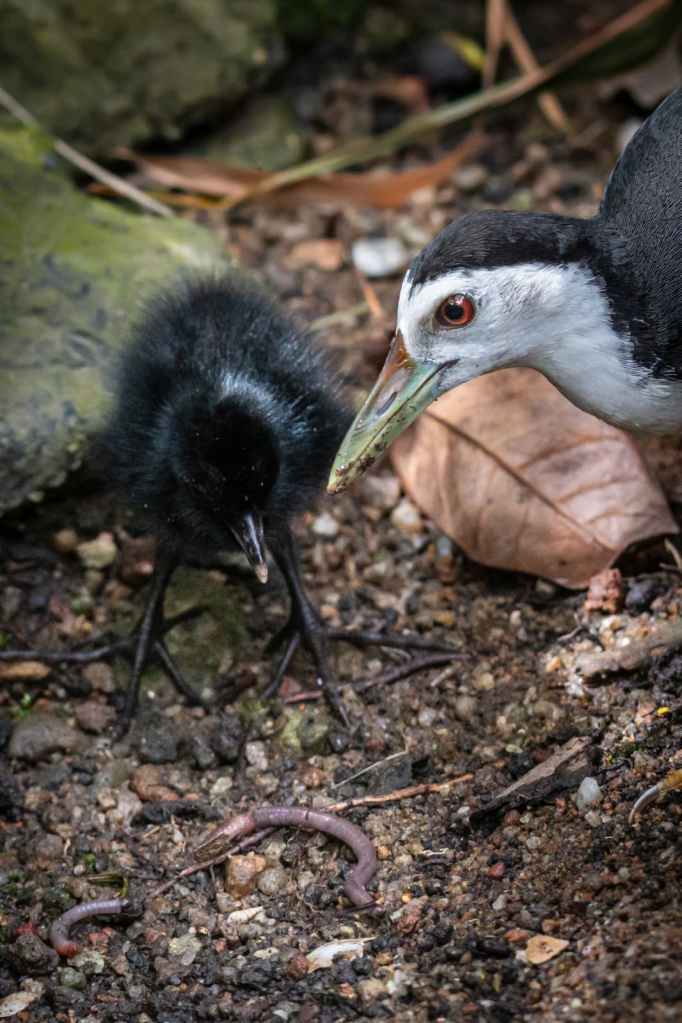
    Photograph by Teo Zhen Xiang: The adult waterhen teaching the chick how to find food.

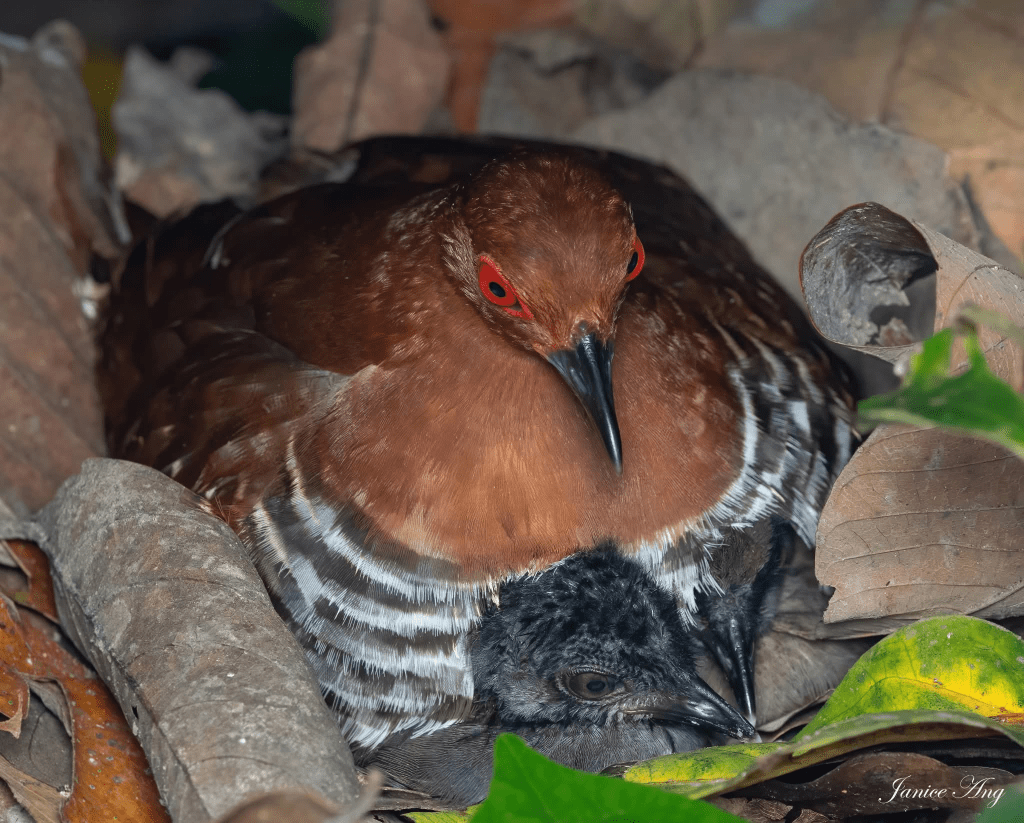
    While not all waterbird chicks are black—especially migratory shorebirds—this dark down is highly prevalent among resident species (such as the Red Legged Crake, Lesser Whistling Ducks and Common Moorhen) that nest and forage near dense, aquatic vegetation. In Singapore, this includes habitats dominated by grass-like plants such as Dwarf Papyrus (Cyperus papyrus) and Cattail (Typha sp.), or even tangled patches of wild Kang Kong (Ipomoea aquatica).

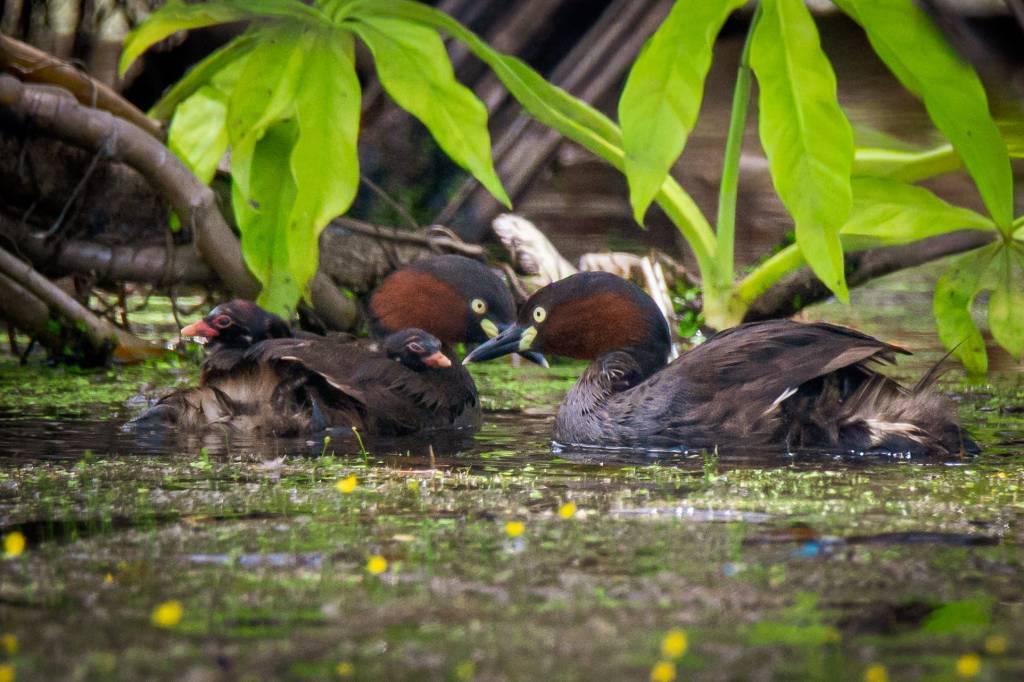
    Photograph by Teo Zhen Xiang: The Little Grebe chicks resting inside the parent warm plumage.
    Photograph by Teo Zhen Xiang: While these are not entirely new born, many of these waterbird chicks are precocial – they are born with open eyes, a fluffy coat of down feathers, and active legs – they are quite mobile since birth.

    While white feathers offer clear thermal advantages to exposed canopy-nesters, marsh and wetland chicks (as well as some of their adults) have evolved dark plumage for entirely different survival priorities. For these waterbirds, living at the water’s surface makes camouflage and predator evasion paramount. Black and dark grey down allows chicks to blend seamlessly into the deep shadows of overhanging riverbanks, thick reeds, and murky mangrove roots, effectively breaking up their silhouettes from both aerial and ground predators.

    Photograph by Janice Ang: Red-Legged Crake with two of its darker-coloured greyish chicks.

    Beyond safety, this dark plumage plays a vital dual role in thermoregulation and drying. Unlike raptor chicks that must constantly shield themselves from intense, direct solar radiation, waterbird chicks spend their time in damp, shaded environments. After diving or foraging, their dark feathers absorb ambient solar radiation incredibly quickly. This rapid heat absorption allows the chicks to dry off almost instantly, helping them maintain their body temperature and stay light enough for sudden, evasive flight.

    It Don’t Matter if You’re Black or White: Nature’s True Colours

    While I have tried to provide a non-academic way of explaining the purpose of the black or white plumage of raptor and waterbird chicks, social constructions does create some form of black-bias even towards our animal kingdom e.g. our dislike for crows, black cats.

    In nature, a chick’s fluffy coat is all about survival. Whether it is black or white comes down to practical things like staying warm, blocking UV rays, and staying safe from predators. Nature does not see one colour as “good” and another as “bad”. Yet, we humans often struggle to see animals for what they really are. We project our own old superstitions and fears onto them, turning a harmless crow into a sign of bad luck, or a black cat into a spooky omen.

    By looking at the actual science behind these feathers, we can start to challenge our own hidden biases. It brings to mind the famous message from Michael Jackson’s classic song, “Black or White“—the idea that we shouldn’t spend our time judging based on colour. When we look past these old human stories, we can finally appreciate how brilliant nature’s designs truly are. In the end, a chick born with black or white feathers isn’t trying to send us a symbolic message. As the song says, “It don’t matter if you’re black or white”—in the wild, every animal is just wearing exactly what it needs to survive.

  • ‘Just One Tree’ – Look Out for that Neighbourhood Mango Tree!

    ‘Just One Tree’ – Look Out for that Neighbourhood Mango Tree!

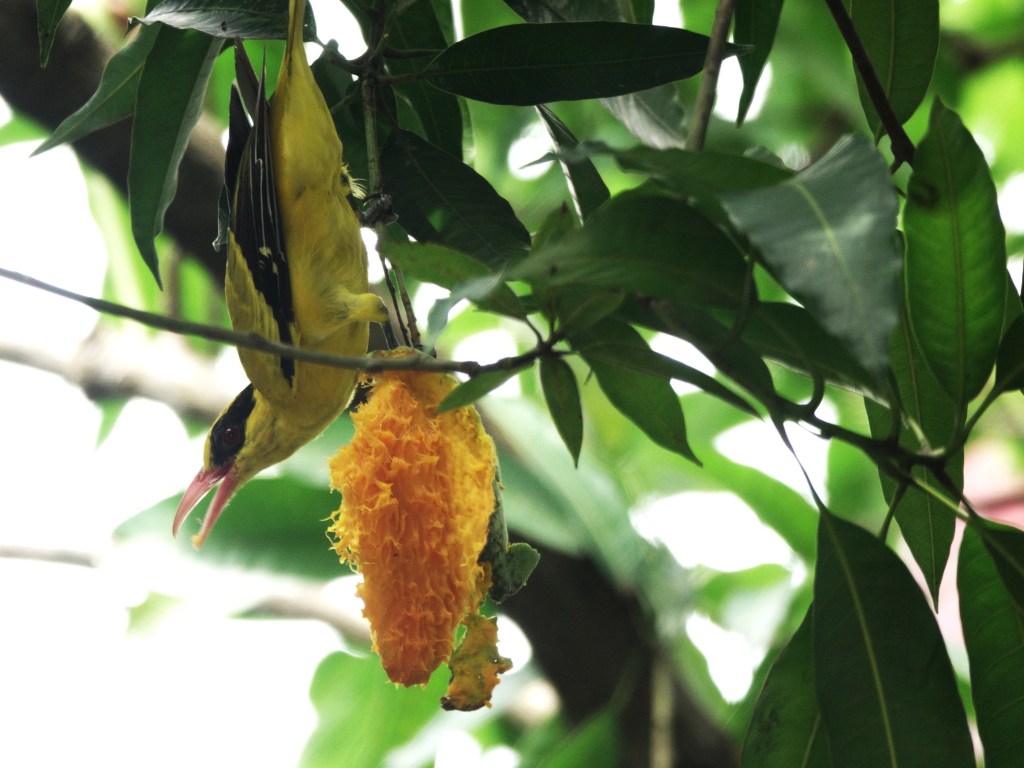
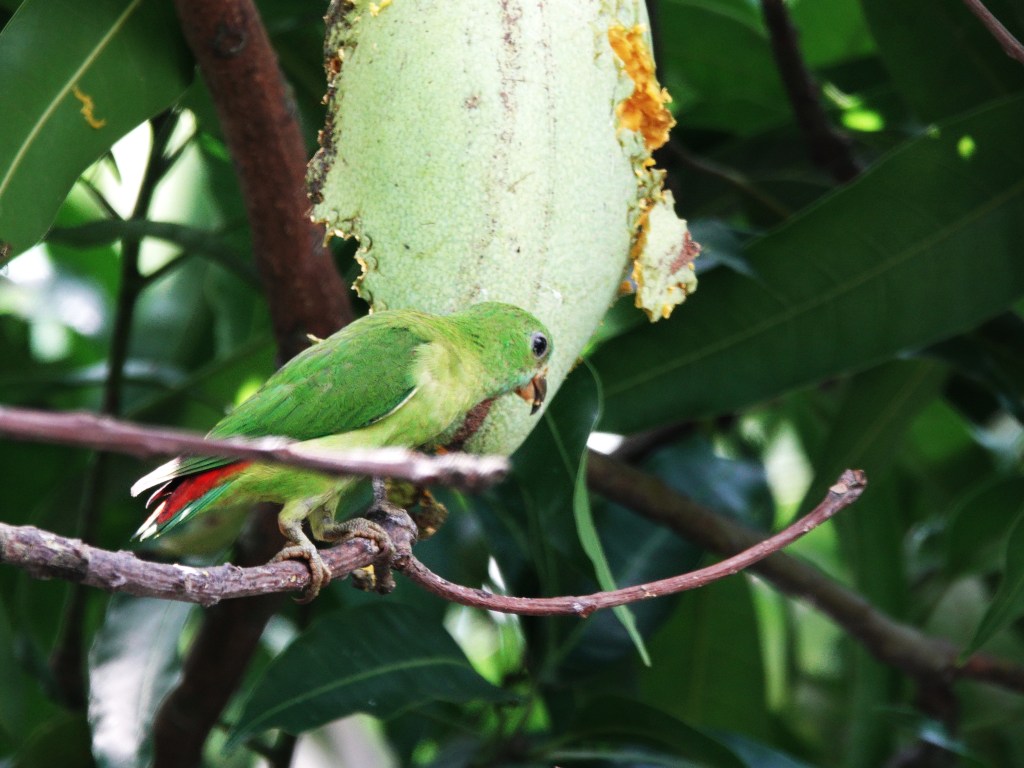
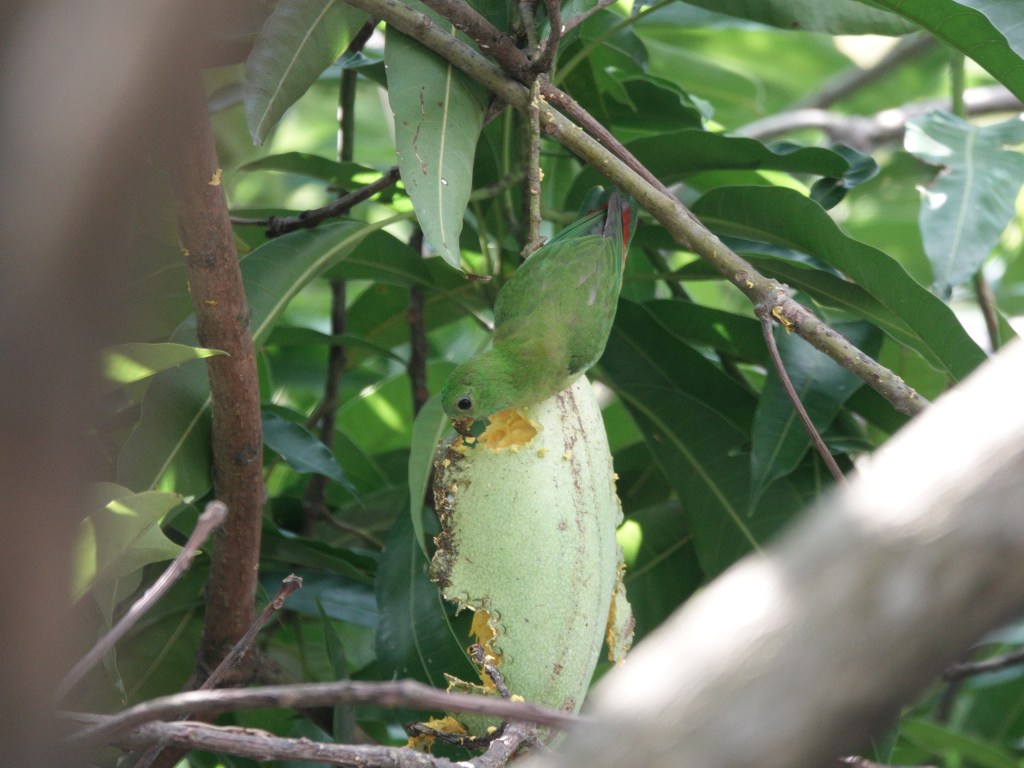
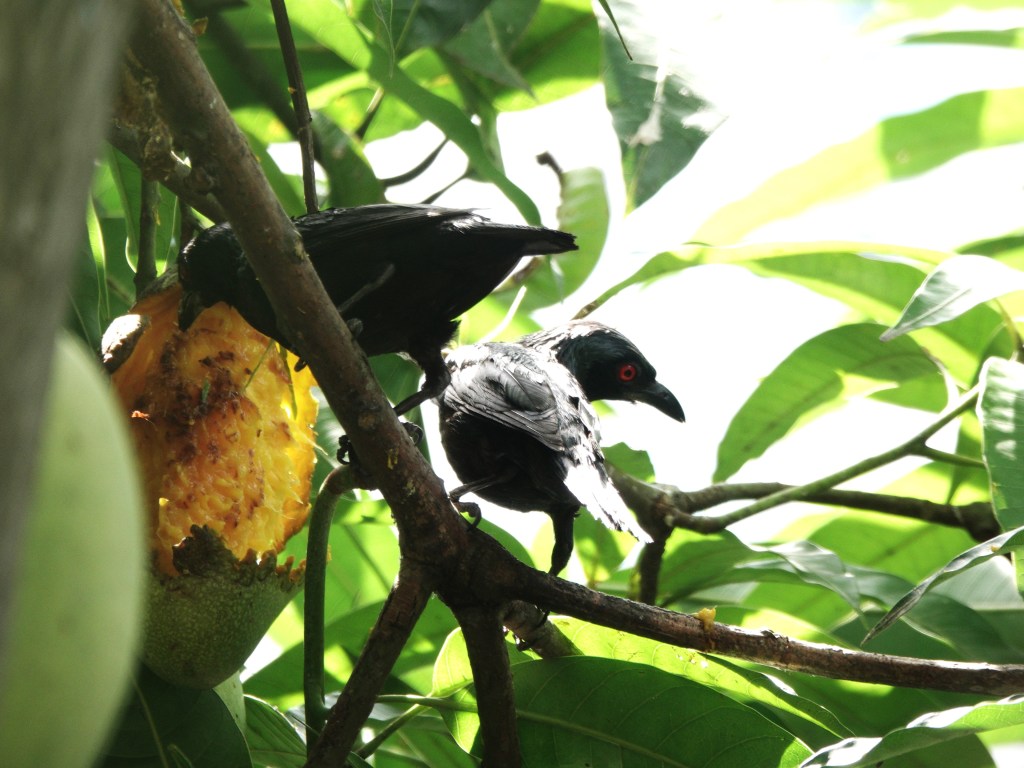
    The mango tree at 125 Bukit Merah Lane 1 is a renowned hotspot among Singapore’s birding community, attracting a variety of species such as the Coconut Lorikeet (Trichoglossus haematodus), Blue-Crowned Hanging Parrot (Loriculus galgulus), Black-Naped Oriole (Oriolus chinensis), Asian Glossy Starling (Aplonis panayensis), Javan Myna (Acridotheres javanicus) etc.

    I challenge all birders and nature enthusiasts to explore fruiting mango trees in their area – these birds might be living right on your doorstep! Here’s an example from Bukit Panjang, right beside a shopping mall.

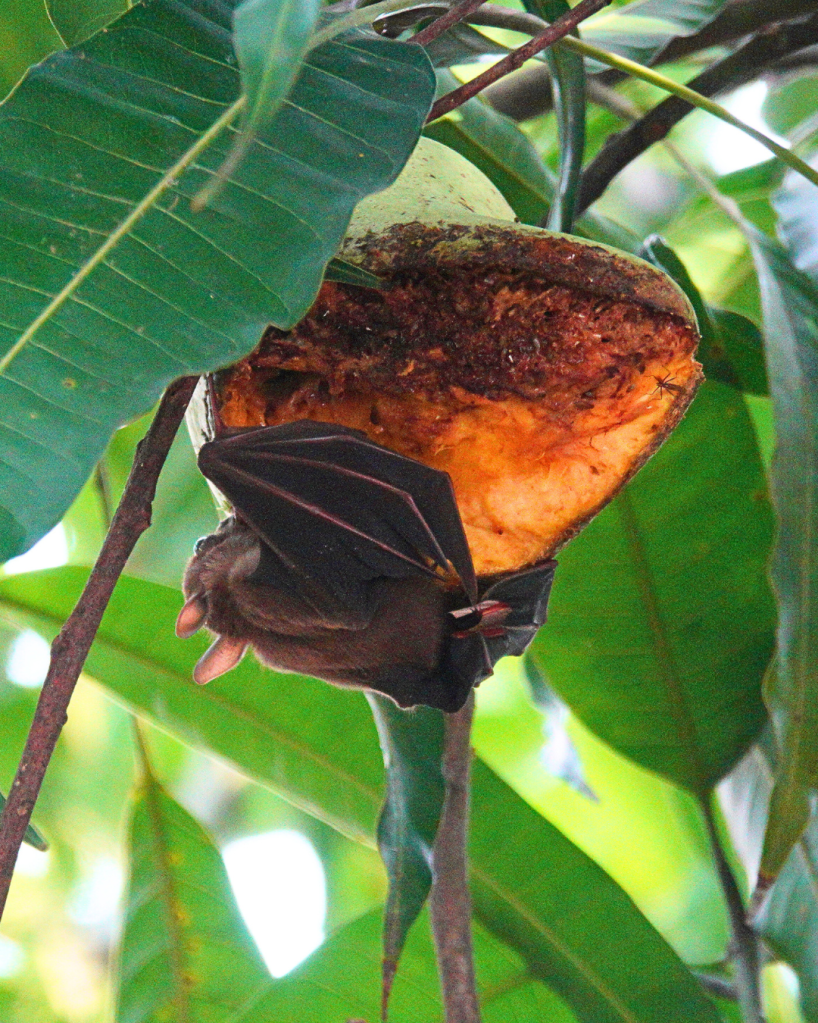
    Just yesterday, as I walked by the tree, I caught a whiff of sweet scent and spotted half-eaten fruits. As it was already 6:00 pm and birds were scarce, I was surprised to find a Lesser Dog-Faced Fruit Bat (Cynopterus brachyotis) feasting on a mango.

    This species of bat is highly adaptable to urban spaces and is, in fact, the most commonly spotted bat species in Singapore.

    A few months back, when the mangoes were ripe, many birds flocked to this particular mango tree to feast, particularly in the mornings. On one such morning, I recorded the following bird species visiting the same tree in Bukit Panjang.

    Black-Naped Orioles have a clear fondness for mangoes! I’ve affectionately nicknamed them the “Wolverine” due to their striking yellow plumage, which reminds me of the iconic X-Men character’s costume.
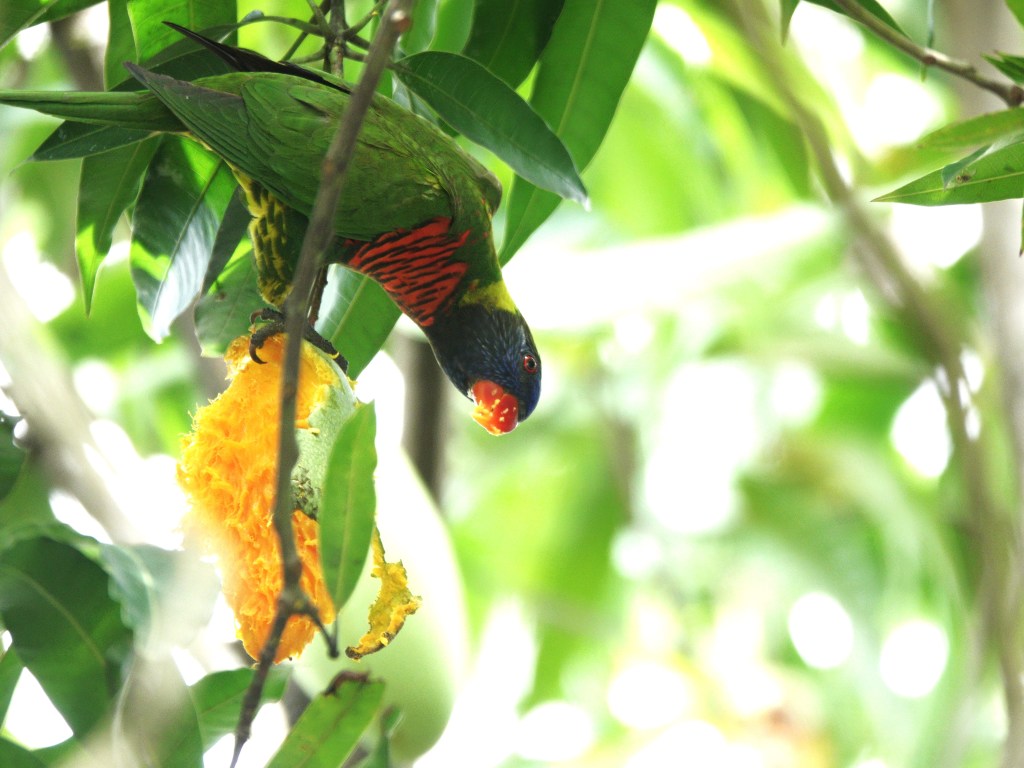
    I spotted two Coconut Lorikeets regularly visiting this mango tree, and here’s one of them in action! Looks like it’s time for a cleanup – this bird is definitely a messy eater!
    Here’s a lovely female Blue-Crowned Hanging Parrot! While they’re often heard flying between spots, the best opportunities for photography are usually near mango trees located close to carparks or HDB corridors. In more natural settings, I tend to find them high up in the canopies of ficus trees, feasting on tiny figs.
    The Blue-Crowned Hanging Parrot gets its name from the distinctive blue crown found on males – which this one lacks. So, it’s pretty clear that this is a female!
    A Spotted Dove waiting for its turn to feast on the mangoes.
    Catching the sun’s rays, Asian Glossy Starlings can reveal their stunning iridescent green feathers (not in this case though) – and their love for mangoes is undeniable!
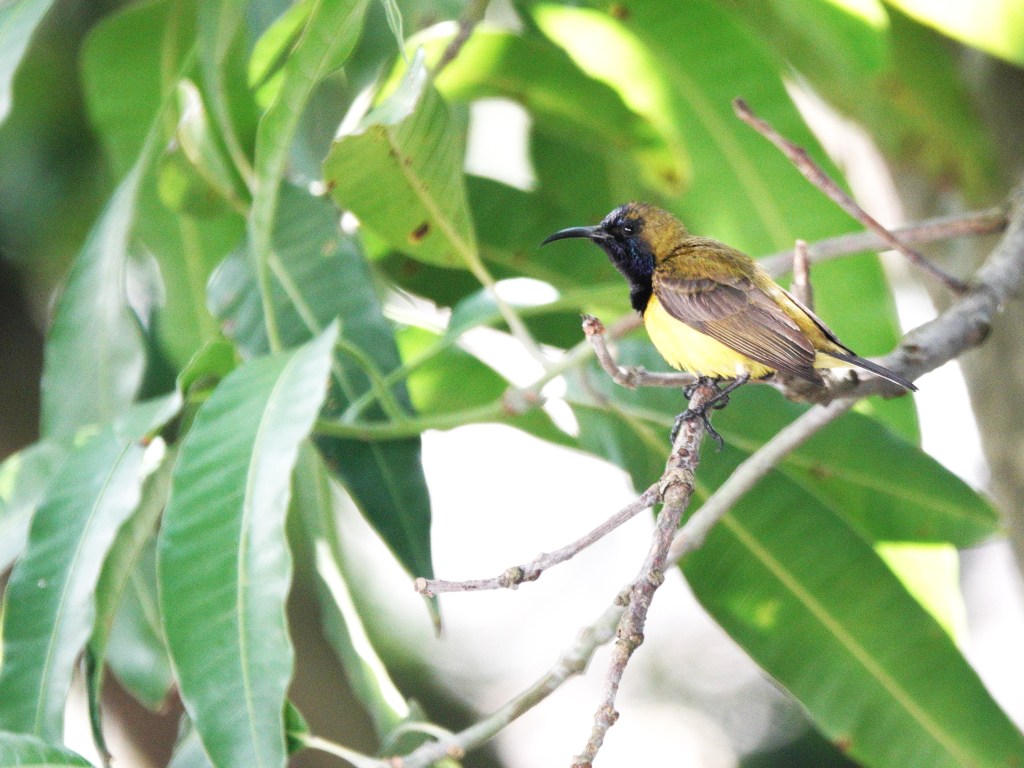
    When I first started birding, this species was still referred to as the Olive Sunbird – now it’s known as the Ornate Sunbird. Interestingly, I did spot one in the same tree, although it wasn’t feeding on the mangoes this time.
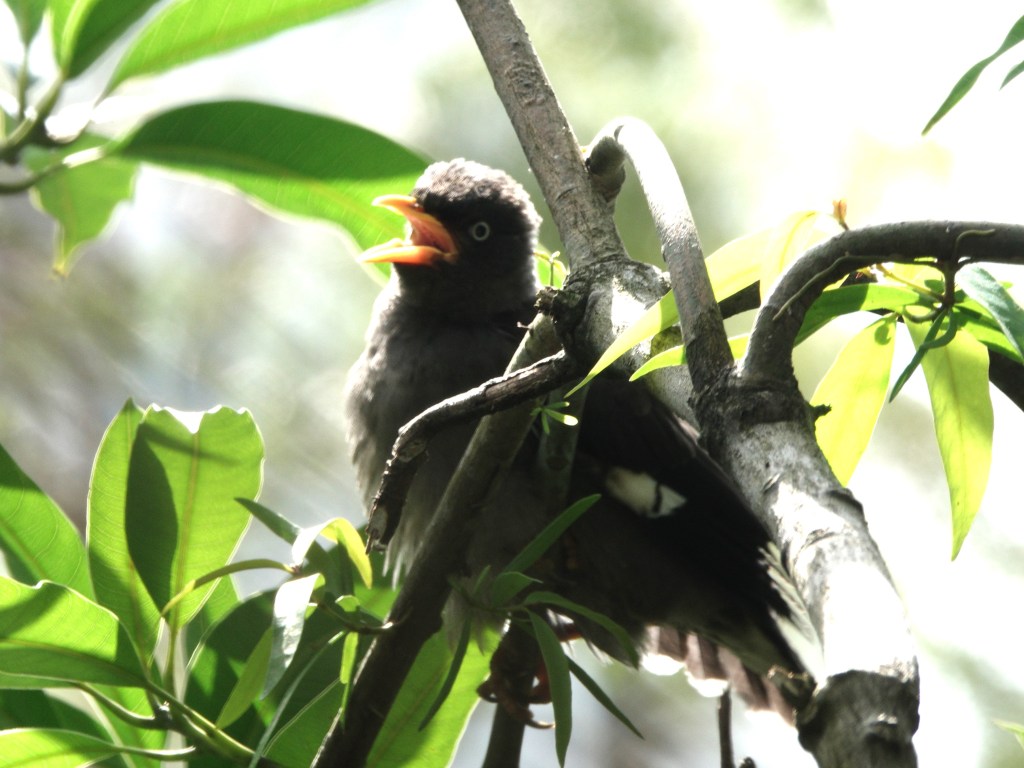
    The Javan Myna is another common sight on our local mango trees. Hey! Where is our own native Common Myna? In this case, it looks like a curious juvenile might be waiting for its parents to bring it some mango treats!
    And how can we forget the Yellow-Vent Bulbuls? They’re definitely enjoying their share of mangoes at this buffet!
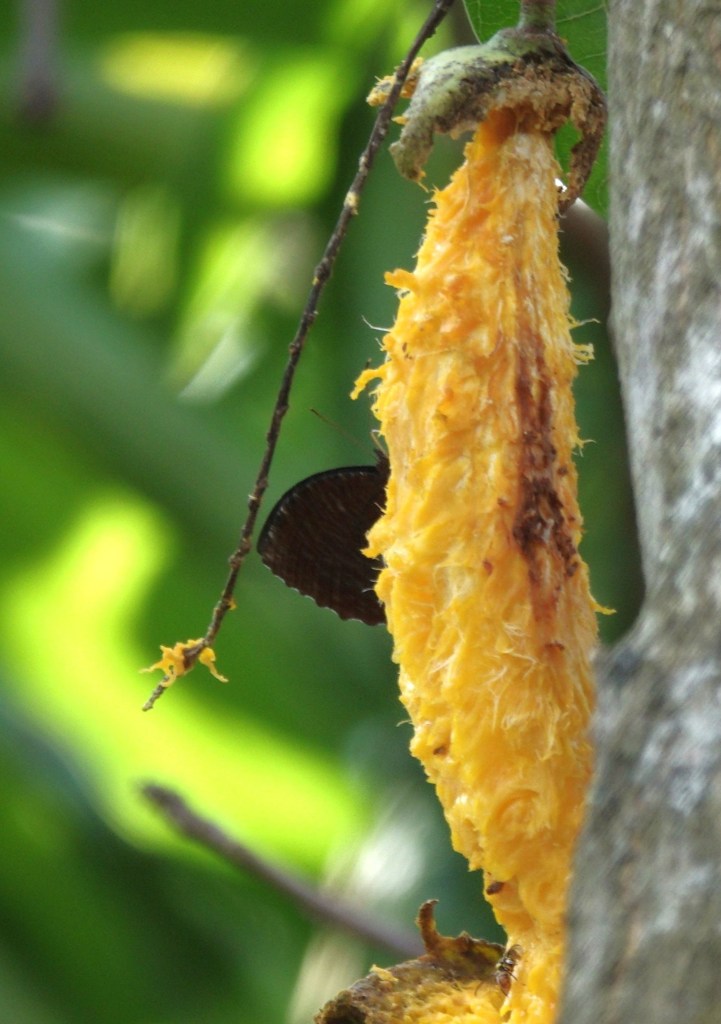
    Well! Our winged friends also love the remains of the mango. An unidentified butterfly and possibly a wasp/hornet at the bottom of the picture.
    A special guest joins the party! This Sunda Pygmy Woodpecker isn’t here for the mangoes, but rather to lend a beak in pest control – a welcome helper for the mango tree! One of my favorite woodpeckers in Singapore, for sure!
    And of course, a common sight to see the weaver ants’ nest on mango trees!

    In fact, when my friend visited the same tree the next morning, he spotted even more species, including a Common Iora (Aegithina tiphia) and a Pied Triller (Lalage nigra), in addition to all the birds I previously mentioned.

    Let’s open our senses to the world around us! Notice the mango trees in your neighborhood – are they fruiting? Can you catch the sweet scent wafting from them? And do you hear the lively, screeching calls of the birds?

    I challenge you to find your own mango tree teeming with life – I’m sure it’s waiting to be discovered!

    Written by Lucas

  • ‘Just One Tree’ – The Unsafe Albizia Trees that Many Birds Call Them Home

    ‘Just One Tree’ – The Unsafe Albizia Trees that Many Birds Call Them Home

    While conducting nature guiding walks, one of the biggest concerns is often ‘Will the birds show up?’ After gaining a deeper understanding of relationships among the flora and fauna species within any ecosystems, I have come to realise that if birds are elusive, I can instead look for the tree species they tend to frequent. Trees, after all, provide a more reliable presence (barring events like lightning strikes or removal by authorities for various reasons).

    One of the tree species I often look out for bird sightings is the Albizia Tree, specifically Falcataria falcata (see link from uforest for more detailed documentation of its physical features). Typically seen from a distance from boardwalks in nature parks or park connectors within secondary forests, these trees are notable for being among the world’s fastest-growing species (can reach maturity within 5 years), which has led to their popular use in reforestation projects.

    So why are Albizia trees often located away from areas with high human traffic? It’s because they belong to the softwood species, characterised by low-density wood and a shallow root system. These features make them vulnerable, especially in a tropical equatorial climate with frequent lightning, heavy rainfall, and strong winds that can cause breakage of branches and uprooting due to soil erosion. Thus, many of those grown nearer to human traffic may have already been removed over the years. In fact, after googling more about the tree species, I found an article regarding NParks removing a patch of Albizia trees at the Bukit Batok Nature Park in 2017 due to safety concerns (See link). And specifically 10 years earlier in 2007, a Singaporean was crushed to death by a toppled Albizia tree, with two others injured (see link).

    The two ways to identify an Albizia tree is its small compound leaves, smooth greyish bark. The other prominent features will be the tree cavities and broken branches. Read more to find out why.

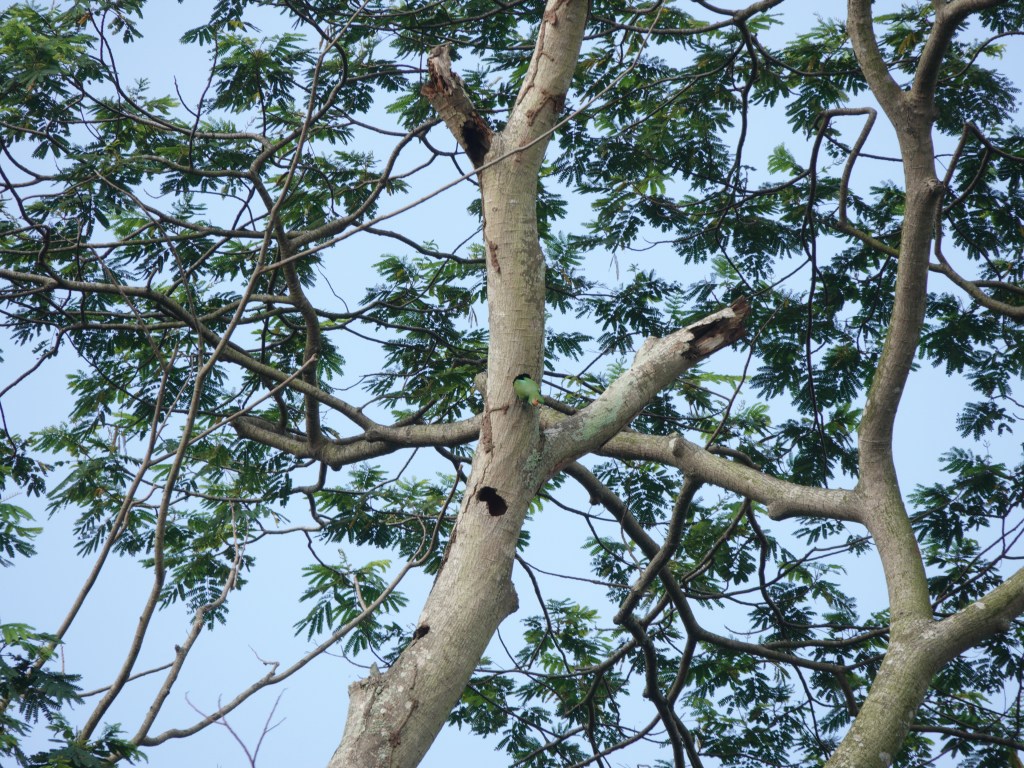
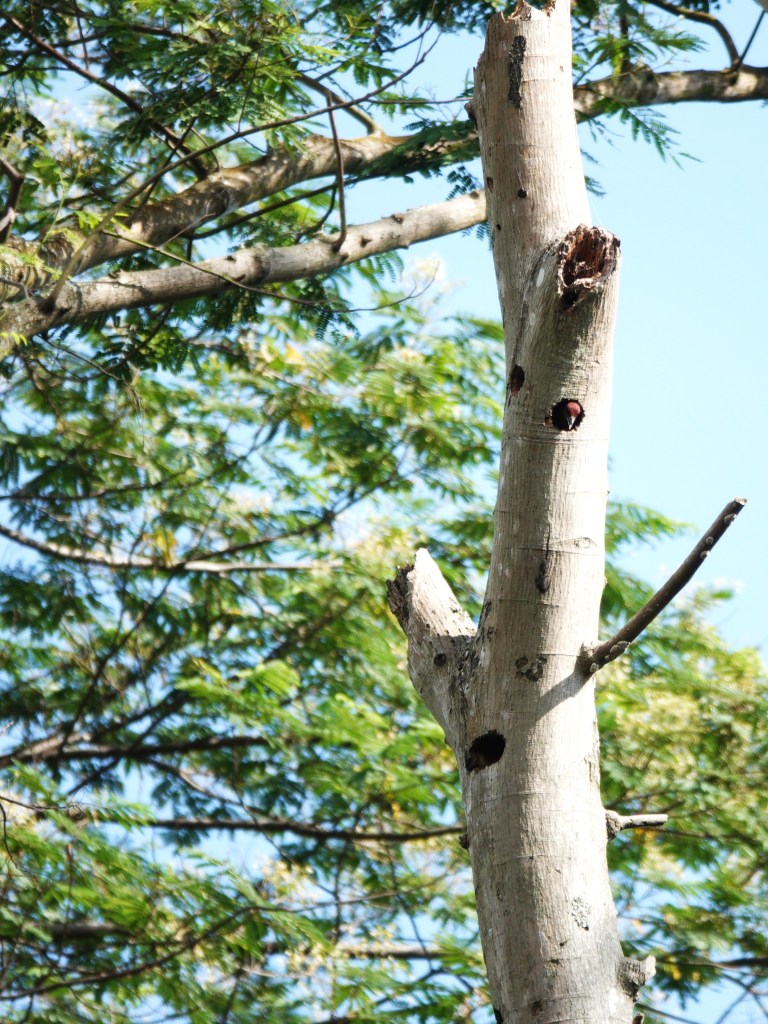
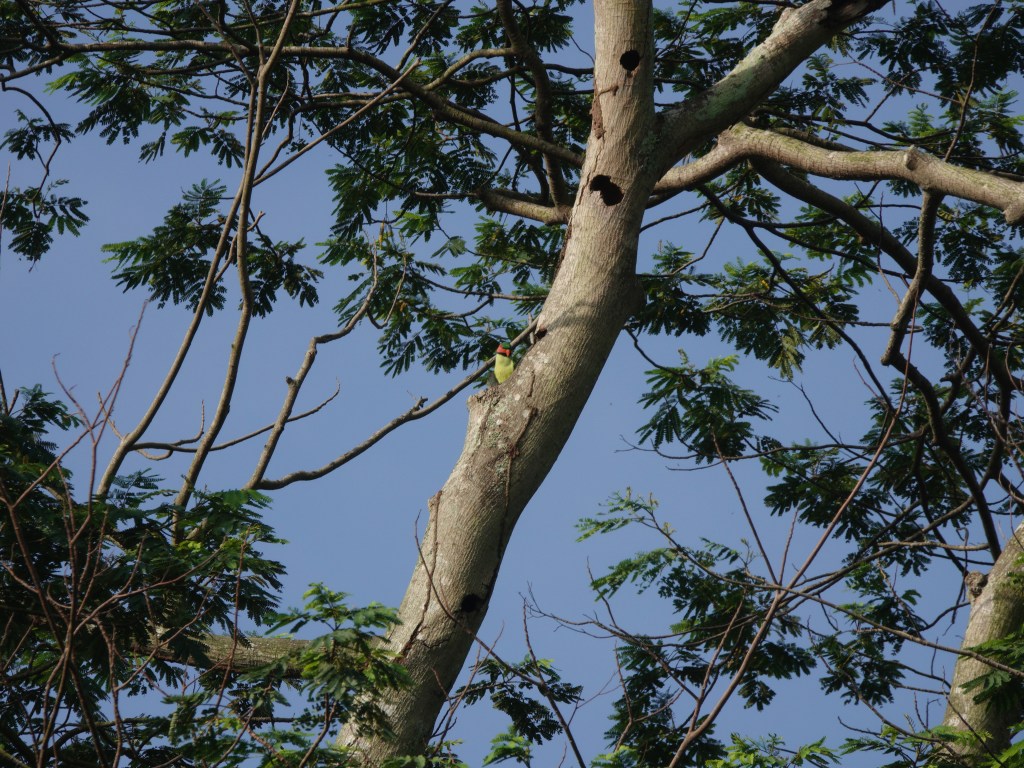
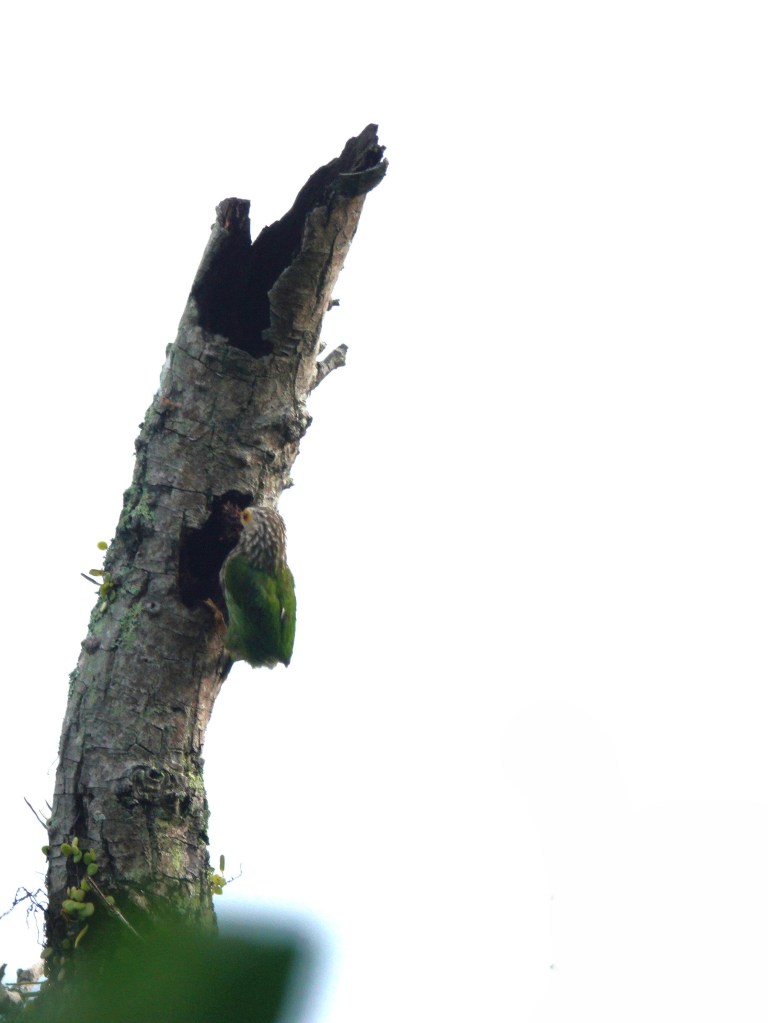
    Interestingly, the same characteristics that make Albizia trees potential safety hazards for humans also make them attractive to certain bird species, such as Lineated Barbets, Banded Woodpeckers, Long-Tailed Parakeets, Hill Mynas and Oriental Pied Hornbills (there may be many others which I have yet observed). The reason lies in the tree’s softer, lower-density wood, which is easier for woodpeckers to excavate cavities for nesting. Barbets may also exploit the more brittle or damaged areas with portions of dead wood to create their own cavities. In contrast, mynas, parakeets and hornbills often rely on existing cavities, using those vacated by other birds for nesting though they do have strong beaks to further shape the holes. Thus, the mynas, parakeets and hornbills are known as “secondary cavity nesters” i.e. they utilise cavities that have already been created by birds with strong beaks that are built for such purposes.

    A Banded Woodpecker looking out of the cavity along Daily Farm Nature Park (between Singapore Quarry and MOE Dairy Farm Outdoor Adventure Learning Centre).
    A Long-Tailed Parakeet peering out from its home. There are so many other cavities above it. This explains why the integrity of the tree structure may be weak and hence a safety hazard.
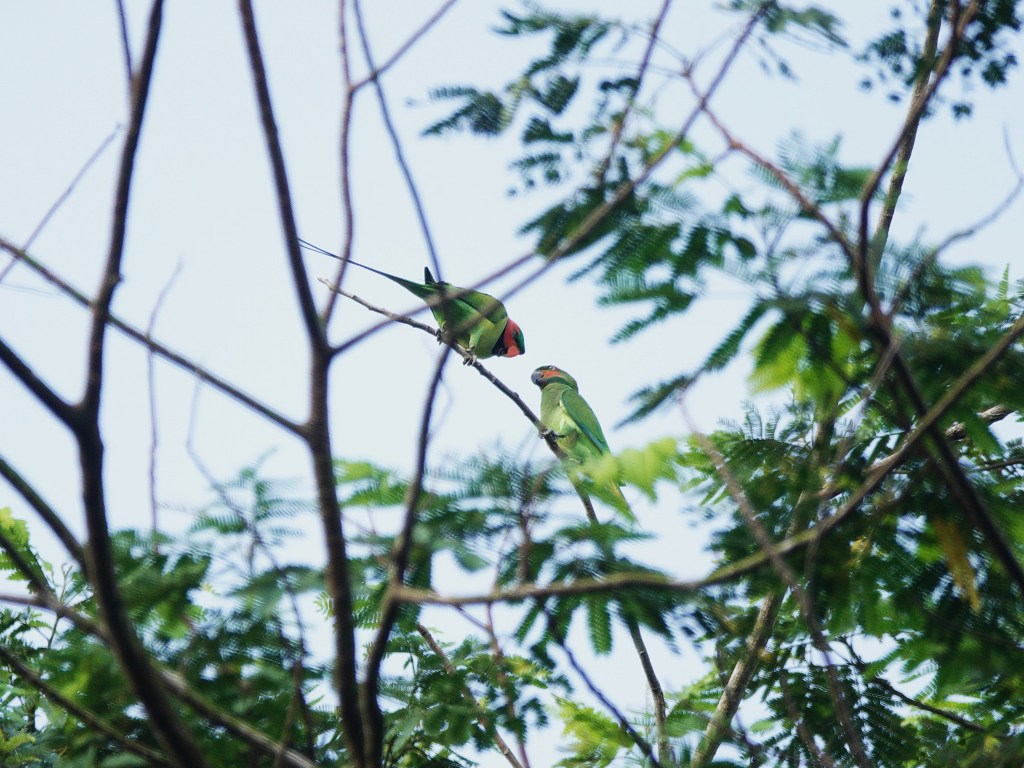
    Two Long-Tailed Parakeets on an Albizia tree in either Rifle Range Nature Park or Hindhede Nature Park (I have forgotten where exactly I took this photograph).
    A Lineated Barbet further excavating a hole at Bidadari Park. It is not known if this is a dead Albizia that have been left there for birds to perch and nest (the bark seems too rough to be one). Bidadari used to have many Albizia trees before the park was opened (You may refer to one of the photographs from uforest)

    The sparse foliage at the canopy of the Albizia tree also makes it an ideal spot for birders to look for raptors, which often perch on the tree’s horizontally stretching branches. This vantage point likely provides the raptors with an unobstructed view of potential prey from a significant height, a luxury not afforded by trees with denser canopies where leaves and branches would block their line of sight. In fact, the height, shape and structure of the branches also encourage raptors to construct their eyries on the Albizia canopy. This has been well-documented by many others. Below are some of the photographs taken by Gabriel and I that illustrate the above points.

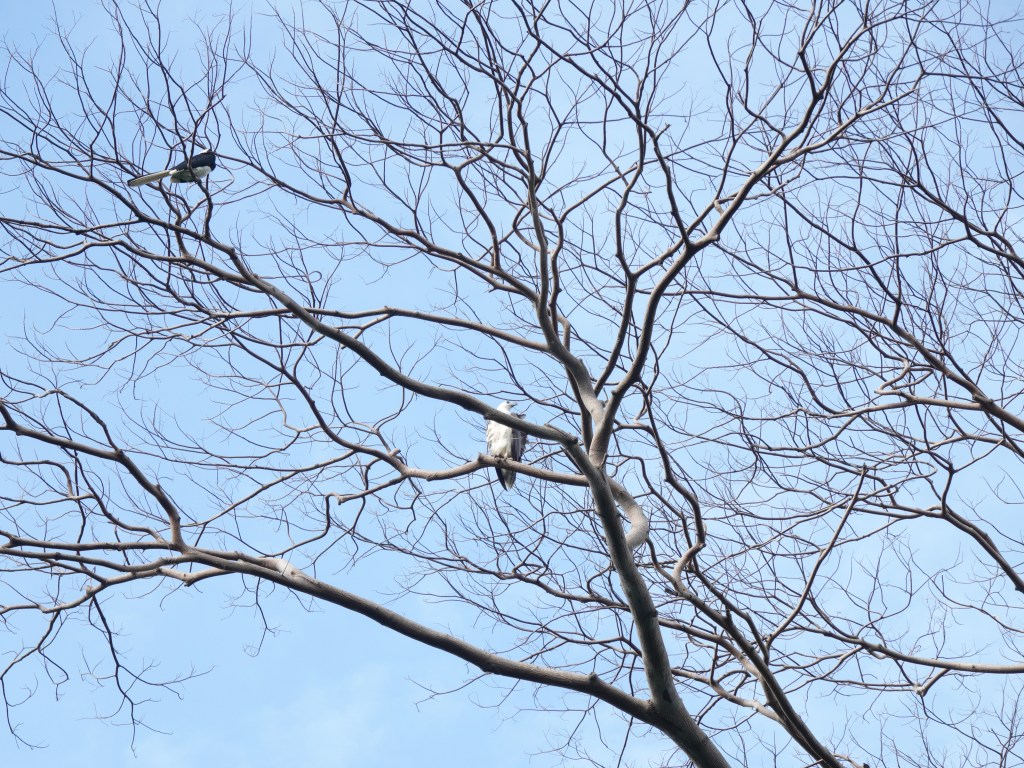
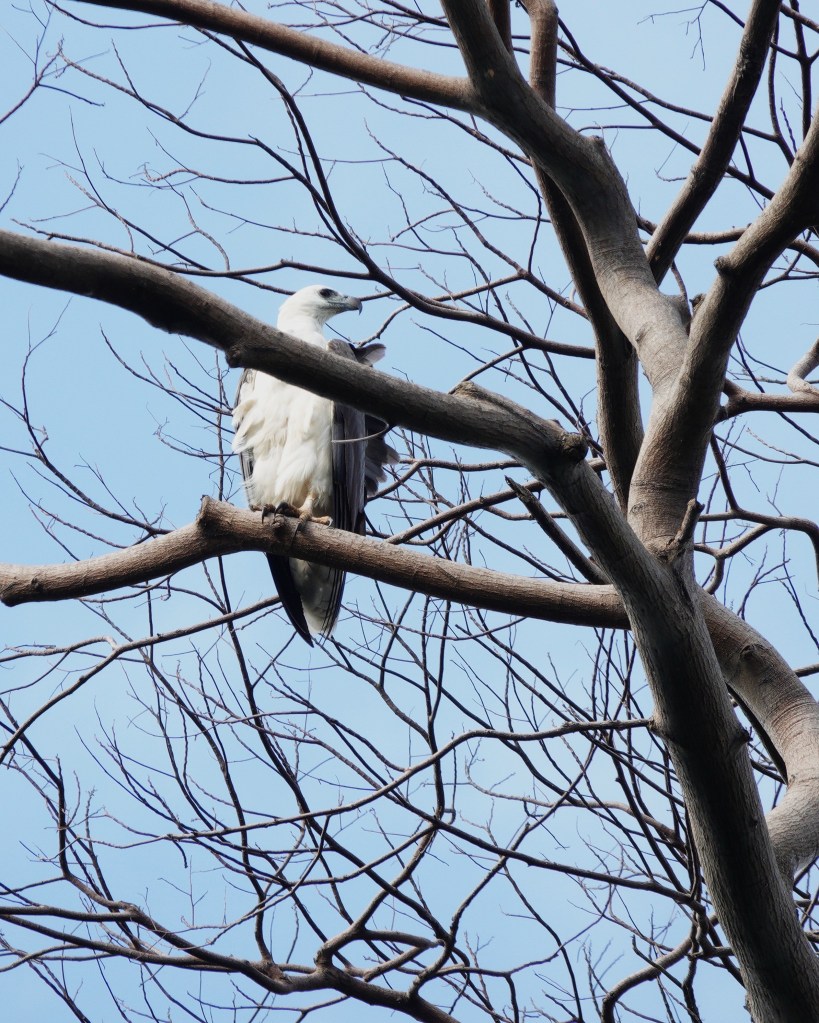
    An Oriental Pied Hornbill and a White-Bellied Sea Eagle perched on a dead Albizia tree in Punggol. Although the smooth grey bark hints at the tree’s identity, confirmation would ideally require the presence of leaves.
    A closer view of the smooth bark.
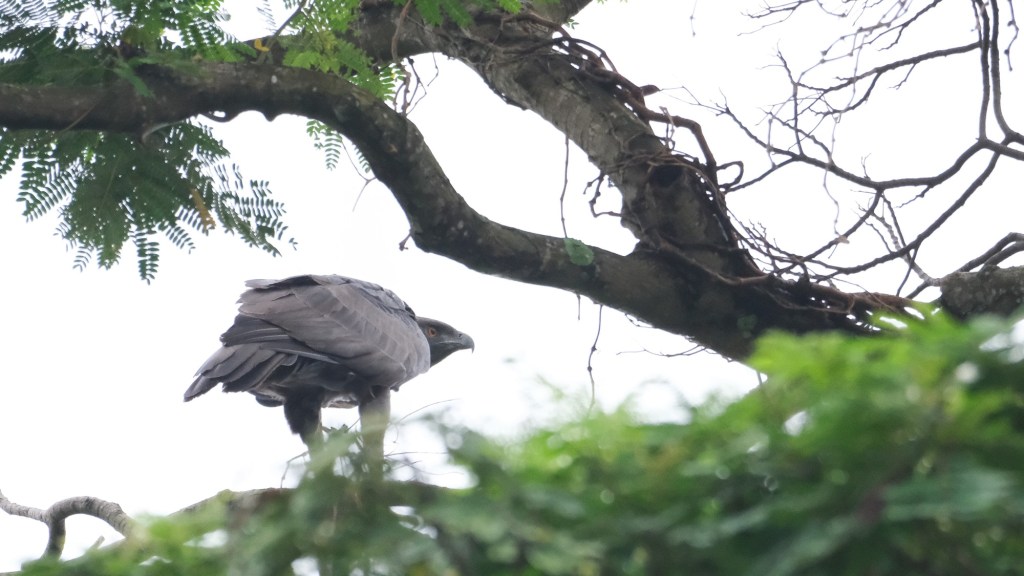
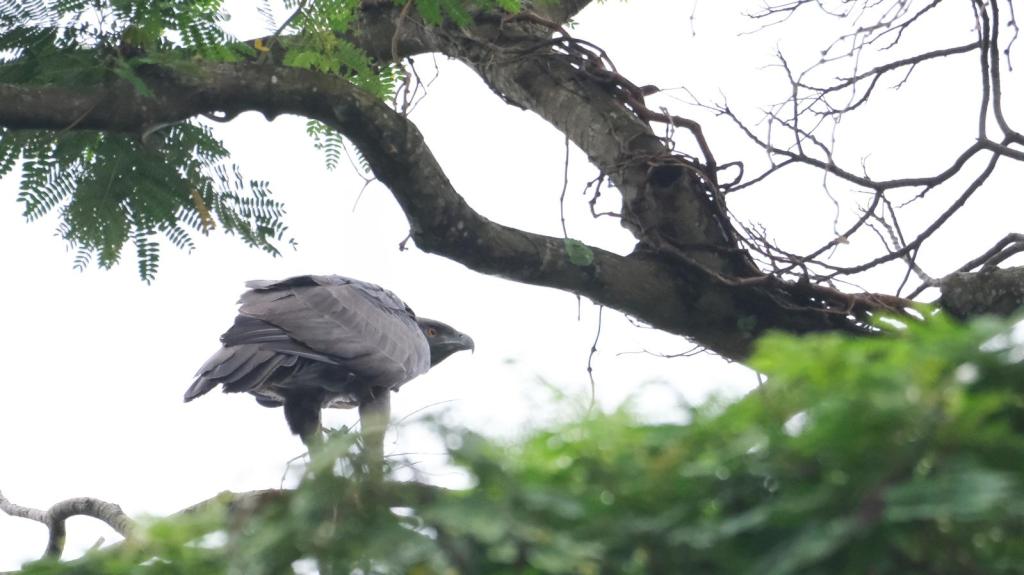
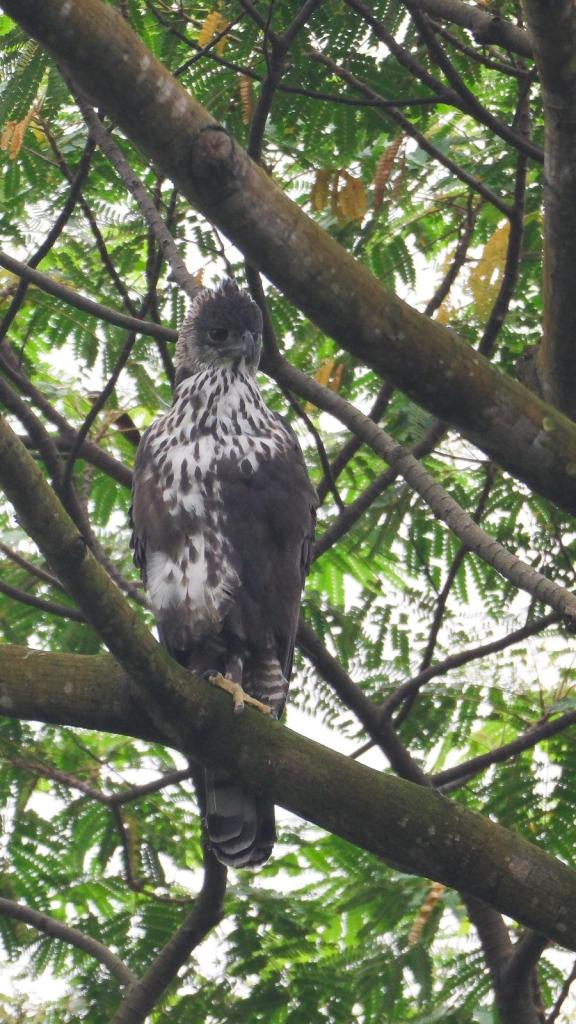
    A Changeable Hawk Eagle (dark-morphed) perched on an Albizia in Chua Chu Kang. (Photo by Gabriel Kang)
    The majestic pose of the Changeable Hawk Eagle. You can see the small leaflets of the Albizia in the background. (Photo by Gabriel Kang)
    Indeed, the Albizia tree is a favourite nesting place for raptors. You can see the eyrie (raptor’s nest) on this particular one in Chua Chu Kang. (Photo by Gabriel Kang)

    I have also found a well-documented article from the journal publication “Nature in Singapore”, published by NUS whereby the Changeable Hawk Eagles and the Oriental Pied Hornbills nested on the Albizia in the Dover Forest. It is an enjoyable read for those who would like to find out more. (Click here to access the article)

    In conclusion, the Albizia tree presents a complex trade-off between supporting biodiversity and posing safety risks to humans. Effective management of this dilemma requires a collaborative approach, with NParks working closely with the community and various stakeholders to make informed decisions that balance human safety with environmental conservation. Education plays a crucial role in this process, helping people understand the reasons behind tree removal and the importance of prioritising safety while supporting species biodiversity. For nature guides and birders, I hope this post provides valuable insights and fosters a deeper appreciation for the importance of flora in supporting the fauna we admire. Don’t forget your binoculars, as these trees are often located at a distance from walking paths for reasons already mentioned.

    Thank you Siyang for providing information about the Albizia trees and Gabriel for the wonderful photos of the Changeable Hawk Eagles.

  • Animals as Teachers in Healing Trauma – Insights from Peter Levine on Somatic Experiencing

    Disclaimer: The information provided in this blog post is for educational purposes only and should not be considered a substitute for professional medical or psychological advice, diagnosis, or treatment. Whilst Peter Levine’s work offers valuable insights into trauma healing, it’s crucial to remember that trauma is a complex and deeply personal experience. If you are dealing with trauma or suspect you may have experienced trauma, please seek support from a qualified mental health professional, such as a licensed therapist or counsellor specialising in trauma treatment. Only a trained professional can provide personalised care and appropriate interventions tailored to your specific needs.

    Harnessing Nature’s Wisdom: Beyond Just Physical Resources

    One of the raisons d’être for establishing birdbrainsg is to create a platform that champions the thoughtful integration of nature to provide a nurturing environment for human beings, supporting their physical recovery and emotional healing. Another fundamental principle driving our mission is the conviction that nature offers a wealth of wisdom beyond resources and technological advancements. While biomimicry, such as the kingfisher’s beak inspiring Japan’s Shinkansen design, showcases nature’s influence on innovation, we believe there are even deeper lessons to be gleaned from the natural world that can profoundly impact human well-being and personal growth.

    “Waking the Tiger: Healing Trauma” – a Book by Peter Levine

    In this blog post, we delve into Peter Levine’s groundbreaking book, “Waking the Tiger: Healing Trauma”. He is an American psycho-traumatologist, biophysicist and psychologist, and of course, an international best-seller author. This blog post summarises key insights from Levine’s research and practices, demonstrating how natural processes can be harnessed to overcome trauma. For those intrigued by this innovative approach to healing, we highly recommend exploring the entire book. It’s a fascinating journey into the intersection of nature, psychology, and human resilience.

    More importantly, it is an incredibly accessible book. You don’t need to be a psychologist, neuroscientist, or therapist to appreciate its insights and value.

    This is one of my must-read on the process of healing, amongst other books such as “The Body Keeps the Score” by Bessel van der Kol.

    Somatic Experiencing – Understanding How Our Body Matters in Healing

    Peter Levine’s groundbreaking book, “Waking the Tiger: Healing Trauma”, offers an insight to understanding and healing trauma by drawing inspiration from the natural world. In this work, Levine explores how humans can learn from animals in the wild to overcome traumatic experiences and restore balance to their lives.

    At the heart of Levine’s theory is the concept of somatic experiencing, which emphasises the body’s innate ability to heal itself. He argues that trauma is not just a psychological phenomenon but a physiological one, deeply rooted in our nervous system. By observing how animals in the wild naturally discharge the energy of traumatic events, Levine proposes that humans can tap into similar instinctual processes to heal their own trauma.

    Levine points out that animals in the wild, despite facing life-threatening situations regularly, rarely exhibit long-lasting trauma symptoms. Instead, they have natural mechanisms to release the pent-up energy and return to a state of equilibrium.

    Fight, Flight, Freeze, Shake: Nature’s Trauma Recovery Cycle

    Peter Levine describes the instinctive responses of prey when confronted by a predator. Initially, the prey may attempt to fight off the predator. If this proves ineffective, the flight response takes over. Should the predator outpace the prey, a freeze response may occur as a last-ditch survival mechanism. This freeze state serves multiple purposes:

    1. It reduces the intensity of pain if attacked and devoured.
    2. It may mislead the predator into thinking the prey is diseased or inedible.
    3. It can make the prey harder to spot against its surroundings.

    Importantly, if the prey manages to escape, it will often engage in a vigorous shaking behaviour. This seemingly violent trembling is actually a crucial process that helps release the built-up trauma and excess energy from the encounter, allowing the animal to return to a balanced state.

    The shaking behavior after a trauma is essential for returning the body to balance. Yet, when humans display such behaviors, we may resist them for various reasons, thus suppressing the energy within.

    In contrast, humans often suppress these natural responses due to social conditioning or the complexity of our cognitive processes. This suppression, as Levine argues, can lead to the development of chronic trauma symptoms. Many of us have experienced this urge to suppress our body’s natural reactions. For instance, I once tried to conceal intense trembling during a dental visit, driven by a misguided notion of masculine bravery. While this example pales in comparison to the severe trauma experienced by Levine’s patients (though I also do not want to downplay the intensity of own personal experience), it illustrates how we often resist our body’s instinctual responses. Levine suggests that by reconnecting with these instinctual responses and allowing our bodies to complete the natural cycle of activation and deactivation, we can begin the healing process.

    Levine’s approach encourages us to pay close attention to bodily sensations and subtle internal shifts. By doing so, we can gradually release trapped energy and emotions, much like how a gazelle might shake off the residual tension after escaping a predator. This process of gentle, body-centred awareness allows for a more holistic healing experience that goes beyond traditional talk therapy.

    This is a video excerpt featuring Peter Levine, Ph.D., from his video lecture entitled “How the Body Releases Trauma and Restores Goodness”. He shared how one of his patients healed from a trauma after his intervention and hence highlights the significance of releasing ‘trapped energy’ attributed to trauma.

    The lessons from nature extend beyond individual healing. Levine’s work reminds us of the profound interconnectedness of all living beings and the wisdom inherent in natural processes. By observing the resilience of wildlife and ecosystems, we can gain valuable insights into our own capacity for adaptation and recovery.

    In our modern world, where we are often disconnected from nature, Levine’s approach serves as a call to reconnect with our primal instincts and the natural environment. Practices such as mindful walks in nature, grounding exercises, and even observing animals in their natural habitats can all contribute to this healing process.

    A Safe Space to Heal

    Moreover, Levine’s work highlights the importance of creating safe spaces for healing, much like how animals seek secure environments to recover from threats. This concept can be applied to our personal lives, therapy settings, and even broader community structures to foster environments conducive to healing and growth. Levine has been quoted as saying, “Trauma is not what happens to us. But what we hold inside in the absence of an empathetic witness.” This highlights the importance of creating a safe space where these people feel seen, heard, and supported.

    Conclusion

    By embracing these lessons from nature, we can develop a more compassionate and effective approach to trauma healing. Levine’s insights encourage us to trust in our body’s wisdom and to view trauma not as a life sentence, but as an opportunity for transformation and growth.

    In conclusion, “Waking the Tiger” offers an interesting perspective on trauma healing that bridges the gap between our modern human experience and our ancestral connections to the natural world.

    Here are three key takeaways from Peter Levine’s groundbreaking work:

    1. Body-Centred Healing: Trauma is not just psychological but deeply physiological. By paying attention to bodily sensations and allowing natural processes of activation and deactivation, we can release trapped energy and emotions, facilitating healing.
    2. Learning from Nature: Animals in the wild demonstrate remarkable resilience in the face of constant threats. By observing and emulating their natural mechanisms for discharging traumatic energy, humans can tap into their own innate healing capacities.
    3. Creating Safe Spaces: Just as animals seek secure environments to recover from threats, humans need safe spaces for healing.

    By embracing these lessons from nature and Levine’s somatic experiencing approach, we can develop a more compassionate and effective approach to trauma healing, benefiting not only individuals struggling with trauma but also providing valuable insights for therapists, healthcare professionals, and anyone interested in holistic well-being.

    Written by Lucas

  • ‘Just One Tree’ – A ‘Botak’ Ficus Sp. Tree in ASRJC and its Interesting Inhabitants

    ‘Just One Tree’ – A ‘Botak’ Ficus Sp. Tree in ASRJC and its Interesting Inhabitants

    Just One Tree’ is a blog series that explores how individual trees support life. Each post delves into the unique ecosystem centered around a single tree, showcasing its vital role in sustaining various forms of life.

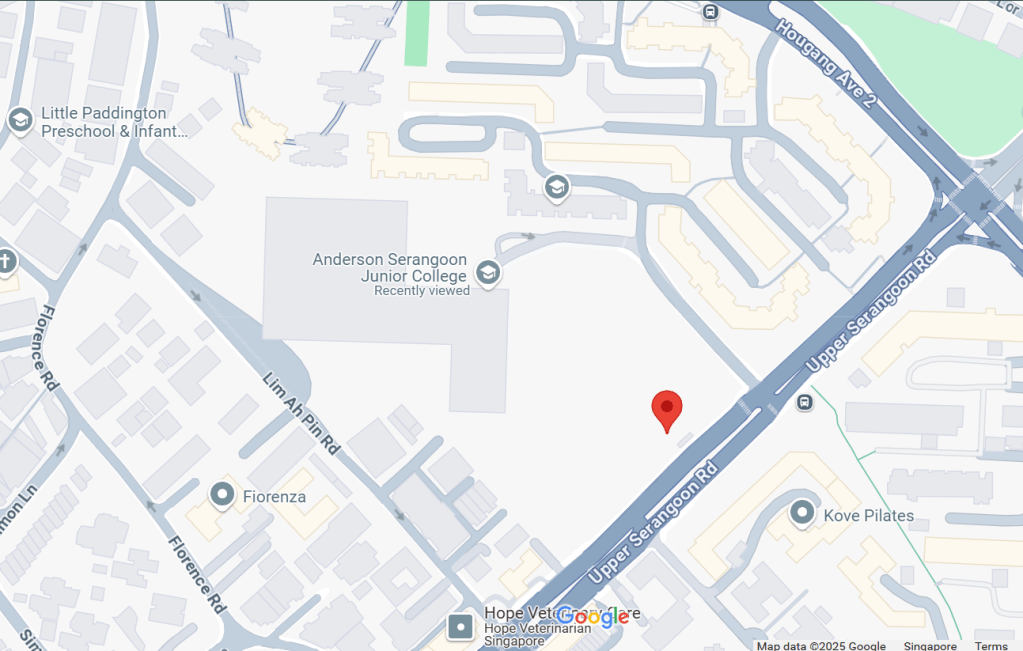
    In this inaugural post of the series, I spotlight a particular tree along Upper Serangoon Road. I discovered this arboreal wonder while cycling to buy the famous Yong’s Teochew Kueh for my parents on the 9th January 2025. The tree stands within the vicinity of Anderson Serangoon Junior College (formerly Serangoon Junior College, where I studied for three months before transferring to Anderson Junior College in Ang Mo Kio in 1999).

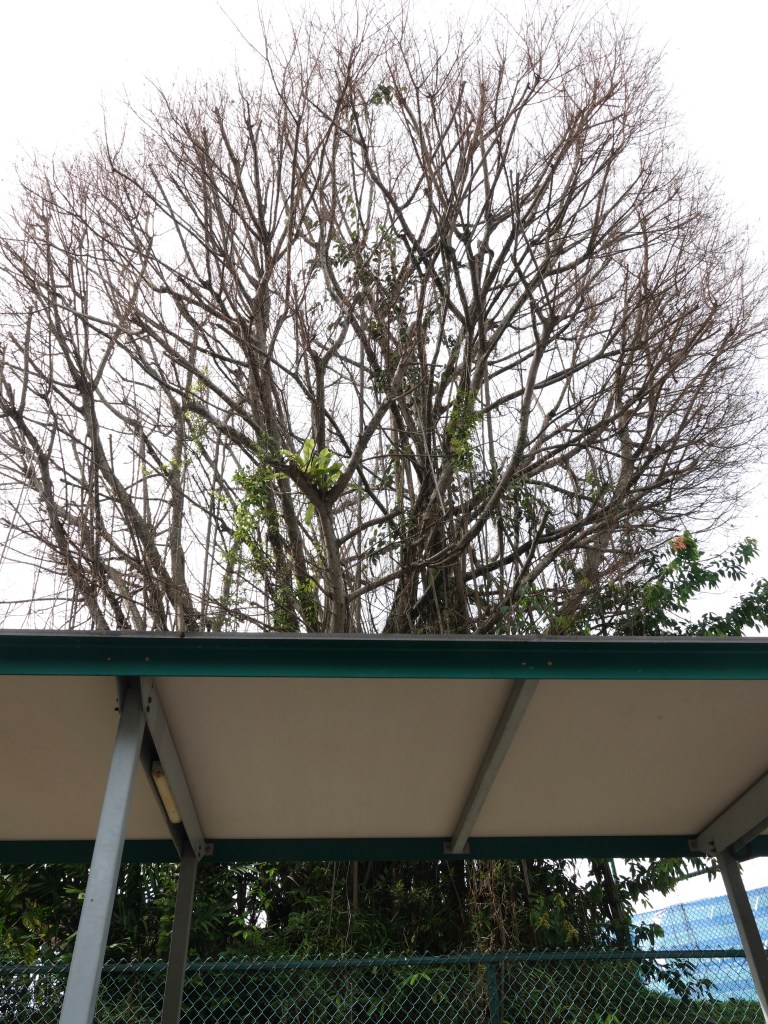
    What caught my attention was the tree’s unusual appearance – it was completely stripped of its leaves. My immediate reaction was one of concern and curiosity: What had happened to this tree?

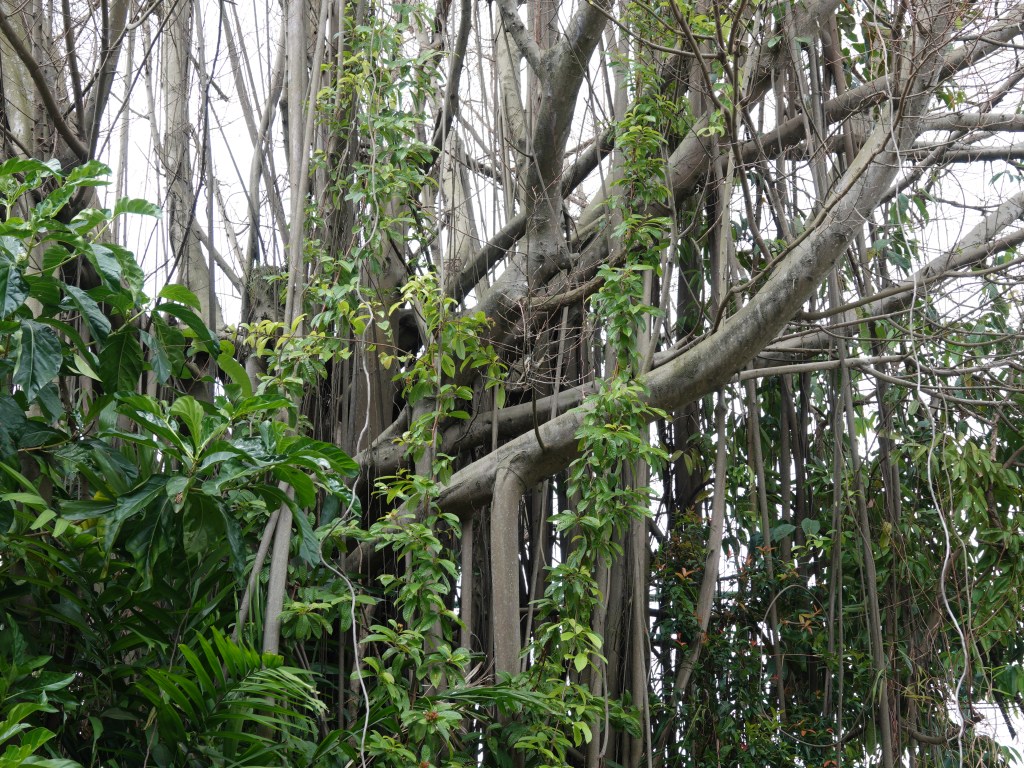
    Upon closer observation, I noticed dangling aerial roots, a characteristic feature that left no doubt about its identity. This tree is a Ficus species, most likely a Ficus microcarpa, as it is one of the most common Ficus species grown in urban areas.

    The location of the tree is pinned. I documented the details about this tree at the bus stop area on the 9th Jan 2025. (Source: Google Map)
    By referring to Google Streetview, I caught a glimpse of the tree’s former splendor. Examining its structure and leaf arrangement, I was able to rule out Ficus benjamina, as it lacks the characteristic droopy appearance. Unfortunately, the resolution wasn’t sufficient to discern the leaf shape, making a definitive identification impossible. (Source: Google Street View)
    The fate of the entire tree as of January 2025: The visible green patches belong to an unknown climber and some epiphytic plants, not to the Ficus itself.
    There are other flora species at the base of the Ficus. On the left, it looks like a Noni tree (Morinda citrifolia) with a palm species growing below it. On the right is probably a wild cinnamon tree (Cinnamomum iners).

    What’s Causing the Tree to Become Botak?

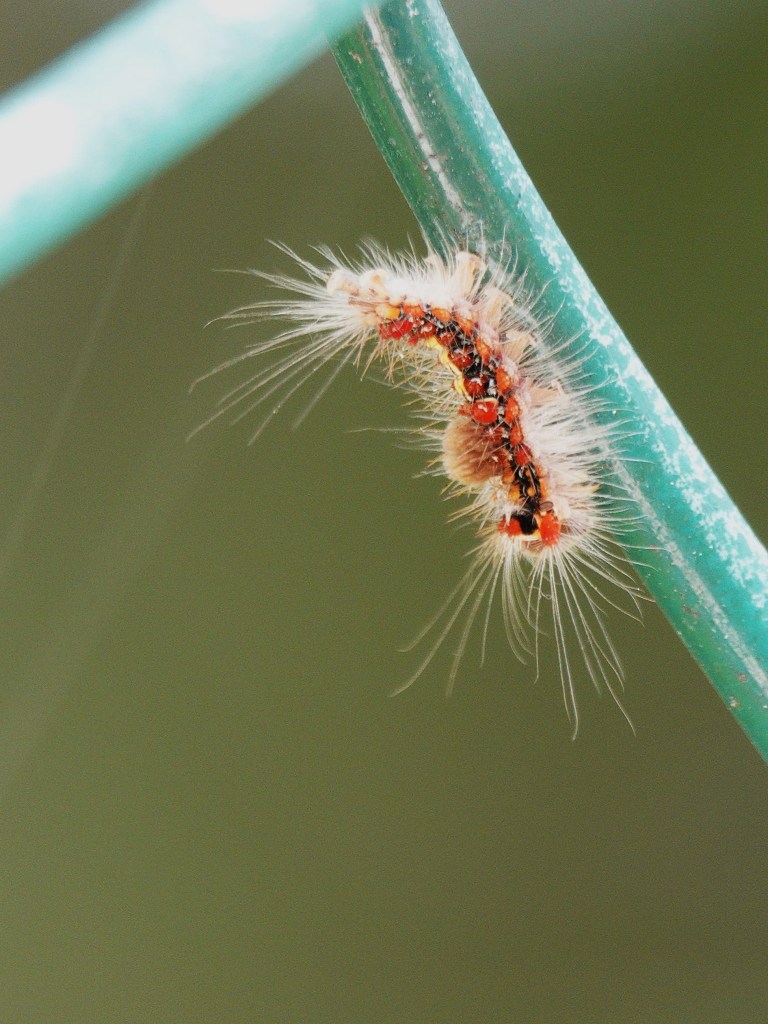
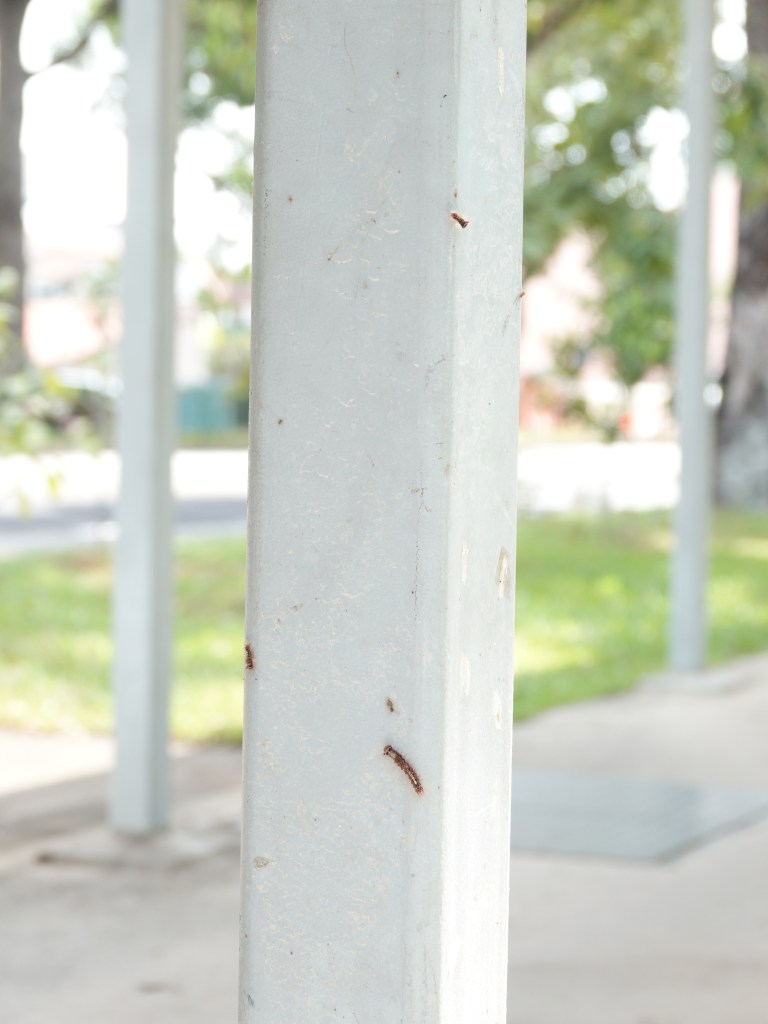
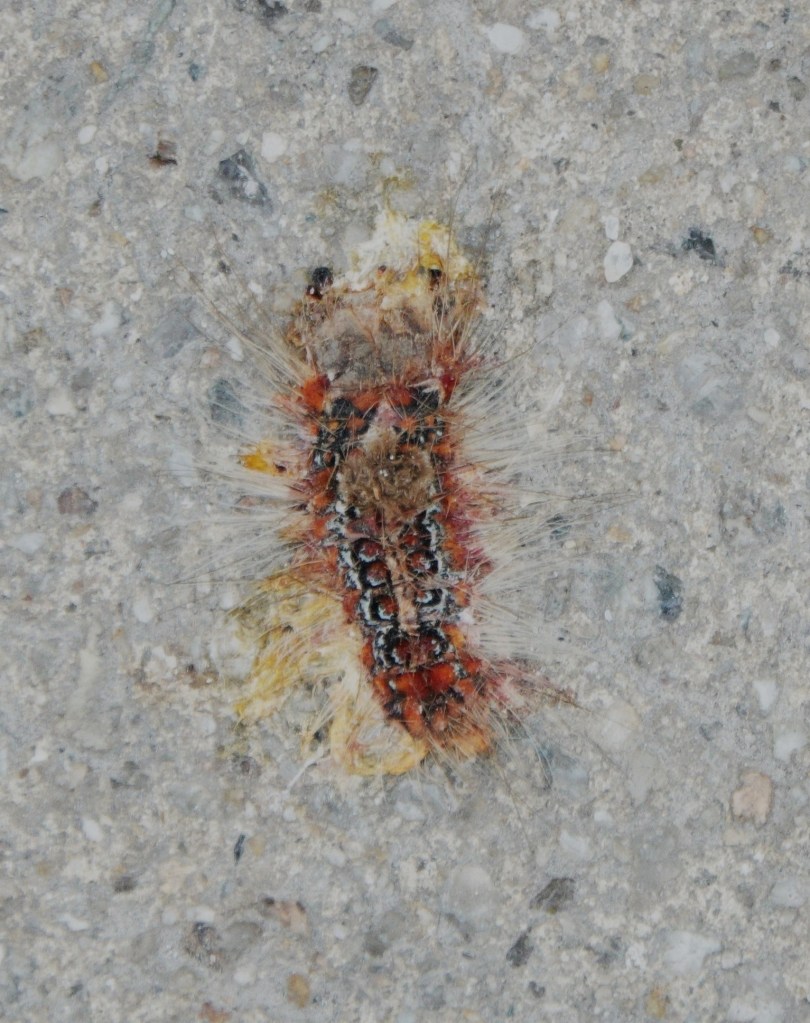
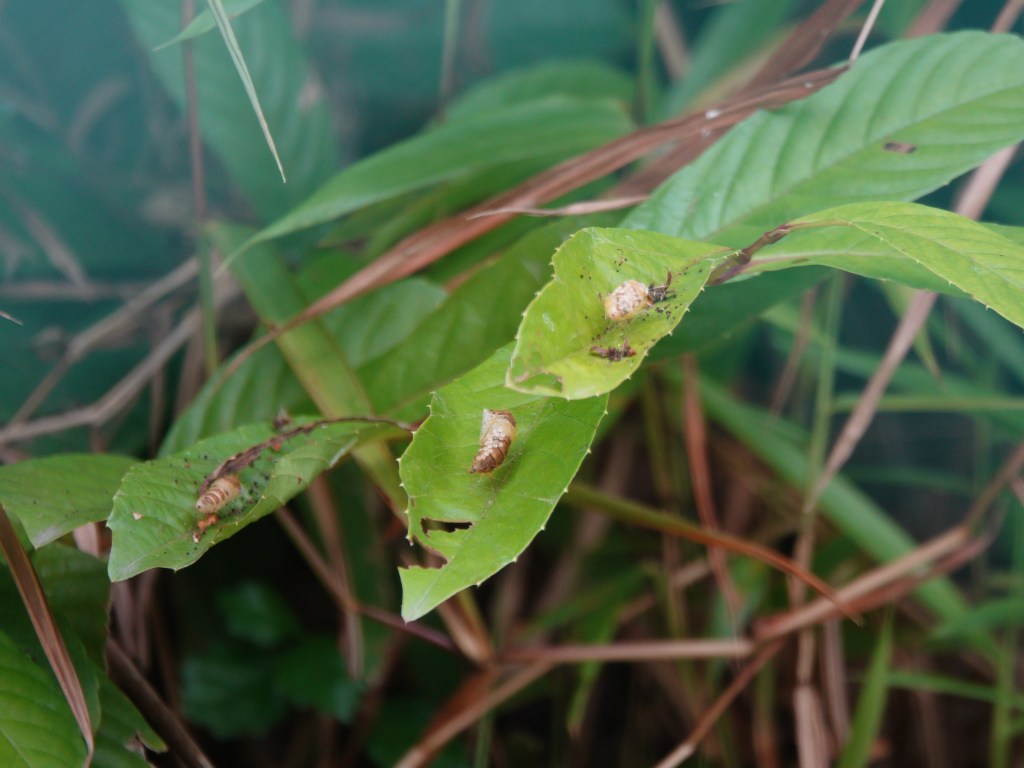
    I parked my bicycle at the bus stop and approached the fence. Immediately, I found the answer: caterpillars! And not just any caterpillars, but Clear-Winged Tussock Moth (Perina nuda) caterpillars. Also known as the Banyan Tussock Moth, they weren’t just crawling all over the fence; they were also on the bus stop, the walkway shelter, and even on the ground.

    As I was photographing them, one fell on my neck. I instinctively brushed it away in fright, worried that its bristles might cause an allergic reaction (fortunately, they didn’t).

    Sighted the first one on the fence.
    You can see 5 of them of varying sizes on the metal pillar of the sheltered walkway.
    There are also a couple of flattened ones on the walkway, either unknowingly crushed by bicycles, PMDs or pedestrians.
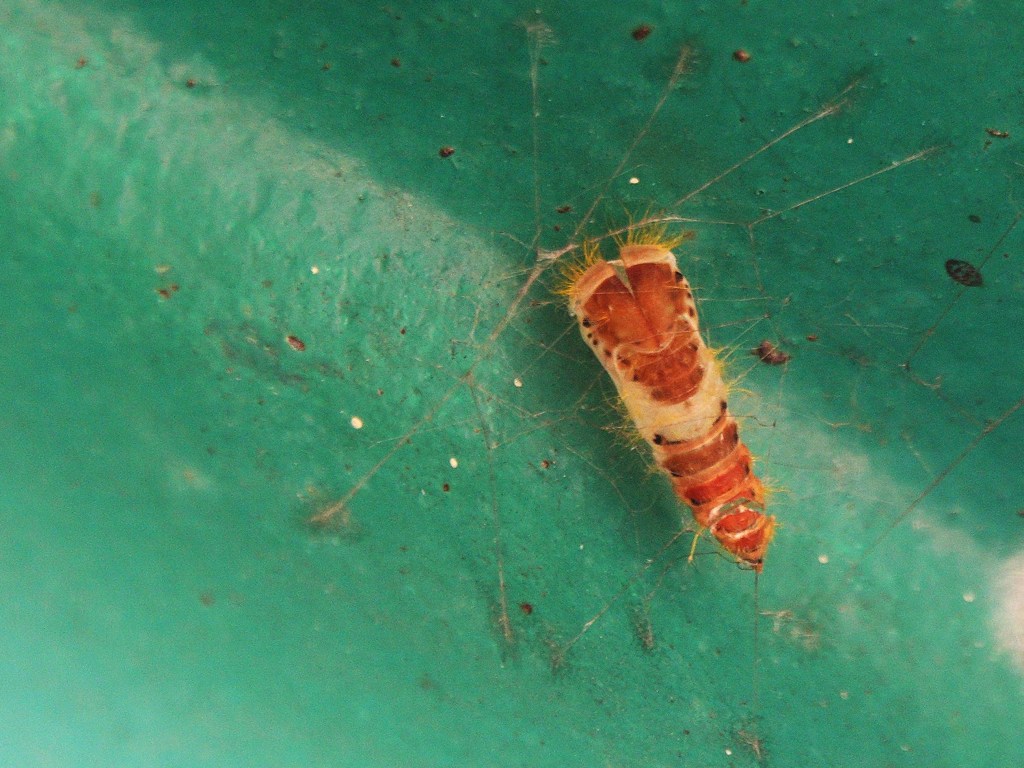
    This particular pupa at the top of the sheltered walkway has already eclosed (i.e. emerged as a moth).
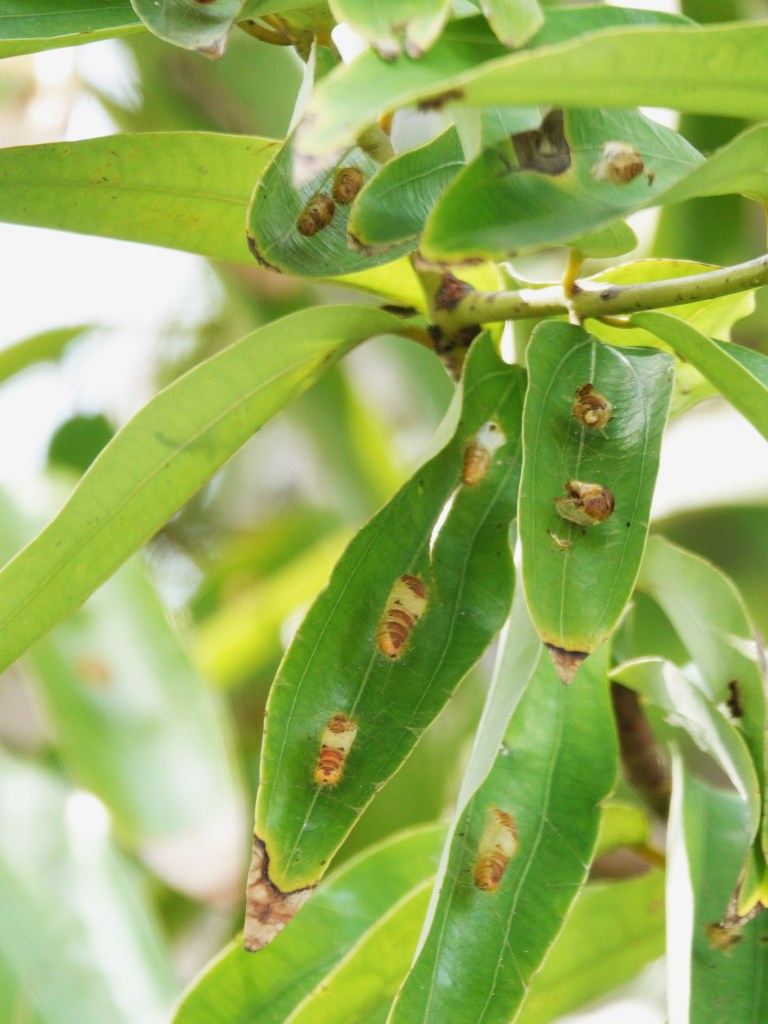
    More pupae on the Wild Cinnamon Plant
    And a lot more on the Noni plant too.

    Predators of the Caterpillars: A Search for Evidence

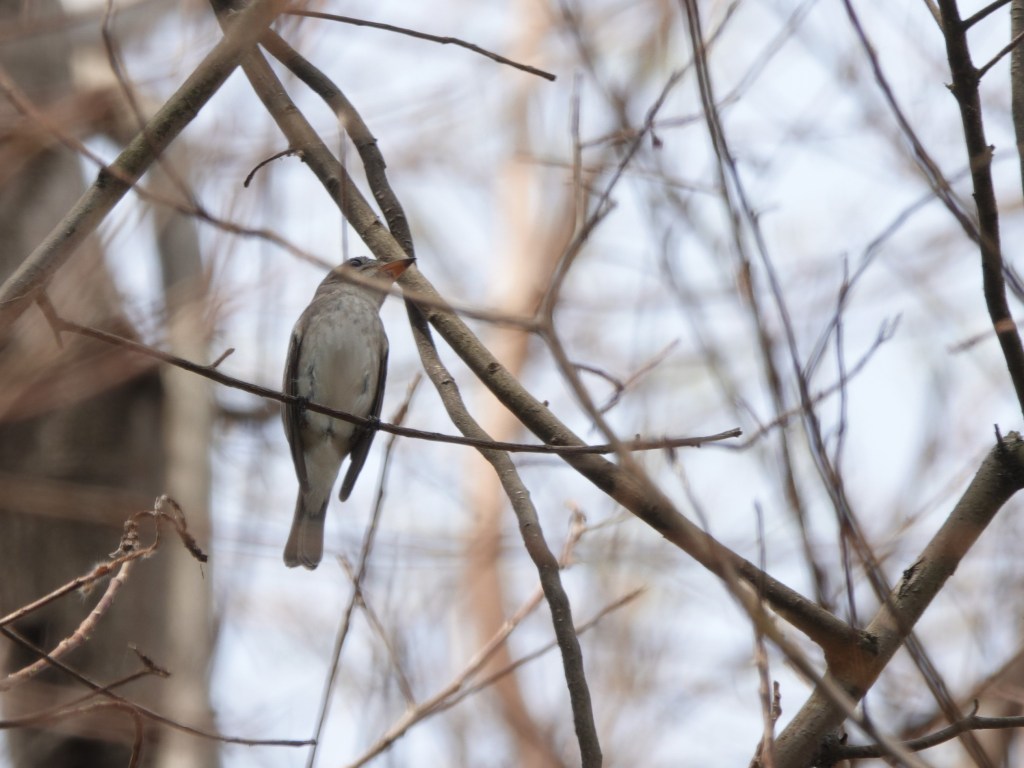
    Having previously observed numerous cuckoos feasting on Phauda flammans caterpillars infesting a Ficus microcarpa in Jurong Lake Gardens, I hoped to see more cuckoos on this tree. I scanned closely for any fleeting movements against the bright afternoon sun. Instead of cuckoo-sized birds, I spotted two flycatchers darting around in their signature fly-catching moves, repeatedly returning to their ‘favorite’ perches after aerial forays.

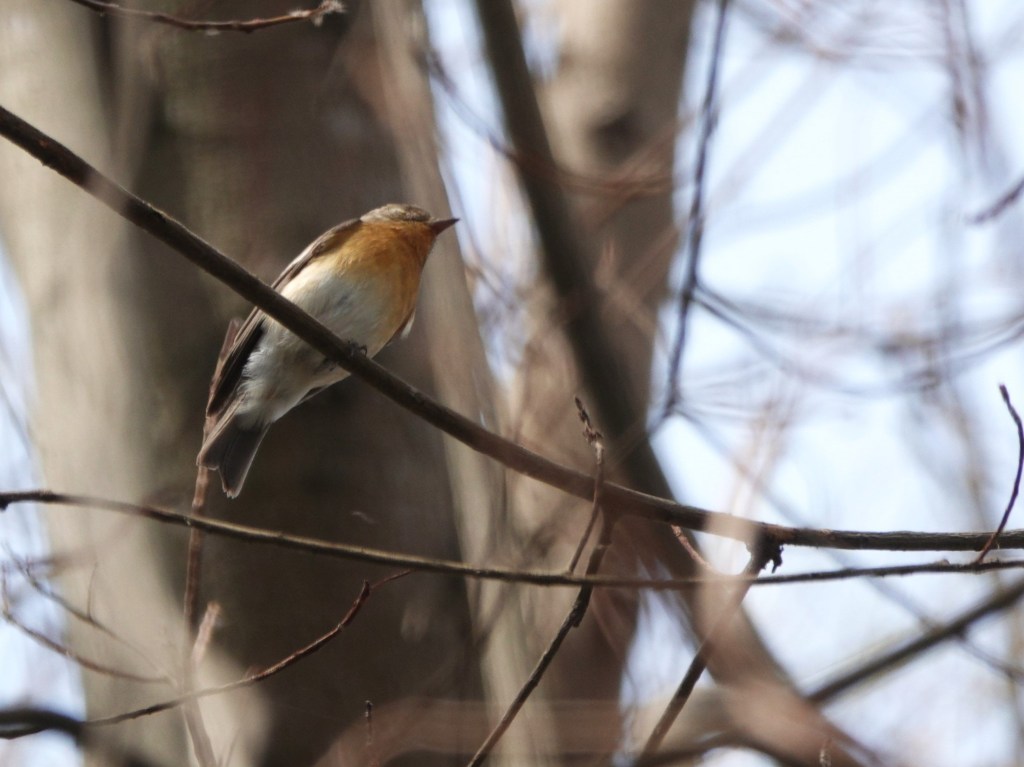
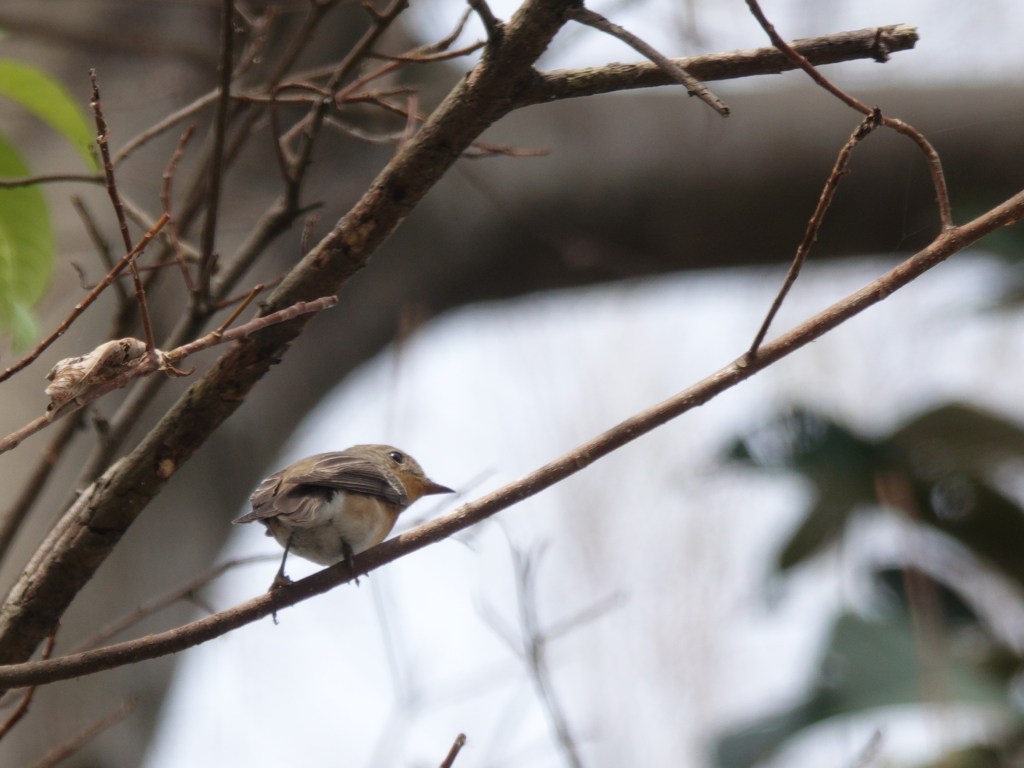
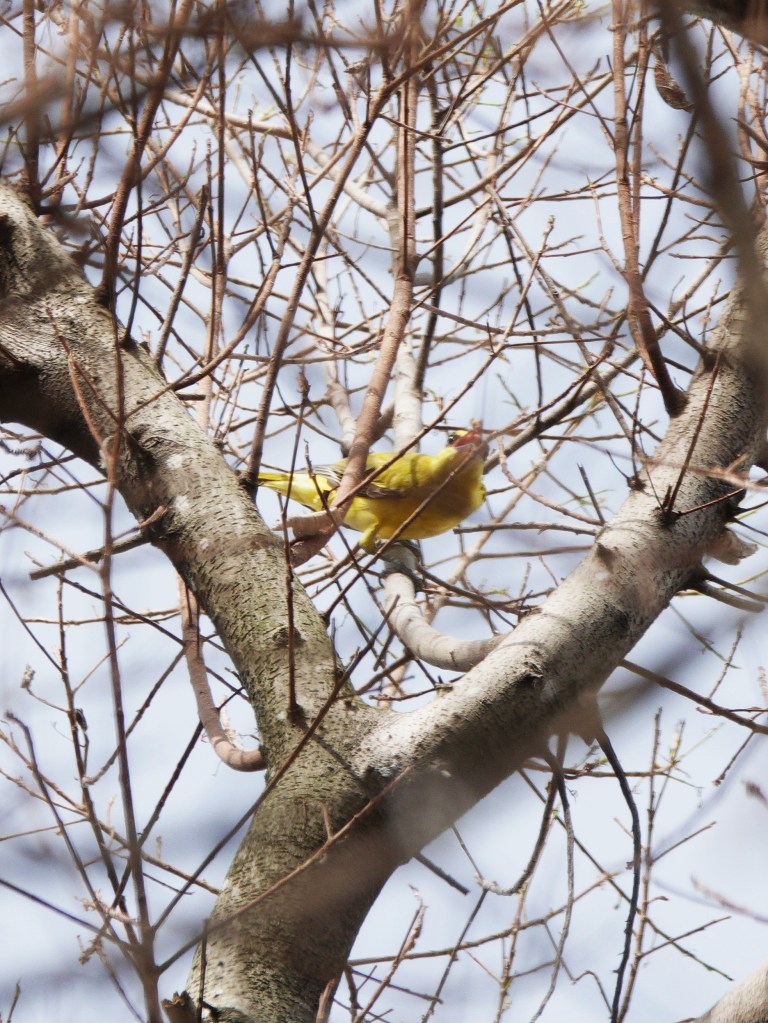
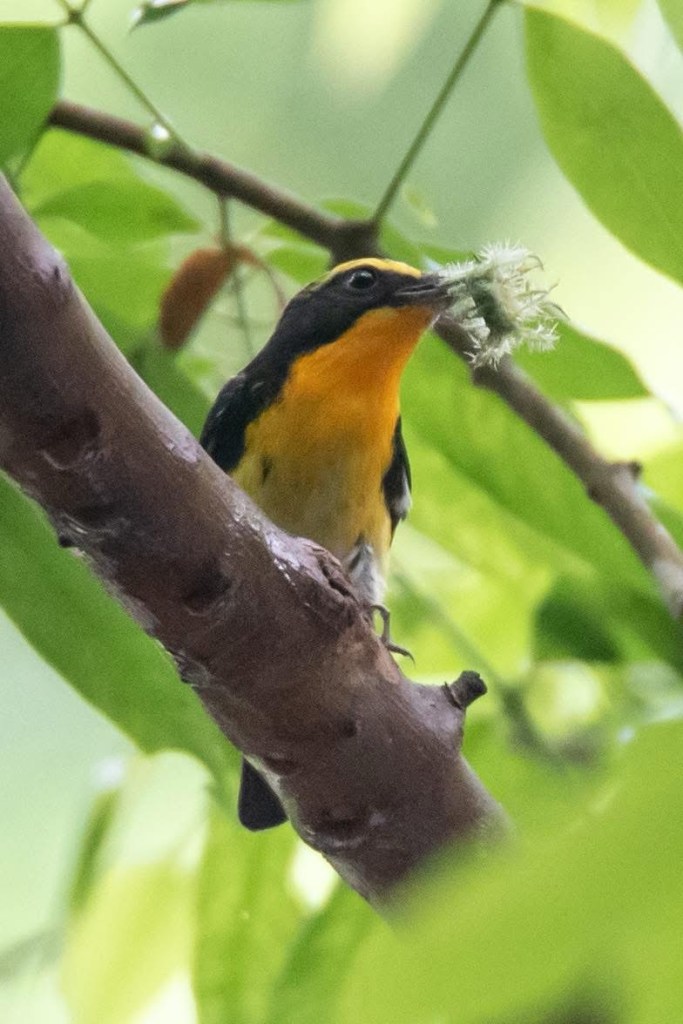
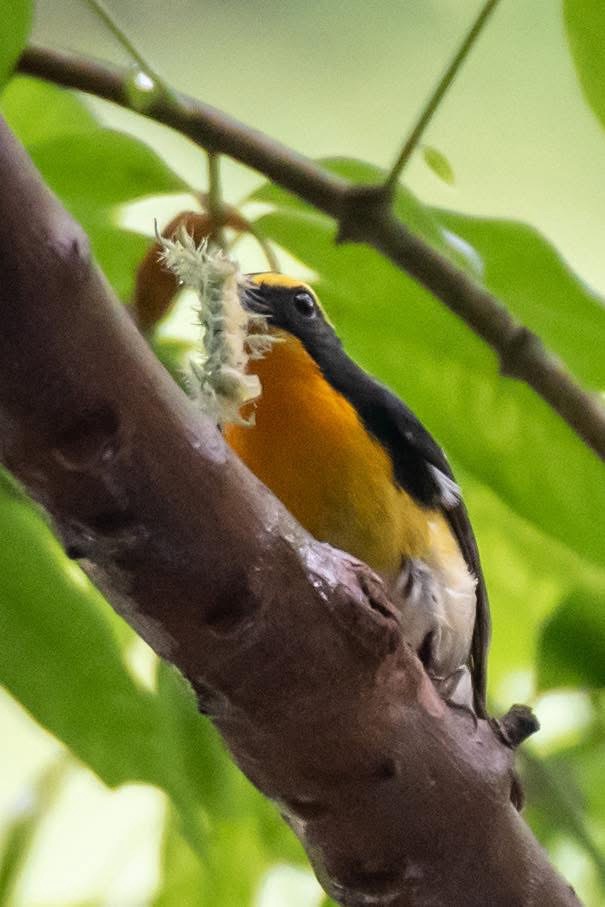
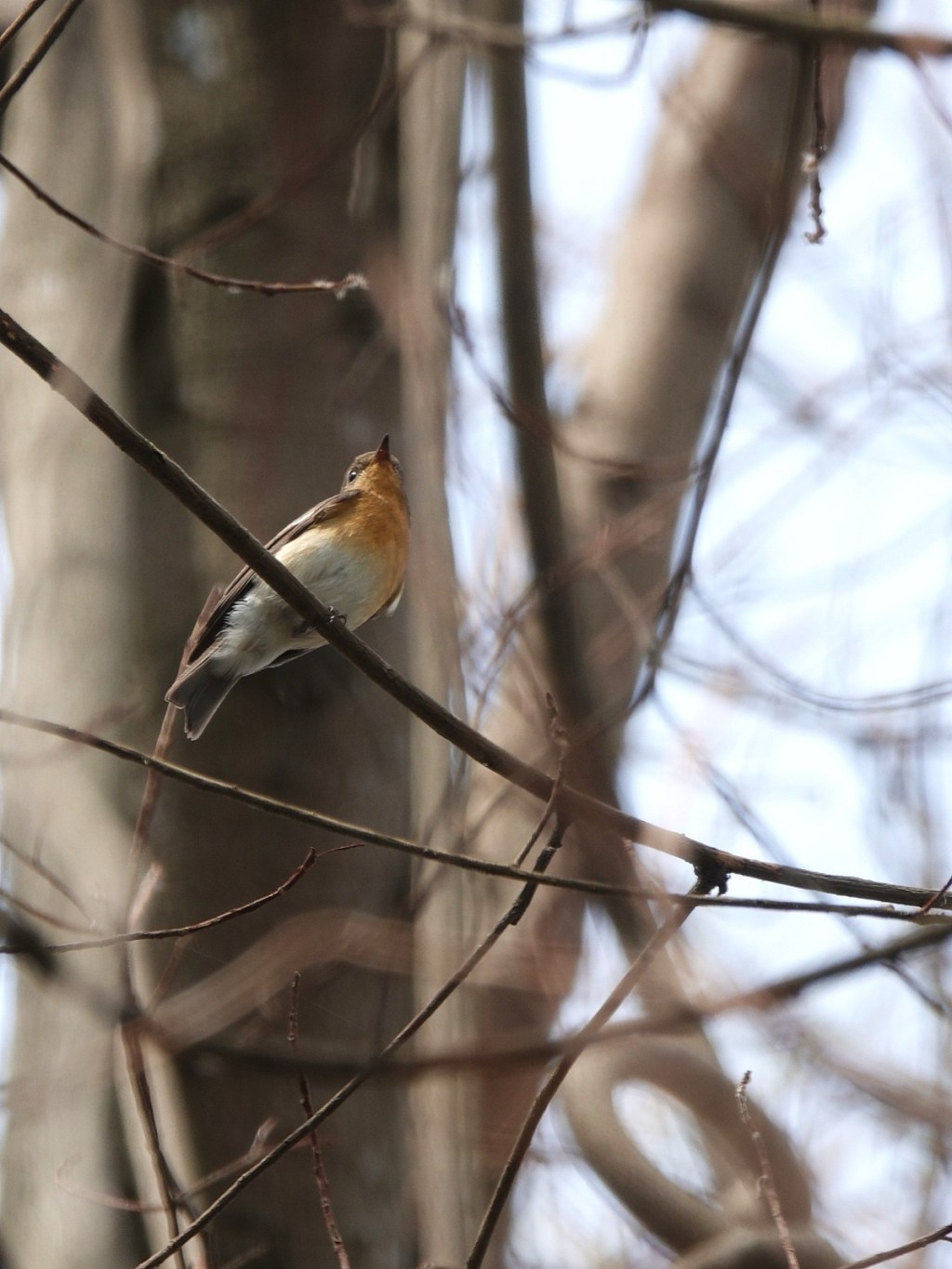
    Initially, I expected both to be common migrants – Asian Brown Flycatchers (Muscicapa dauurica). To my surprise, one of them has an orangey throat! It was a female Mugimaki Flycatcher (Ficedula mugimaki)! Interestingly, this uncommon visitor appeared very drowsy, frequently closing its eyes while perched on a branch.

    I first sighted an Asian Brown Flycatcher flying around the tree. But I was not able to document if it ate any of the caterpillars or its adult moth.
    A Mugimaki Flycatcher on a tree along the highly urbanised Upper Serangoon Road.
    How cute it is with its eyes closed.
    A front view of the tired Mugimaki Flycatcher.
    It occasionally opened its eyes before flying to another branch.

    Without photographic evidence of either flycatcher species feeding on the Clear-Winged Tussock Moths or their caterpillars, I couldn’t conclude whether these hairy caterpillars are part of their diet. This is in contrast to cuckoos, which have been documented feasting on Clear-Winged Tussock moths in my previous blog post. Nevertheless, I am quite positive that the flycatchers may be feeding on the smaller caterpillars or even the adult moths.

    A Black-Naped Oriole was observed to be consuming something. But due to the many obstructing branches, it was impossible to get a clearer shot of the content it was feeding on. Nevertheless, I have seen orioles eating all sorts of caterpillars so I am sure it does consume the Tussock Moth caterpillars.

    While photographing, an attendant, possibly ASRJC’s Operations Manager, approached and spoke with me. He shared his recent discovery of the infestation and mentioned that despite spraying copious amounts of pesticides, the caterpillars persisted. I suggested letting nature take its course, pointing out the presence of three insectivorous birds in the tree during our conversation as evidence of nature’s self-balancing mechanisms.

    After capturing over a hundred photographs, I finally departed to purchase the Teochew kuehs. Just thinking about the Koo Chai Kueh (Teochew Chives Dumpling) is making my mouth water now.

    Takeaway for Readers: Ficus – Nature’s Keystone Species

    Ficus trees are commonly recognised as ‘keystone species’ – organisms that have a disproportionately large impact on their environment relative to their abundance. If removed, these trees can cause significant changes within the ecosystem. Given their elevated status in the ecological hierarchy, it’s always worthwhile to take a closer look at Ficus trees. By doing so, you’ll learn to appreciate how they support a diverse array of fauna species.

    For wildlife photographers, learning to recognise different Ficus species can be immensely beneficial. These trees are often hotspots of biodiversity, attracting a wide variety of birds, mammals, and insects. By identifying Ficus trees in your area, you can increase your chances of capturing diverse wildlife interactions and behaviours. Whether you’re interested in photographing fruit-eating birds, nectar-feeding insects, insectivorous birds or even arboreal mammals, Ficus trees can serve as natural wildlife magnets, providing you with excellent photographic opportunities throughout the year.

    Update: 24th March 2025

    A wildlife enthusiast (Lui Nai Hui) just shared two photographs of a male Narcissus Flycatcher, Ficedula narcissina, spotted in Dairy Farm Nature Park) munching on a Stinging Nettle Slug, a caterpillar that has painful stings with venomous hairs.

    These photo-evidences clearly demonstrate that Flycatchers, like cuckoos, can consume potentially venomous caterpillars. Based on this observation, I am confident that both the Asian Brown Flycatcher and the Mugimaki Flycatcher fed on the Clear-Winged Tussock Moth caterpillars infesting the tree.

    Written by Lucas Teo

  • Flowers of Fear: Possible Scientific Reasoning Behind Spooky Folklore

    One evening, as you stroll along a quiet street, a distinct aroma catches your attention – a sweet floral scent fills the air. Without giving it much thought, you continue your walk. Suddenly, the sweet fragrance is replaced by a peppery, musty, and pungent odor that wafts through the night air.

    Your mind briefly recalls old tales linking nighttime flower fragrances to supernatural presences. One such legend speaks of the frangipani scent associated with the Pontianak, a vampiric ghost of a beautiful woman who died during childbirth. According to folklore, when that sweet scent turns pungent, it signals that the Pontianak has become vengeful and is approaching fast.

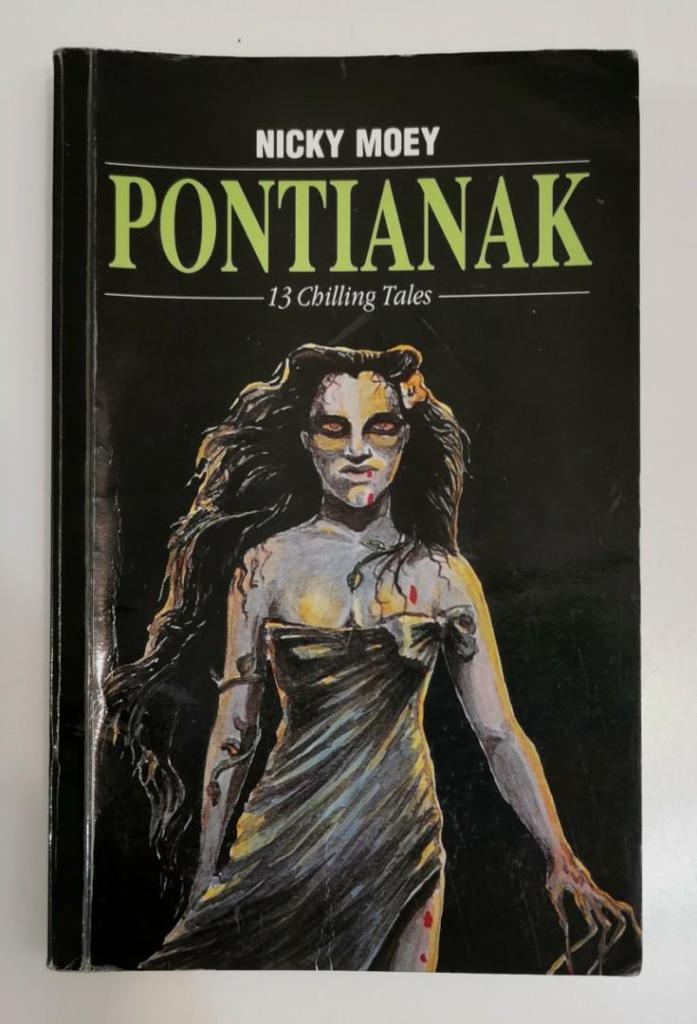
    One of the many books on Pontianak that I had in my teenage days, which has contributed to my fear of flower scent at night.

    A shiver runs down your spine, and goosebumps prickle across your skin. Your breathing quickens, and with each rapid inhale, the scent seems to intensify, filling your senses with its mysterious fragrance.

    You remember some advice given from Russell Lee’s True Singapore Ghost Story Book – Do not look back or look up or you may see something you do not want to see, perhaps on the tree. Or some old wives’ tales – Do not shine your torchlight at the trees or else you may see the evil spirit and further aggravate it.

    Tapping on Your Rationale Brain with Flora Knowledge

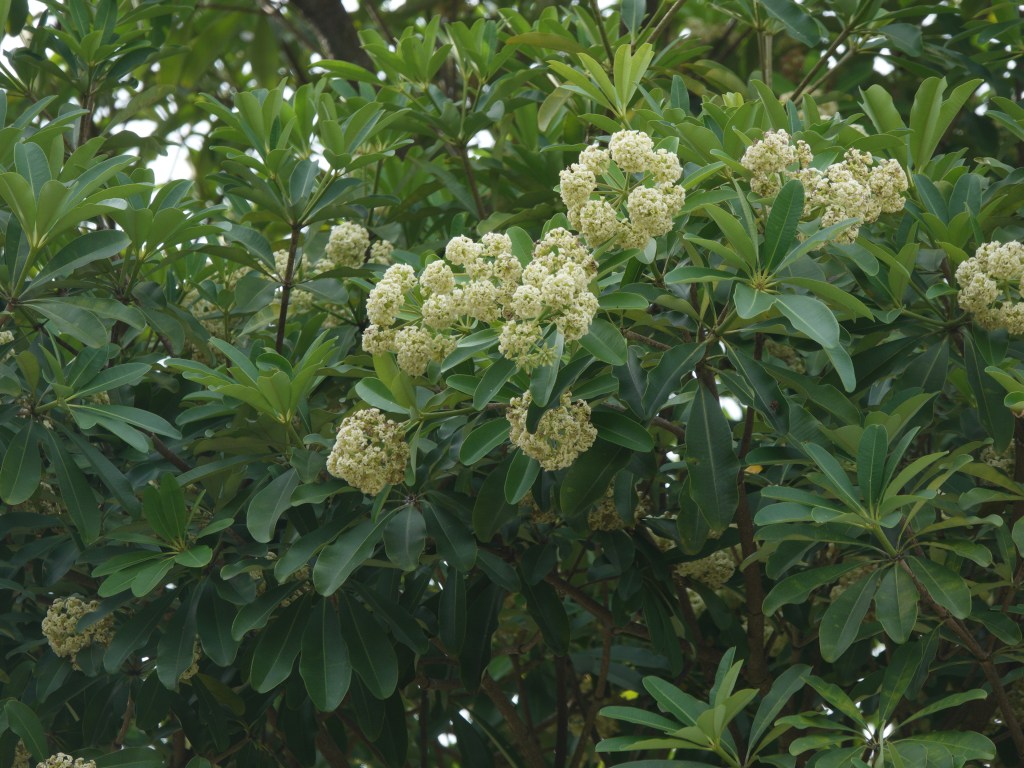
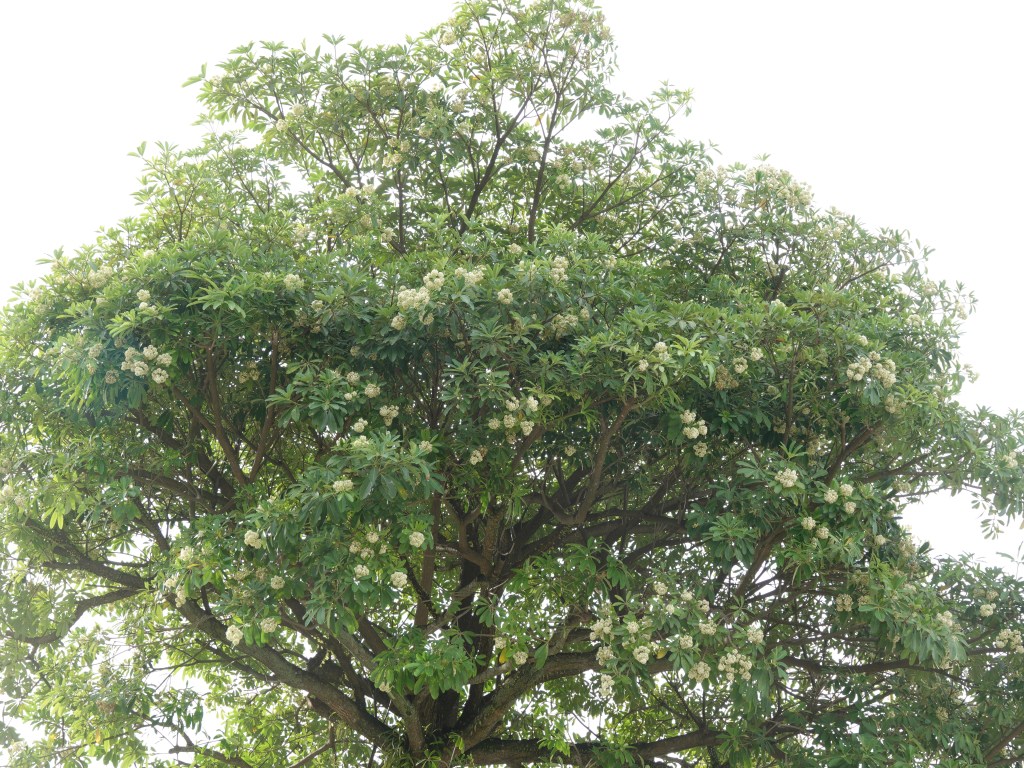
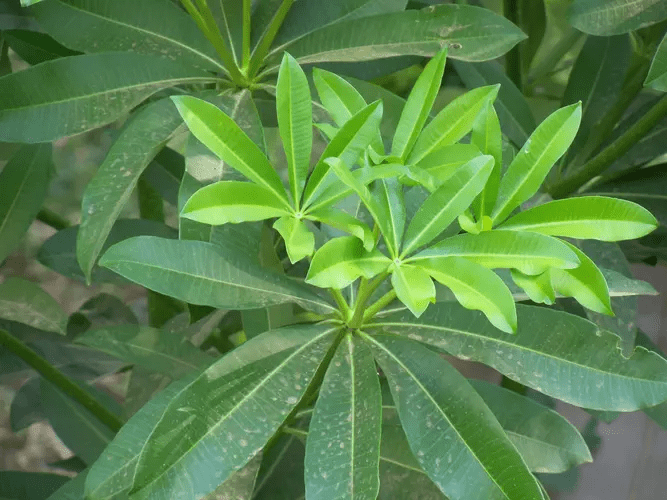
    If you do have a torchlight with you and choose to disregard those warnings, you may spot clusters of tiny yellowish-green flowers on a few tall, sturdy trees nearby. This tree is the Alstonia scholaris, more commonly known as the Indian Pulai, and ominously referred to as the Devil Tree or Satan Tree, for reasons previously mentioned.

    The greenish-yellow flower clusters of the Alstonia Scholaris. Do you notice the leaves are held together in clusters as well?
    Photograph taken in Bukit Panjang. Commonly planted in our neighbourhoods.

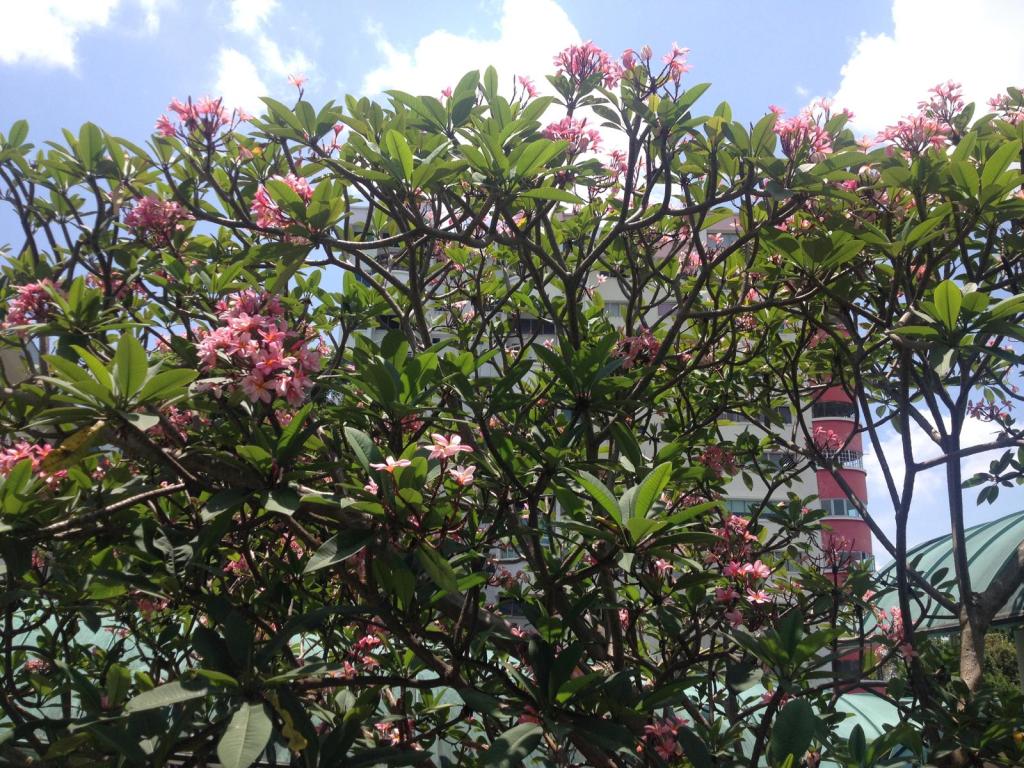
    Should you retrace your steps, you’ll likely notice some Frangipani trees (Plumeria obtusa) in the vicinity, their fragrant flowers in full bloom.

    Frangipani trees are also planted in many HDB estates.

    The shift in scent is likely due to your proximity to two types of trees commonly found along pavements in housing estates and roadsides. Specifically, the overpowering fragrance of the Alstonia tree is probably the culprit, and you’re not alone in finding it overwhelming – many people share your aversion to its exceedingly pungent aroma. It is so smelly that a city in south-central Vietnam cut down over 3,000 trees (out of the 4,000 planted) in 2015 due to their overpowering and unpleasant smell, which has become unbearable for local residents (Click here for source).

    In fact, the tree’s strong odour has led to some rather colourful nicknames. While we’ll refrain from mentioning the more crude monikers, it’s worth noting that the tree’s distinctive scent has certainly made an impression, inspiring a variety of descriptive (if not always flattering) names (You may refer to a reddit discussion on Alstonia Scholaris here)

    Why Some Flowers Emit Strong Scent at Night?

    You might still wonder, “Why is the scent so strong at night? It must be something supernatural?” The answer lies firmly in the realm of science, not the supernatural. Understanding nocturnal plant behaviour reveals a hidden world of ecological interactions that occur while most of us sleep.

    Plant pollination takes on a different character after sunset, with specialised night-active insects and animals playing crucial roles. The strong nighttime fragrance isn’t a ghostly phenomenon – it’s a sophisticated biological mechanism.

    Why do both the Plumeria and the Alstonia expend so much energy producing scents at night? After all, aren’t most butterflies and bees inactive during these hours? The answer lies in these trees’ fascinating relationship with nocturnal pollinators.

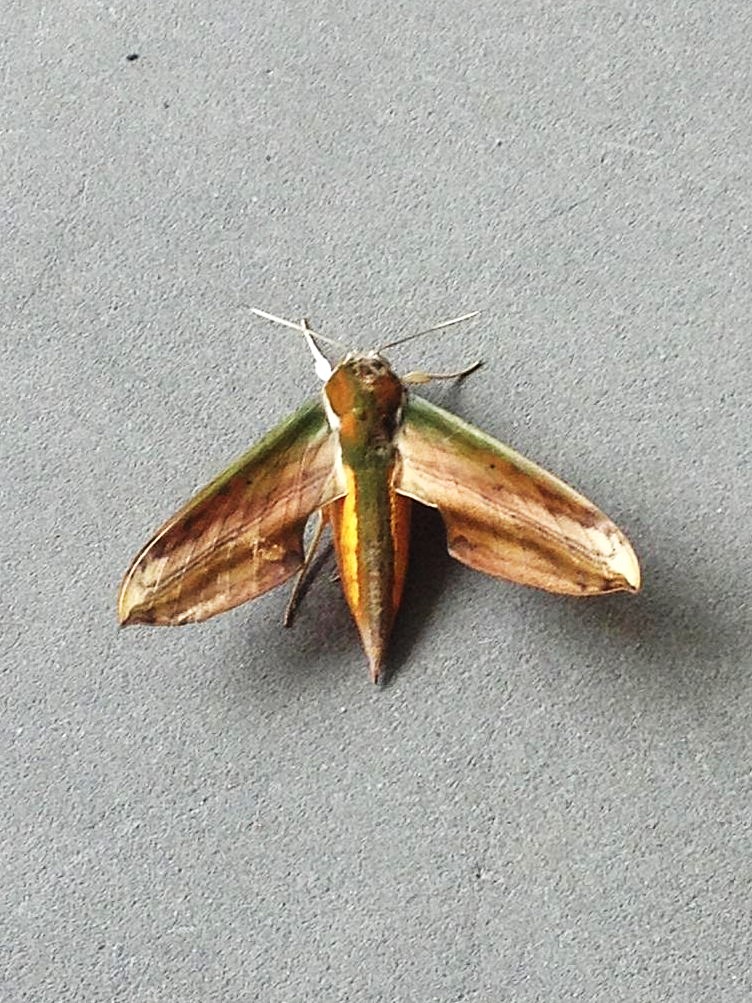
    Some sphinx moths (also known as Hawkmoths), for instance, the Oleander Hawk Moth and the Yam Hawk Moth with their impressively long proboscises, are perfectly adapted to feed on and pollinate night-blooming flowers. (Note that not all hawk moths are nocturnal; some species, such as the hummingbird and pellucid hawk moths, are active during the day. Additionally, not all moths are pollinators, as some species lack a functional mouthpart for feeding, for instance, the Atlas Moth). These moths, along with certain species of bats, form a crucial link in the chain of nocturnal pollination. By releasing their potent fragrances after dark, the Plumeria and Alstonia trees have evolved to attract these nighttime visitors, ensuring their continued reproduction and survival.

    Yam Hawk Moth – A night dwelling moth that helps with pollination in the wee hours.
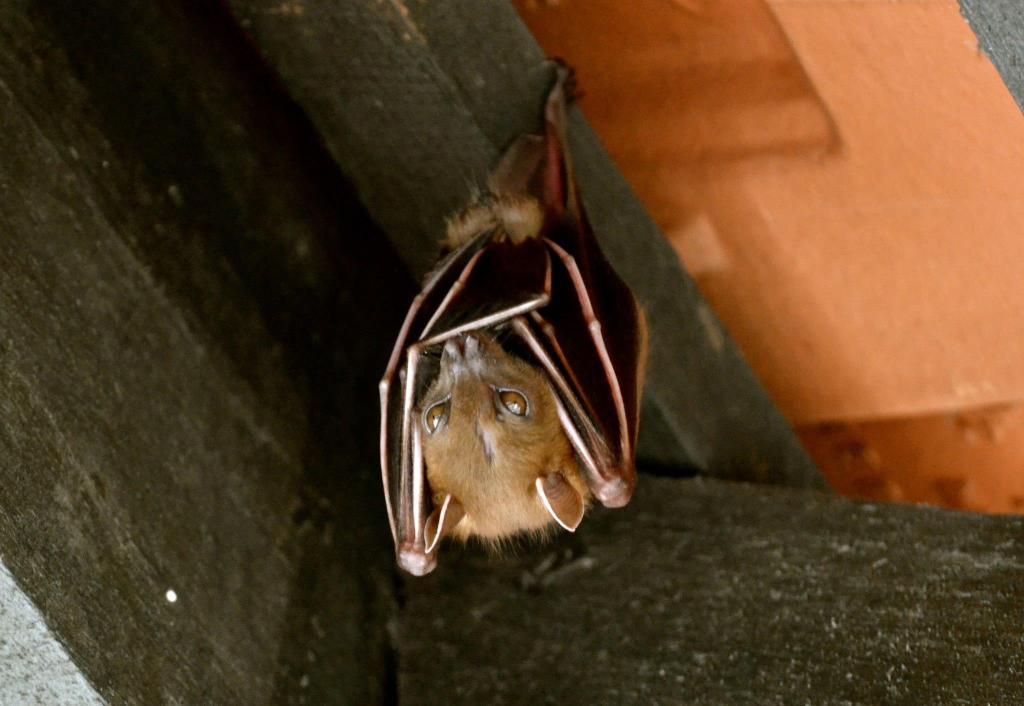
    The Lesser Dog-Faced Bat is a common sight, even in our urban areas. While I couldn’t find specific documentation of this species contributing to pollination, fruit bats in general do play a role while feeding on nectar.

    These night-active pollinators are attracted to the strong scents and large, robust flowers of plants like Plumeria and Alstonia. While feeding on the nectar, they are also unintentionally transferring pollen from flower to flower, ensuring the plants’ reproduction.

    Some Interesting Features of the Alstonia and Plumeria

    The species name “scholaris” reflects the tree’s historical significance in education. Traditionally, its wood was used to craft slates for schoolchildren’s lessons, and it was also a preferred timber for making pencils. Interestingly, local lore suggests that the fragrance of the tree’s flowers had cognitive benefits, improving learning for those who sat beneath its branches. However, this notion is likely met with skepticism by many, as the scent of the flowers is often described as pungent and overpowering, rather than invigorating or conducive to learning.

    There is another common name for the Alstonia tree i.e. saptaparni (in sanskrit), which literally means seven-leaves tree as the Alstonia’s leaves are held in clusters, usually adds up to 7. However, it is not always the case as botanically, it ranges from 4-8. For more interesting features of Alstonia Scholaris, click here to read more.

    See the clusters of 7 leaves, which isn’t always the case though.

    On the other hand, the Plumeria has deep cultural and historical roots, symbolising the exotic Oriental ‘East’ for centuries. This symbolism has been perpetuated in outdated tourism imagery, which often features bikini-clad, brown-skinned women adorned with frangipani flowers in their hair, reinforcing a problematic and stereotypical representation of tropical cultures. Ironically, the Frangipani actually originates from the tropical regions of South America – the ‘West’. For a more nuanced understanding of the Frangipani tree’s cultural and historical significance, click here for a recommended read.

    Conclusion

    The next time you catch a whiff of sweet fragrance, that suddenly turned pungent on a nighttime walk, remember – you’re not experiencing something supernatural, but rather witnessing an age-old dance between plants and their pollinators. This nocturnal plant behaviour, far from being ominous, is a testament to the incredible adaptability and ingenuity of nature.

  • Take a Moment in Nature: Mutualism between Tree Hoppers and Red Weaver Ants

    Mutualism in natural science refers to a symbiotic relationship between two different species where both organisms benefit from the interaction. This type of relationship is widespread in nature and plays a crucial role in many ecosystems.

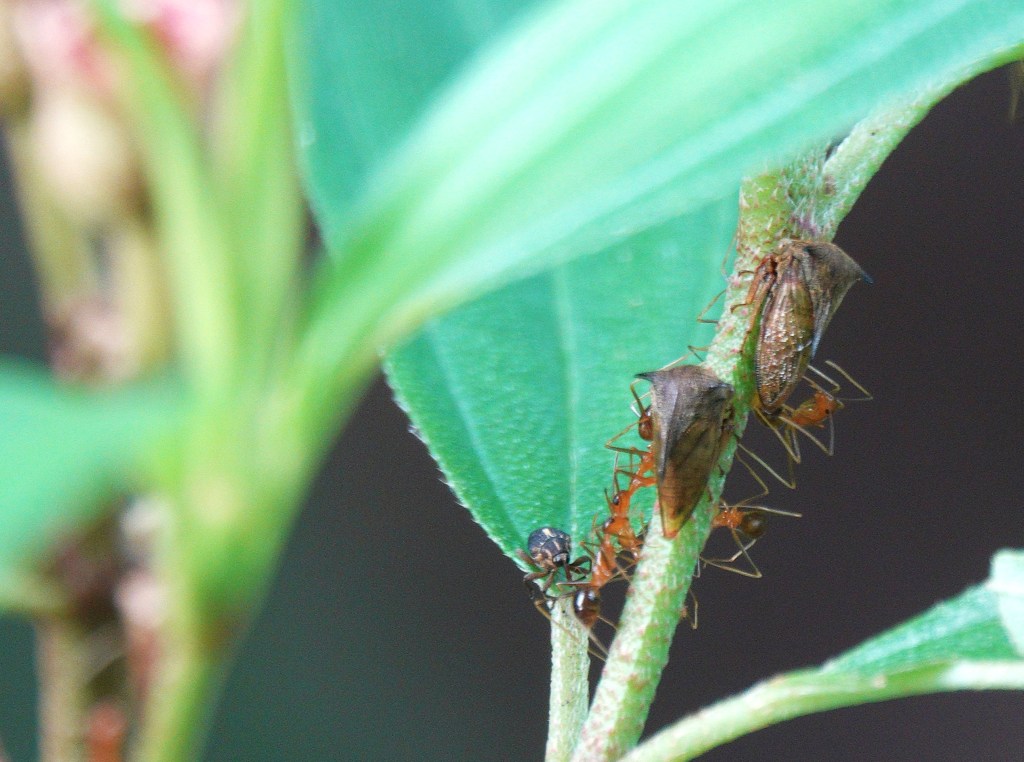
    Treehoppers (Membracidae) are small, fascinating insects known for their unique appearance. These tiny bugs, usually smaller than a fingernail, have unusual protrusions on their backs that help them blend in with plants. They use their sharp mouthparts to feed on tree sap, which can sometimes make them a nuisance to gardeners. With thousands of species worldwide, these odd-looking insects continue to intrigue both scientists and nature lovers, showcasing the incredible diversity of the insect world. In this post, I will be documenting the symbiotic relationship between treehoppers and ants, which is observed in Singapore.

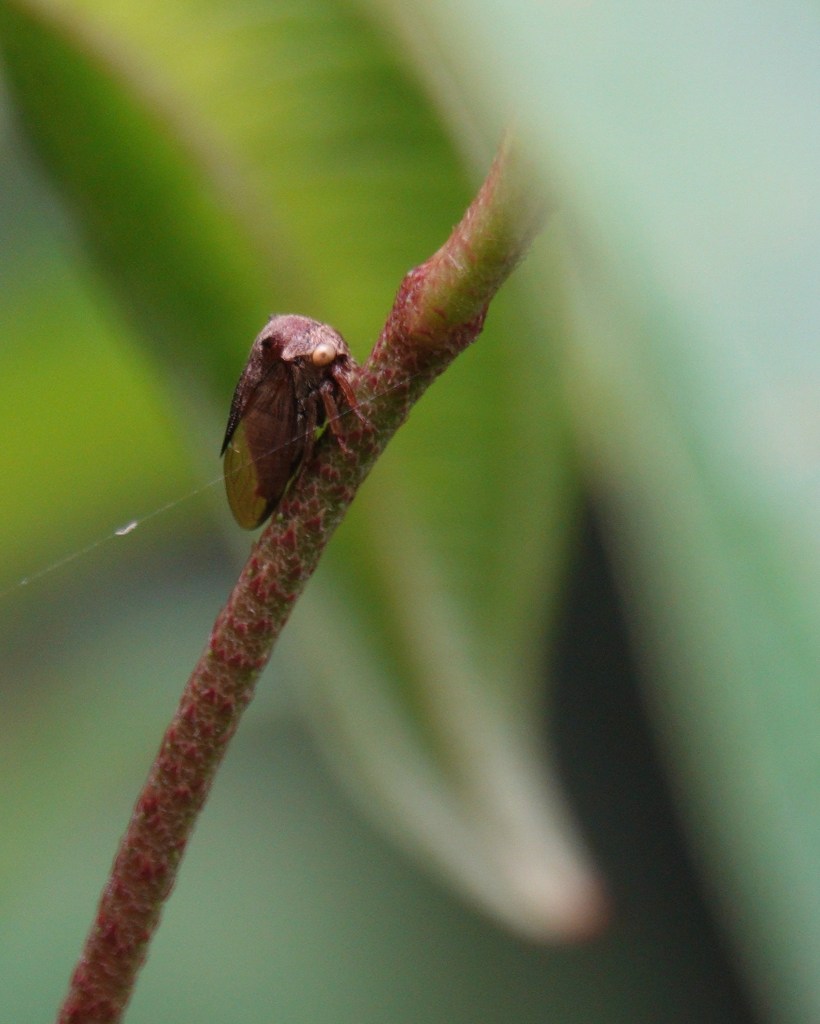
    An unidentified treehopper.

    A Moment in Nature

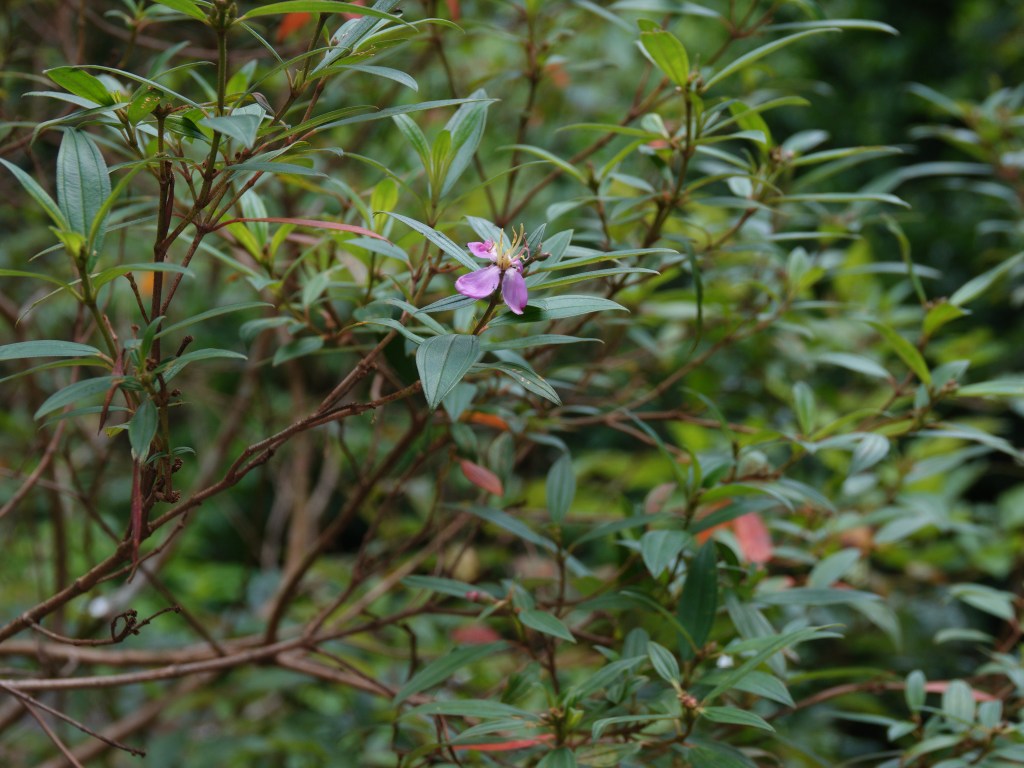
    In the fascinating world of insect interactions, treehoppers and ants have developed this mutually beneficial relationship. During a recent visit to Thomson Nature Park in Singapore, I observed a remarkable example of this symbiosis on the Singapore Rhododendron shrub (Melastoma malabathricum). The same observation was also recorded in Pulau Ubin on a Melastoma.

    Singapore Rhododendron shrub (Melastoma malabathricum). Photo taken in Dairy Farm Nature Park.

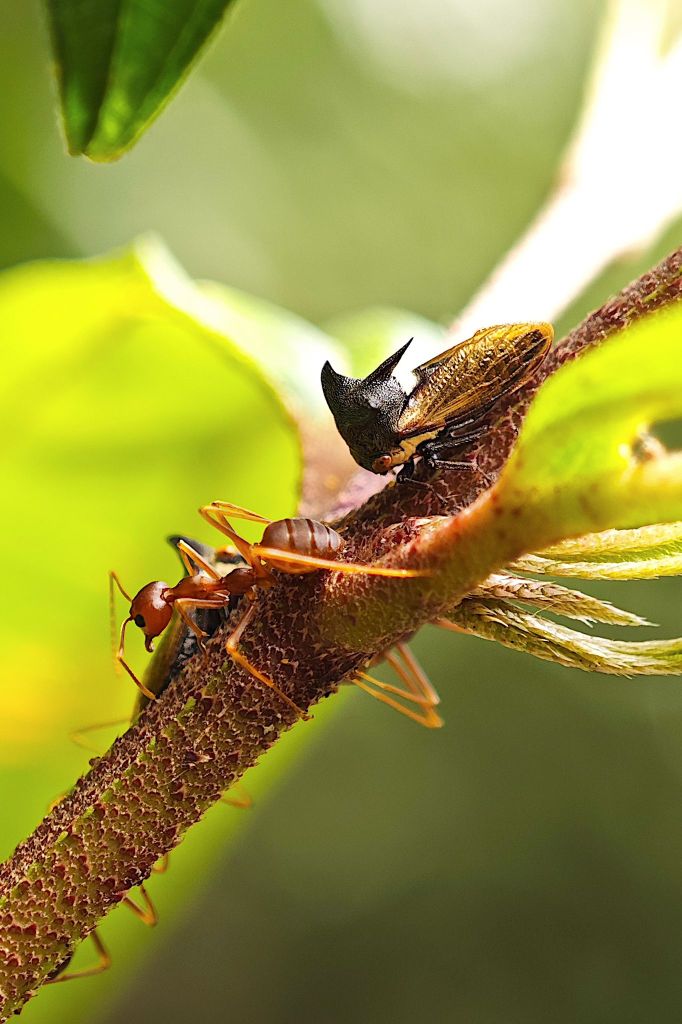
    A group of Red Weaver Ants (Oecophylla) was actively tending to numerous unidentified treehoppers along the plant’s stems. Upon closer inspection, it became apparent that the ants were gently stimulating the treehoppers, encouraging them to secrete honeydew – a sweet, nutrient-rich liquid that the ants consume.

    Red weaver ants were actively ‘milking’ treehoppers for their honeydew, while a weevil stood by. Have you observe the bizarrely shaped pronotum on the treehoppers? That is where the two ‘horns’ are located. Photo taken along Old Upper Thomson Road.
    1. Treehoppers benefit from the Red Weaver Ants’:
      • Protection from predators and parasites
      • Care for treehopper nymphs
    2. Red Weaver Ants benefit from Treehoppers’:
      • Honeydew, a sweet substance excreted by treehoppers, which serves as a valuable food source
    Another mutualistic relationship between the Red Weaver Ants and the Treehoppers (possibly Nilautama minutispina Funkhouser) was documented in Pulau Ubin. Photo Credit: Gabriel Kang

    Next time you’re out in nature, take a moment to look closely at the plants around you. You might just witness your own example of mutualism in action between a treehopper and some ant species!

    What About other Hoppers?

    At this juncture, I am unsure if there are any mutualistic relationship between these other hoppers and ants.

    Now, let us dwell into some basic background knowledge on leafhoppers, froghoppers and planthoppers, at least by their common names.

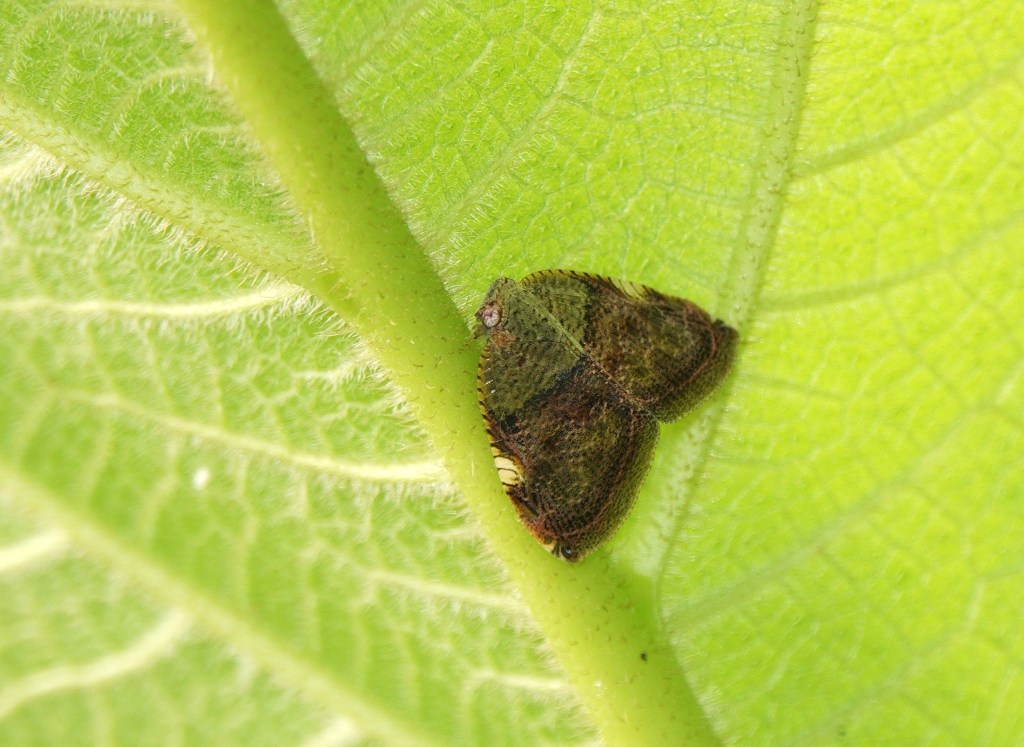
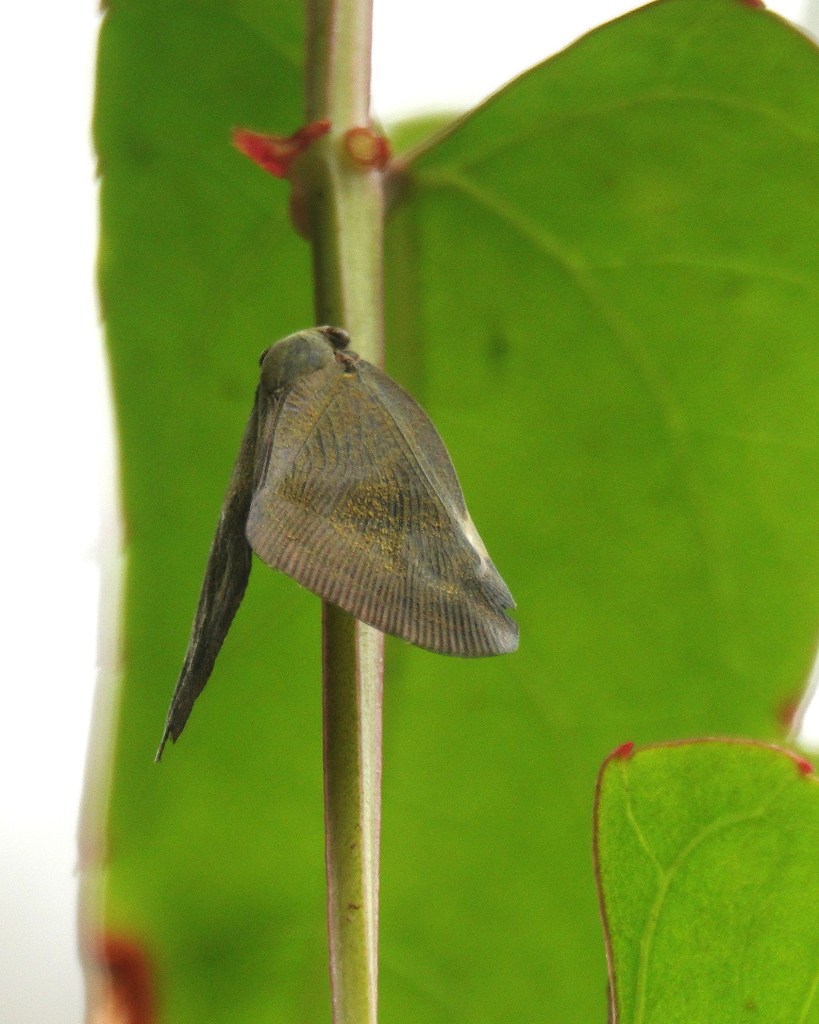
    These other hoppers belong to the order Hemiptera, commonly known as True Bugs. These insects are characterised by their sucking mouthparts and a developmental stage called “nymph” before reaching adulthood. While Leafhoppers, Treehoppers, and Spittlebugs share a closer evolutionary relationship with Cicadas, Planthoppers are slightly more distant relatives within the order. As their names suggest, most possess the ability to jump, which aids in their survival and dispersal.

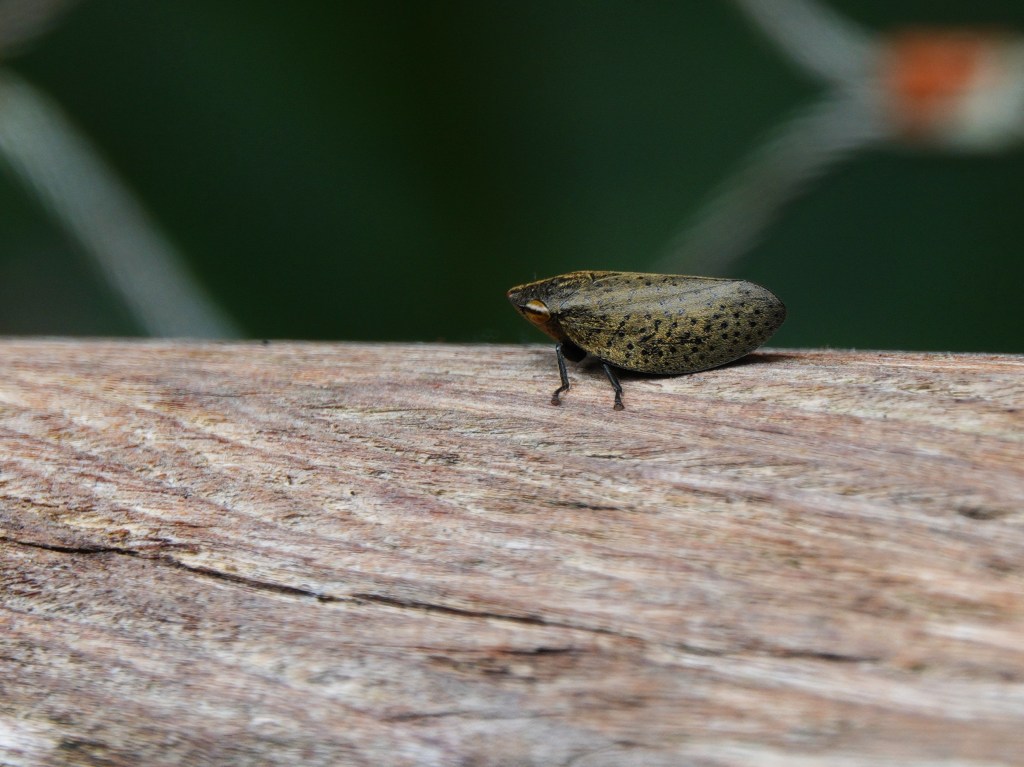
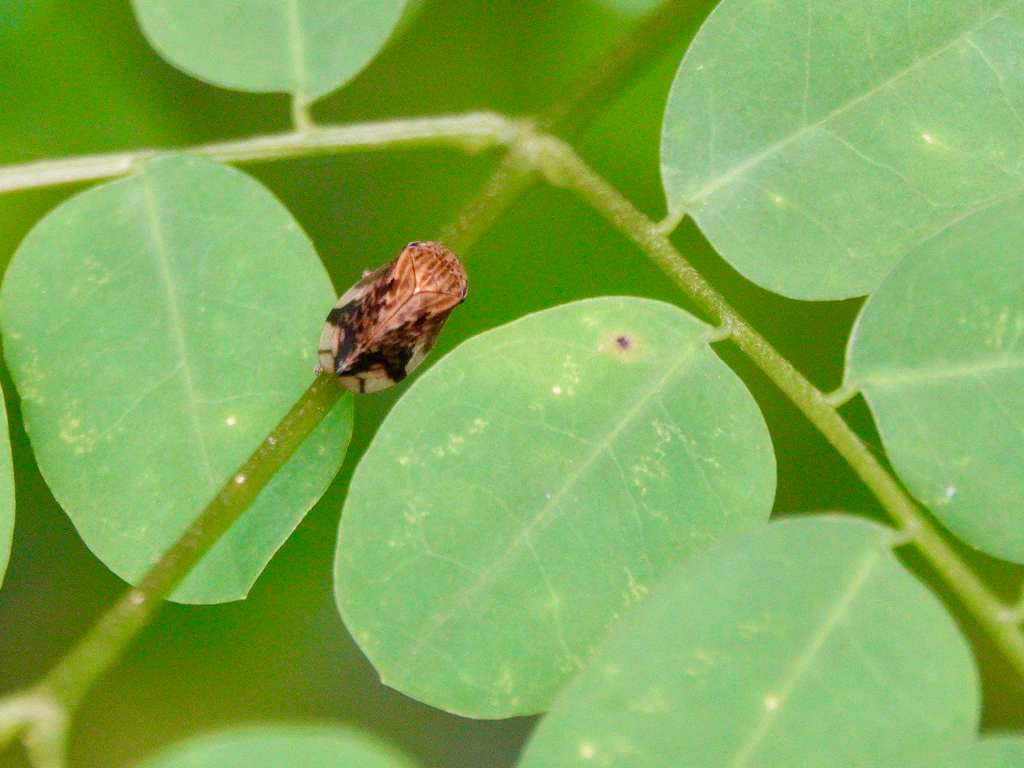
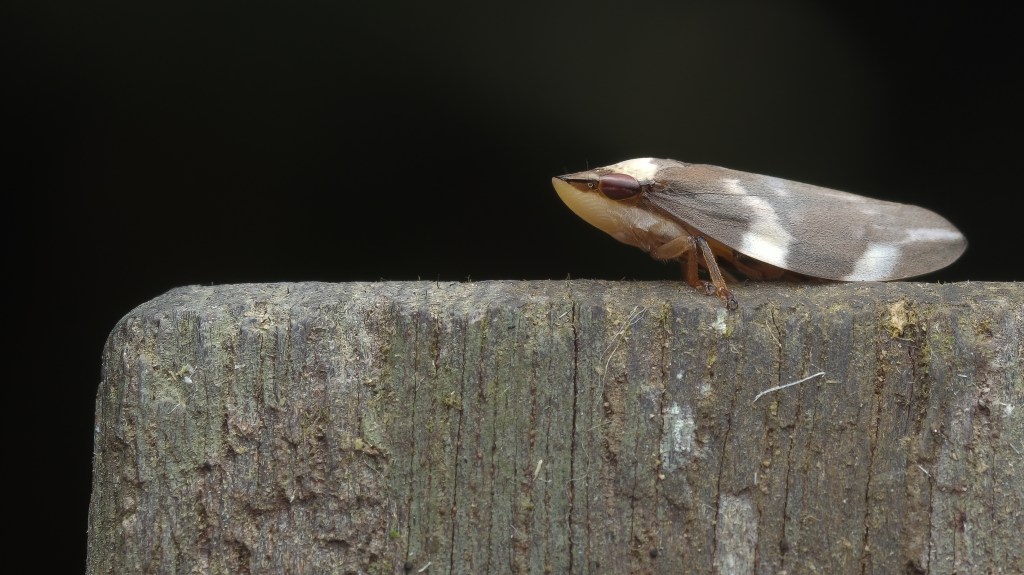
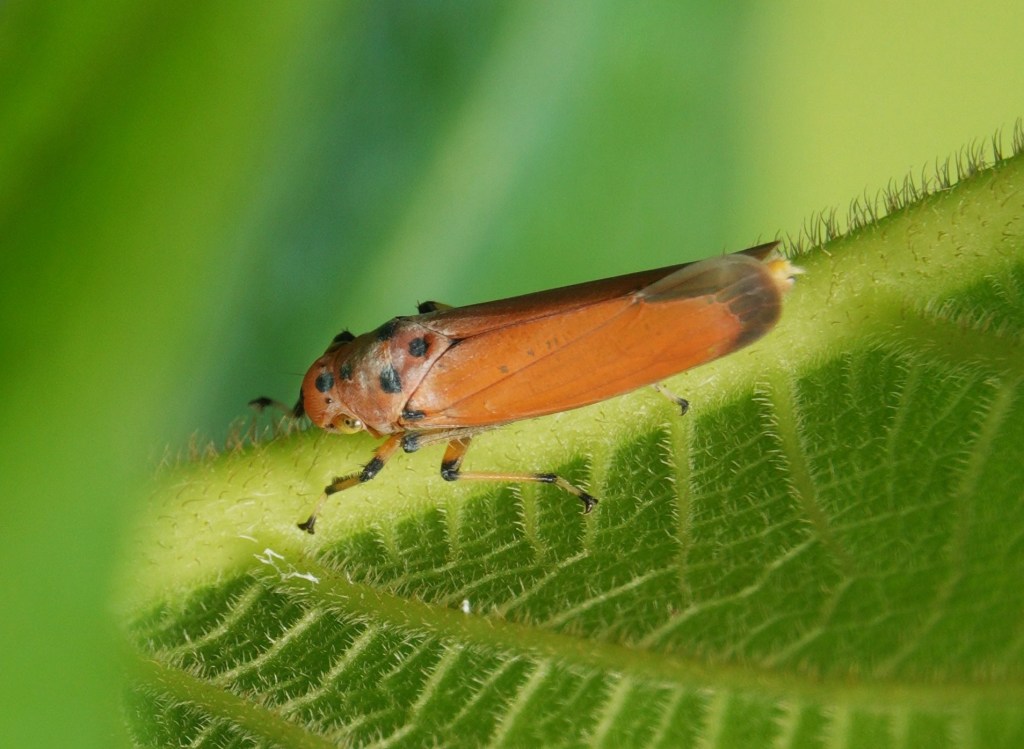
    Captured in various locations across the island of Singapore, these images of planthoppers, froghoppers and leafhoppers offer a glimpse into the unique characteristics and behaviors of these intriguing insects.

    Planthoppers have antennae attached below the eyes, on the sides of the head.

    Planthopper, Ricanula stigmatica.
    Planthopper Ricanula sublimata. Another one from the Ricanula genus that mimics moths. Probably the biggest one I have seen so far.
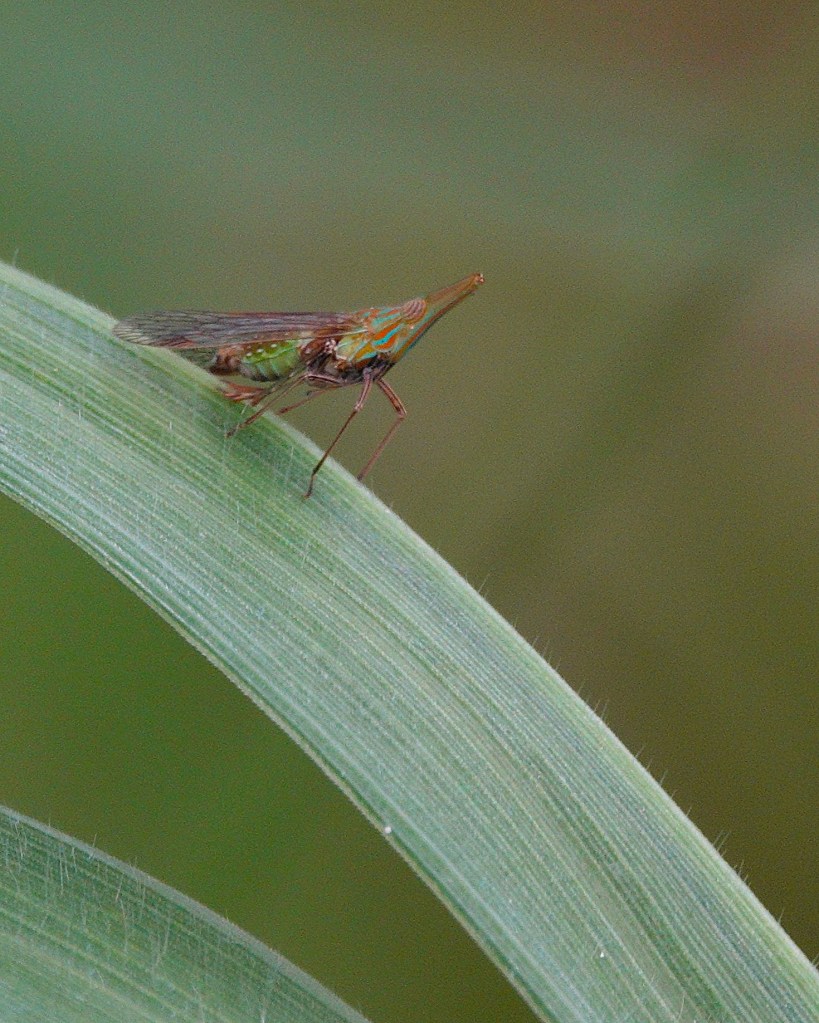
    Long-nosed planthopper, Dictyopharidae
    Raivuna
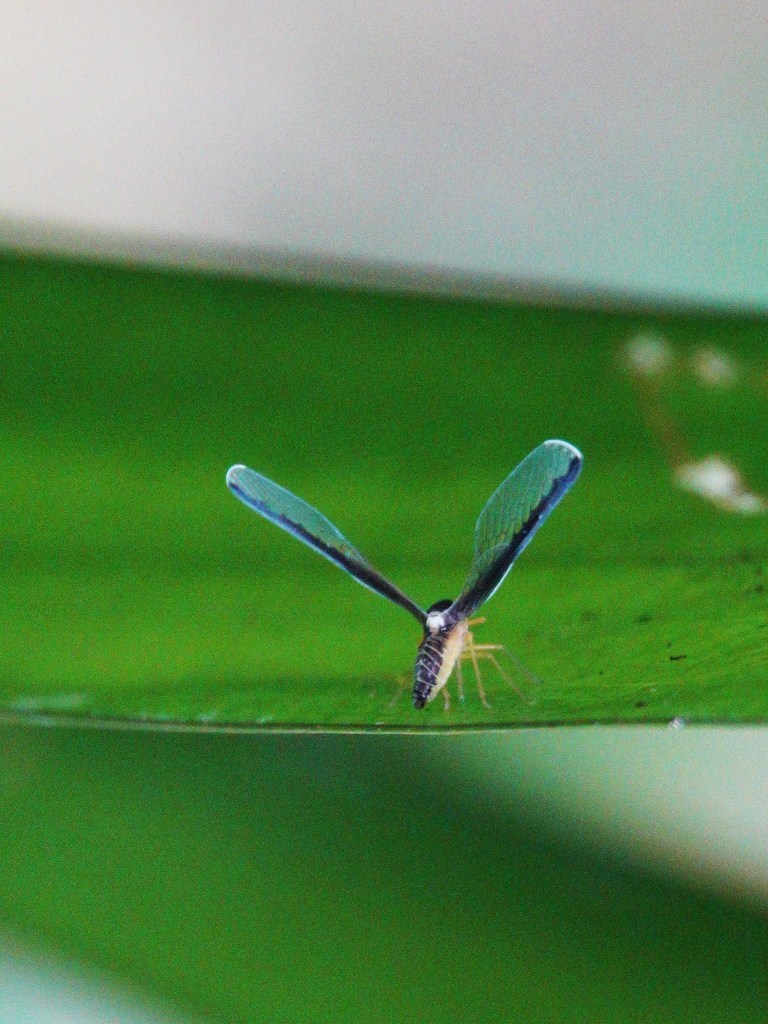
    Derbid Planthopper. This one holds its wings in a V-shaped.
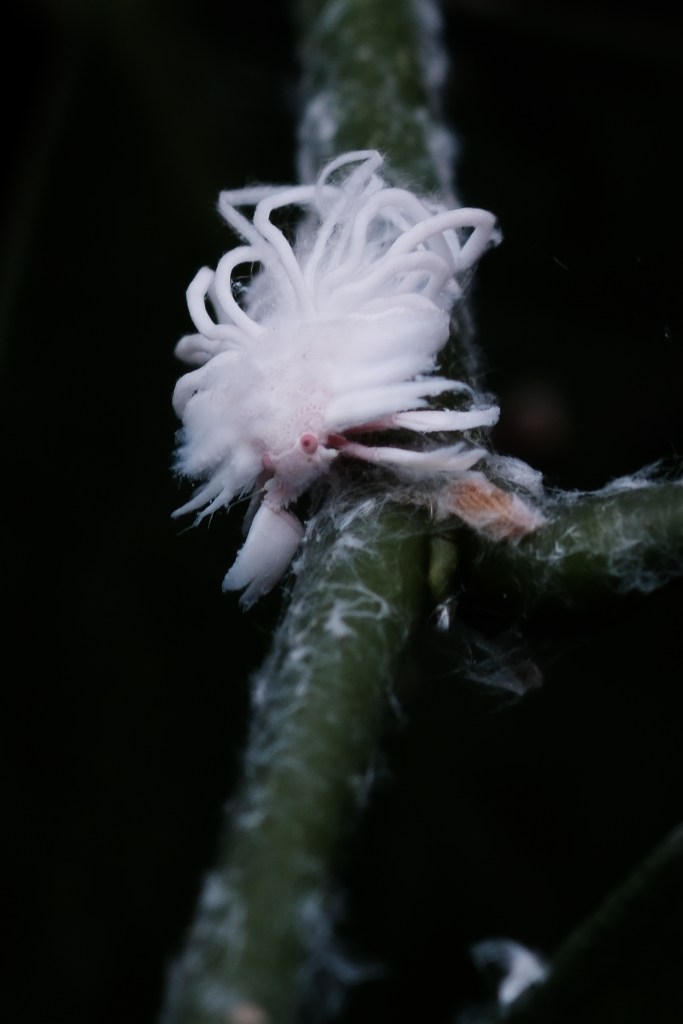
    Planthopper nymph, likely from the Flatidae family

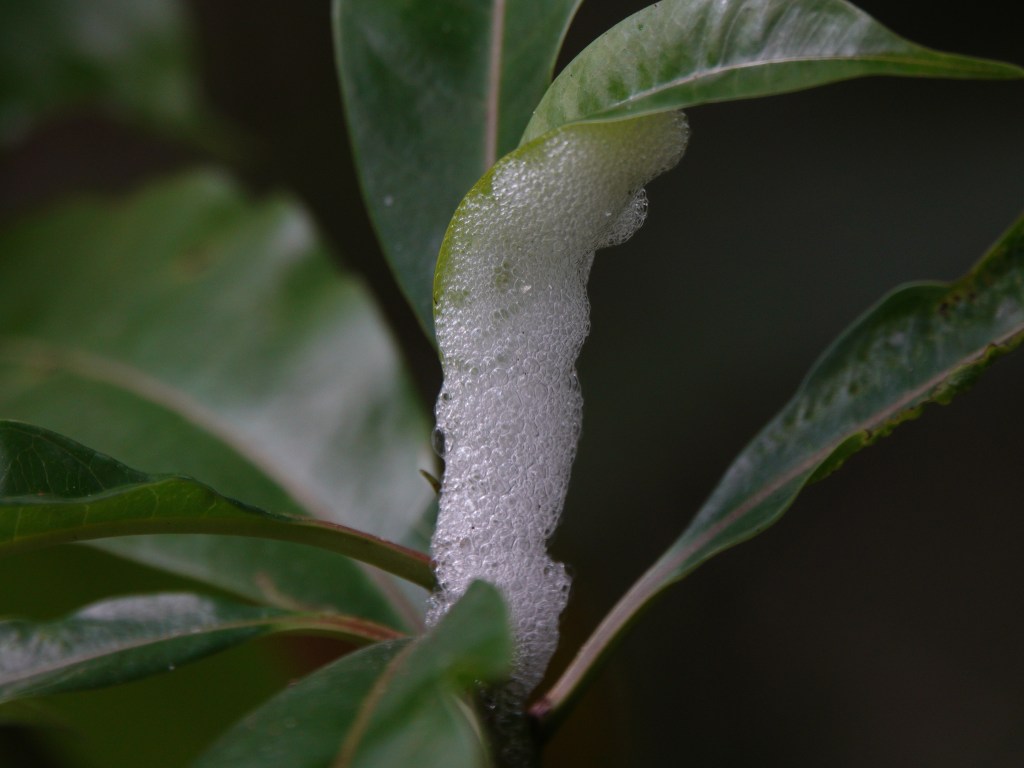
    While hiking, if you notice what appears to be spit on a plant stem, gently remove some of the froth to reveal the tiny culprit: a soft-bodied, wingless nymph of a froghopper (spittlebug). As they mature, froghoppers develop a distinctive “frog-like” appearance, with a wider rear end than front, and impressive jumping ability.

    Protective ‘spit’ that gives the froghoppers its spittlebug ID.
    Plinia ampla. Froghopper (Spittlebug)
    Clovia sp. Froghopper (Spittlebug)
    Ptyelinellus praefractus Froghopper (Spittlebug)

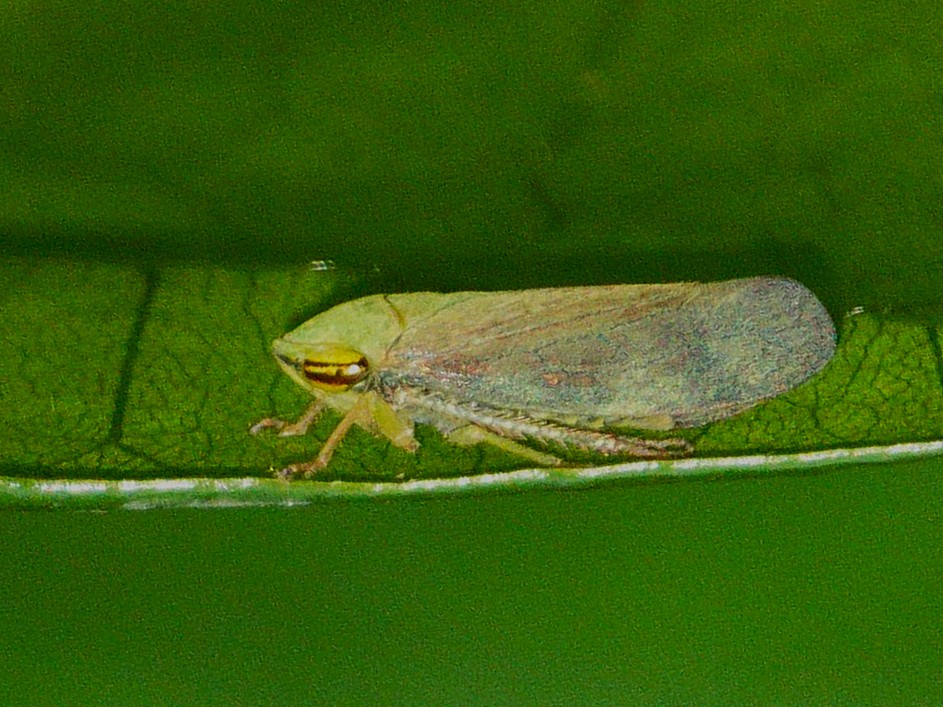
    Leafhoppers may be mistaken for cicadas due to their similar body shape, but are much smaller. To identify them, look for the distinctive rows of tiny spines on the hind legs, specifically on the shin area. Their bodies tend to be straight-sided or tapered toward the rear.

    Bothrogonia addita, also known as ‘Orange Sharpshooter’, is another leafhopper that is longish with a tapered end.
    Unknown leafhopper. Photo taken in Singapore, Dairy Farm Nature Park.
    A top view of the leafhopper to appreciate its tapered back.

    Written by Lucas

  • How 70s, 80s and 90s Kids Fell In Love with Nature (Part 3) – Panini Stickers

    Remember those colourful Panini sticker albums from the 80s and 90s? They weren’t just fun collectibles – they played a surprising role in nurturing a generation’s love for wildlife and nature! For many of us, these sticker books were our first window into the fascinating world of animals, sparking curiosity and passion that would last a lifetime.

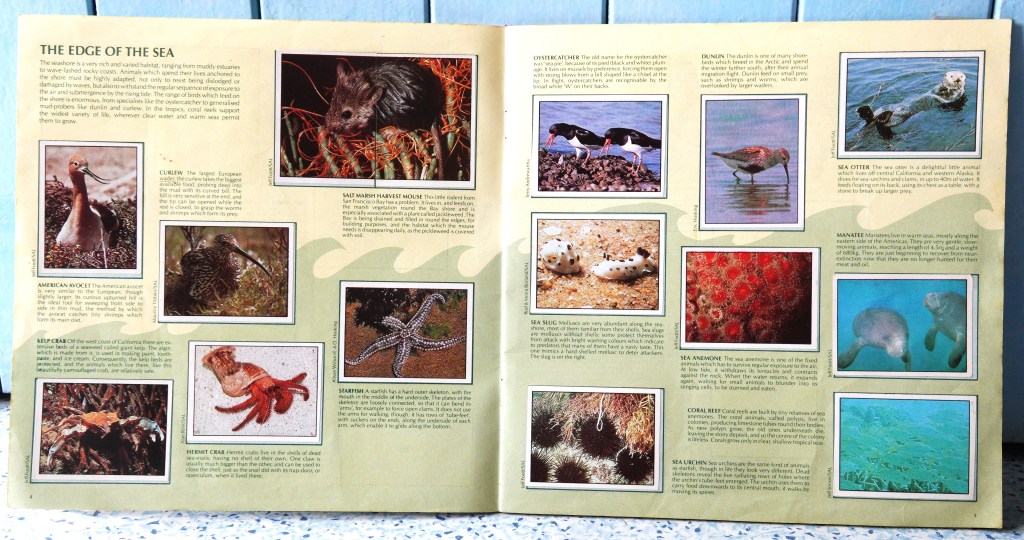
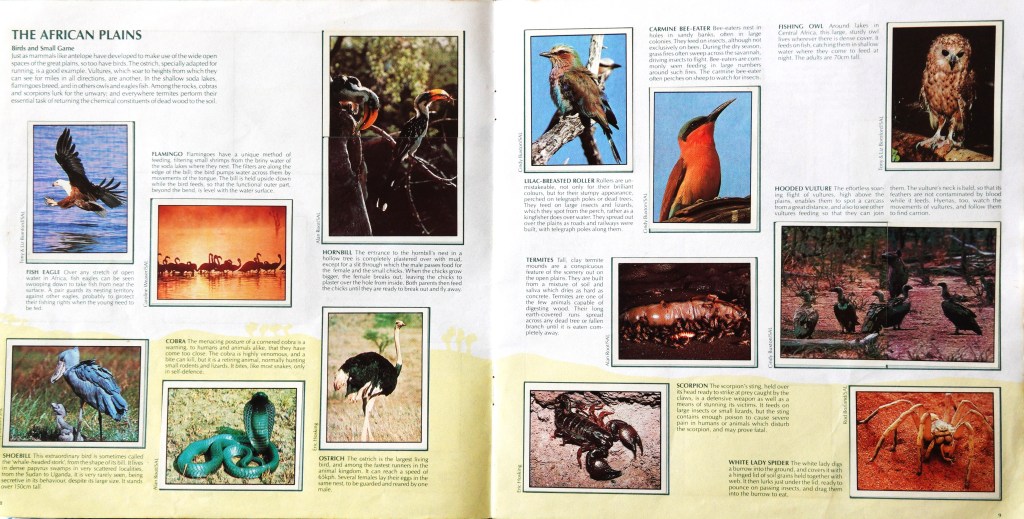
    A page from “The World of Survival” by Panini.

    In those pre-internet days, our Panini sticker books held an even more special place in our hearts and minds. Without the instant access to information we have today, we couldn’t just Google what a particular creature looked like or how it behaved. This limitation turned each new sticker into a thrilling discovery. When we finally got that sticker of an animal we’d never seen before, it was like unlocking a secret of the natural world.

    My own journey into the world of Panini stickers began with a humorous misunderstanding. At a local shop in an old Hougang Estate (Block 11A, now demolished), I eagerly asked for the “Our World of Endangered Species” sticker album. The shopkeeper, bless her heart, misunderstood completely. She thought I was asking for an ‘inappropriate’ magazine, likely confusing it with “Her World”! It took some browsing and pointing to the actual album before she realised her mistake and allowed me to make my purchase. That small incident marked the beginning of my Panini sticker collecting adventure and, unknowingly, set me on a path to a deeper interest in wildlife.

    Block 11A in an old Hougang Estate which has since been demolished.
    Took a few photographs of this memorable place where I bought my wildlife related panini stickers from before it finally closed down and demolished.

    Panini’s wildlife sticker books brought the animal kingdom right into children’s hands. Each vibrant sticker showcased a different creature, accompanied by fascinating facts. As we eagerly filled our albums, we were unknowingly embarking on a global wildlife tour. These weren’t just pictures – they were gateways to understanding the diverse and sometimes threatened animal kingdom.

    My personal collection – “The World of Survival” which was sold in Singapore in the late 80s.

    Popular titles, available in Singapore, like “The World of Survival” and “Our World of Endangered Species” became treasured possessions. Despite their cost, these sticker books provided the perfect blend of entertainment and education. We absorbed knowledge about various species, their habitats, and even snippets of conservation issues, all while enjoying the thrill of collection.

    The stickers of the wildlife have been classified under different habitats.

    The excitement extended beyond personal collections, transforming the playground into a bustling marketplace of childhood treasures. Trading missing stickers with friends became a cherished ritual, much like the exchanges of country erasers, marbles, and stamps that defined our school days.

    The pursuit of completing our albums led to some entrepreneurial endeavours among classmates, with some young minds setting up impromptu sticker ‘shops’. However, these budding businesses were short-lived, as the school’s vigilant discipline mistress swiftly clamped down on student-to-student sales. I vividly remember the day a stack of my precious Panini stickers was confiscated, purchased from a classmate who displayed remarkable business acumen at such a tender age. Despite the risks, these small acts of rebellion only heightened the thrill of the chase, adding an extra layer of excitement to our quest for a complete collection, which never did happen. Haha.
    Boys will be boys! I couldn’t resist the allure of the more dangerous creatures in my sticker collections. The cobra, scorpions, and spider stickers were always among my favourites.
    And of course, the venomous Gila Monster! The author has indicated the caption wrongly as venomous animals inject their toxins, typically through bites or stings. Poisonous organisms, on the other hand, are toxic when ingested or touched. The Gila Monster delivers its venom through a bite, making it venomous.

    Empty spaces in the album pique interest, especially with the accompanying captions in the absence of visuals. Children would imagine the features of the creatures that might fill those gaps, fostering a sense of wonder about unknown species. What could the missing animal look like? Perhaps it has iridescent scales that shimmer like rainbows, or maybe it possesses eyes that glow in the dark.

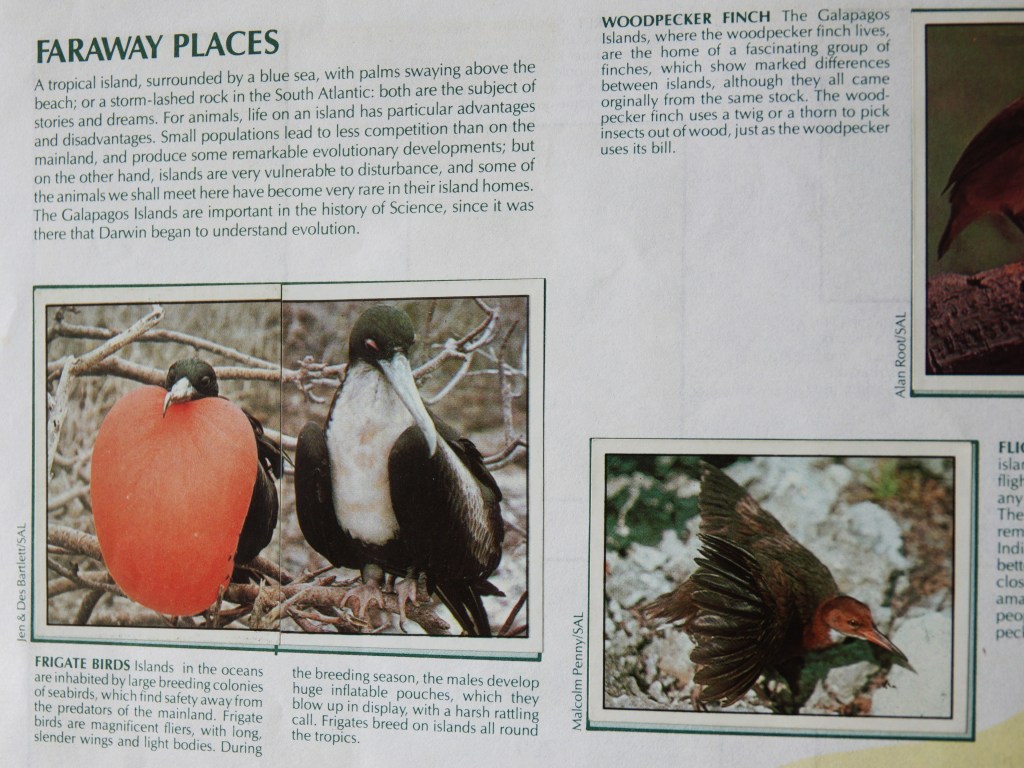
    A special excitement came from the animal pictures that needed two stickers to finish. These bigger images made collecting even more fun. Putting together these double-sticker images was like completing a mini-puzzle, giving us a closer look at these amazing animals. It felt fantastic when we finally got both halves, making the whole wildlife adventure more real and unforgettable. It’s as if the album itself is whispering, “This creature is so extraordinary, it can’t be contained in a single sticker!”
    One of my favourite double-sticker photograph was the frigate bird (Fregatidae). I was amazed by its huge, bright red throat pouch that looked almost like a giant human tongue!
    Those who collected Panini stickers from “The World of Survival” would likely remember the frigate birds.
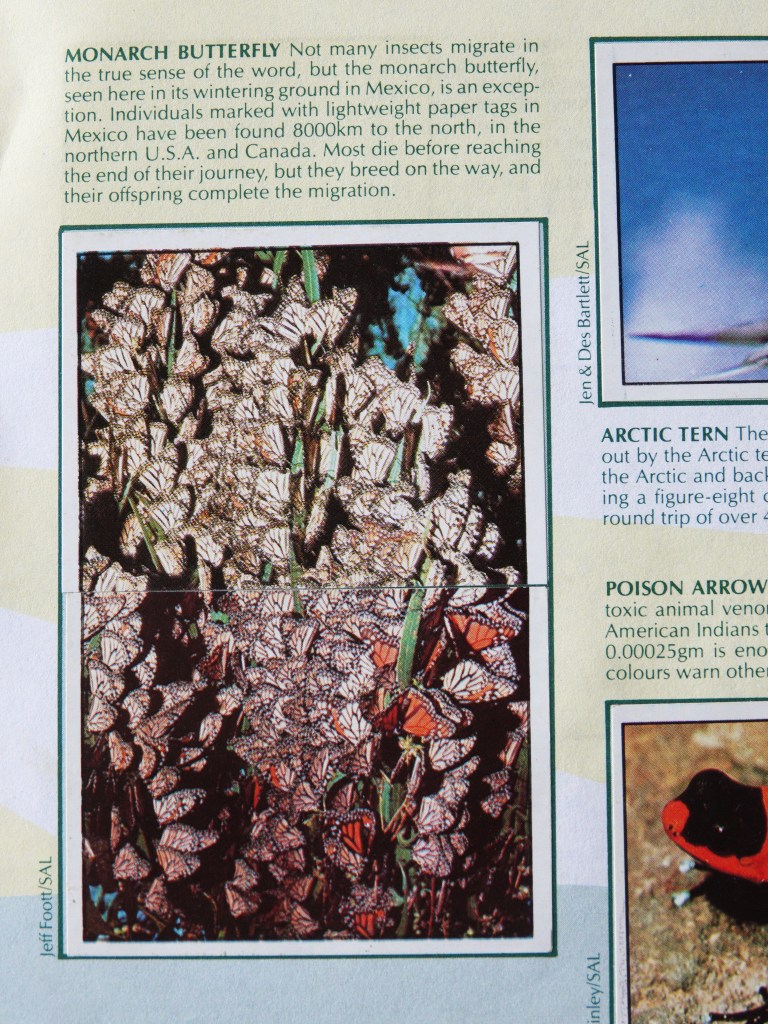
    Another double-sticker portrait that I remember vividly is the Monarch butterflies! Probably due to my fear of them as a result of the SBC show 迷离夜. Didn’t enjoy piecing this puzzle together because it was too horrifying.
    The back of the Panini book.

    In conclusion, Panini sticker books played a significant role in nurturing a love for wildlife among children of the 70s, 80s, and 90s. These colourful albums did more than just entertain; they educated, inspired curiosity, and fostered a deeper appreciation for the natural world.

    By bringing exotic and endangered species into our everyday lives, Panini stickers sparked conversations, encouraged learning, and created lasting memories. The excitement of collecting, trading, and completing these albums laid the foundation for many lifelong interests in nature and conservation.

    Written by Lucas

  • Fear Towards the ‘Known’ –   Butterflies and Moths

    Fear Towards the ‘Known’ – Butterflies and Moths

    “Sometimes we fear the unknown, while other times we fear what we think we know”.

    Limited Access to Information of Floral and Fauna

    Growing up in the 1980s, our access to factual and accurate information about the natural environment was notably limited, despite the few inspiring resources available. We relied heavily on rare screenings of nature documentaries on television and the occasional informative publications from the Science Centre, such as “A Guide to Pond Life” (1987), “A Guide to Common Singapore Spiders” (1989), and “A Guide to the Bukit Timah Nature Reserve” (1985).

    Our curiosity was further piqued by collectibles like Panini Sticker books on wildlife, featuring topics such as “Our World of Endangered Species,” and even the images of flora and fauna printed on the back of MilkMaid tin labels (see blog link). Hands-on learning experiences came through Young Scientist Badge projects and quests, allowing us to explore nature firsthand. However, these resources, while valuable, provided only a fragmented understanding of the natural world.

    Thus, our perceptions of nature, including innocuous creatures like butterflies and moths, were heavily influenced by popular culture – movies, TV shows, and community folklore. These sources often dramatised or exaggerated natural phenomena, potentially turning even beautiful insects into objects of fear.

    While there’s nothing inherently wrong with dramatisation in the media-entertainment industry, the scarcity of comprehensive factual resources (or perhaps the limited access to such resources) in the 70s, 80s and 90s meant that these cultural depictions often shaped our understanding more than scientific facts. The resulting misconceptions and oversimplified views, formed during our formative years, could lead to irrational fears of harmless creatures like butterflies and moths, persisting into adulthood and affecting our long-term relationship with the environment.

    This exploration of how limited information and cultural influences can create fear towards familiar creatures like butterflies sets the stage for understanding broader issues in our perception of the natural world.

    Fear of Butterflies

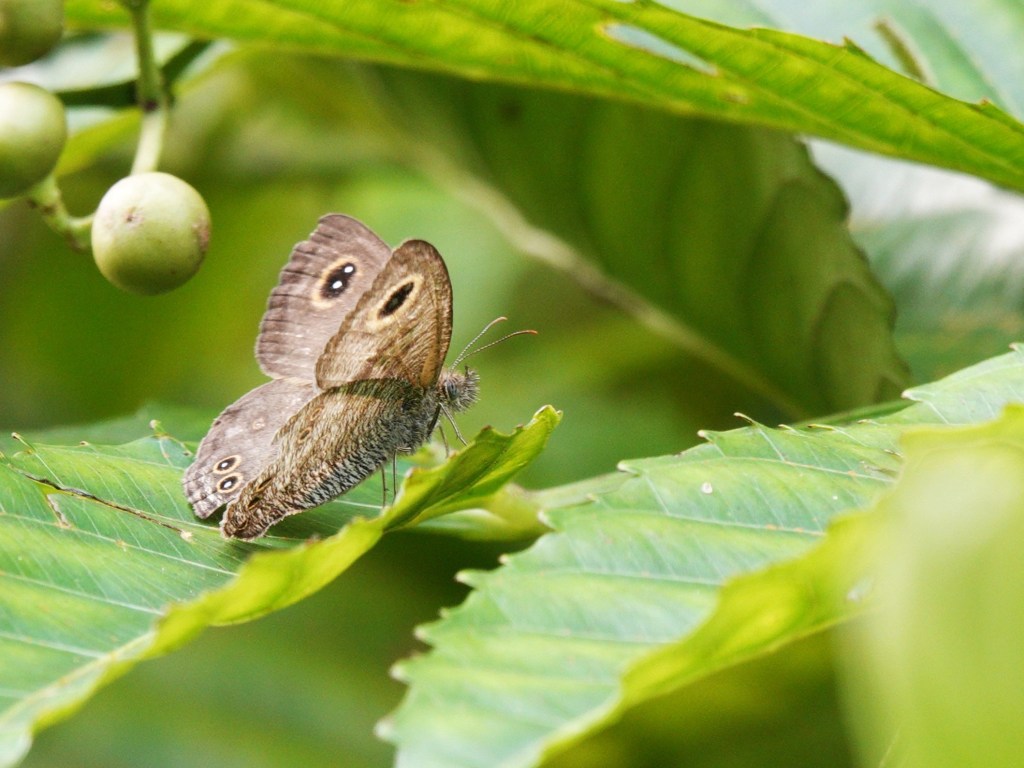
    Possibly a Common Four-Ring or Five-Ring Butterfly from the Ypthima genus taken in Thomson Nature Park. At this juncture, is anyone experiencing some discomfort looking at this butterfly? You may have Lepidopterophobia – an irrational and intense fear that can cause people to feel anxious or panicked when they see butterflies.

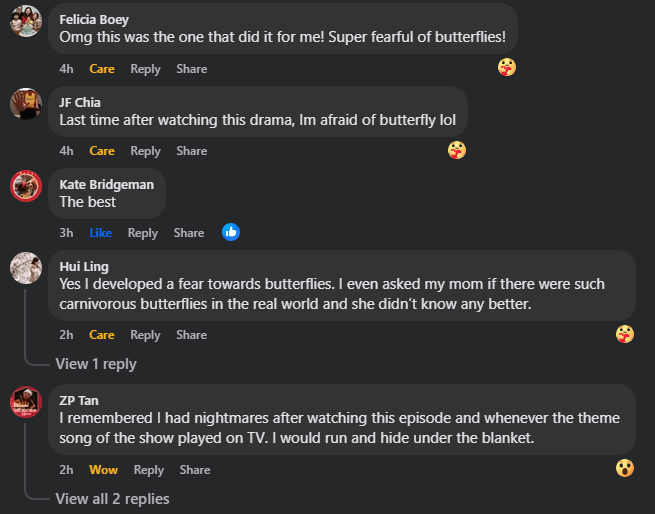
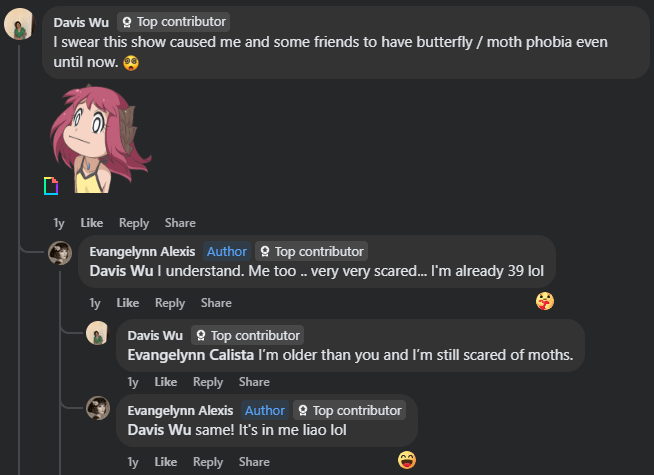
    I used to be afraid of butterflies, a fear I can trace back to a 1988 TV show called “迷离夜” (Mystery) and some old wives’ tales (which I’ll elaborate on later). Thankfully, I’ve grown out of this fear, but it’s worth noting that many children of my generation were affected by this show and its scenes. While I’m cautious about using the word “traumatised” loosely, it’s clear that this series inadvertently influenced a generation of Singaporean children (probably born in the early to mid 80s), shaping their perceptions of these delicate insects, even causing them to develop Lepidopterophobia – an irrational fear of butterflies and moths.

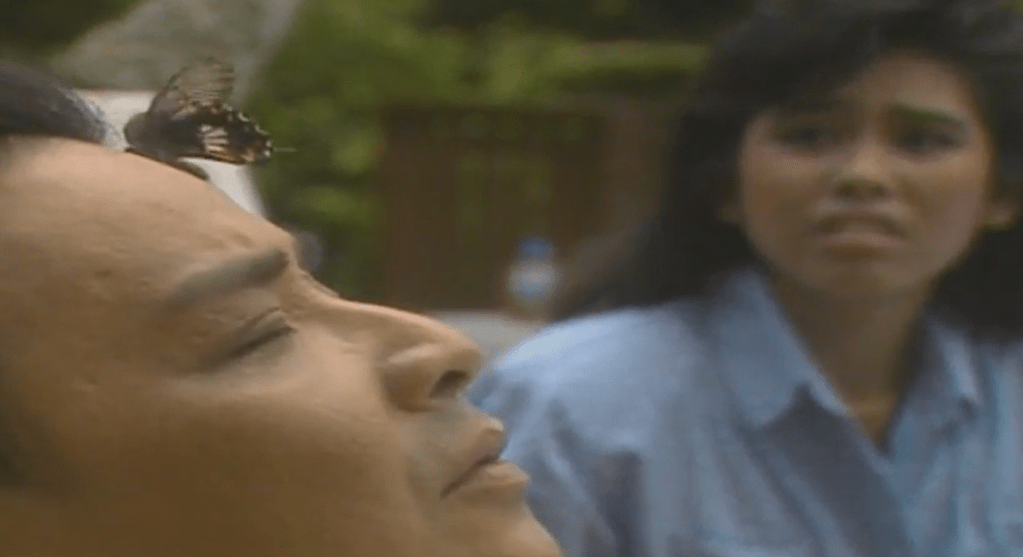
    How many of you can already ‘hear’ the eerie theme song by looking at the above screenshot?

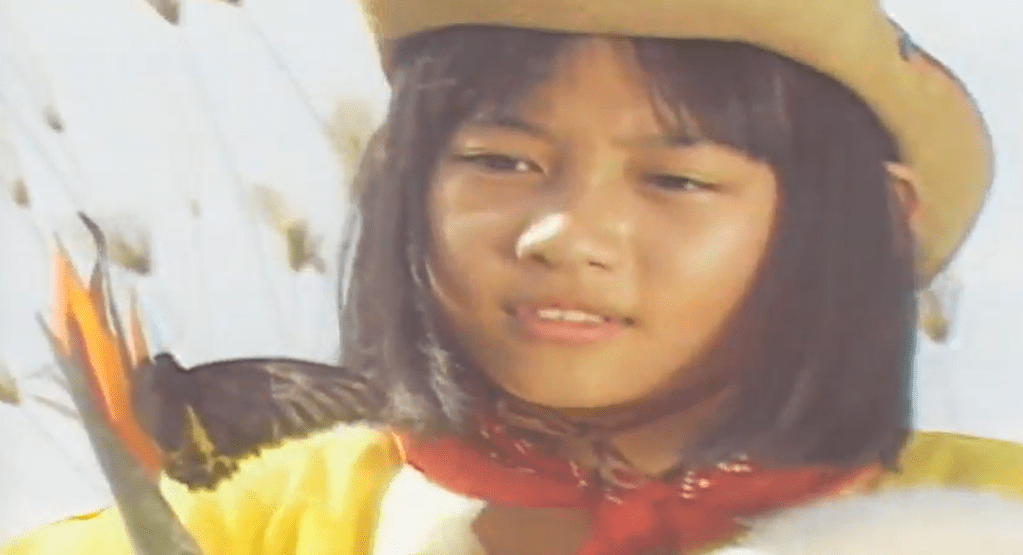
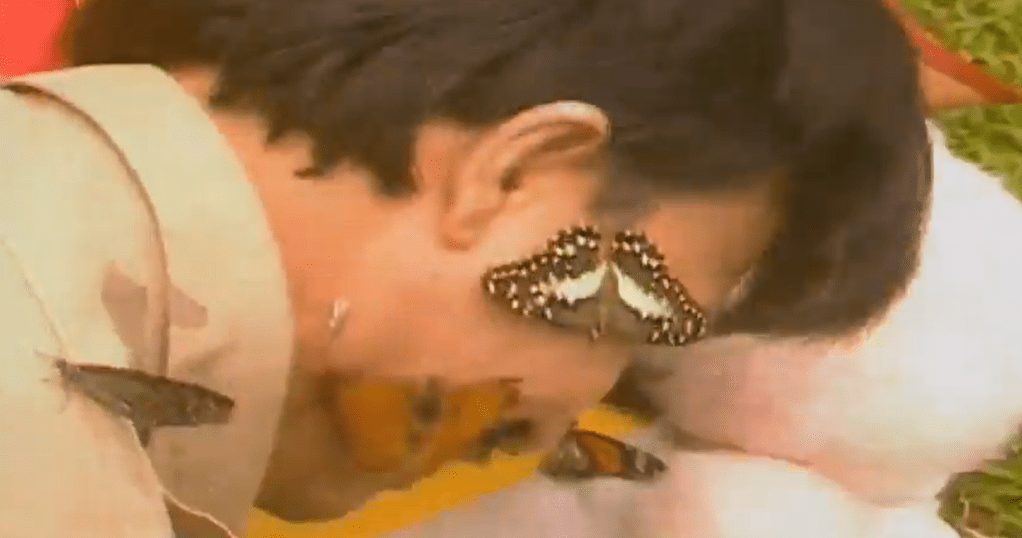
    In the chilling SBC drama “Butterfly” (蝶) from the supernatural series 迷离夜 (Mystery), butterflies are depicted to have mandibles that bite people. The pivotal scene unfolds in Africa, where a father (a jeweller) and his daughter, 小蝶, explore in search of precious rocks and minerals. Suddenly, a swarm of butterflies emerges, attacking the explorers. In a desperate attempt to rescue his daughter, the father is ‘bitten’ by numerous butterflies on his face, triggering a terrifying and rapid aging process that even the tribal shaman can’t reverse.

    小蝶, bitten once, also experiences the aging process after returning to Singapore. What follows are several heart-pounding scenes of 小蝶 screaming hysterically at the mere sight of approaching butterflies, cementing the transformation of these usually harmless creatures into objects of terror.

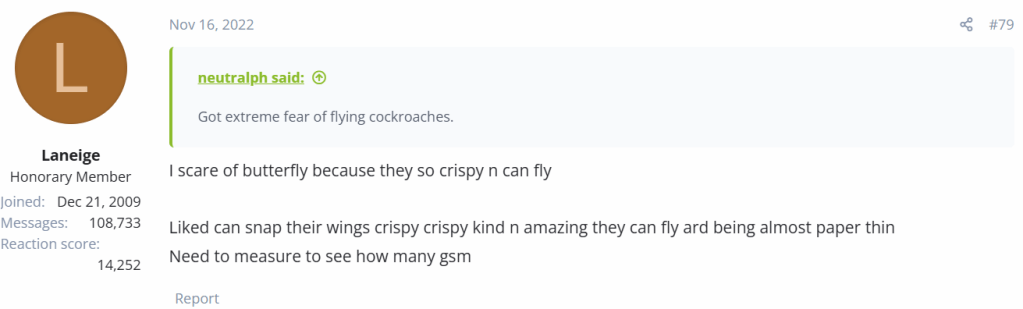
    This netizen made reference to possibly 迷离夜 in a forum thread about the Fear of Butterflies.

    In the butterfly scenes from ‘迷离夜’ (which I have screen-captured from MeWatch), four identifiable species are prominently featured: the Common Birdwing (Troides helena), Lime Butterfly (Papilio demoleus), Plain Tiger (Danaus chrysippus), and Common Mormon (Papilio polytes). Another unidentified species may belong to the Junonia genus. Ironically, these butterflies, portrayed as agents of horror in the programme, are common in Singapore and play crucial roles in our ecosystem.

    Far from being threats, butterflies are important pollinators, facilitating plant reproduction and supporting biodiversity as they feed on nectar. Their presence often indicates a healthy, balanced environment. Moreover, butterflies serve as a food source for various birds, small animals, and other insects, contributing to the complex food web.

    It’s worth noting that butterflies cannot bite; they lack the mouthparts to do so. Instead, they have a proboscis, which they extend to feed on nectar. This fact further underscores the contrast between their benign nature and their frightening portrayal in the programme.

    In reality, butterflies enhance our natural world with their beauty and ecological significance, bringing colour to gardens and joy to observers while silently supporting the intricate balance of nature.

    小蝶 was first admiring a common birdwing (Troides helena) when the swarm of other butterflies appeared. In a later scene, she went hysterical at the sight of another common birdwing.
    The scene whereby the father covered his daughter to protect her from the swarm of ‘shape-shifting’ butterflies (变形蝴蝶). You can spot a lime butterfly, a plain tigher and another unidentified species. Can anyone help me with the ID?
    A harrowing scene depicts the father’s rapid aging, culminating in his transformation into mere bones. This chilling sequence bears a striking resemblance to a pivotal moment in ‘Indiana Jones and the Last Crusade’, where the antagonist faces a similar fate after drinking from the wrong grail.
    In a near-ending scene, the antagonist in the show also became fearful towards butterflies. When a Common Mormon (Papilio polytes) landed on his forehead, he screamed hysterically.

    The portrayal of harmless butterflies as agents of terror in this drama left an indelible mark on viewers, particularly the young, blurring the lines between reality and fiction. The show’s depiction of accelerated aging triggered by butterfly ‘bites’, combined with characters’ hysterical reactions to these insects, created a lasting impact. Given the ubiquity of the featured butterflies in Singapore (with the exception of the less common Birdwing), those affected by the show’s portrayal faced an increased likelihood of experiencing fear or unease during everyday encounters with these typically innocuous creatures.

    Upon exploring online forums like Hardware Zone, numerous netizens shared their lingering fears attributed to ‘迷离夜’ or recounted experiences eerily similar to those portrayed in the show.

    This netizen was expressing how butterflies have crisp flapping sound, which scares him/her.
    A scene from 迷离夜 with exaggerated fluttering sound and howling wind as the swarm of butterflies approached the father and daughter.

    Some netizens claimed that butterflies create audible, crispy flaps. In reality, butterfly wing movements are silent to human ears. However, ‘迷离夜’ dramatically exaggerated this aspect, adding audible flapping sounds to heighten tension. This creative liberty likely led viewers, especially children, to associate imaginary, ominous sounds with butterfly movements. Such dramatisation, while effective for storytelling, inadvertently created a false association between butterflies and eerie noises, potentially contributing to viewers’ lasting fears or unease around these typically silent insects.

    As shared by others, some viewers have come to associate butterflies with rapid ageing. Although the netizen in the screenshot mentioned ‘powder’, which wasn’t featured in ‘迷离夜’, the reference to ageing likely stems from the show’s portrayal. This association with ‘powder’ (or more accurately, their scales), however, appears to have a different origin. It likely comes from old wives’ tales (which will be touched upon in the “Fear of Moths” segment)

    Intrigued by comments from Hardware Zone forum, I cast my net wider, hoping to hear from more Singaporeans about whether their responses towards butterflies were impacted by ‘迷离夜’. I shared several screenshots from the show in the Facebook group “Heritage SG Memories”, hoping to gather some responses from members of this community.

    After realising that some Singaporean netizens were sharing about how 迷离夜 has caused them to fear butterflies in another forum, I decided to find out more from a FB group with over 100k members. I was really intrigued by the responses.

    Almost immediately after publishing, a flood of comments poured in. Many adults expressed that they (and their friends) still harbour a sense of fear towards butterflies, attributing this lingering unease directly to the show. As I am writing this blog post, more Singaporeans have commented about their fear towards butterflies, including grown adults (they were children when they were watching this show in the late 80s). Apparently, some Malays also expressed their fear for butterflies as during the 80s and 90s, many Malays did watch shows from the Chinese channels.

    As you can see, one of the netizens is Malay, and she shared that many of her Malay friends also watched Chinese shows during that time.
    It seems that the association of the show with its eerie theme song has exacerbated the fear.
    The show seemed to even create some misconceptions about ‘carnivorous butterflies’.
    While the show is about butterflies, some of them have developed fear towards moths as well.
    Freezing is a primal response triggered by amygdala hijack – a behaviour that causes an individual to become motionless, instinctively hoping to avoid detection by the perceived threat.

    The impact of “迷离夜” on our collective psyche demonstrates how powerful media can be in forming our understanding and fears, especially when combined with limited access to factual information about nature. This experience serves as a fascinating example of how cultural narratives can sometimes overshadow scientific knowledge, leading to unexpected consequences in our relationship with the natural world.

    Fortunately, I’ve since overcome my fear of butterflies, largely due to my growing interest in nature. By acquiring knowledge and gradually rewiring my brain with facts, I’ve been able to engage my prefrontal cortex, allowing me to approach these insects with a more rational perspective. In fact during my recent visit to Thomson Nature Park, I spent more than 30 minutes this morning admiring a beautiful Common Jay Butterfly (Graphium doson).

    A Common Jay Butterfly ‘puddling’ alongside an overexposed yellow butterfly (possibly a Common Grass Yellow). This behaviour involves butterflies extending their proboscises to drink water and obtain sodium for their bodies.

    Fear of Moths

    While ‘迷离夜’ focused on butterflies, its impact extended beyond these diurnal insects to their (predominantly) nocturnal cousins: moths. Despite not being featured in the show, moths often bear the brunt of butterfly-induced fears, perhaps due to their similar appearance and nocturnal habits. Let’s explore how this fear has manifested in relation to moths and the unique challenges they present to those grappling with lepidopterophobia.

    A frontal view of a huge Atlas Moth spotted in a Bukit Panjang HDB lift lobby. Notice the edges of its wings, which resemble snake heads in an attempt at mimicry, potentially deterring predators.
    A side view to show its main body. Atlas moth can be seen throughout the year but more commonly sighted between November to January.
    The Tropical Swallowtail Moth is slightly smaller than the Atlas Moth. Both the Atlas and Tropical Swallowtail Moths experience mass emergences in Singapore. Read more about it in this link.

    In many Asian societies, moths have long been associated with death and the supernatural realm, a connection stemming from various cultural beliefs and superstitions. In countries such as the Philippines, Malaysia, and Singapore, moths are often perceived as the souls of the departed. Reports of certain moths appearing during wakes or funerals have led many to believe these insects embody the spirits of the deceased, returning to comfort or bid farewell to their families. Similarly, in some parts of China, large moths are considered harbingers of death, their presence interpreted as a sign that someone in the household will soon pass away.

    This eerie association is further intensified by the presence of moths that seem to bear facial features resembling death, particularly the Death’s-head Hawkmoth, which can be found in Singapore. Its distinctive skull-like pattern on the thorax adds a chilling dimension to the already superstitious perceptions surrounding these nocturnal insects. No wonder it is commonly known as an omen for death.

    Can you see a face (some people claim it looks like a skull) on the moth? Read more about this hawkmoth here. Credit: Butterfly Conservation
    The Death-Head Hawkmoth is even used in the movie poster for “The Silence of the Lambs”

    A common misconception that has persisted in various Asian countries is the belief that the ‘powder’ from moth wings can cause blindness if they come into contact with human eyes. This unfounded fear has led many people to avoid moths or react with panic when encountering them. In reality, the powder-like substance on moth wings is actually composed of minuscule scales, which are modified hairs. Both moths and butterflies are part of the Lepidoptera order, a name that translates to ‘scale wing’. These scales not only provide pigmentation but also create intricate wing patterns through light diffraction. (here is a source to read more about the scales of moths and butterflies). They are harmless and do not pose any threat to human eyesight. The origin of this myth is unclear. Despite the lack of scientific evidence supporting this claim, the belief continues to contribute to the fear and misunderstanding surrounding moths in many Asian communities.

    Here is a photograph of a tiny moth known as Choreutis orthogona. The intricate patterns on its wings result from the precise arrangement of microscopic scales. These patterns serve multiple purposes in the moth’s life cycle, including attracting mates, providing camouflage, and deterring potential predators (for instance the Atlas Moth mentioned earlier).
    I recently had the pleasure of encountering a stunning tussock moth, likely Lymantria alexandrae, at Hindhede Nature Park in Singapore. Take a closer look at those ‘furry’ legs! This specimen’s unique beauty truly caught my eye. I am definitely not fearful of them anymore.

    Moths (other than a few species that do not feed at all such as the Atlas Moth and the beautiful Luna Moth) play a crucial role in pollination, often surpassing the efficiency of their daytime counterparts like bees – moths have been found to pollinate flowers more quickly than day-flying insects. Research from the University of Sussex revealed that while moths accounted for only 15% of visits to bramble flowers, they were more efficient pollinators. This nocturnal contribution is particularly vital for maintaining biodiversity and supporting ecosystems. Their pollination services extend to a diverse range of plant species, including some that may not be adequately served by diurnal pollinators (refer to reference article from Butterfly Conservation here)

    Fear Towards the ‘Known’

    Fear is often associated with the unknown, looming uncertainties of the future. However, as we’ve seen with the case of butterflies and moths, it can also stem from what we think we know. Misconceptions, whether born from cultural beliefs, media portrayals, or misunderstood experiences, can lead to irrational fears of even the most harmless creatures. By understanding the true nature of these insects and their vital roles in our ecosystems, we can work to overcome these unfounded fears, appreciating the beauty and importance of butterflies and moths in our world.

    Written by Lucas