A decade ago, a viral “bucket trend” on social media meant something beautiful. In the summer of 2014, the ALS Ice Bucket Challenge swept the globe. The trend saw millions of people dumping ice water over their heads, transforming a simple household object into a symbol of charity that raised millions for motor neuron disease research.
Today, when something related to bucket goes viral now, it doesn’t spark empathy—it sparks outrage.
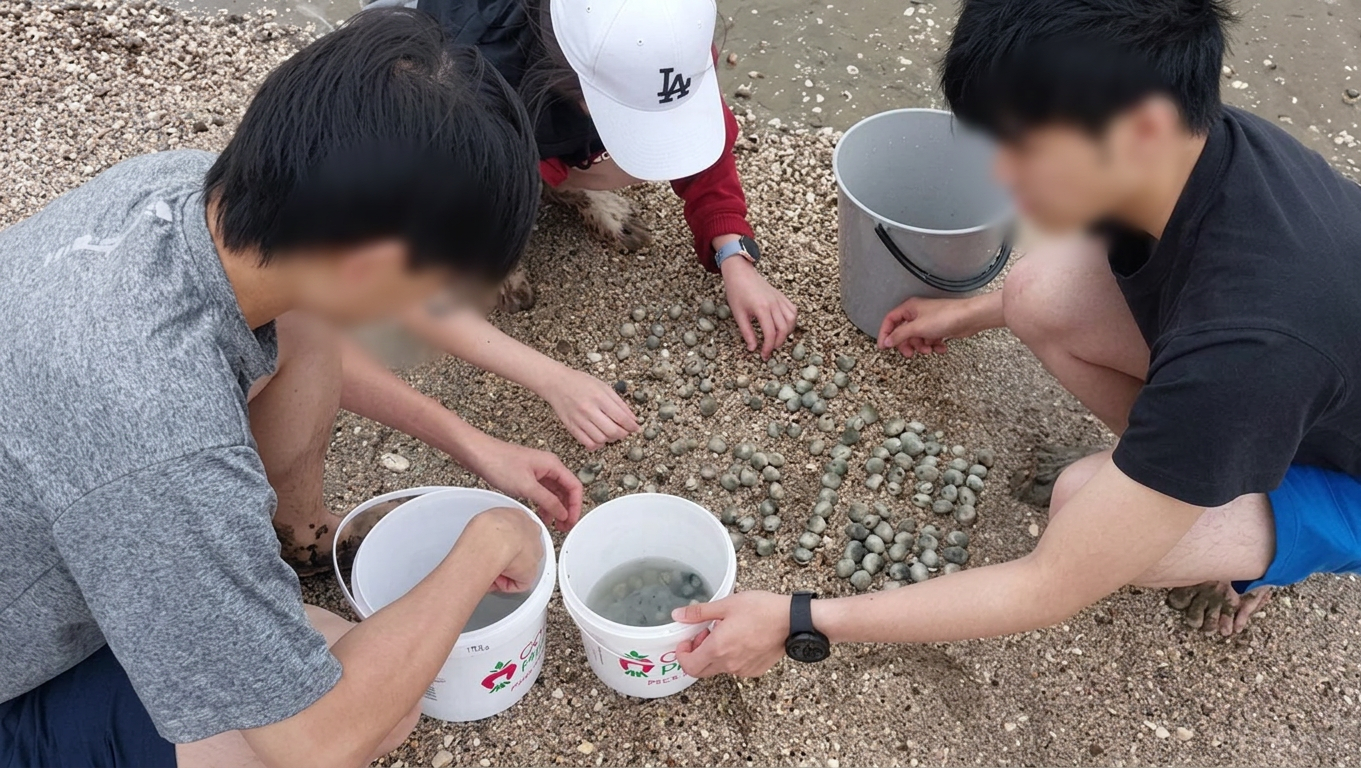
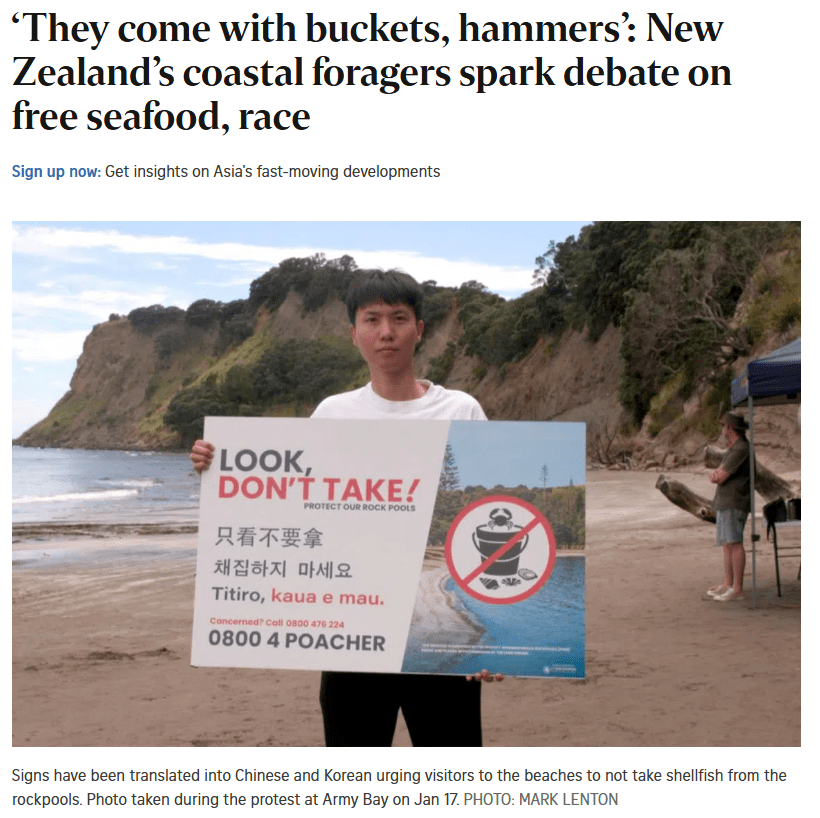
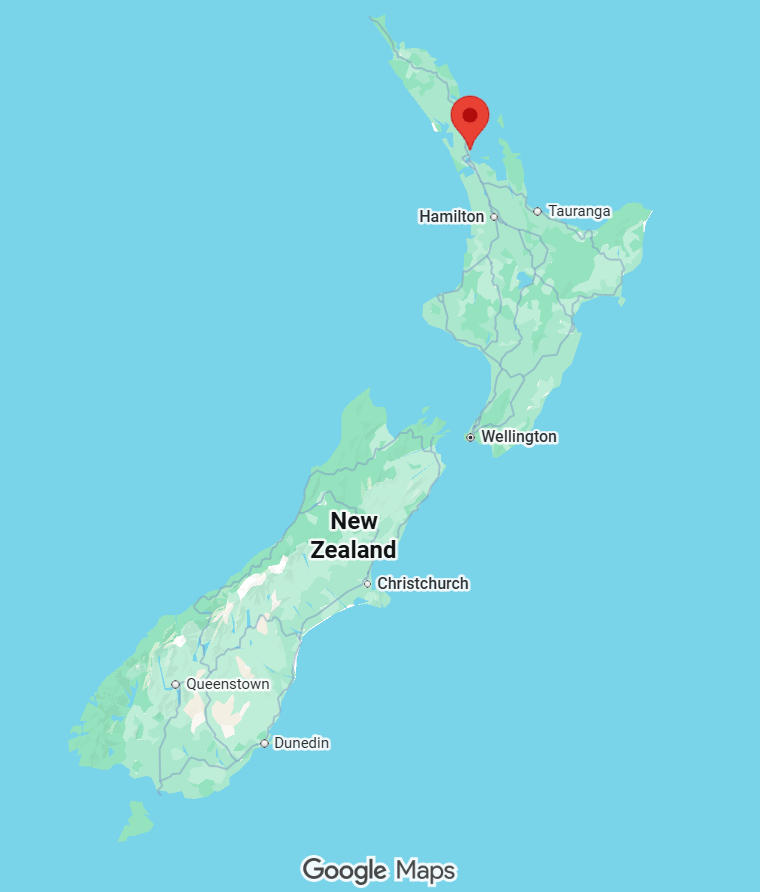
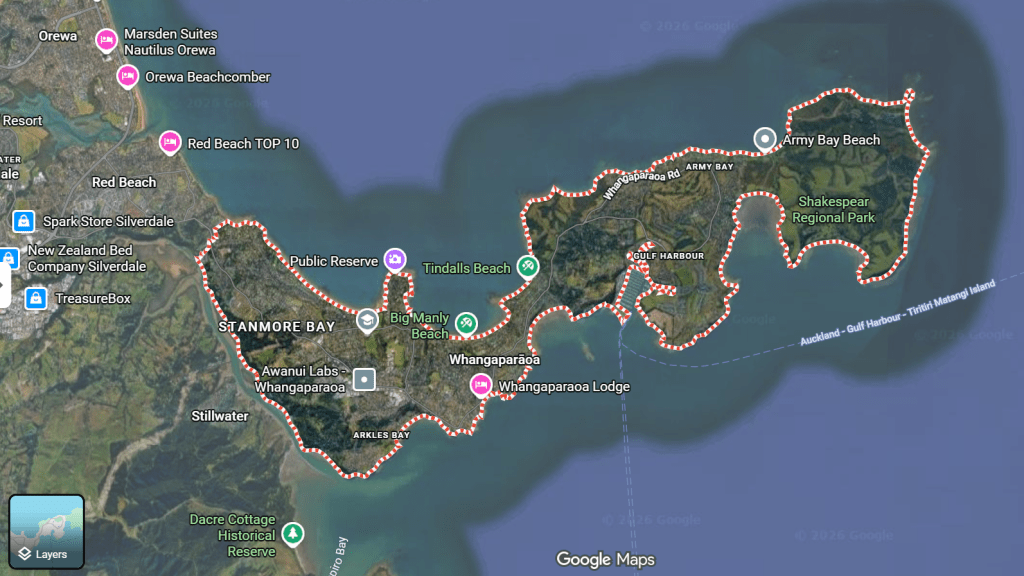
In New Zealand, the label “bucket people” was recently coined to describe a rising trend: crowds of foragers harvesting seafood along delicate intertidal beaches and rocky shorelines, threatening the ecosystem especially at the Army Bay on the Whangaparāoa rockpools.
Covid Pandemic & Algorithms Fueling Forage
Over more than a decade, I’ve developed a fascination with survival and foraging social media content, a passion deeply rooted in my experiences as an angler since 2011. My friends and I frequently travelled from Singapore to Desaru and Tanjung Leman to catch coral trouts and snappers, gutting and cooking them ourselves. As a result of this hobby, my online activity naturally centred around fishing techniques and fish identification. It didn’t take long for the algorithms to pick up on this interest, supplying me with a steady stream of “Catch & Cook” videos on platforms like YouTube and Facebook.
This trend, which began as a small community group, exploded into a worldwide phenomenon during the COVID-19 pandemic. For many years, urban residents regarded food as something that simply appeared on grocery store shelves. However, when COVID-19 struck, supply chains broke down. Faced with empty store aisles and scrambling for essentials like toilet paper and flour sparked a sense of vulnerability. It prompted many to realise, “If the stores shut down, I genuinely don’t know how to feed myself.” This anxiety led to a significant shift toward exploring alternative ways to obtain food. A survey conducted in New York revealed that participants shared their experiences with the production and consumption of wild and backyard foods—such as gardening, raising poultry, foraging, and hunting or fishing—during the pandemic in comparison to the previous year (Source).
While many established foraging-themed accounts existed prior to the Covid days, such as Outdoor Chef Life, Fisherman’s Life, The Fish Locker, and Andy’s Fishing Wild Cook, there has been an explosion of new accounts like chaoticforager and BlackForager (Alexis Nikole Nelson). Many of these individuals have turned content creation (on foraging) into a full-time career due to their success.
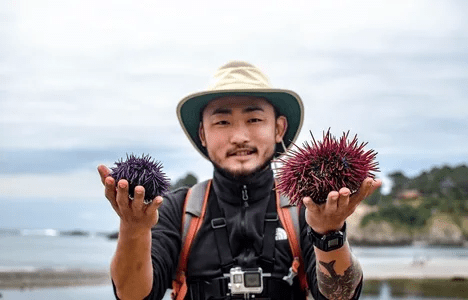
As the appetite for content creation grew globally, the trend collided with the rapid emergence of popular lifestyle platforms like Xiaohongshu (Rednote). Two distinct architectural features of Rednote heavily contributed to the sudden explosion of this foraging trend across various countries.
Firstly, the platform explicitly introduced a dedicated, top-tier “Nearby” tab alongside its traditional “Follow” and “Explore” feeds. This feature uses real-time geographic location data to drop user notes, pins, and guides directly onto interactive local maps, ensuring that highly localised trends are served straight to users in that exact geographical area.
Secondly, the app’s entire culture is built upon zhòngcǎo (literally “planting grass”—the concept of enticing someone to try something new). “Planting grass,” or 种草, is a widely used term in Chinese social media that refers to the act of encouraging someone to want a particular product or service. This approach is considered a type of soft marketing, where users discuss their favourable experiences, reviews, and recommendations, thereby effectively “sowing the seeds” of desire in others’ minds. Consequently, creators receive significant rewards from the algorithm for producing useful, high-quality, step-by-step guides that specify the necessary tools, optimal low-tide timings, and exact destination locations.
Consequently, the content shifted from passive wilderness entertainment into highly actionable weekend checklists. This unique digital architecture is what ultimately mobilised massive waves of local and international foragers to step away from their screens and physically descend onto the intertidal zones of countries like New Zealand and even Singapore.
When Over-FoRaging Triggered Reactions
Thinking back to my childhood in the 1980s, our weekend trips to Pasir Ris Beach were a treasured family ritual. Back then, the shoreline felt limitless, and our family of five often had the entire stretch of sand completely to ourselves as most children were playing at the playground area. I would spend hours gathering empty seashells, chasing sand-bubbler crabs as they darted across the wet sand, and scooping up well-camouflaged black eel-tail catfish from the dark sediment along the waterline. In those days, these small, innocent interactions with seashore life felt like a harmless rite of passage—a deeply personal connection to nature before the era of viral trends where unsustainable foraging changed the coastline forever.
Recent news articles in New Zealand highlight a troubling trend where tour operators capitalise on the viral appeal of coastal foraging activities in popular locations. Some operators go as far as advertising their services with slogans like “Come to New Zealand for your free seafood buffet” (Source). This marketing strategy may have led to an overwhelming influx of tourists flocking to these areas during low tide, carrying buckets and excitedly harvesting marine life without proper guidance. Unfortunately, this surge in foraging often results in significant environmental damage, as the delicate ecosystems struggle to cope with the sudden, excessive extraction of resources. Many individuals, armed with tools and buckets, removed sea stars, sea cucumbers, barnacles, (hermit) crabs, anemones and other species, which will threaten the health of New Zealand’s coastal environments.
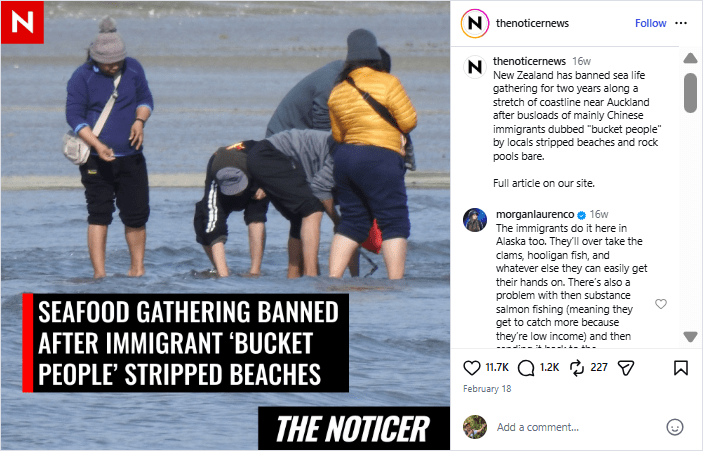
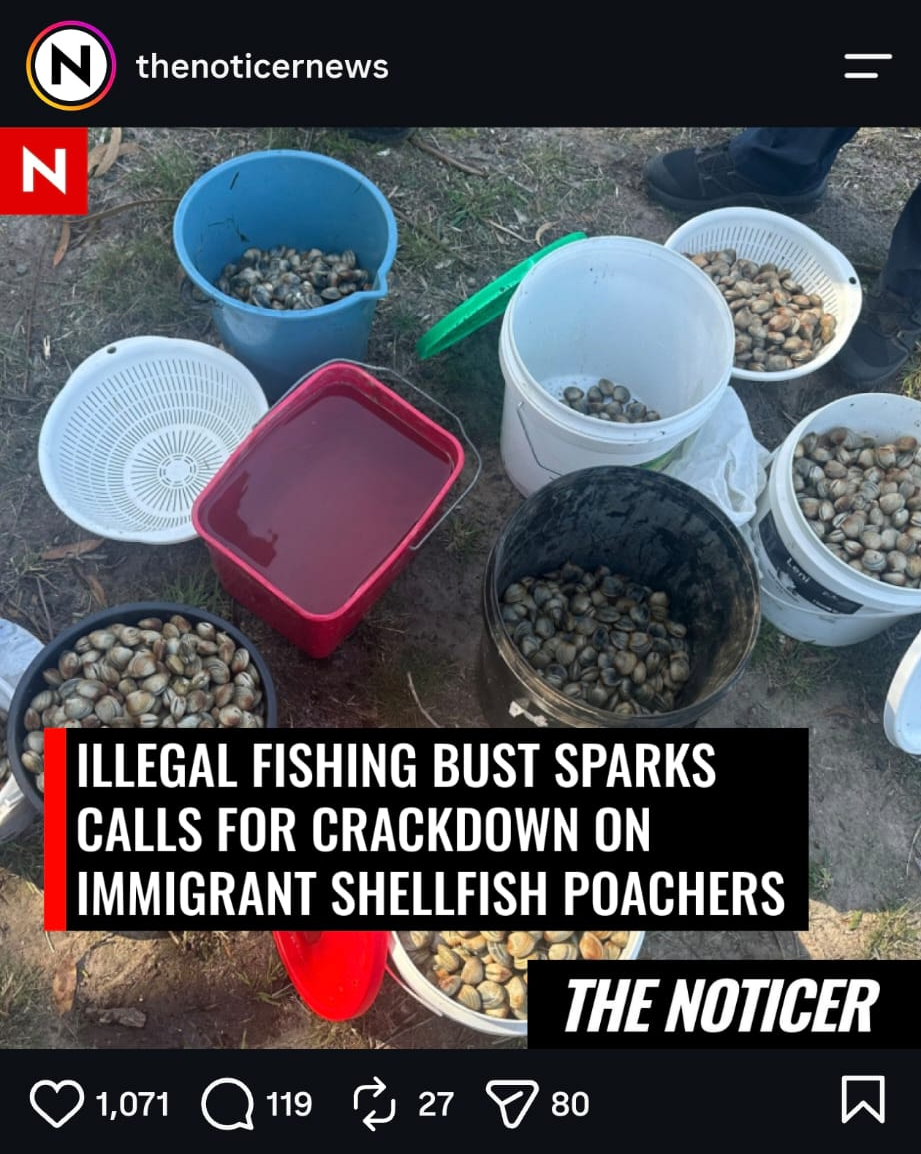
Councillor John Gillon has promptly reported the plans for interventions aimed at allowing the ecosystem of the rock pool to recover swiftly following its recent overharvesting (Source). This initiative not only highlights the importance of sustainable practices but also underscores the need for community education on the delicate balance of marine habitats. By implementing protective measures such as seasonal harvesting restrictions and habitat restoration, Gillon aims to ensure that future generations can enjoy the biodiversity that these rock pools provide.
Responses from the Local Communities & Authorities
Legally, individuals are permitted to gather up to 50 cockles each in the Auckland-Coromandel area, and the same limit applies to shellfish and other marine life typically found in rock pools. However, the law may need to change due to a significant rise in both the number of foragers and the frequency of their visits. Consequently, there is an ongoing review by the relevant authorities, which includes consultations with local communities. To make matters worse, some of these visitors are taking species that are not intended for consumption (Source).
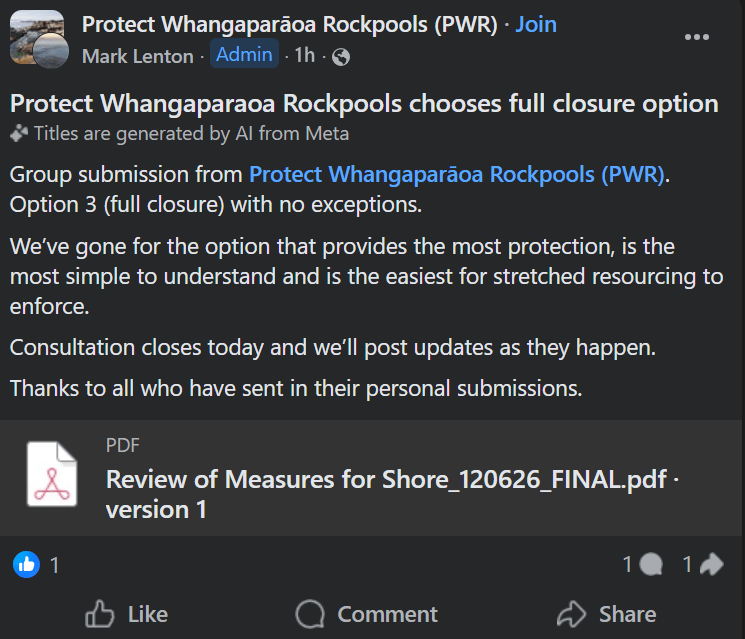
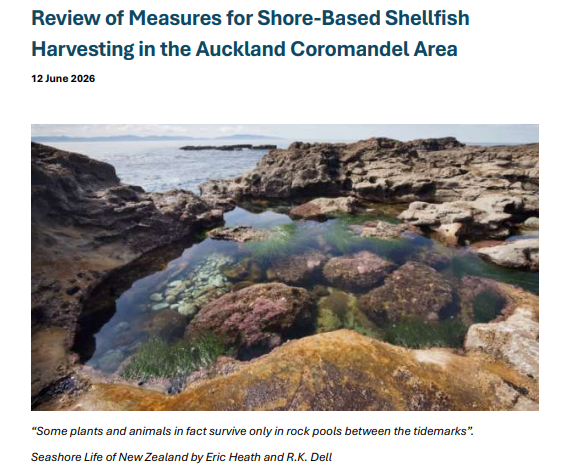
Other than interventions from the authorities such as the Ngāti Manuhiri Settlement Trust, the local communities have created and distributed educational posters to help raise awareness in peaceful manners.
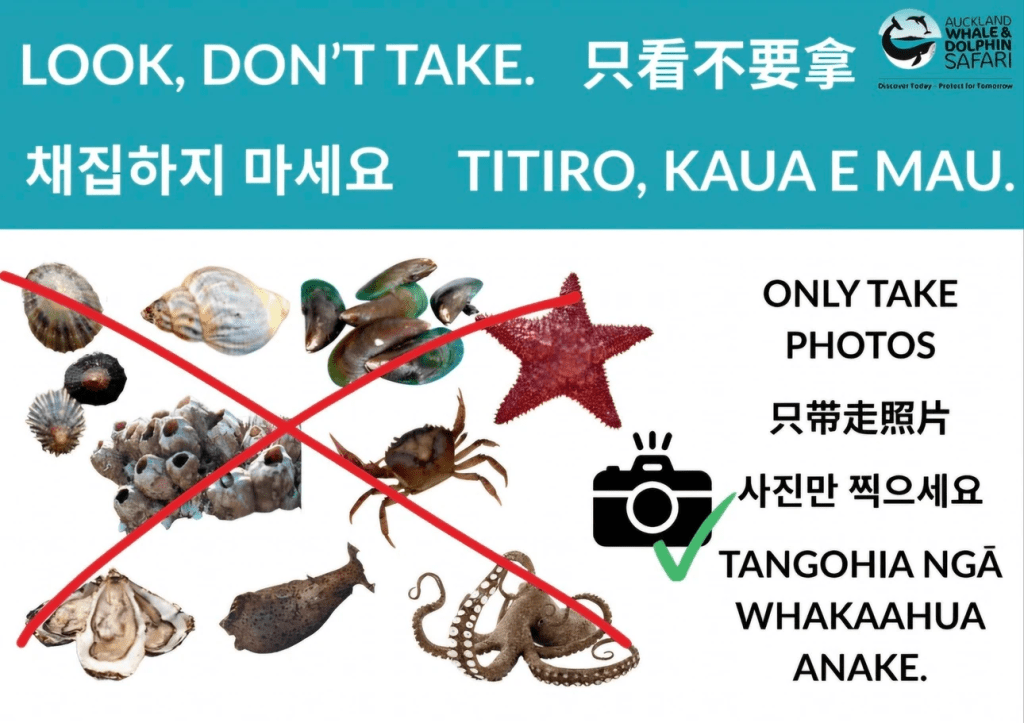
Local teachers have begun to bring these issues into the classroom, using them as invaluable teachable moments to educate their students about the concept of “Look, Don’t Touch!” in relation to their local biodiversity.
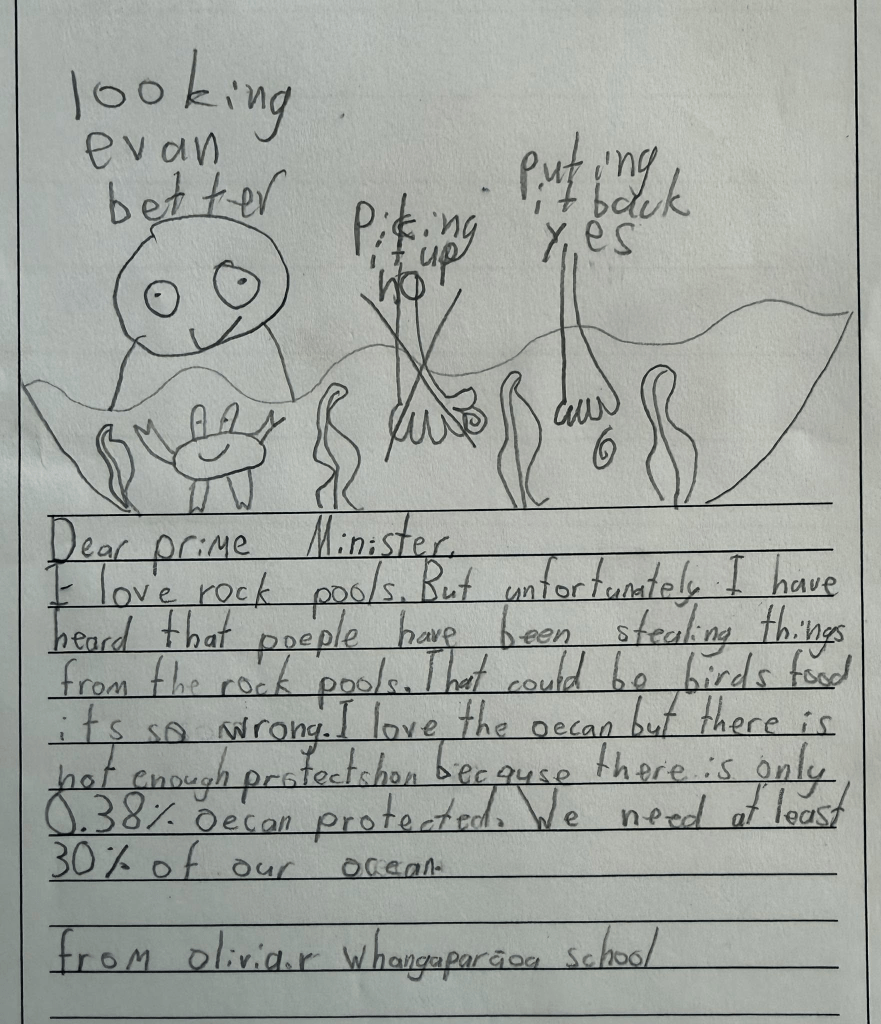
Volunteer organisations and nearby schools have stepped up to conduct biodiversity surveys, observing significantly fewer species in heavily exploited regions compared to untouched locations.
In January, a peaceful crowd of roughly 500 residents gathered at Army Bay on the Whangaparaoa Peninsula, uniting to voice their concerns over visible ecological damage to the area. PWR organiser Mark Lenton spoke at the event.
“We represent Whangaparāoa, and we are at Army Bay because it is one of the most impacted beaches, but this is a national problem. Every day I have people from across New Zealand asking me for help. They are similarly impacted, but they don’t know what to do. Today is a blueprint for the rest of New Zealand to make a stand and to send a message that stripping our coastline is not the Kiwi way.”
“We’re sending two clear messages today,” Lenton said. “We need the government to protect our coastline. Secondly, we want the gatherers to respect our land, to respect our coast, and to respect New Zealand.” (Source)
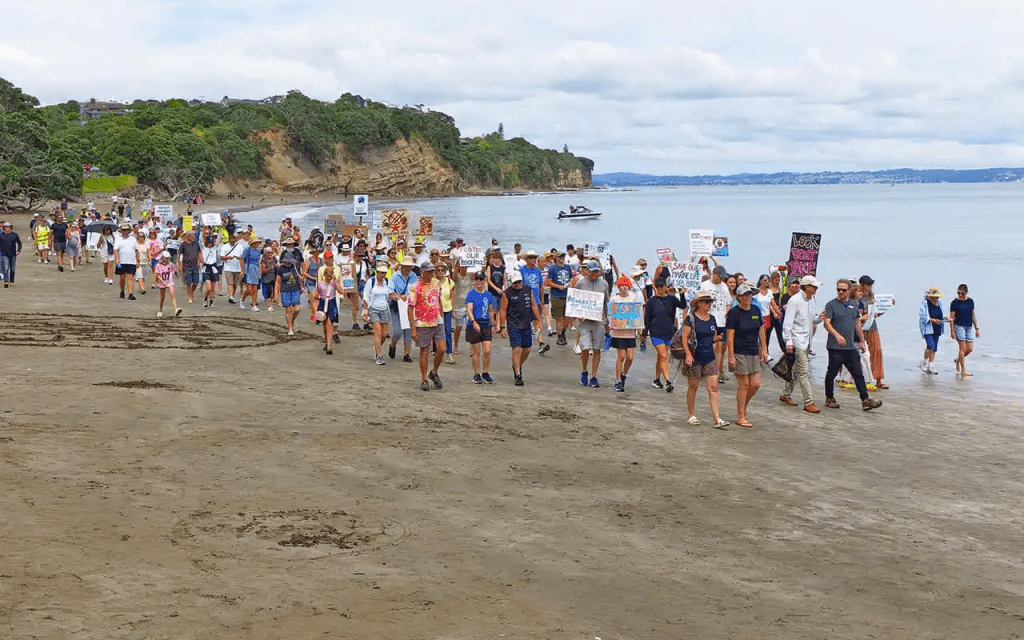
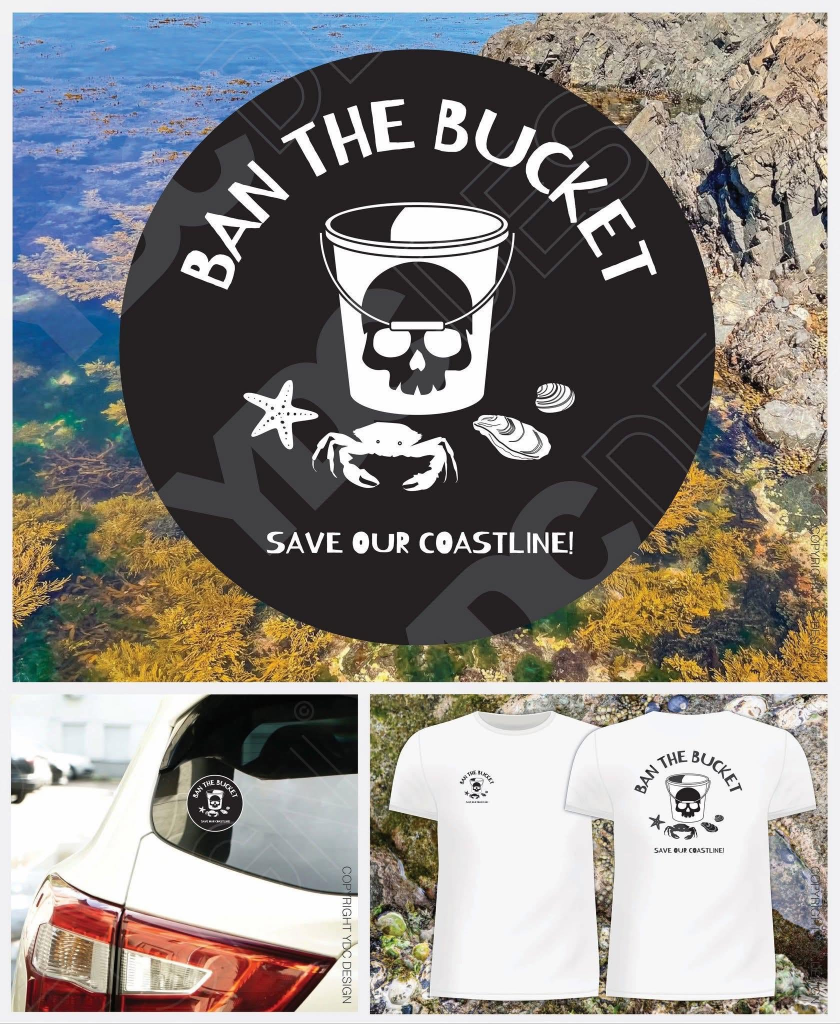
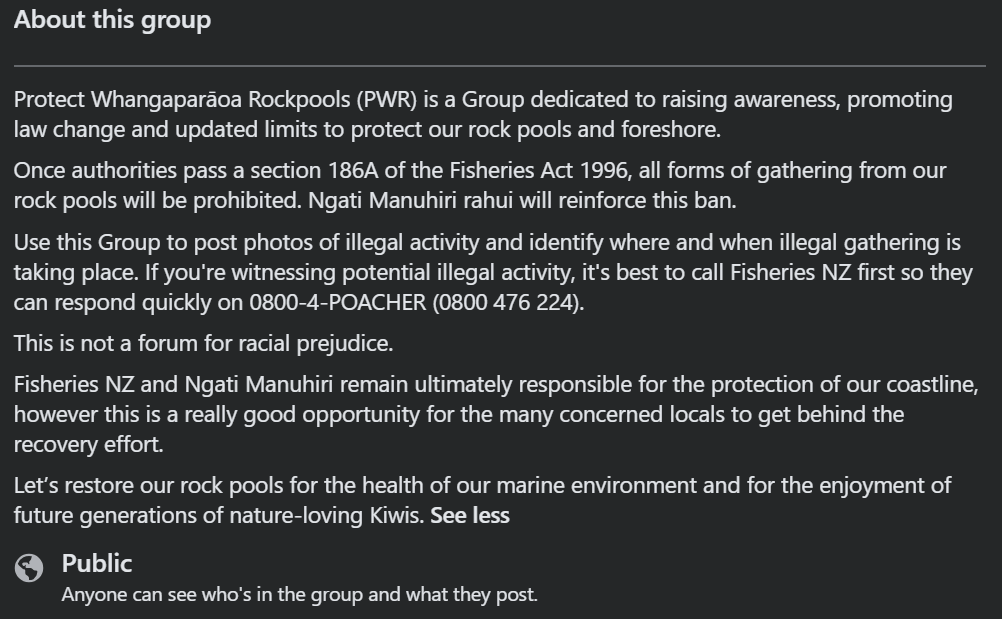
While ploughing through Facebook responses and news articles, New Zealanders are sensitive to the fact that this community response may unintentionally give rise to xenophobia or racism. Therefore, even in the campaign Facebook group, one of the rules explicitly opposes racial prejudice. The replies to the posts have also remained civil and considerate.
However, rather than focusing on environmental conservation, certain alternative news platforms, talkback radio segments, and social media comment sections have steered the conversation towards border tightening by overemphasizing the ethnic backgrounds of the gatherers. This shift in narrative has introduced a level of discomfort to the debate, with opinion pieces and community forums frequently using highly charged terms like “poachers” or “resource thieves.” By framing the issue through a lens of cultural friction and criminality, this aggressive rhetoric obscures the true root of the problem: a digital algorithm designed to turn a fragile, finite ecosystem into a viral to-do list, as well as the lack of educational content on such social media platforms.
Lessons for Singapore’s Nature Enthusiasts and Authorities
The intersection of algorithmic trends and physical ecological disruption offers a critical case study for a highly urbanised, digitally connected nation like Singapore. As fragile intertidal zones like Changi Beach and Pasir Ris face the pressures of viral “Catch & Cook” or foraging movements, both local nature enthusiasts and state authorities must evolve their approach to coastal management.
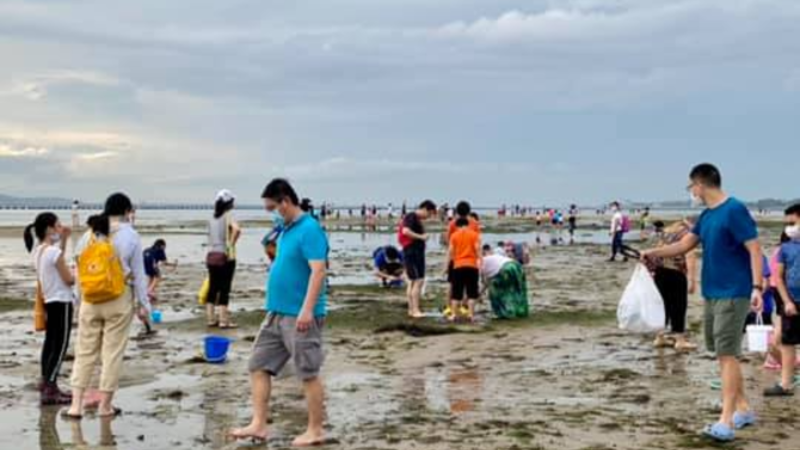
In fact, invertebrates aren’t fully protected here: under Singapore’s Wildlife Act, common intertidal invertebrates—such as most crabs, clams, and snails—do not automatically fall under the protected “wildlife” definition for public spaces. This contrasts with protected areas like Labrador Nature Reserve (the rocky shore) and Chek Jawa (in Pulau Ubin), making interventions trickier.
Foraging Not Equal to Bad Behaviours
First of all, it’s crucial to recognise that shore foraging isn’t inherently bad behaviour. In Singapore, as mentioned earlier, it is entirely legal outside of protected areas, making it a wonderful, healthy hobby—provided we don’t exceed the ecosystem’s carrying capacity. Local creators, like the AJVM Fishing Channel on YouTube, even document their own shellfish foraging adventures on Pulau Ubin (Source).
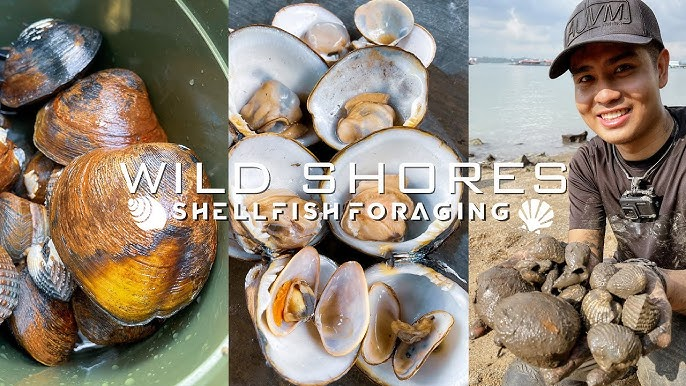
Historically, foraging has been part and parcel of daily life, even in highly urbanised Singapore. The golden rule here is simple: “Don’t need it, don’t do it lah.” Mr. Firdaus Sani, the founder of Orang Laut SG, has spoken out against a blanket ban on foraging. As he rightly points out, there are still indigenous and coastal communities in Singapore who have carried on the culture and traditions of foraging for generations. For these communities, it isn’t a hobby or a trend—it is a way of life. (Source)
Ultimately, the conversation around foraging isn’t about restriction (unless necessary to restore the ecosystem balance); In my opinion, it is about mindfulness, respect, and ecological awareness.
Fight the Algorithm on Its Own Turf
Public education must meet the public where they actually congregate. It is no longer enough to rely on static advisory signs at beach entry points or traditional media releases. Since platforms like Xiaohongshu (Rednote) drive the physical influx of foragers through highly targeted, location-based mapping, conservation campaigns must adopt the exact same digital strategies.
Authorities like the National Parks Board (NParks), along with environmental groups and individual nature enthusiasts who serve as influencers, should actively create content on lifestyle apps. By utilising the “Nearby” interface to offer high-utility, step-by-step guides on marine fragility and local catch laws, conservationists can effectively intercept users’ search intents. For instance, if a user searches for a local low-tide spot, the top indexed result should be a creative and engaging guide that explains how removing marine life disrupts our local ecosystem.
Grassroots Community Rallying
While organised physical demonstrations remain illegal under Singapore’s Public Order Act, the community can still rally effectively through coordinated and civic-minded educational movements. We can take inspiration from local science educators like Biogirl MJ (from Just Keep Thinking), who consistently uses her platform to remind the public that living intertidal creatures are not free souvenirs or ingredients, but vital components of our marine heritage. In fact, on many occasions, she has approached members of the public to educate them when she observes them bringing back wildlife from the intertidal zones.
This form of digital and on-site stewardship provides a powerful blueprint for the wider community. By volunteering as gentle, on-the-ground educators during low-tide weekends, enthusiasts can foster a culture of collective responsibility. Cultivating this mindset ensures that our younger generation grows up viewing the coastline as a sanctuary to protect, rather than a resource to harvest.
De-escalating the Narrative
Finally, a critical lesson must be learned regarding the language used to discuss these ecological challenges. Both official news outlets and alternative media platforms bear a heavy responsibility to ensure that conservation debates do not devolve into cultural or racial friction. When commentary overemphasises the demographics of foragers or uses highly xenophobic labels, it shifts valuable energy away from the actual issue.
Environmental degradation does not discriminate by nationality, and framing it as a migrant or border issue only creates social division. To truly safeguard Singapore’s vulnerable shores, the narrative must remain firmly anchored to a shared, inclusive goal: the sustainable preservation of our common natural spaces. Only by looking past the distraction of identity and focusing on systemic digital education can we ensure our fragile marine ecosystems survive the viral age.


Leave a Reply