Tag: Intertidal

  • Algorithms Fueling Fo(Rage)

    A decade ago, a viral “bucket trend” on social media meant something beautiful. In the summer of 2014, the ALS Ice Bucket Challenge swept the globe. The trend saw millions of people dumping ice water over their heads, transforming a simple household object into a symbol of charity that raised millions for motor neuron disease research.

    Today, when something related to bucket goes viral now, it doesn’t spark empathy—it sparks outrage.
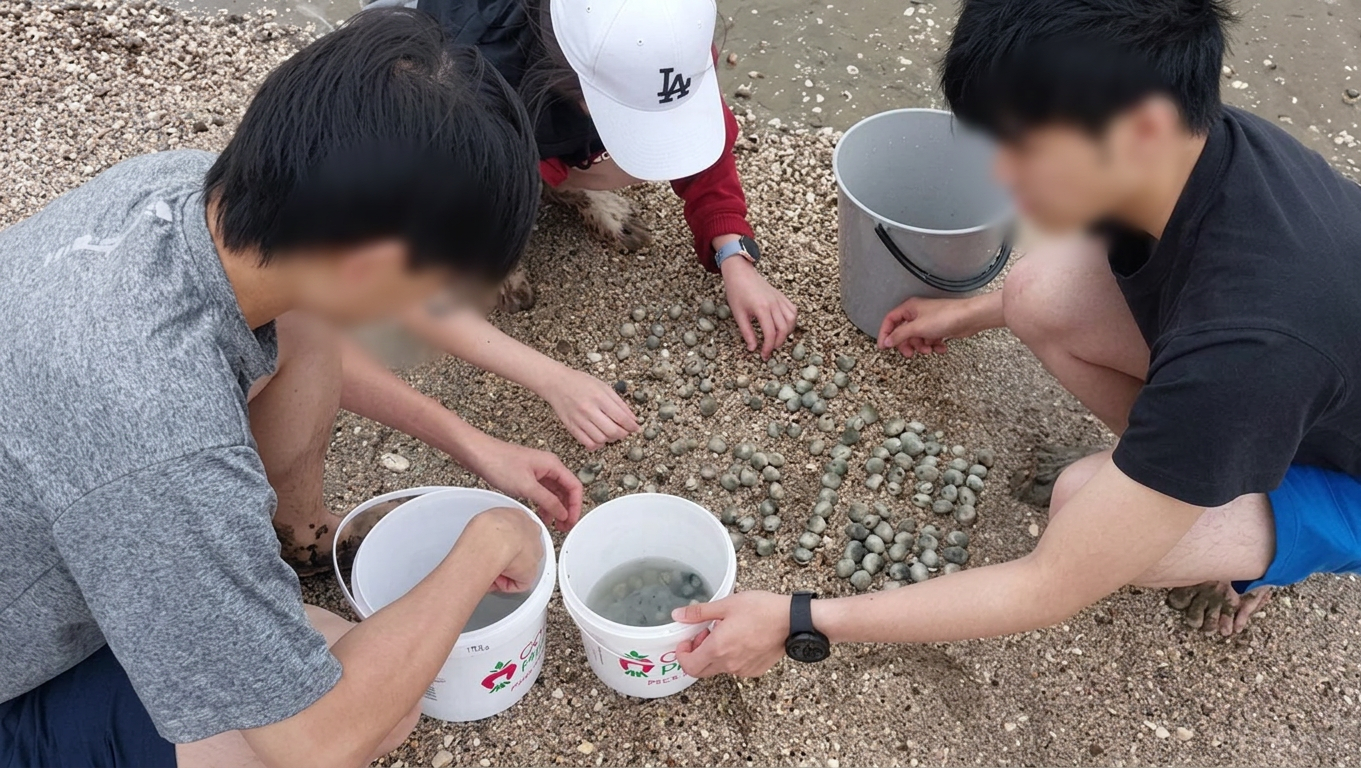
    Some visitors even set up barbecues to cook caught marine life on the spot. Photo Credit: Facebook/Protect Whangaparāoa Rockpools
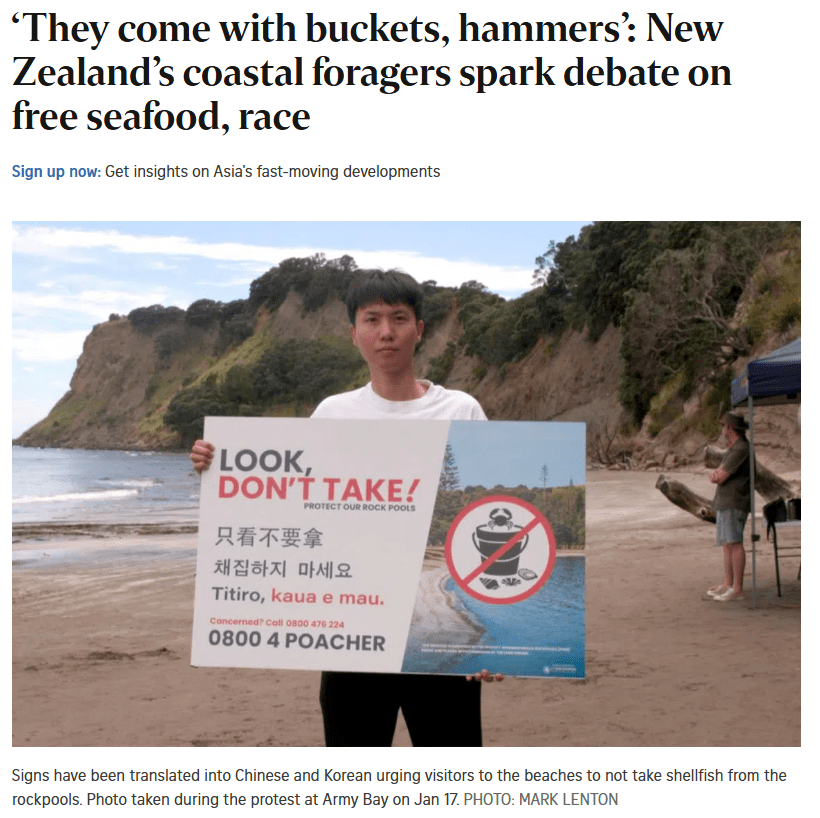
    The Straits Times highlighting this issue faced in New Zealand.

    In New Zealand, the label “bucket people” was recently coined to describe a rising trend: crowds of foragers harvesting seafood along delicate intertidal beaches and rocky shorelines, threatening the ecosystem especially at the Army Bay on the Whangaparāoa rockpools.
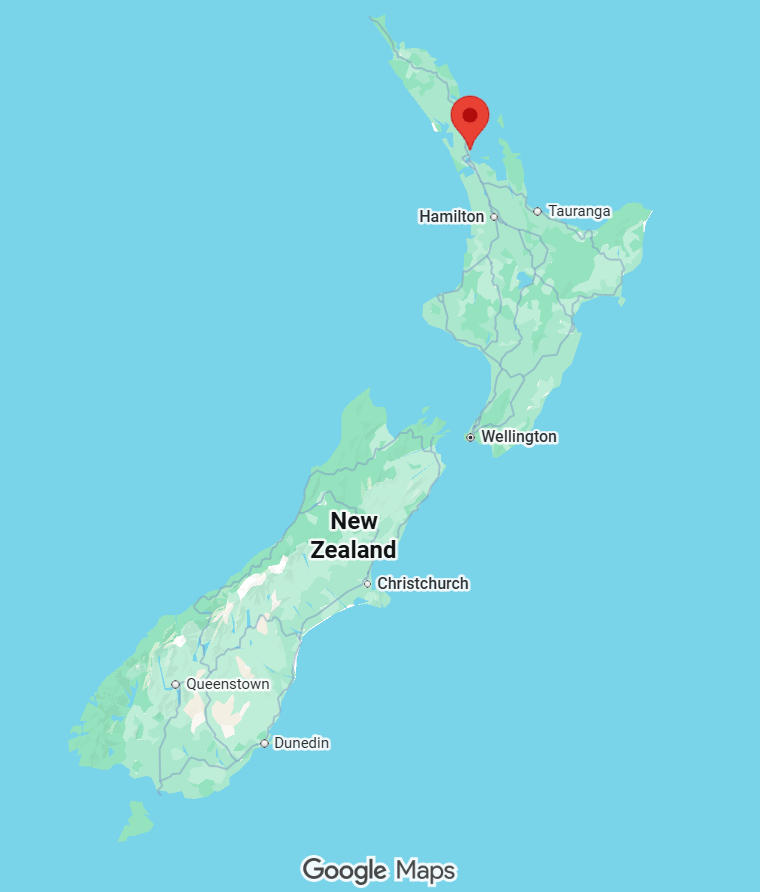
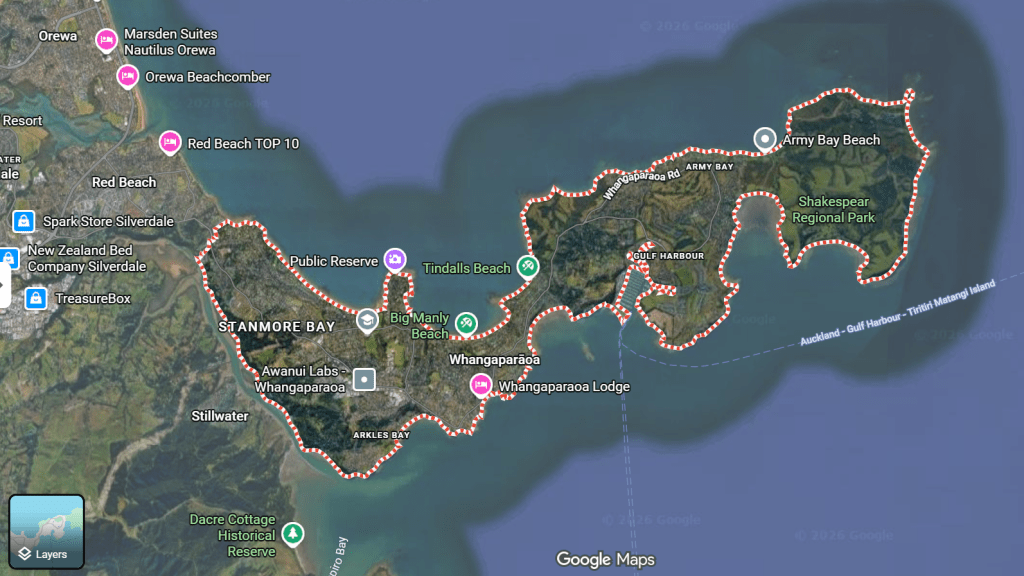
    The location of Whangaparāoa in New Zealand is marked by the drop pin.
    A closer look at the surrounding of the Whangaparāoa.

    Covid Pandemic & Algorithms Fueling Forage

    Over more than a decade, I’ve developed a fascination with survival and foraging social media content, a passion deeply rooted in my experiences as an angler since 2011. My friends and I frequently travelled from Singapore to Desaru and Tanjung Leman to catch coral trouts and snappers, gutting and cooking them ourselves. As a result of this hobby, my online activity naturally centred around fishing techniques and fish identification. It didn’t take long for the algorithms to pick up on this interest, supplying me with a steady stream of “Catch & Cook” videos on platforms like YouTube and Facebook.

    This trend, which began as a small community group, exploded into a worldwide phenomenon during the COVID-19 pandemic. For many years, urban residents regarded food as something that simply appeared on grocery store shelves. However, when COVID-19 struck, supply chains broke down. Faced with empty store aisles and scrambling for essentials like toilet paper and flour sparked a sense of vulnerability. It prompted many to realise, “If the stores shut down, I genuinely don’t know how to feed myself.” This anxiety led to a significant shift toward exploring alternative ways to obtain food. A survey conducted in New York revealed that participants shared their experiences with the production and consumption of wild and backyard foods—such as gardening, raising poultry, foraging, and hunting or fishing—during the pandemic in comparison to the previous year (Source).

    While many established foraging-themed accounts existed prior to the Covid days, such as Outdoor Chef Life, Fisherman’s Life, The Fish Locker, and Andy’s Fishing Wild Cook, there has been an explosion of new accounts like chaoticforager and BlackForager (Alexis Nikole Nelson). Many of these individuals have turned content creation (on foraging) into a full-time career due to their success.
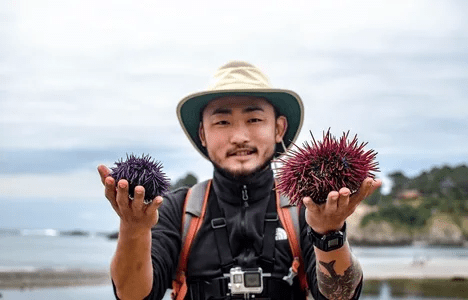
    Taku’s content frequently features coastal foraging adventures, where he showcases the art of turning raw, wild ingredients into exquisite Japanese cuisine. In this photograph, he was showing how foraging may help to control the blooming population of purple urchins that has caused a major issue to the kelp forest, causing damage to the marine ecosystem.

    As the appetite for content creation grew globally, the trend collided with the rapid emergence of popular lifestyle platforms like Xiaohongshu (Rednote). Two distinct architectural features of Rednote heavily contributed to the sudden explosion of this foraging trend across various countries.

    Firstly, the platform explicitly introduced a dedicated, top-tier “Nearby” tab alongside its traditional “Follow” and “Explore” feeds. This feature uses real-time geographic location data to drop user notes, pins, and guides directly onto interactive local maps, ensuring that highly localised trends are served straight to users in that exact geographical area.

    Secondly, the app’s entire culture is built upon zhòngcǎo (literally “planting grass”—the concept of enticing someone to try something new). “Planting grass,” or 种草, is a widely used term in Chinese social media that refers to the act of encouraging someone to want a particular product or service. This approach is considered a type of soft marketing, where users discuss their favourable experiences, reviews, and recommendations, thereby effectively “sowing the seeds” of desire in others’ minds. Consequently, creators receive significant rewards from the algorithm for producing useful, high-quality, step-by-step guides that specify the necessary tools, optimal low-tide timings, and exact destination locations.

    Consequently, the content shifted from passive wilderness entertainment into highly actionable weekend checklists. This unique digital architecture is what ultimately mobilised massive waves of local and international foragers to step away from their screens and physically descend onto the intertidal zones of countries like New Zealand and even Singapore.

    When Over-FoRaging Triggered Reactions

    Thinking back to my childhood in the 1980s, our weekend trips to Pasir Ris Beach were a treasured family ritual. Back then, the shoreline felt limitless, and our family of five often had the entire stretch of sand completely to ourselves as most children were playing at the playground area. I would spend hours gathering empty seashells, chasing sand-bubbler crabs as they darted across the wet sand, and scooping up well-camouflaged black eel-tail catfish from the dark sediment along the waterline. In those days, these small, innocent interactions with seashore life felt like a harmless rite of passage—a deeply personal connection to nature before the era of viral trends where unsustainable foraging changed the coastline forever.

    Recent news articles in New Zealand highlight a troubling trend where tour operators capitalise on the viral appeal of coastal foraging activities in popular locations. Some operators go as far as advertising their services with slogans like “Come to New Zealand for your free seafood buffet” (Source). This marketing strategy may have led to an overwhelming influx of tourists flocking to these areas during low tide, carrying buckets and excitedly harvesting marine life without proper guidance. Unfortunately, this surge in foraging often results in significant environmental damage, as the delicate ecosystems struggle to cope with the sudden, excessive extraction of resources. Many individuals, armed with tools and buckets, removed sea stars, sea cucumbers, barnacles, (hermit) crabs, anemones and other species, which will threaten the health of New Zealand’s coastal environments.
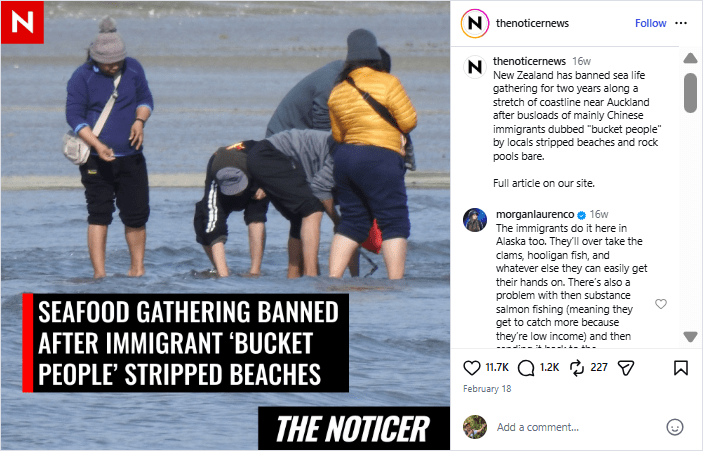
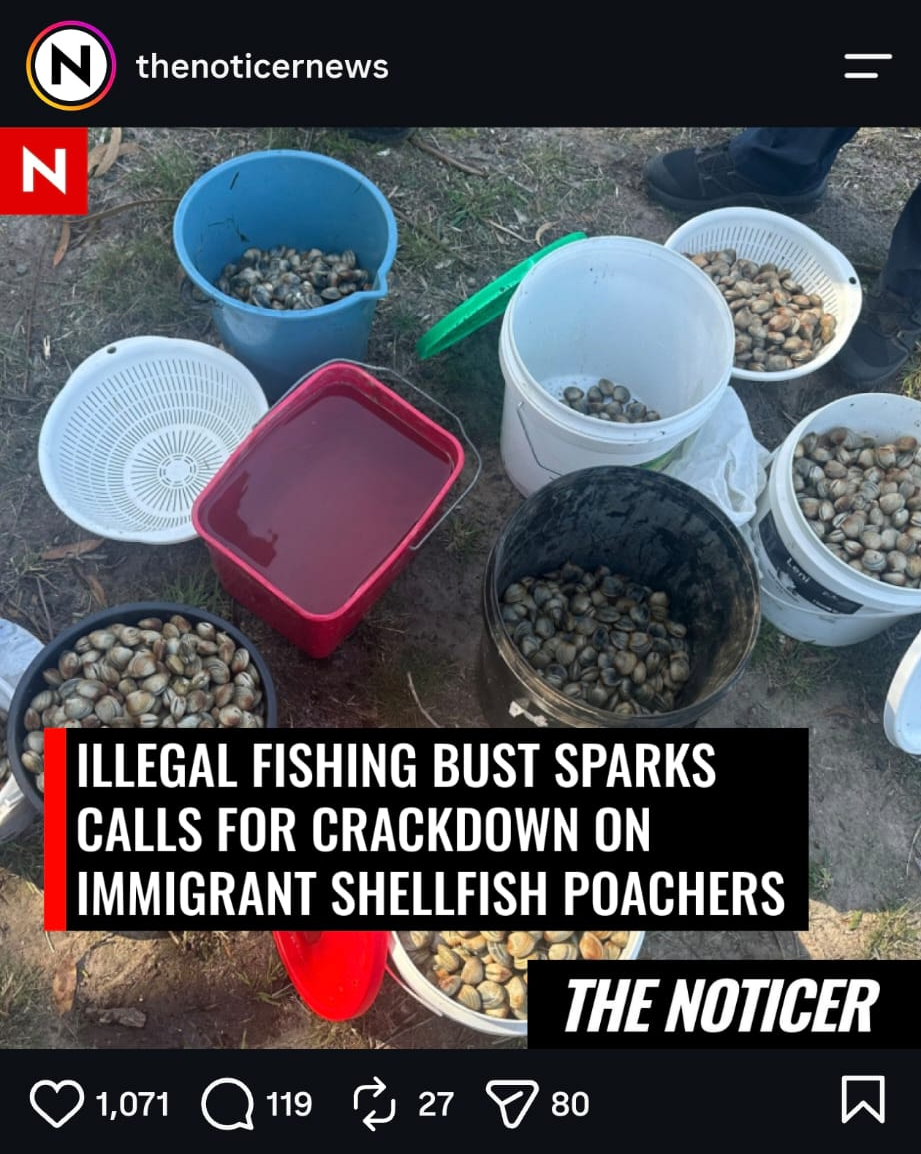
    The Noticer News seems to point refer to the bucket people as immigrants.
    Another article from the Noticer News – an Australian digital publication and social media platform.

    Councillor John Gillon has promptly reported the plans for interventions aimed at allowing the ecosystem of the rock pool to recover swiftly following its recent overharvesting (Source). This initiative not only highlights the importance of sustainable practices but also underscores the need for community education on the delicate balance of marine habitats. By implementing protective measures such as seasonal harvesting restrictions and habitat restoration, Gillon aims to ensure that future generations can enjoy the biodiversity that these rock pools provide.

    Responses from the Local Communities & Authorities

    Legally, individuals are permitted to gather up to 50 cockles each in the Auckland-Coromandel area, and the same limit applies to shellfish and other marine life typically found in rock pools. However, the law may need to change due to a significant rise in both the number of foragers and the frequency of their visits. Consequently, there is an ongoing review by the relevant authorities, which includes consultations with local communities. To make matters worse, some of these visitors are taking species that are not intended for consumption (Source).
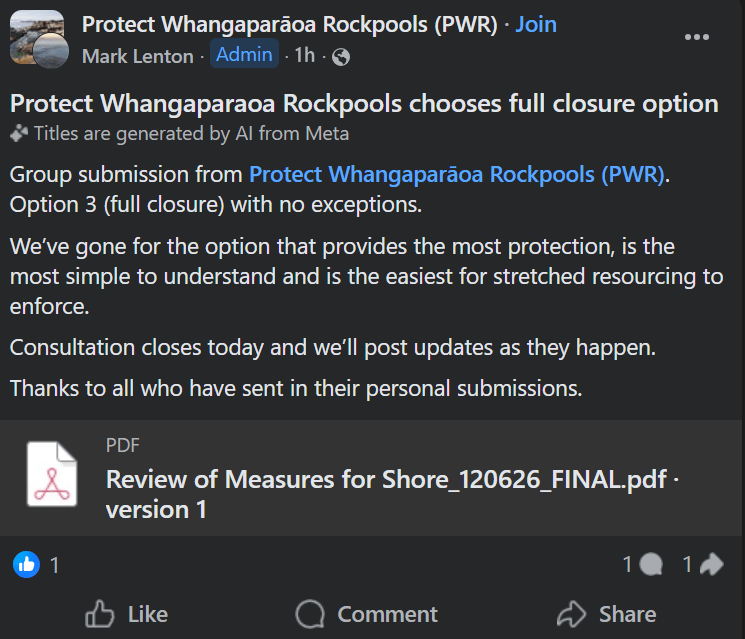
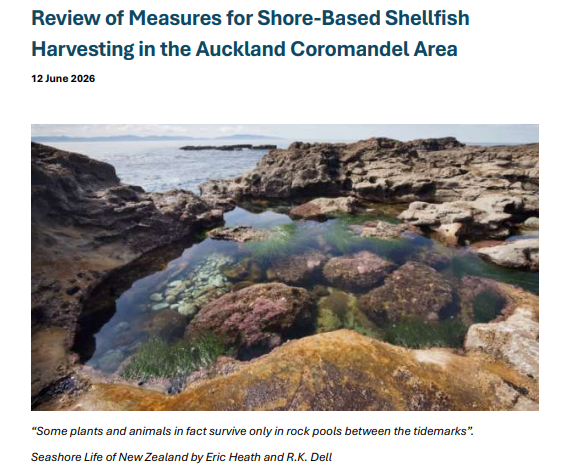
    From the Protect Whangaparāoa Rockpools (PWR) Facebook Group is that only set up in Jan 2026. This is a campaign group set up by a local resident, Mark Lenton.
    The document can be found here.

    Other than interventions from the authorities such as the Ngāti Manuhiri Settlement Trust, the local communities have created and distributed educational posters to help raise awareness in peaceful manners.
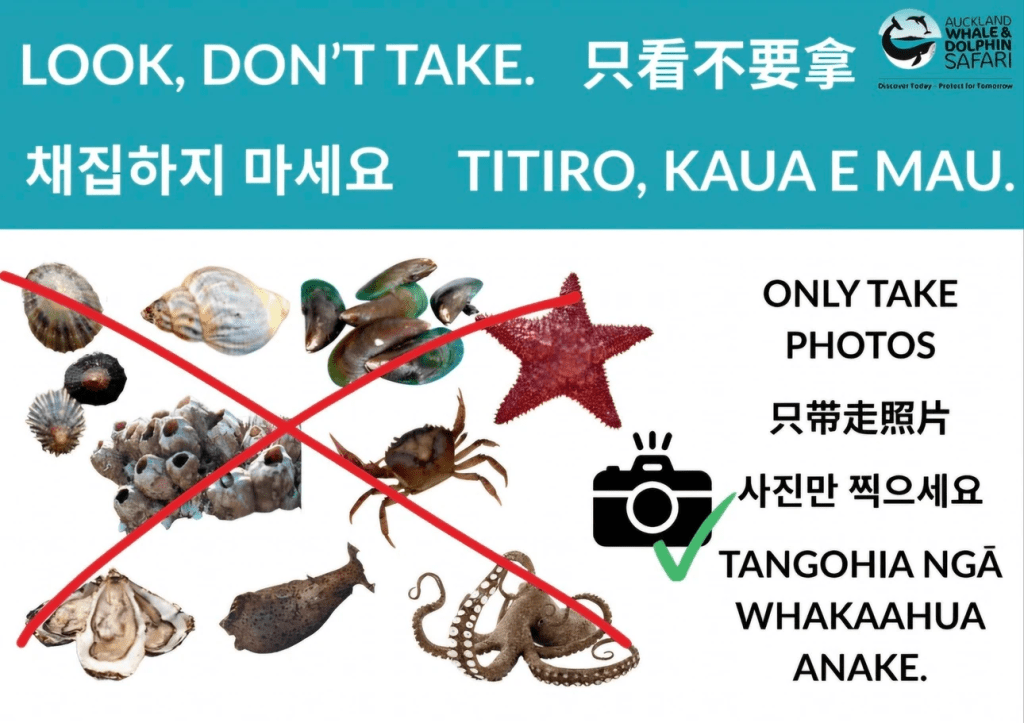
    (Source) An example of a visual reminder created by the locals to remind others not to forage at the beach

    Local teachers have begun to bring these issues into the classroom, using them as invaluable teachable moments to educate their students about the concept of “Look, Don’t Touch!” in relation to their local biodiversity.
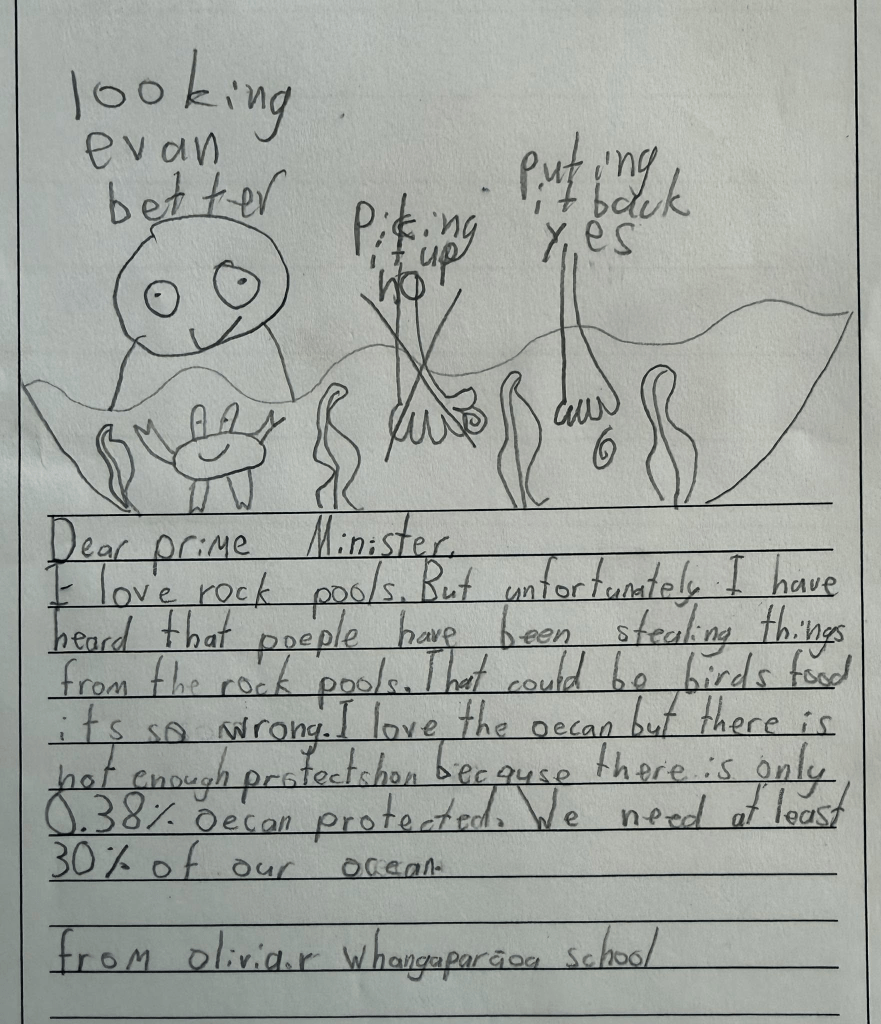
    Source: A teacher got her students to write letters to the prime minister about protecting our ocean. They are going to be presented to him by Young Ocean Explorers in June with thousands of other letters from young people around Aotearoa.

    Volunteer organisations and nearby schools have stepped up to conduct biodiversity surveys, observing significantly fewer species in heavily exploited regions compared to untouched locations.

    In January, a peaceful crowd of roughly 500 residents gathered at Army Bay on the Whangaparaoa Peninsula, uniting to voice their concerns over visible ecological damage to the area. PWR organiser Mark Lenton spoke at the event.

    “We represent Whangaparāoa, and we are at Army Bay because it is one of the most impacted beaches, but this is a national problem. Every day I have people from across New Zealand asking me for help. They are similarly impacted, but they don’t know what to do. Today is a blueprint for the rest of New Zealand to make a stand and to send a message that stripping our coastline is not the Kiwi way.”

    “We’re sending two clear messages today,” Lenton said. “We need the government to protect our coastline. Secondly, we want the gatherers to respect our land, to respect our coast, and to respect New Zealand.” (Source)
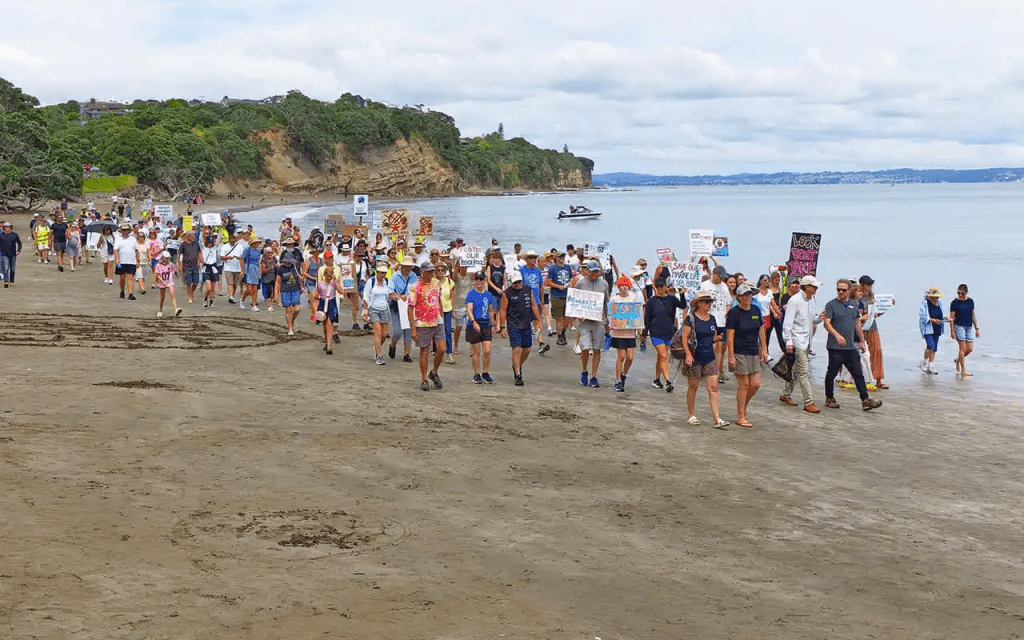
    A peaceful demonstration walk along the beach in Jan 2026
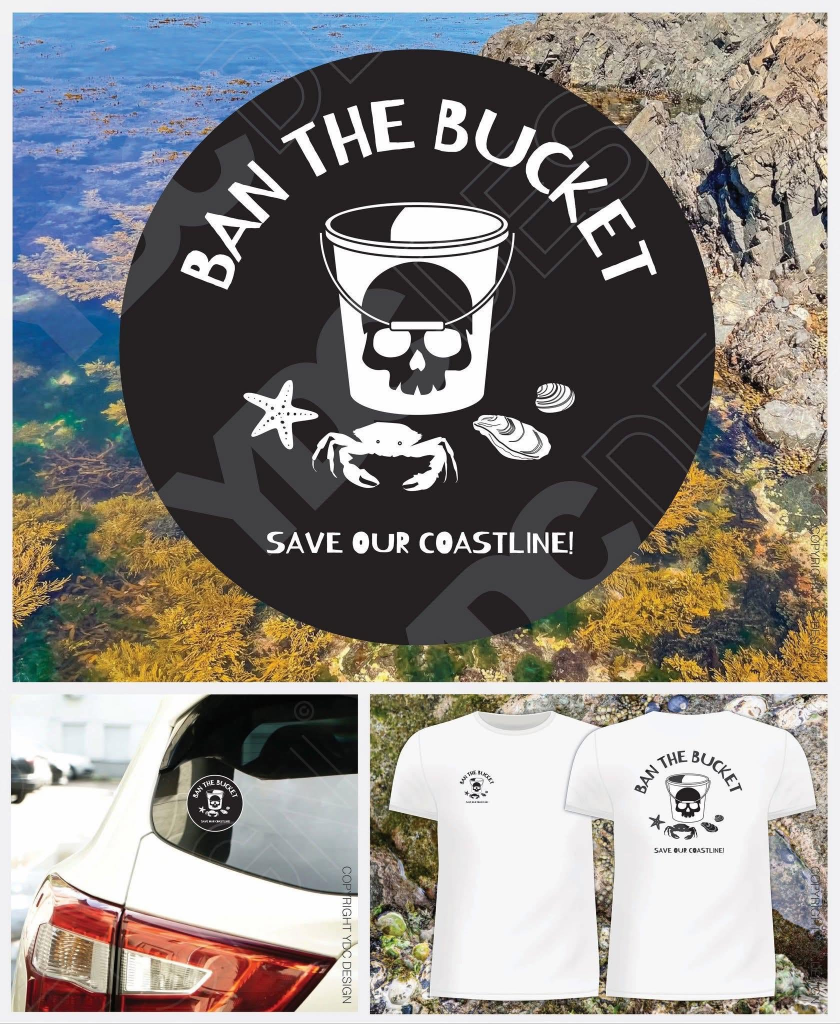
    Merchandise was also designed to foster solidarity towards the cause and raise awareness.

    While ploughing through Facebook responses and news articles, New Zealanders are sensitive to the fact that this community response may unintentionally give rise to xenophobia or racism. Therefore, even in the campaign Facebook group, one of the rules explicitly opposes racial prejudice. The replies to the posts have also remained civil and considerate.
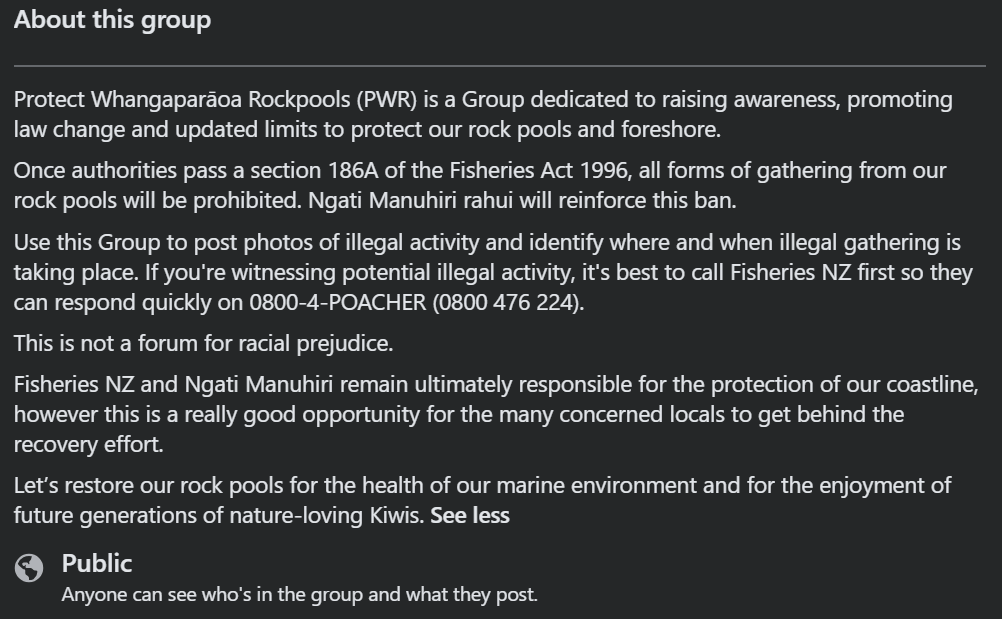
    The group’s moderators must have done an excellent job of ensuring that conversations about environmental protection do not devolve into racial prejudice.

    However, rather than focusing on environmental conservation, certain alternative news platforms, talkback radio segments, and social media comment sections have steered the conversation towards border tightening by overemphasizing the ethnic backgrounds of the gatherers. This shift in narrative has introduced a level of discomfort to the debate, with opinion pieces and community forums frequently using highly charged terms like “poachers” or “resource thieves.” By framing the issue through a lens of cultural friction and criminality, this aggressive rhetoric obscures the true root of the problem: a digital algorithm designed to turn a fragile, finite ecosystem into a viral to-do list, as well as the lack of educational content on such social media platforms.

    Lessons for Singapore’s Nature Enthusiasts and Authorities

    The intersection of algorithmic trends and physical ecological disruption offers a critical case study for a highly urbanised, digitally connected nation like Singapore. As fragile intertidal zones like Changi Beach and Pasir Ris face the pressures of viral “Catch & Cook” or foraging movements, both local nature enthusiasts and state authorities must evolve their approach to coastal management.
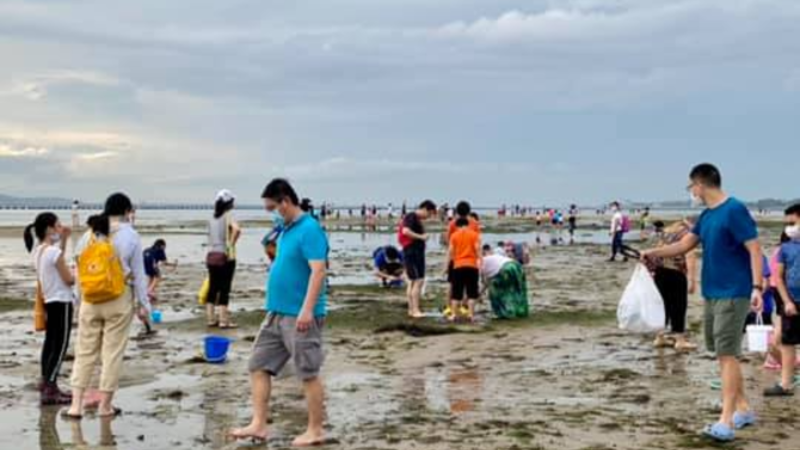
    People using tongs, plastic bags and buckets to dig up wildlife such as crabs and clams at Changi Beach during a low-tide day. Photo: Daphne Ting/Facebook

    In fact, invertebrates aren’t fully protected here: under Singapore’s Wildlife Act, common intertidal invertebrates—such as most crabs, clams, and snails—do not automatically fall under the protected “wildlife” definition for public spaces. This contrasts with protected areas like Labrador Nature Reserve (the rocky shore) and Chek Jawa (in Pulau Ubin), making interventions trickier.

    Foraging Not Equal to Bad Behaviours

    First of all, it’s crucial to recognise that shore foraging isn’t inherently bad behaviour. In Singapore, as mentioned earlier, it is entirely legal outside of protected areas, making it a wonderful, healthy hobby—provided we don’t exceed the ecosystem’s carrying capacity. Local creators, like the AJVM Fishing Channel on YouTube, even document their own shellfish foraging adventures on Pulau Ubin (Source).
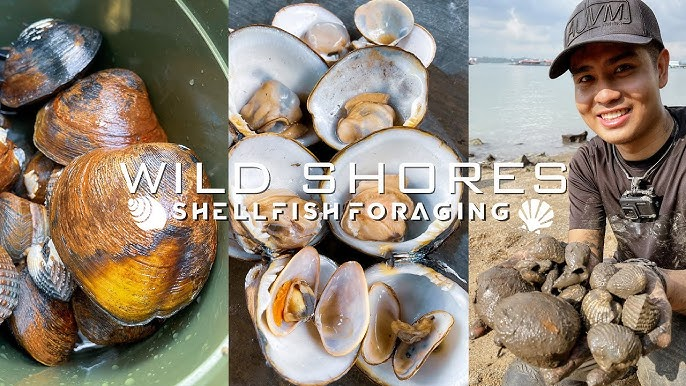
    AJVM Fishing Channel featuring him and his friends foraging for Lokan’s (Big Clams, Polymesoda expansa).

    Historically, foraging has been part and parcel of daily life, even in highly urbanised Singapore. The golden rule here is simple: “Don’t need it, don’t do it lah.” Mr. Firdaus Sani, the founder of Orang Laut SG, has spoken out against a blanket ban on foraging. As he rightly points out, there are still indigenous and coastal communities in Singapore who have carried on the culture and traditions of foraging for generations. For these communities, it isn’t a hobby or a trend—it is a way of life. (Source)

    Ultimately, the conversation around foraging isn’t about restriction (unless necessary to restore the ecosystem balance); In my opinion, it is about mindfulness, respect, and ecological awareness.

    Fight the Algorithm on Its Own Turf

    Public education must meet the public where they actually congregate. It is no longer enough to rely on static advisory signs at beach entry points or traditional media releases. Since platforms like Xiaohongshu (Rednote) drive the physical influx of foragers through highly targeted, location-based mapping, conservation campaigns must adopt the exact same digital strategies.

    Authorities like the National Parks Board (NParks), along with environmental groups and individual nature enthusiasts who serve as influencers, should actively create content on lifestyle apps. By utilising the “Nearby” interface to offer high-utility, step-by-step guides on marine fragility and local catch laws, conservationists can effectively intercept users’ search intents. For instance, if a user searches for a local low-tide spot, the top indexed result should be a creative and engaging guide that explains how removing marine life disrupts our local ecosystem.

    Grassroots Community Rallying

    While organised physical demonstrations remain illegal under Singapore’s Public Order Act, the community can still rally effectively through coordinated and civic-minded educational movements. We can take inspiration from local science educators like Biogirl MJ (from Just Keep Thinking), who consistently uses her platform to remind the public that living intertidal creatures are not free souvenirs or ingredients, but vital components of our marine heritage. In fact, on many occasions, she has approached members of the public to educate them when she observes them bringing back wildlife from the intertidal zones.

    This form of digital and on-site stewardship provides a powerful blueprint for the wider community. By volunteering as gentle, on-the-ground educators during low-tide weekends, enthusiasts can foster a culture of collective responsibility. Cultivating this mindset ensures that our younger generation grows up viewing the coastline as a sanctuary to protect, rather than a resource to harvest.

    De-escalating the Narrative

    Finally, a critical lesson must be learned regarding the language used to discuss these ecological challenges. Both official news outlets and alternative media platforms bear a heavy responsibility to ensure that conservation debates do not devolve into cultural or racial friction. When commentary overemphasises the demographics of foragers or uses highly xenophobic labels, it shifts valuable energy away from the actual issue.

    Environmental degradation does not discriminate by nationality, and framing it as a migrant or border issue only creates social division. To truly safeguard Singapore’s vulnerable shores, the narrative must remain firmly anchored to a shared, inclusive goal: the sustainable preservation of our common natural spaces. Only by looking past the distraction of identity and focusing on systemic digital education can we ensure our fragile marine ecosystems survive the viral age.
  • My Maiden Intertidal Walk

    My Maiden Intertidal Walk

    My Childhood Memory of the Seashore Life

    My fascination with seashore creatures began in my childhood, rooted in frequent visits to Pasir Ris beach with my father in the 1980s and 1990s. His mother and sister lived nearby, giving us the perfect excuse to explore this coastal haven.

    Those trips left indelible memories:

    • The elusive mudskippers, tiny and impossibly quick, always evading our grasp
    • Baby squids, their defense mechanism on full display as they turned white after expelling their ink (a stress response to our curious prodding)
    • Black Eeltail catfish (Plotosus canius), camouflaged among the ‘sea litter’ – dried leaves, seaweed and even rubbish, waiting to be discovered. Dad warned us against the venomous spines.
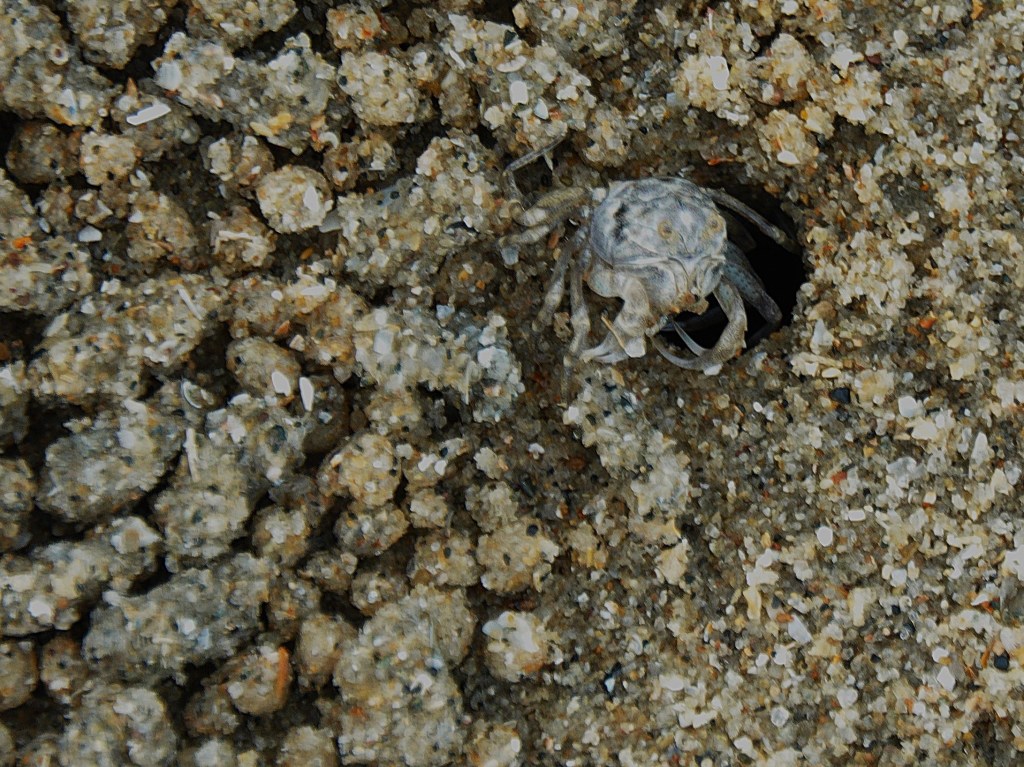
    • The harmless Sand Bubbler Crabs (Scopimera and Dotilla spp.), which left holes on the sandy beaches.
    A Sand Bubbler Crab filtering for food from the balls of sand.

    Armed with the beloved $5 guidebook – “A Guide to Seashore Life” published by the Singapore Science Centre – I embarked on a journey of discovery. This pocket-sized treasure trove became my trusted companion, helping me decipher the identities of various sea creatures.

    In those carefree days, our curiosity often led us to capture fascinating marine creatures and bring them home. Sadly, most perished within days, with only the hardy catfish surviving for months. Looking back with regret, it’s striking how different our mindset and approach were then:

    • Wildlife conservation wasn’t yet a widespread concept
    • Our interactions with nature were driven primarily by personal curiosity and fun
    • We didn’t fully grasp the impact of removing creatures from their natural habitats

    This reflection serves as a poignant reminder of how our understanding and relationship with nature have evolved. While those experiences sparked a lifelong interest in marine life, they also highlight the importance of conservation and responsible interaction with ecosystems.

    A Return to the Shore: Guided Intertidal Walk at Changi Beach

    Fast forward to last week, and I found myself embarking on my first guided intertidal walk. Organised by “Just Keep Thinking” and led by the renowned MJ Biogal, this excursion took place at Changi Beach, right beside the Ferry Terminal to Pulau Tekong. Arriving early, my friend and I seized the opportunity for some impromptu bird watching. We spotted White-Bellied Sea Eagles, Long-Tailed Parakeets, and Collared Kingfishers, along with the Common Mynas, Javan Mynas and House Crows.

    White-Bellied Sea Eagle (Icthyophaga leucogaster) Clutches a Catfish in its Talons
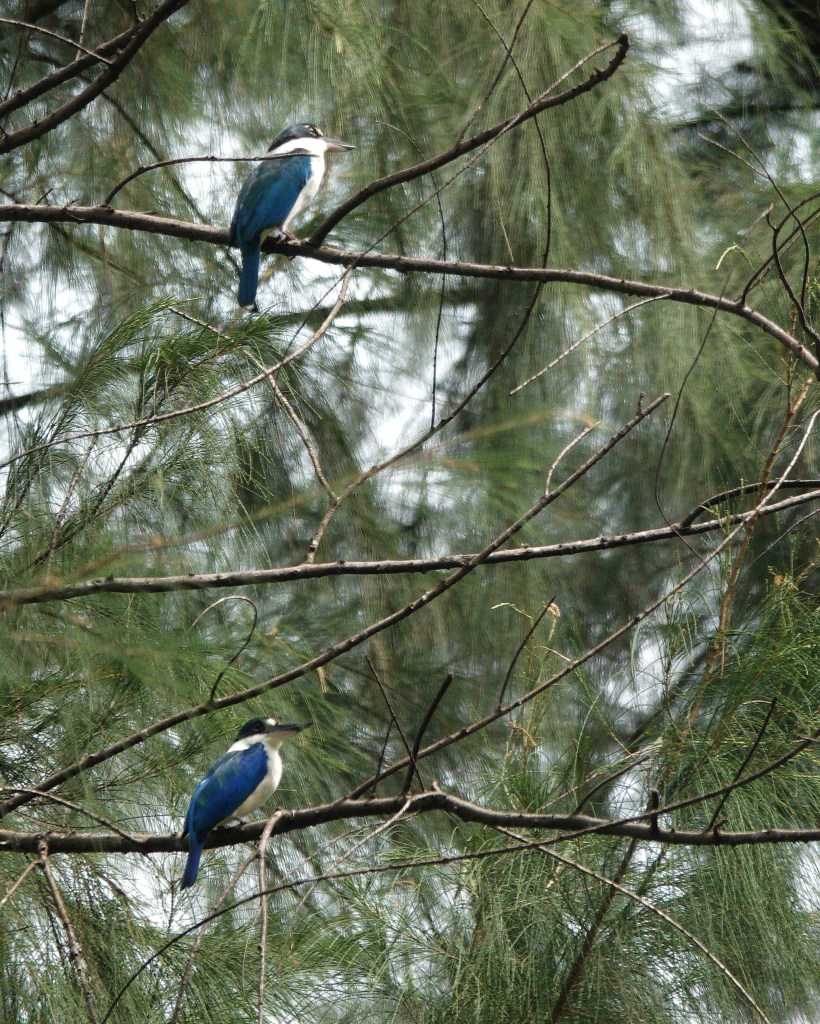
    A pair of collared kingfishers (Todiramphus chloris) perched on the Casuarina tree (Casuarina equisetifolia)

    MJ Biogal, our guide, proved to be a passionate advocate for environmental conservation, truly walking the talk. Her approach to the intertidal walk was a stark contrast to my childhood experiences. She enforced firm guidelines, prohibiting the digging out of creatures and touching, especially venomous species like fire worms and bristle worms. Throughout the walk, MJ actively educated the public, reminding other beachgoers to leave creatures undisturbed.

    MJ Biogal with one of her fans.

    During the Covid-19 pandemic in 2021, MJ raised awareness about the mistreatment of marine life, notably calling out those skewering through Sand Dollars (Clypeasteroida), like meat chunks on a satay stick, killing them right in front of her eyes. It was a powerful reminder of the need to balance our curiosity with respect for marine life and their habitats and there is a lot more to be done to educate the public.

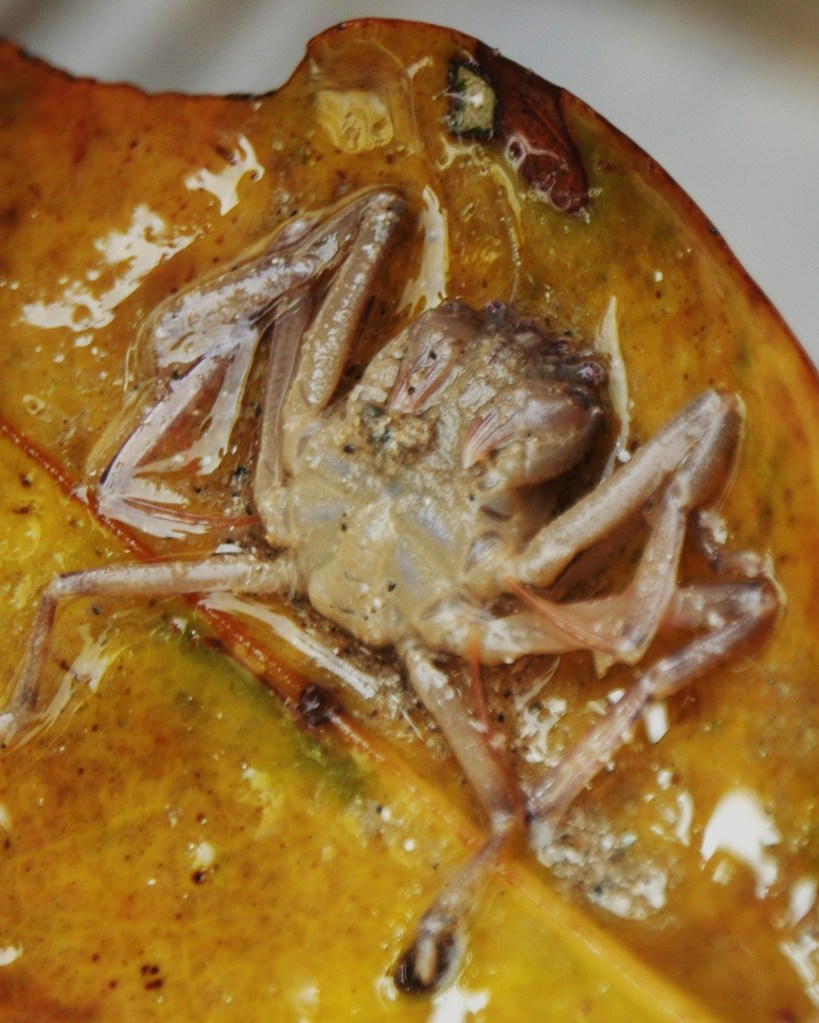
    During our guided walk, our group of 36 was divided into smaller clusters, each led by an experienced guide. I found myself in a group led by Jerryl, an avid diver with aspirations of becoming a marine biologist. Our exploration began with a molted flower crab shell. When a young boy in our group mistook it for a dead crab, Jerryl seized the opportunity for an impromptu learning session.

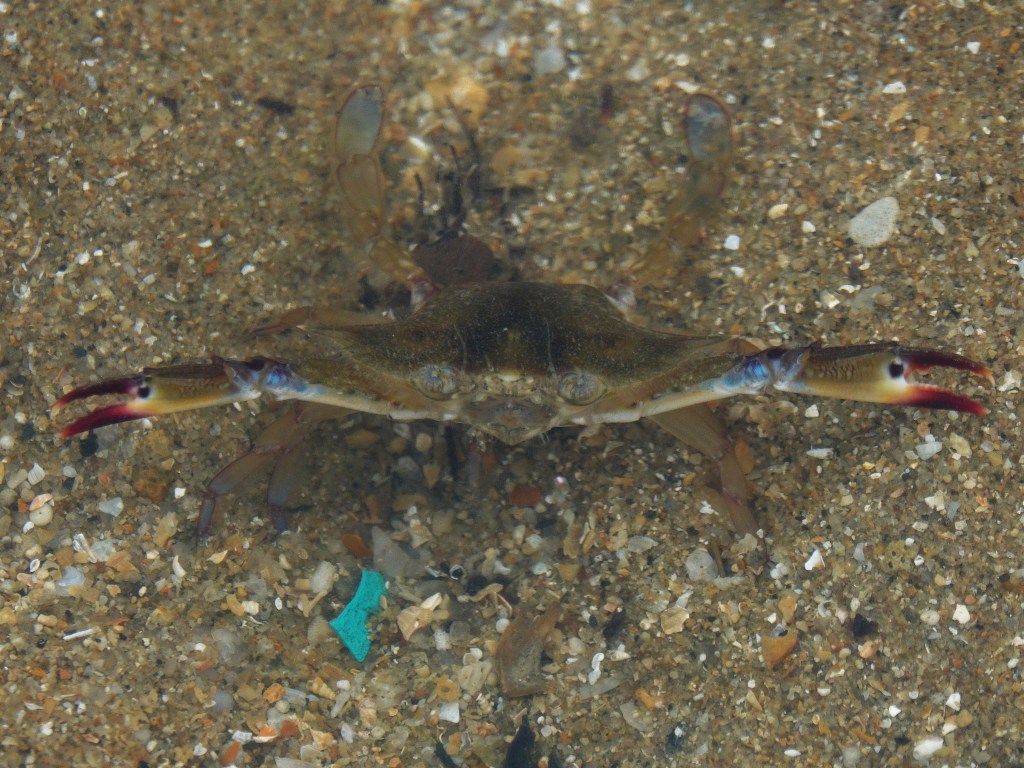
    Defensive Dance: A Flower Crab (Portunus pelagicus) Raises Its Claws in a Bold Stand-off

    Using engaging questioning techniques, Jerryl sparked curiosity among the group, particularly exciting two enthusiastic boys. “What are the tell-tale signs that this isn’t a dead crab?” he asked, encouraging critical thinking and observation. This interactive approach not only corrected misconceptions but also kindled a deeper interest in marine life among the participants.

    As we gathered around, Jerryl revealed the fascinating details that distinguish a molted shell from a dead crab:

    The Missing Eyes: In a freshly dead crab, the eyes are still visible. However, on a molted shell, you won’t find any eyes. This absence is a clear sign that what we’re looking at is just the discarded outer layer of the crab.

    The Gap: A key indicator is the noticeable gap between the molt. This separation occurs as the crab sheds its old exoskeleton to grow.

    Tidal Retreat: Anemone’s Tentacles Withdraw as Waters Recede

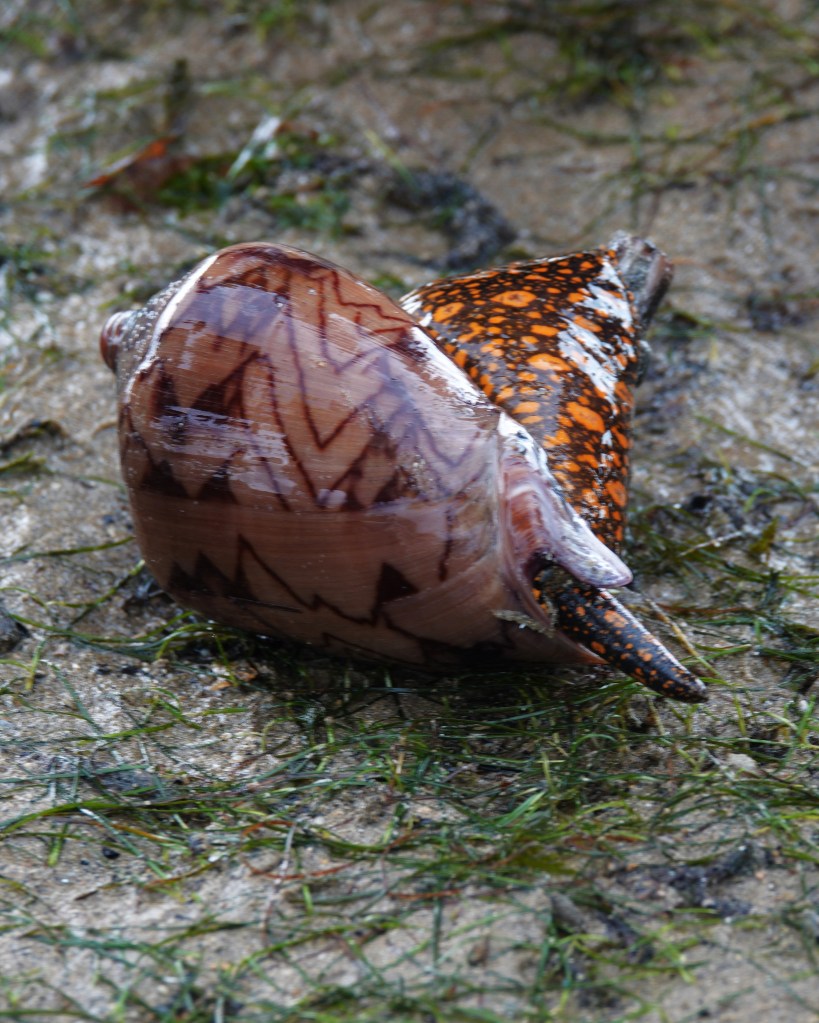
    Our first ‘wow’ moment arrived with the discovery of a large hermit crab, snugly ensconced in the shell of a Noble Volute (Cymbiola nobilis). The sight initially sent a jolt of excitement through me, as I mistook the shell for that of the venomous cone snail, infamous for its harpoon-like shooting mechanism. Moments later, another guide brought us a live Noble Volute! It was the prettiest thing I have seen that day. This is a large carnivorous snail that used to be hunted for its beautiful shell and even its edible flesh.

    The colours and patterns on the Noble Volute change daily due to the pigment cells constantly infecting its neighbouring cells

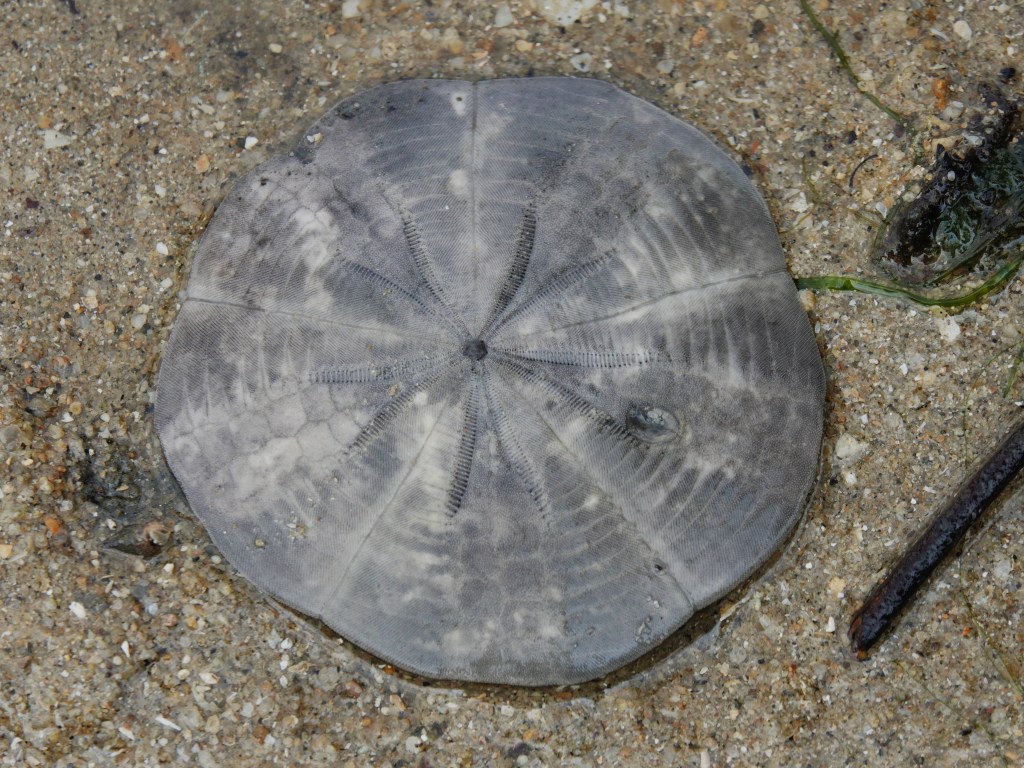
    Our exploration led us to a fascinating discovery: Cake Sand Dollars (Arachnoides placenta). It was hard to believe these peculiar discs were living animals. Jerryl, our knowledgeable guide, turned this find into an engaging guessing game, challenging us to identify the top and bottom sides of these flat, clayey-looking creatures.

    After a few attempts, Jerryl revealed the secret: the top side typically displays a subtle ‘flower pattern’ and is slightly convex, while the bottom side prominently showcases the pentaradial symmetry characteristic of most echinoderms (a group including sea cucumbers, sea stars, and sea urchins).

    Jerryl’s sharing sparked my curiosity, leading me to further research. I learnt that the sand dollar’s unique disc-like shape is an evolutionary adaptation, optimised for efficiently consuming detritus on the ocean floor. It has tube feet on both surfaces to help breathe, navigate and feed.

    Anatomy Unveiled: The middle hole is its central mouth on its underside (oral side). Guess where is its anus? It is right at the 10-11’o clock position near the edge.
    The top side (also known as the petaloid) with the flower petal pattern.

    Written by Lucas

    Midway through our guided tour, a heavy downpour forced us to seek shelter, despite the absence of lightning risk. We prioritised the well-being of the many young children in our group, not wanting them to catch a cold. Fortunately, it was merely a passing shower, and as we resumed our walk around the intertidal zone, we were greeted with a beautiful rainbow as our backdrop. This natural spectacle added an extra layer of wonder to our already fascinating excursion.

    Police boat patrolling between Pulau Tekong and Changi against the colourful backdrop.

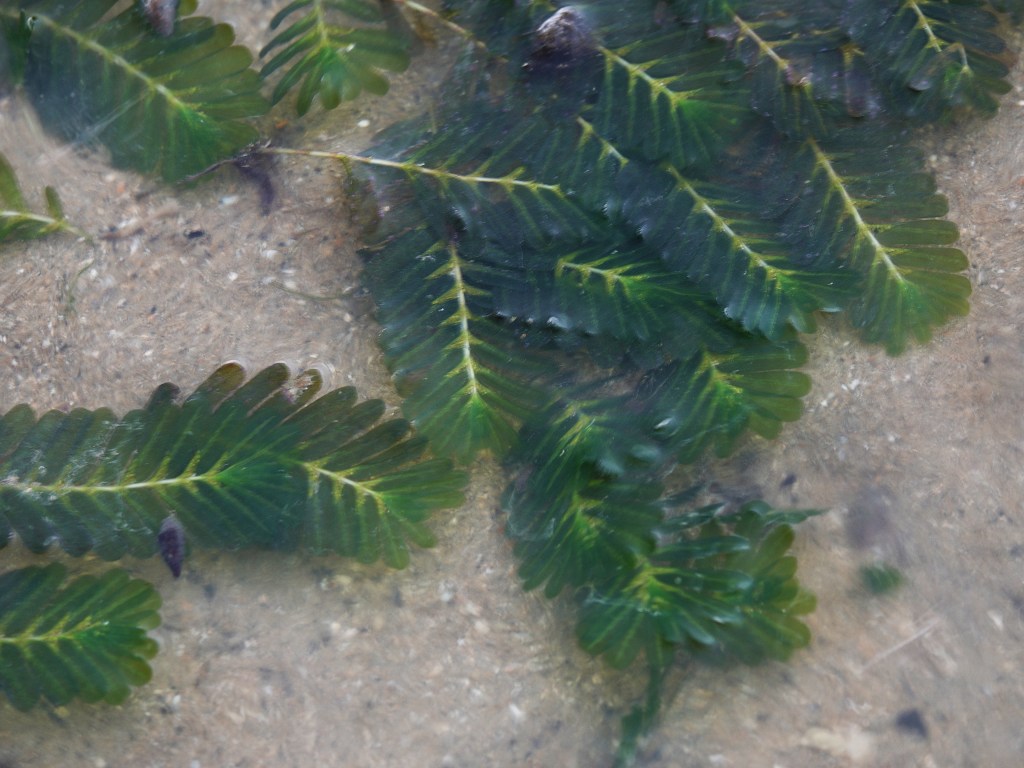
    As a plant enthusiast, I found myself drawn to the seagrasses, particularly a species resembling a cross between mimosa and fern – aptly named fern seagrass (Halophila spinulosa). Unlike seaweed, these are true flowering plants that produce fruits. They form a crucial ecosystem, serving as the primary habitat and food source for dugongs. I look forward to capturing photographs of these fascinating plants’ various features during my next solo intertidal walk.

    Fern seagrass with snails grazing on it.

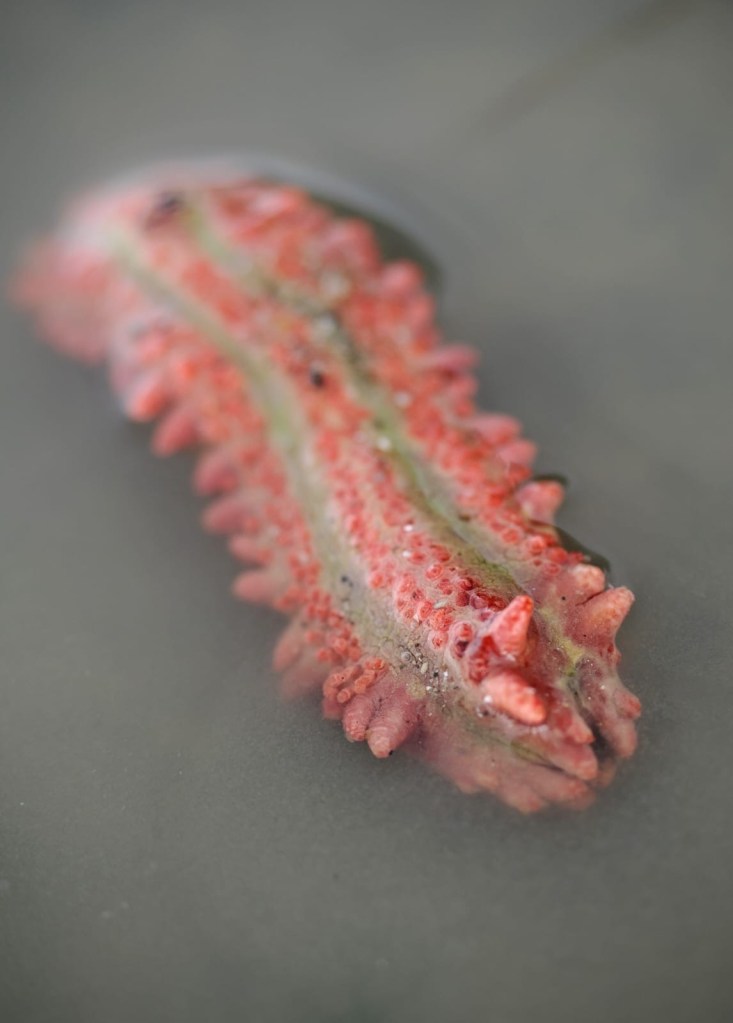
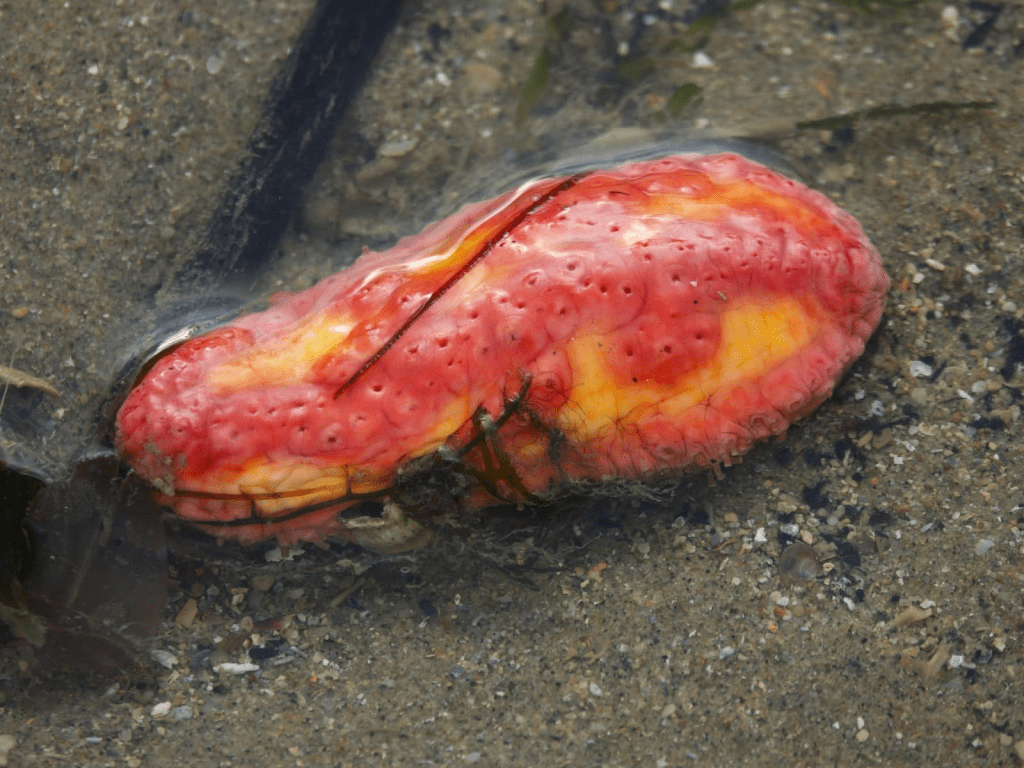
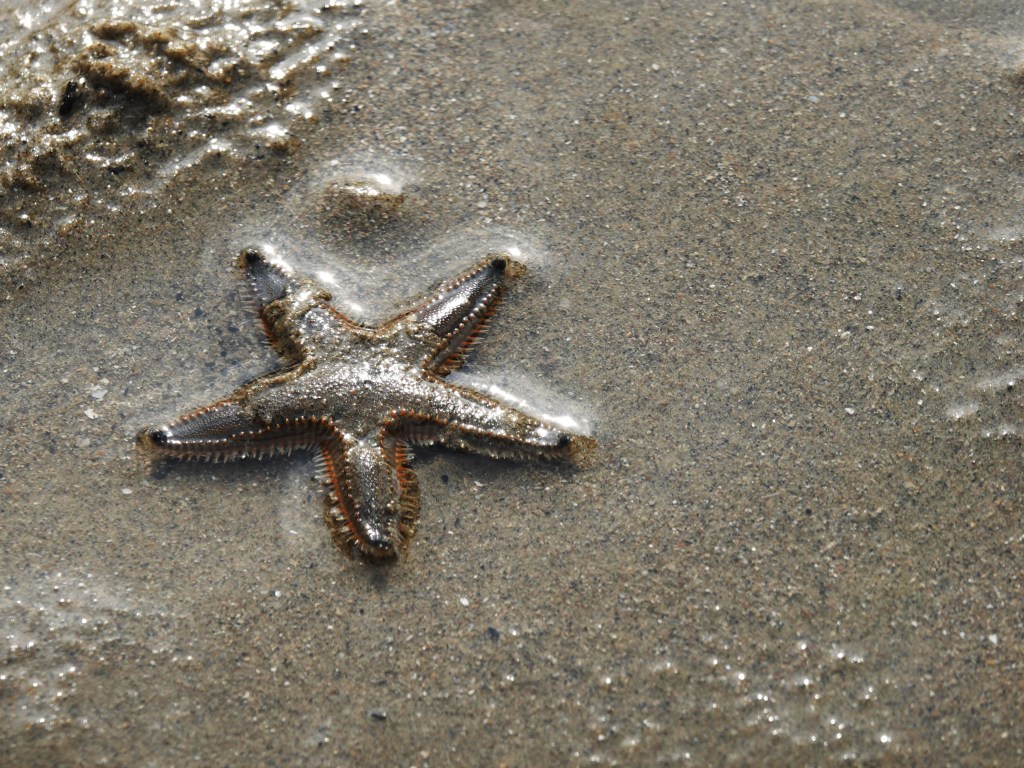
    Our exploration revealed three more fascinating creatures exhibiting pentaradial symmetry: the thorny sea cucumber (Colochirus quadrangularis), the pink warty sea cucumber (Cercodemas anceps), and the plain sand star (Astropecten indicus). Both sea cucumber species display a remarkable feeding process, extending their vibrant tentacles from one end while expelling waste from their anus at the opposite end. In stark contrast, the sand star’s muted appearance likely aids in camouflage. This intriguing difference sparked curiosity about how the more flamboyant sea cucumbers manage to conceal themselves in this dynamic environment. Hmm… By aposematism?

    Thorny Sea Cucumber Often Mistaken for Its Pink Warty Cousin
    Pink Warty Sea Cucumber with its psychedelic looks
    In contrast, the plain looking Plain Sea Star

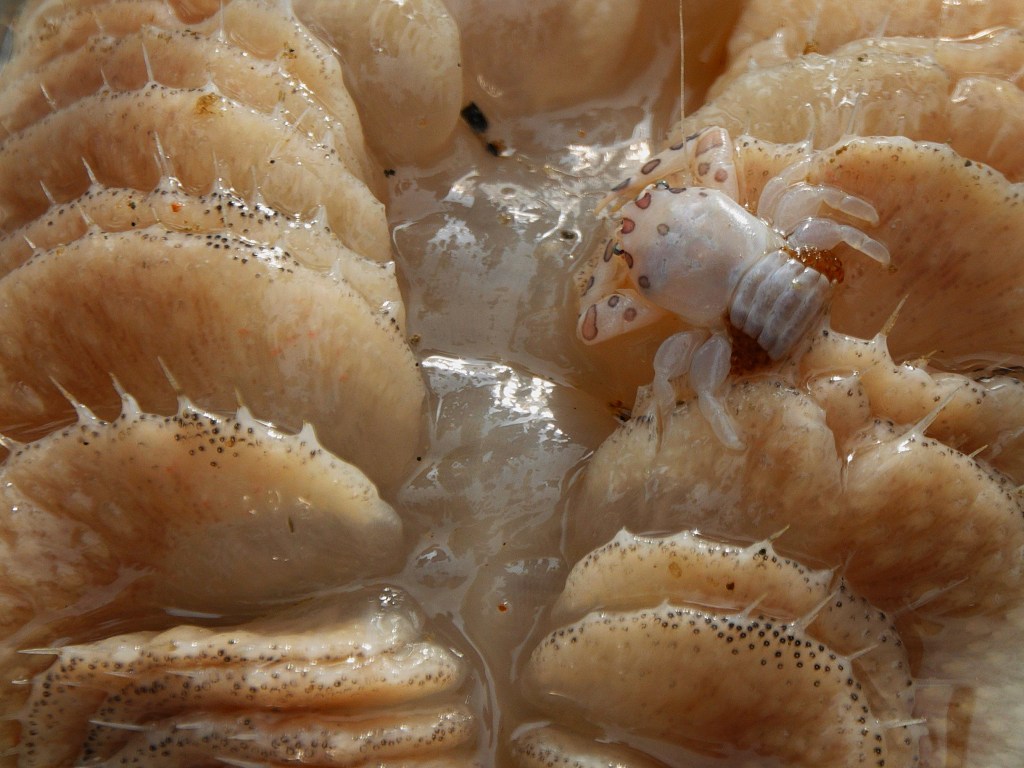
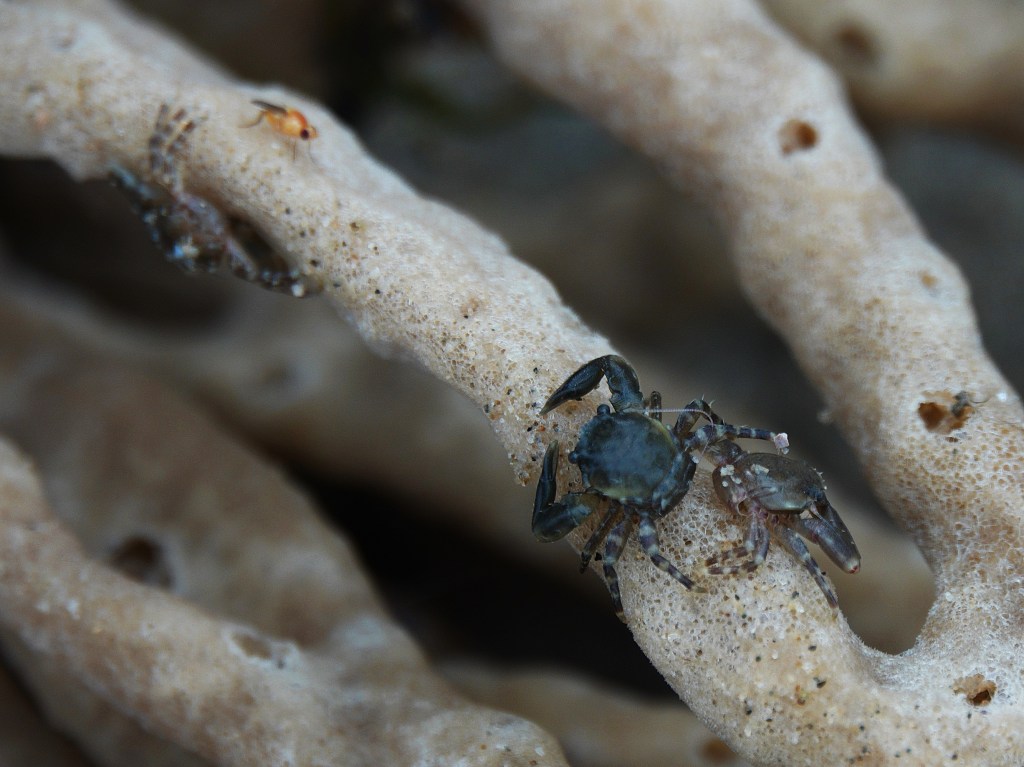
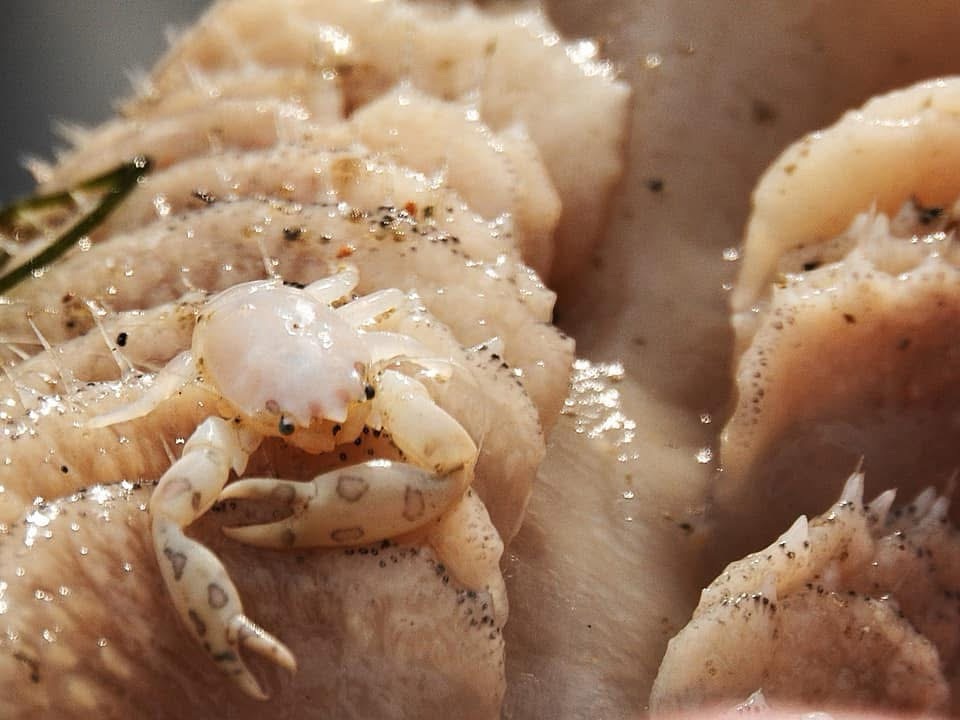
    Living organisms like sea pens and sea sponges serve as vibrant habitats for a diverse array of marine life. One of our guides made an exciting discovery: a Spiky Sea Pen hosting two Painted Porcelain Crabs (one of which is carrying a load of eggs), showcasing the intricate relationships within these miniature ecosystems. We also had the opportunity to examine what appeared to be a lifeless sea sponge, yet it was teeming with life, including a brittle star, snails and several tiny crabs. These encounters highlighted the complex interdependencies within marine communities and the importance of seemingly simple organisms in supporting biodiversity.

    A female Painted Porcelain Crab on a Spiky Sea Pen.
    Unidentified tiny crabs on the sea sponge.

    One of the most peculiar crustaceans I encountered, which evoked memories from the seashore life guidebook, was the Leaf Porter Crab (Family Dorippidae). This fascinating creature appears remarkably flat, including its pincers and legs. What makes it truly intriguing is its adaptive behavior: at night, it perches atop floating leaves, taking advantage of the darkness to evade predators from above. During daylight hours, it cleverly conceals itself beneath these same floating leaves, demonstrating a remarkable survival strategy in its marine habitat.

    “I surrender!” – This particular image appears to depict someone cornered against a wall.

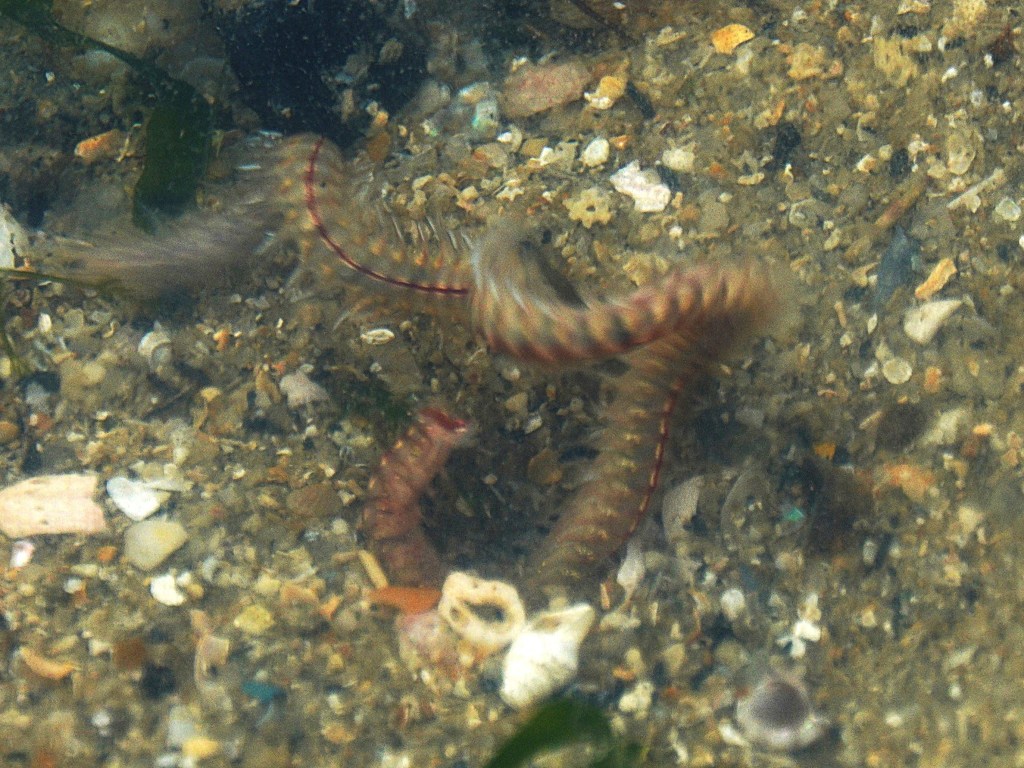
    During our exploration, a participant noticed a worm-like creature in a small tidepool, prompting our guide to issue a stern warning against touching any such organisms. Although the guide didn’t identify the species, it bore a striking resemblance to a bristle worm. While this particular specimen appeared to have been decapitated, bristle worms are renowned for their remarkable regenerative abilities, often capable of regrowing body parts lost to predators – including, astonishingly, their heads!

    Bristle worms are traditionally used as bait for fishing.

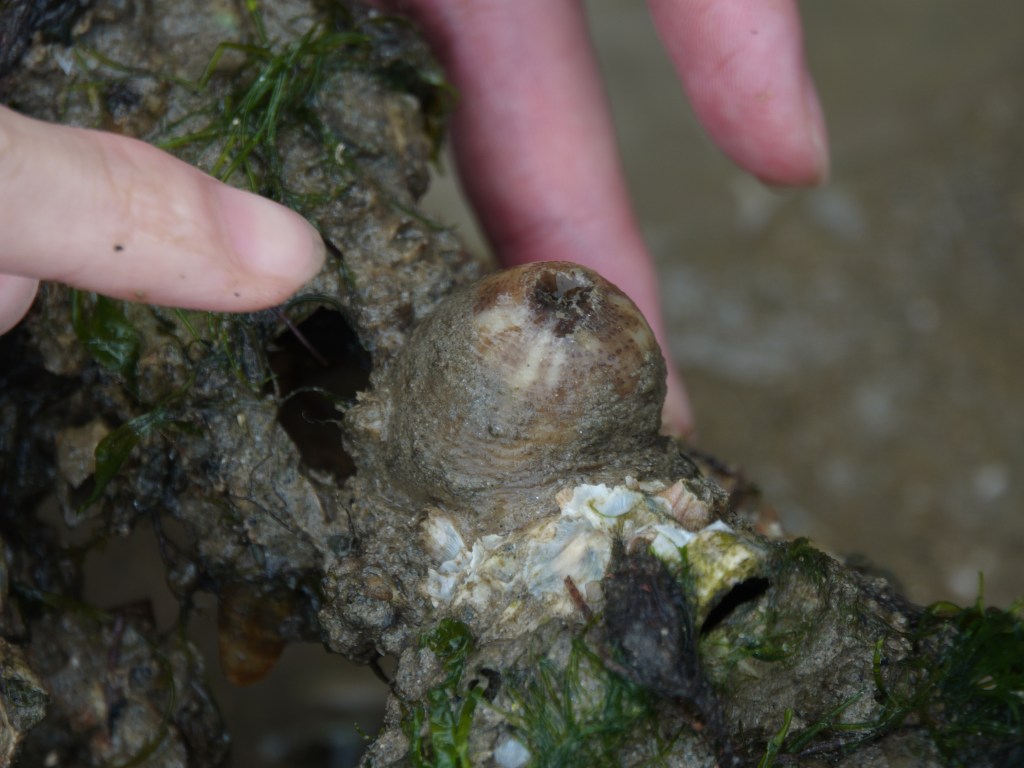
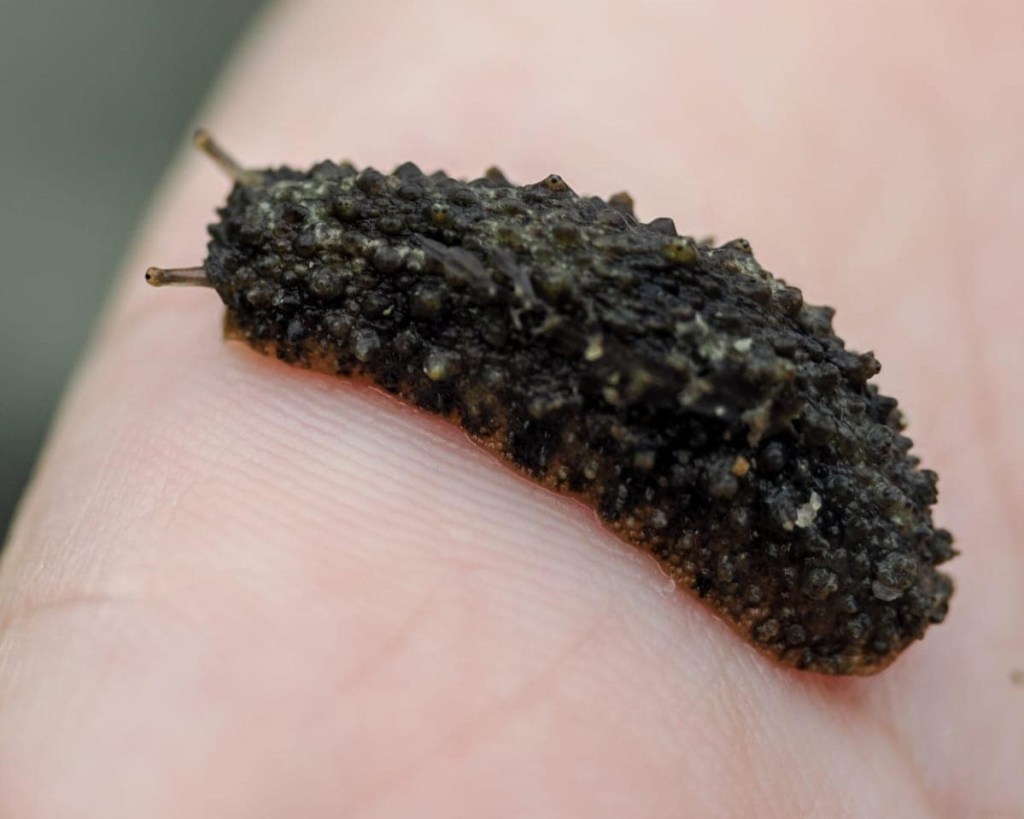
    As we approached the canal area where our drainage system discharges, we encountered a vibrant ecosystem thriving on the walls. Algae, barnacles, and periwinkle snails adorned both sides. Jerryl, our guide, picked up some small black objects and offered to place them on our palms. Initially mistaking them for limpets, I was surprised to learn they were Onch Slugs (Family Onchidiidae), grazing on the algae. As one rested on my palm, it began leaving a trail of mucus and excrement while observing me with its distinctive elongated eyes, providing an unexpectedly intimate encounter with these fascinating intertidal creatures.

    Onch slugs that breathe air unlike nudibranch (sea slugs)

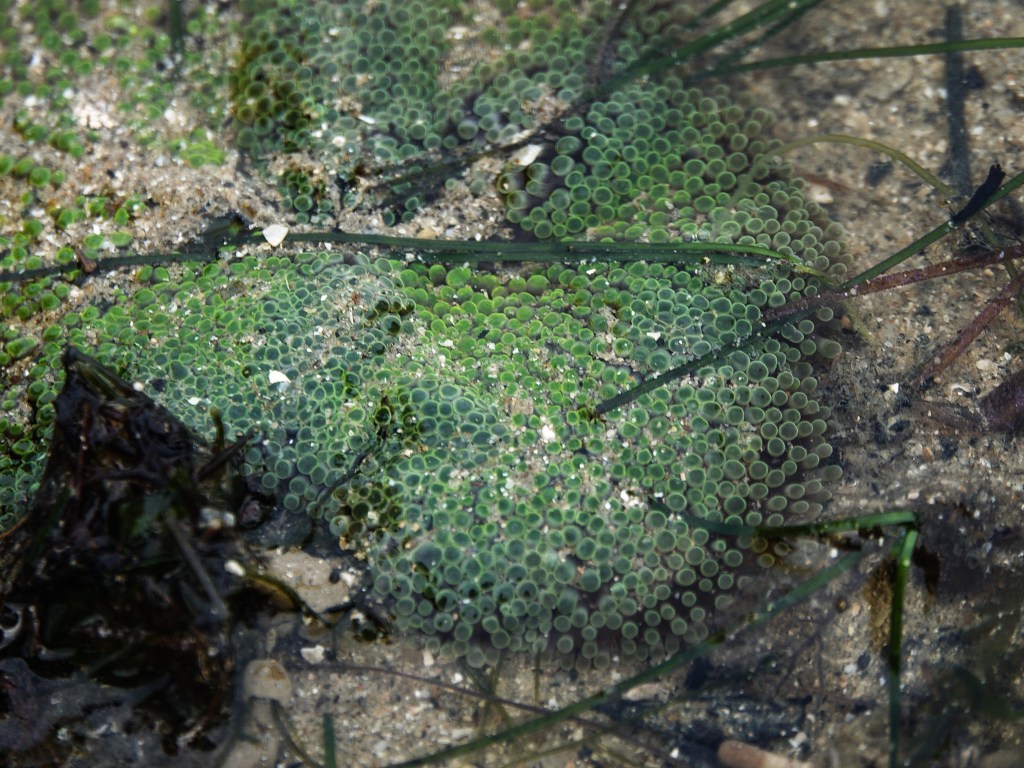
    As our guided walk neared its conclusion, we encountered a stunning carpet anemone, its vibrant green hue catching our eyes. Jerryl, our knowledgeable guide, encouraged us to gently touch its stinging tentacles, explaining that the subtle suction we felt was due to a small amount of toxin being released onto our skin. This fascinating experience piqued my curiosity about the various types of carpet anemones and the miniature marine life that might be dwelling among their tentacles.

    Apparently, a specific type of carpet anemone may have different kinds of colours

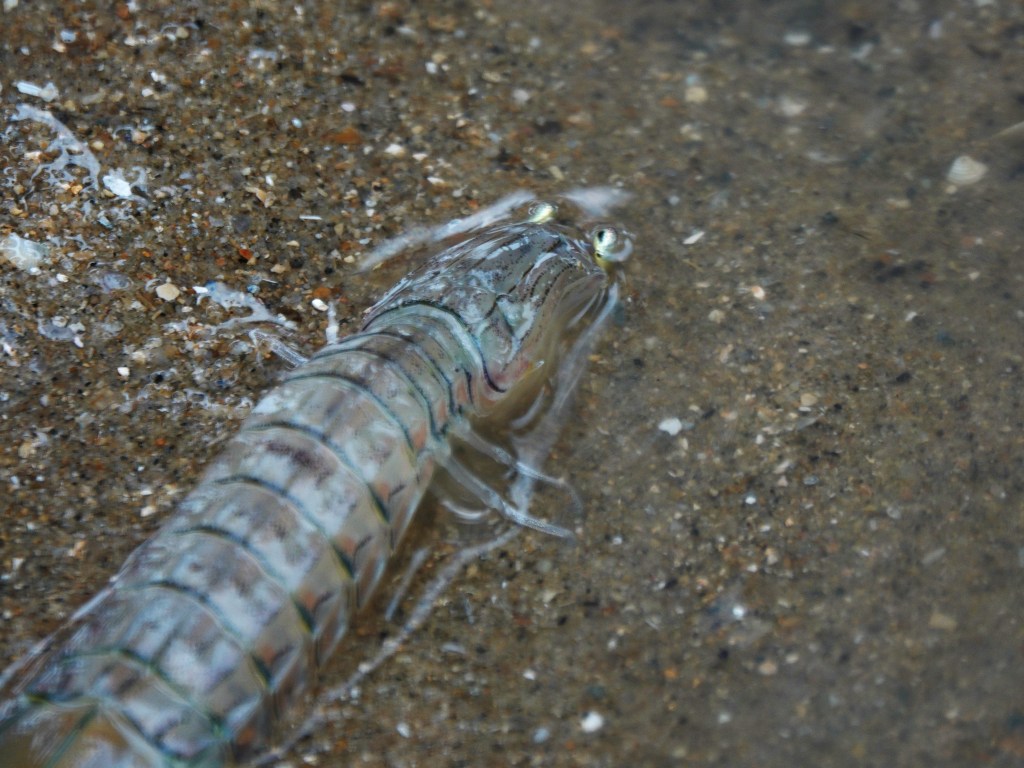
    Our excursion concluded with a spectacular sighting: a Spearer Mantis Shrimp (Family Squillidae), spotted by my friend. The creature’s striking appearance drew eager participants who were tempted to touch it. However, our vigilant guides swiftly intervened, warning against such interaction.

    Spearer Mantis Shrimp as opposed to the Smasher Mantis Shrimp

    The excursion concluded on a high note with a group photograph featuring MJ and her expert guides. As a delightful parting gift, MJ distributed cutesy, beautifully-illustrated stickers to all participants. These stickers depicted the various sea creatures we had encountered during our intertidal adventure, serving as both a memento and an educational tool to reinforce our newfound knowledge of the marine ecosystem.

    Thank you MJ Biogal and the guides for such an enriching intertidal walk.

    I am a huge fan too! ♥️

    Written by Lucas