Remember those colourful Panini sticker albums from the 80s and 90s? They weren’t just fun collectibles – they played a surprising role in nurturing a generation’s love for wildlife and nature! For many of us, these sticker books were our first window into the fascinating world of animals, sparking curiosity and passion that would last a lifetime.
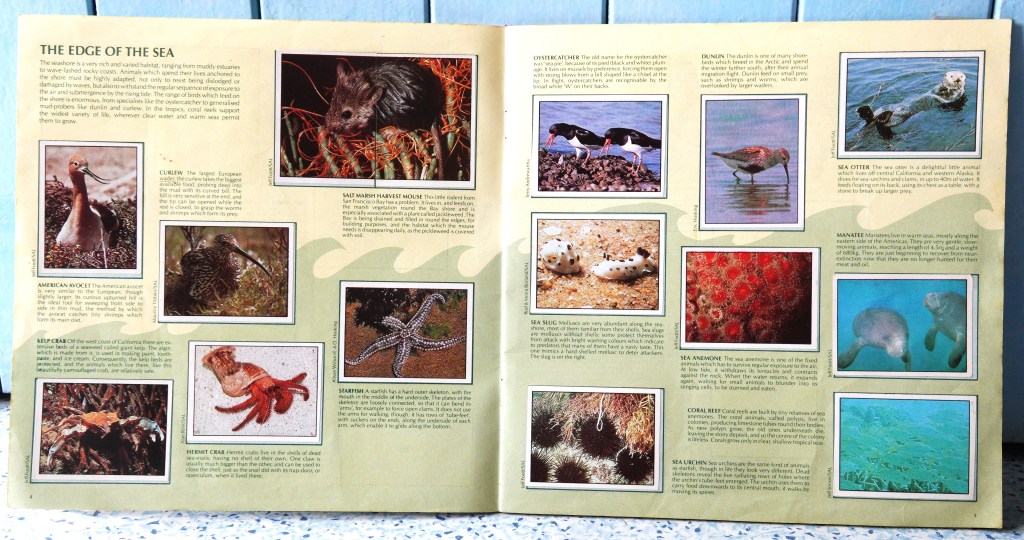
In those pre-internet days, our Panini sticker books held an even more special place in our hearts and minds. Without the instant access to information we have today, we couldn’t just Google what a particular creature looked like or how it behaved. This limitation turned each new sticker into a thrilling discovery. When we finally got that sticker of an animal we’d never seen before, it was like unlocking a secret of the natural world.
My own journey into the world of Panini stickers began with a humorous misunderstanding. At a local shop in an old Hougang Estate (Block 11A, now demolished), I eagerly asked for the “Our World of Endangered Species” sticker album. The shopkeeper, bless her heart, misunderstood completely. She thought I was asking for an ‘inappropriate’ magazine, likely confusing it with “Her World”! It took some browsing and pointing to the actual album before she realised her mistake and allowed me to make my purchase. That small incident marked the beginning of my Panini sticker collecting adventure and, unknowingly, set me on a path to a deeper interest in wildlife.


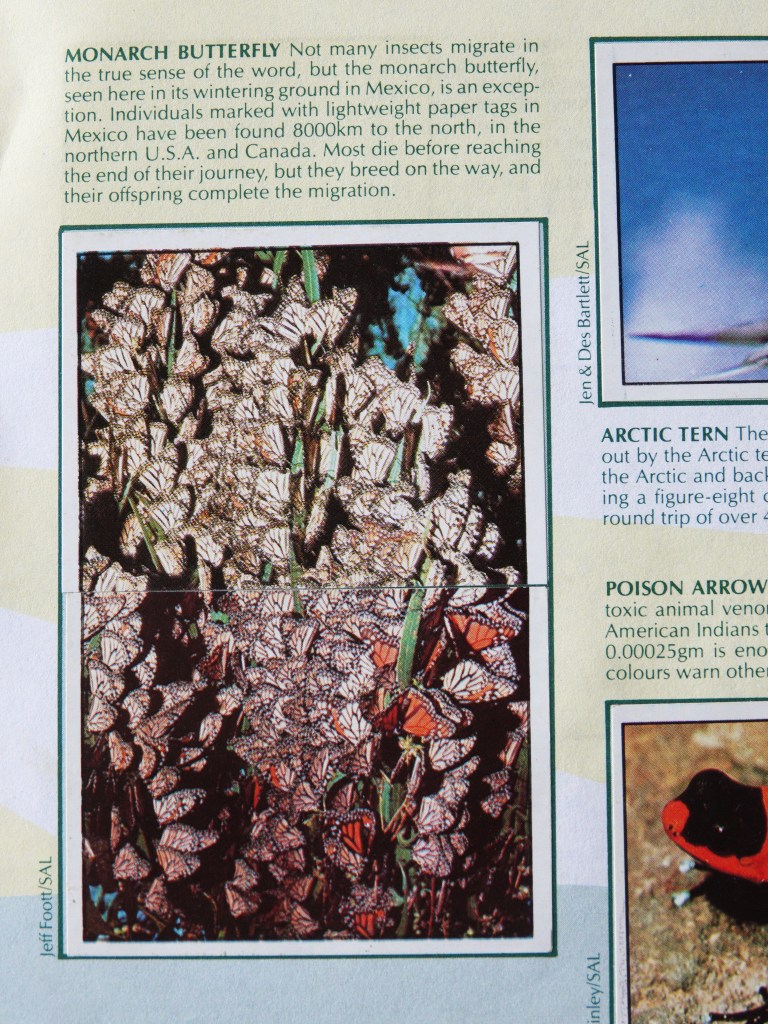
Panini’s wildlife sticker books brought the animal kingdom right into children’s hands. Each vibrant sticker showcased a different creature, accompanied by fascinating facts. As we eagerly filled our albums, we were unknowingly embarking on a global wildlife tour. These weren’t just pictures – they were gateways to understanding the diverse and sometimes threatened animal kingdom.
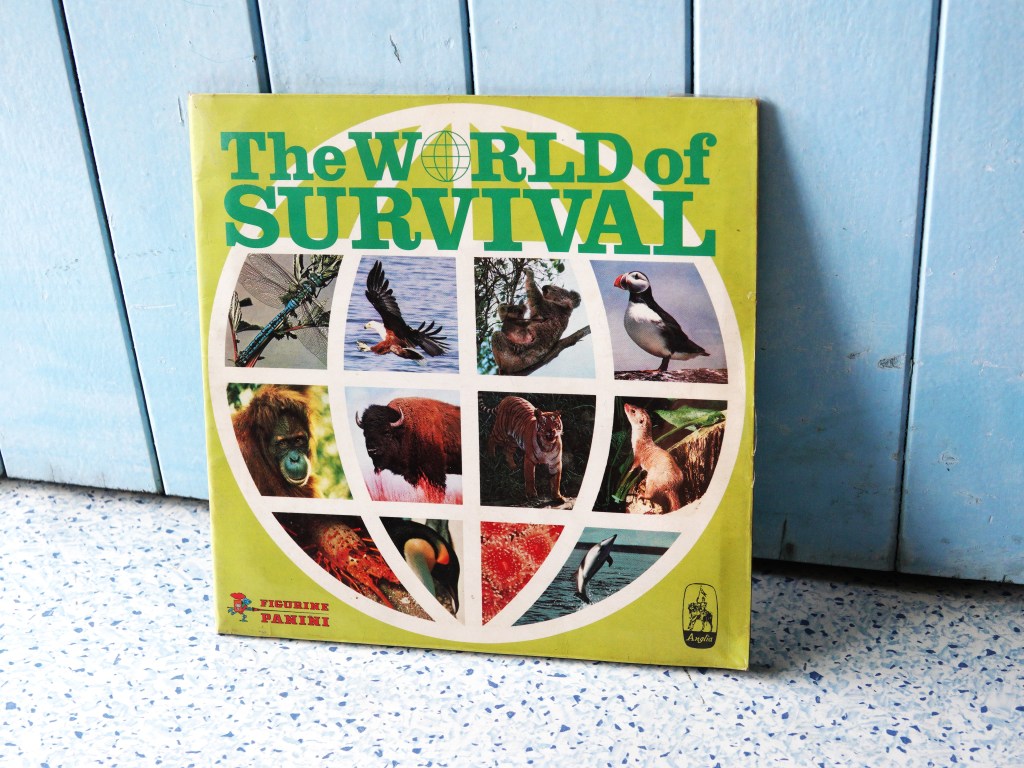
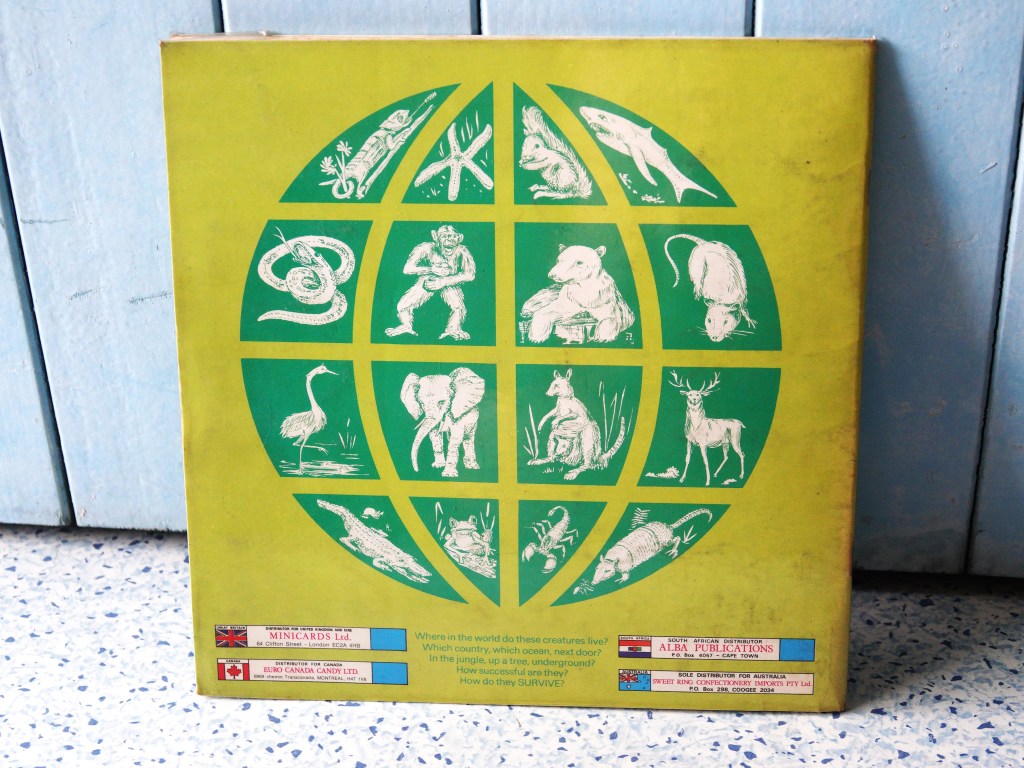
Popular titles, available in Singapore, like “The World of Survival” and “Our World of Endangered Species” became treasured possessions. Despite their cost, these sticker books provided the perfect blend of entertainment and education. We absorbed knowledge about various species, their habitats, and even snippets of conservation issues, all while enjoying the thrill of collection.

The excitement extended beyond personal collections, transforming the playground into a bustling marketplace of childhood treasures. Trading missing stickers with friends became a cherished ritual, much like the exchanges of country erasers, marbles, and stamps that defined our school days.
The pursuit of completing our albums led to some entrepreneurial endeavours among classmates, with some young minds setting up impromptu sticker ‘shops’. However, these budding businesses were short-lived, as the school’s vigilant discipline mistress swiftly clamped down on student-to-student sales. I vividly remember the day a stack of my precious Panini stickers was confiscated, purchased from a classmate who displayed remarkable business acumen at such a tender age. Despite the risks, these small acts of rebellion only heightened the thrill of the chase, adding an extra layer of excitement to our quest for a complete collection, which never did happen. Haha.
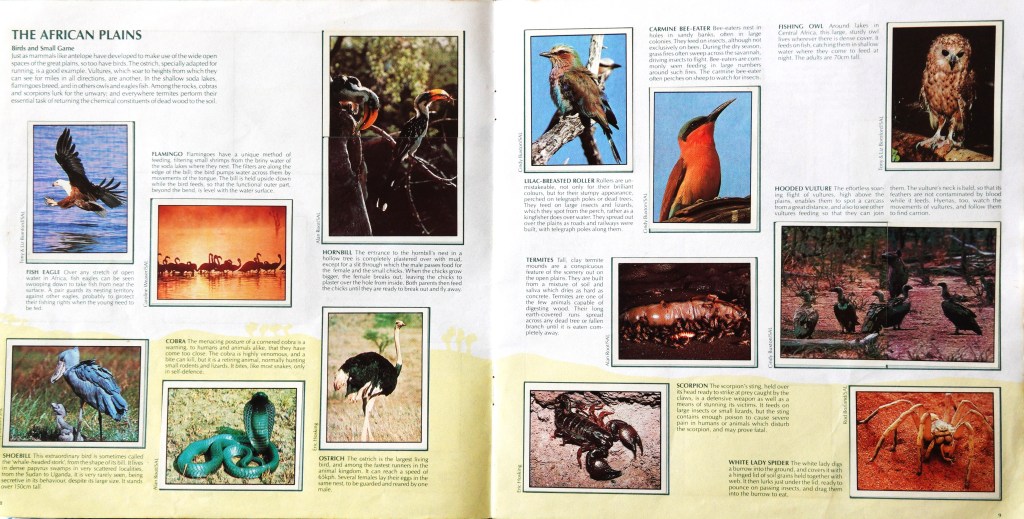

Empty spaces in the album pique interest, especially with the accompanying captions in the absence of visuals. Children would imagine the features of the creatures that might fill those gaps, fostering a sense of wonder about unknown species. What could the missing animal look like? Perhaps it has iridescent scales that shimmer like rainbows, or maybe it possesses eyes that glow in the dark.
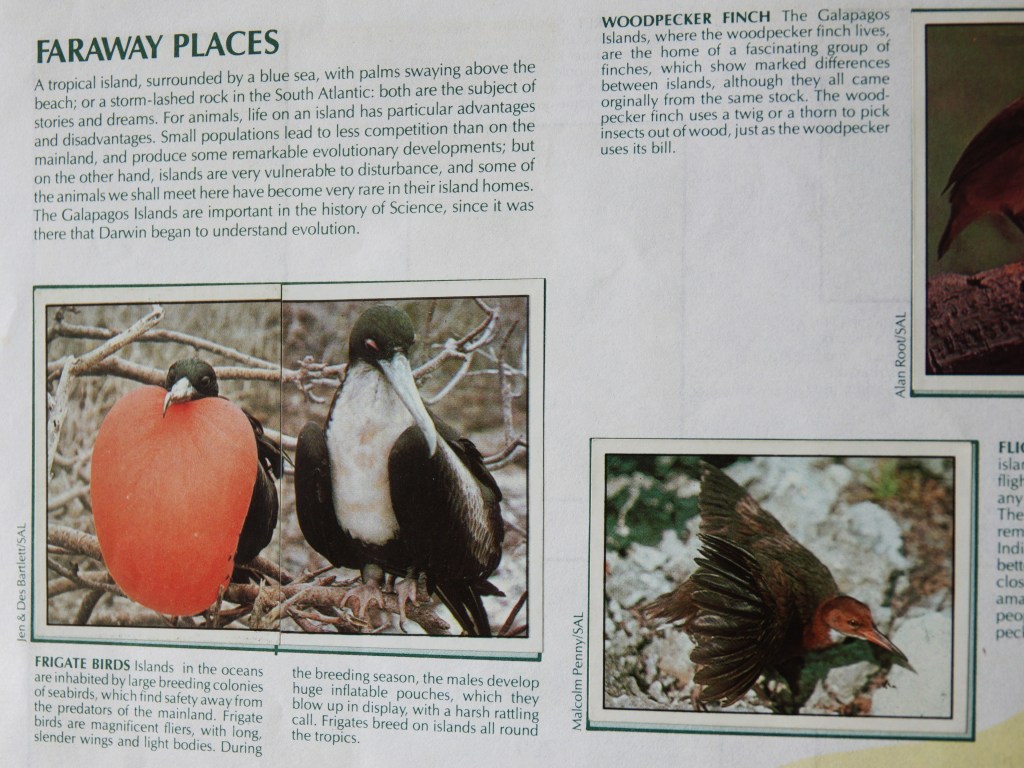
A special excitement came from the animal pictures that needed two stickers to finish. These bigger images made collecting even more fun. Putting together these double-sticker images was like completing a mini-puzzle, giving us a closer look at these amazing animals. It felt fantastic when we finally got both halves, making the whole wildlife adventure more real and unforgettable. It’s as if the album itself is whispering, “This creature is so extraordinary, it can’t be contained in a single sticker!”
One of my favourite double-sticker photograph was the frigate bird (Fregatidae). I was amazed by its huge, bright red throat pouch that looked almost like a giant human tongue!
In conclusion, Panini sticker books played a significant role in nurturing a love for wildlife among children of the 70s, 80s, and 90s. These colourful albums did more than just entertain; they educated, inspired curiosity, and fostered a deeper appreciation for the natural world.
By bringing exotic and endangered species into our everyday lives, Panini stickers sparked conversations, encouraged learning, and created lasting memories. The excitement of collecting, trading, and completing these albums laid the foundation for many lifelong interests in nature and conservation.
Written by Lucas
 birdbrainsg
Leave a comment