Mutualism in natural science refers to a symbiotic relationship between two different species where both organisms benefit from the interaction. This type of relationship is widespread in nature and plays a crucial role in many ecosystems.
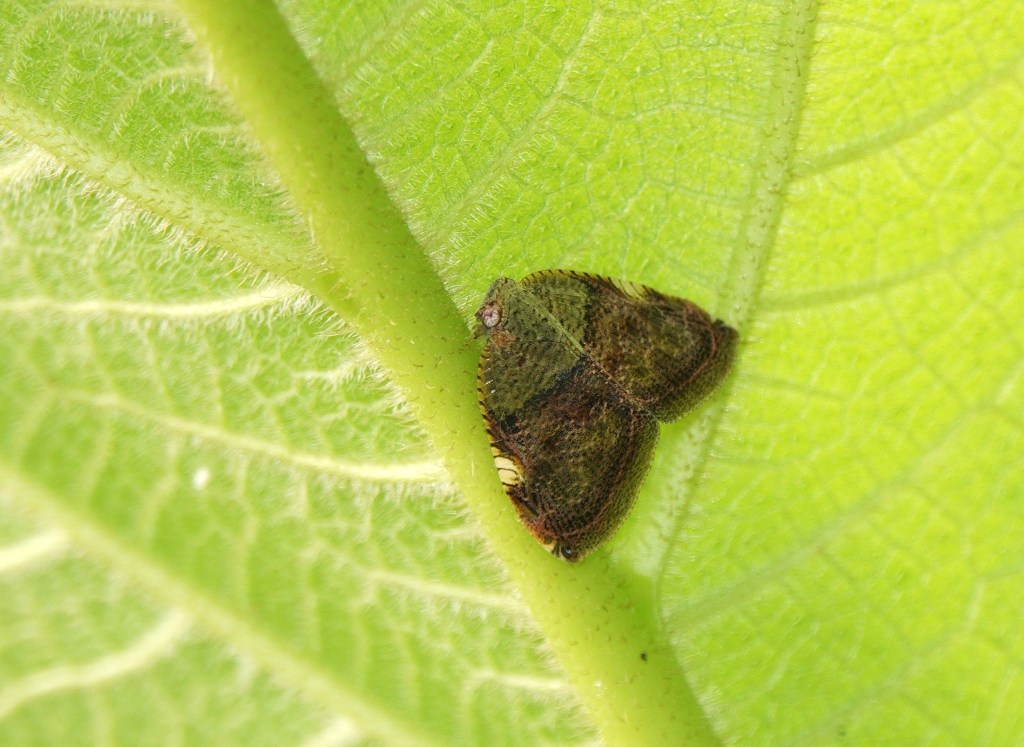
Treehoppers (Membracidae) are small, fascinating insects known for their unique appearance. These tiny bugs, usually smaller than a fingernail, have unusual protrusions on their backs that help them blend in with plants. They use their sharp mouthparts to feed on tree sap, which can sometimes make them a nuisance to gardeners. With thousands of species worldwide, these odd-looking insects continue to intrigue both scientists and nature lovers, showcasing the incredible diversity of the insect world. In this post, I will be documenting the symbiotic relationship between treehoppers and ants, which is observed in Singapore.
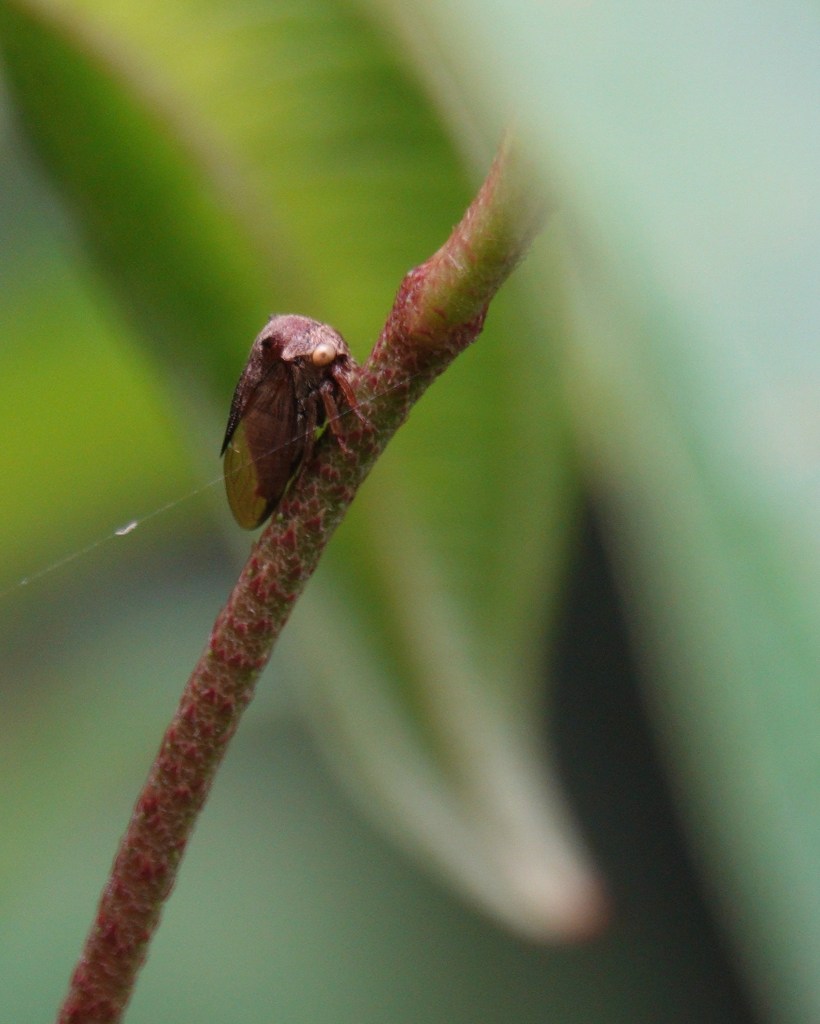
A Moment in Nature
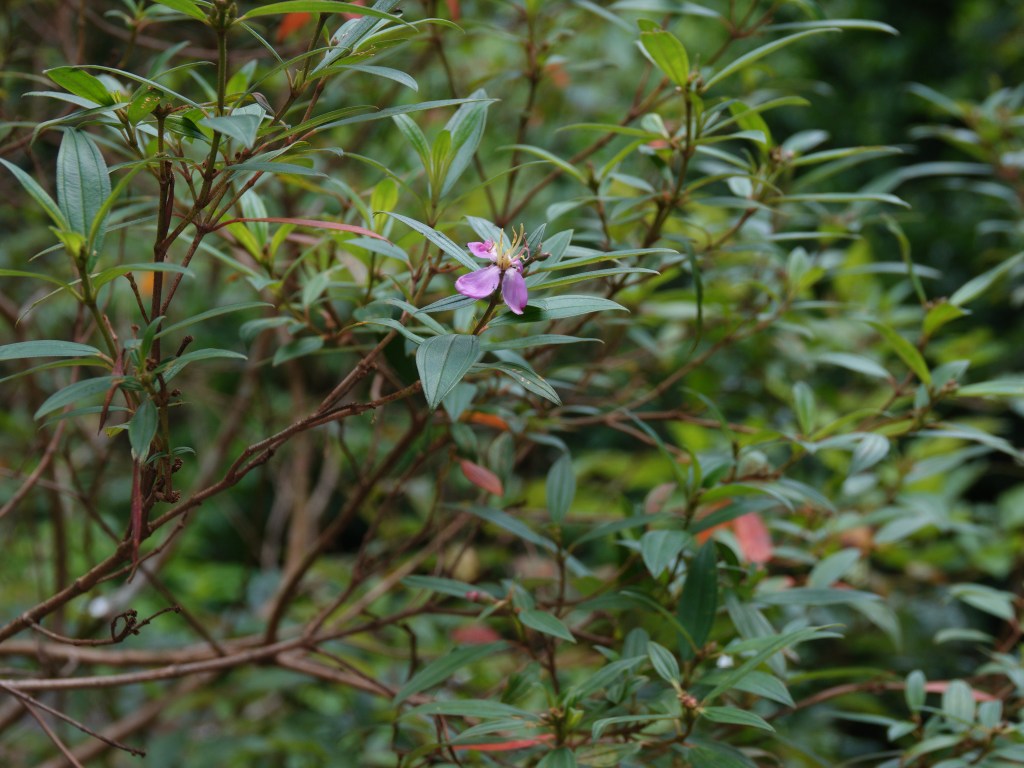
In the fascinating world of insect interactions, treehoppers and ants have developed this mutually beneficial relationship. During a recent visit to Thomson Nature Park in Singapore, I observed a remarkable example of this symbiosis on the Singapore Rhododendron shrub (Melastoma malabathricum). The same observation was also recorded in Pulau Ubin on a Melastoma.
A group of Red Weaver Ants (Oecophylla) was actively tending to numerous unidentified treehoppers along the plant’s stems. Upon closer inspection, it became apparent that the ants were gently stimulating the treehoppers, encouraging them to secrete honeydew – a sweet, nutrient-rich liquid that the ants consume.
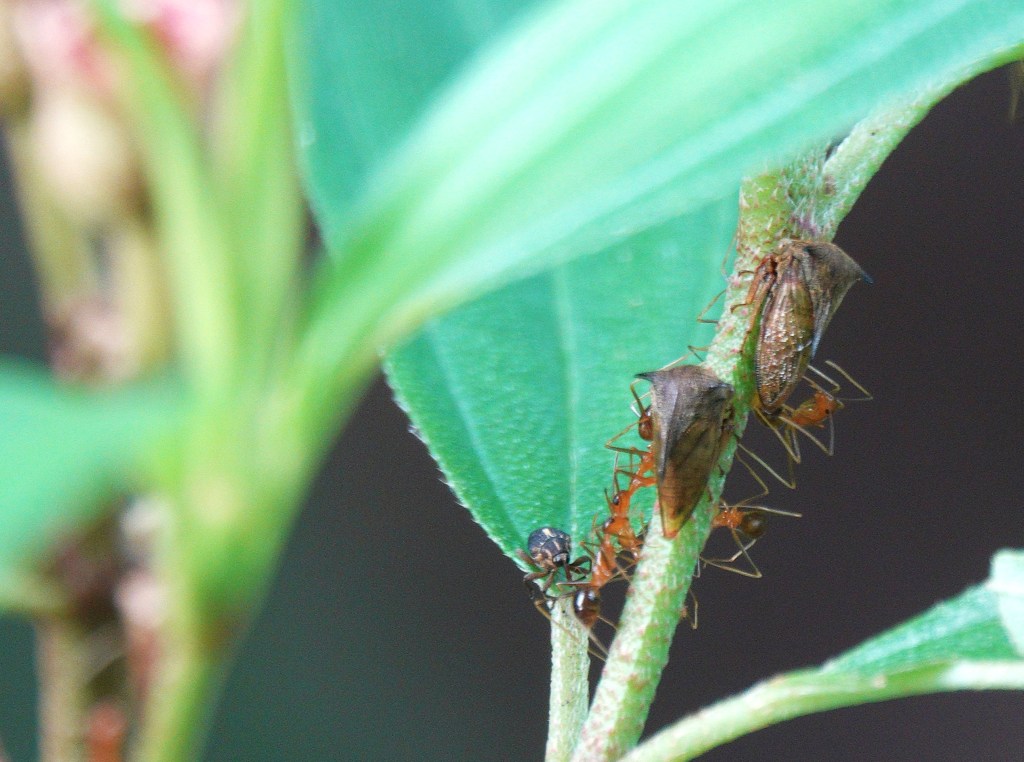
- Treehoppers benefit from the Red Weaver Ants’:
- Protection from predators and parasites
- Care for treehopper nymphs
- Red Weaver Ants benefit from Treehoppers’:
- Honeydew, a sweet substance excreted by treehoppers, which serves as a valuable food source
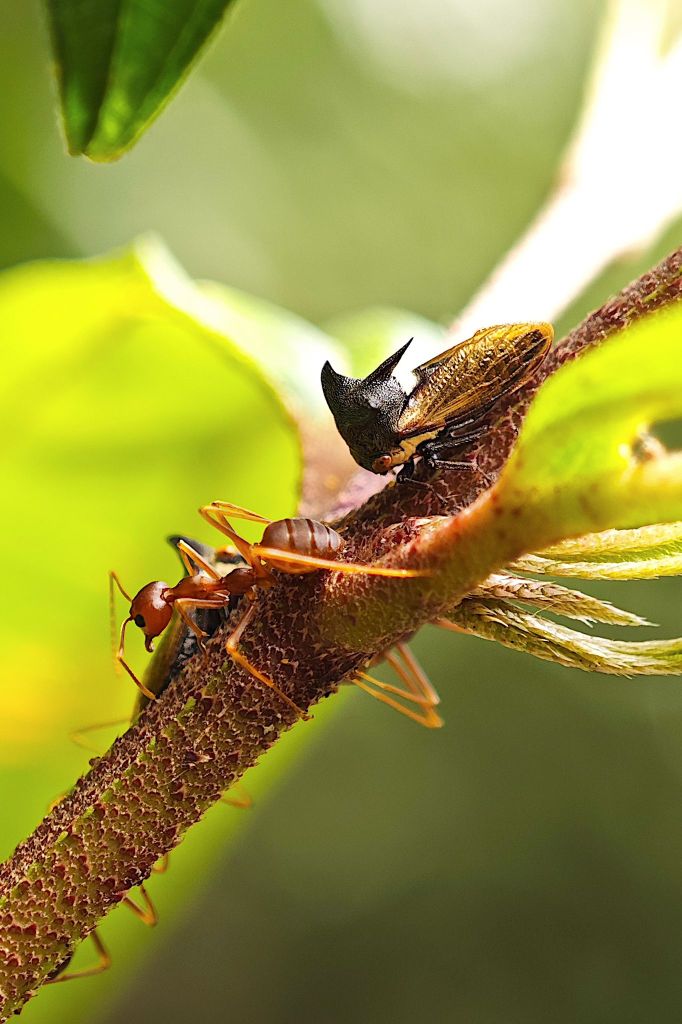
Next time you’re out in nature, take a moment to look closely at the plants around you. You might just witness your own example of mutualism in action between a treehopper and some ant species!
What About other Hoppers?
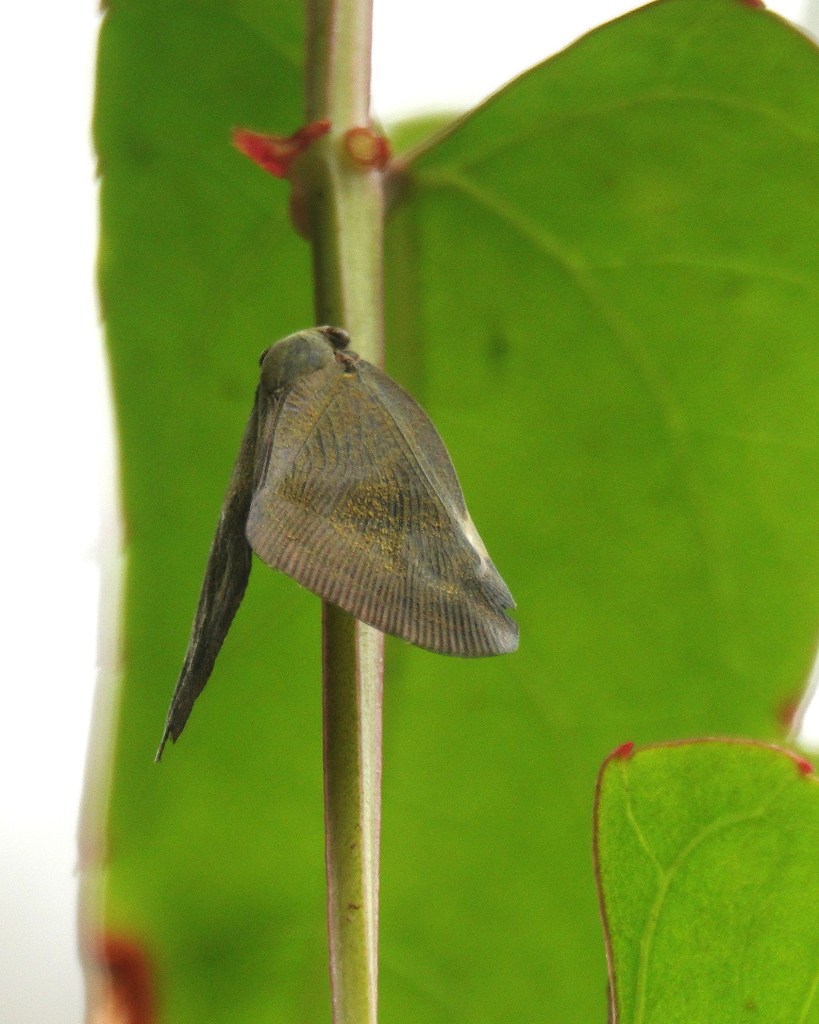
At this juncture, I am unsure if there are any mutualistic relationship between these other hoppers and ants.
Now, let us dwell into some basic background knowledge on leafhoppers, froghoppers and planthoppers, at least by their common names.
These other hoppers belong to the order Hemiptera, commonly known as True Bugs. These insects are characterised by their sucking mouthparts and a developmental stage called “nymph” before reaching adulthood. While Leafhoppers, Treehoppers, and Spittlebugs share a closer evolutionary relationship with Cicadas, Planthoppers are slightly more distant relatives within the order. As their names suggest, most possess the ability to jump, which aids in their survival and dispersal.
Captured in various locations across the island of Singapore, these images of planthoppers, froghoppers and leafhoppers offer a glimpse into the unique characteristics and behaviors of these intriguing insects.
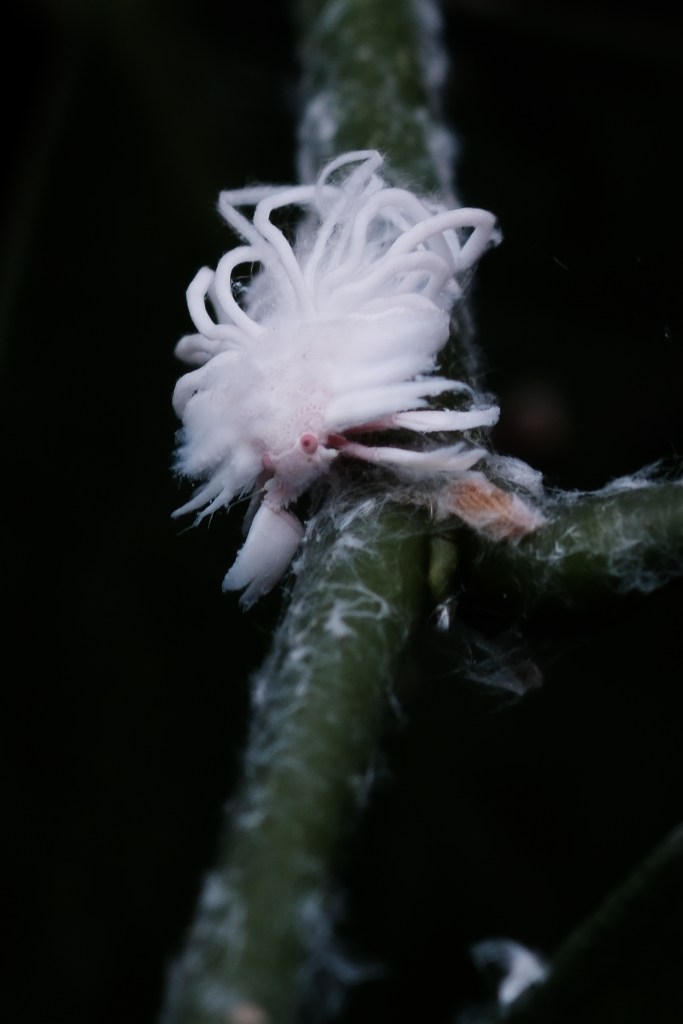
Planthoppers have antennae attached below the eyes, on the sides of the head.
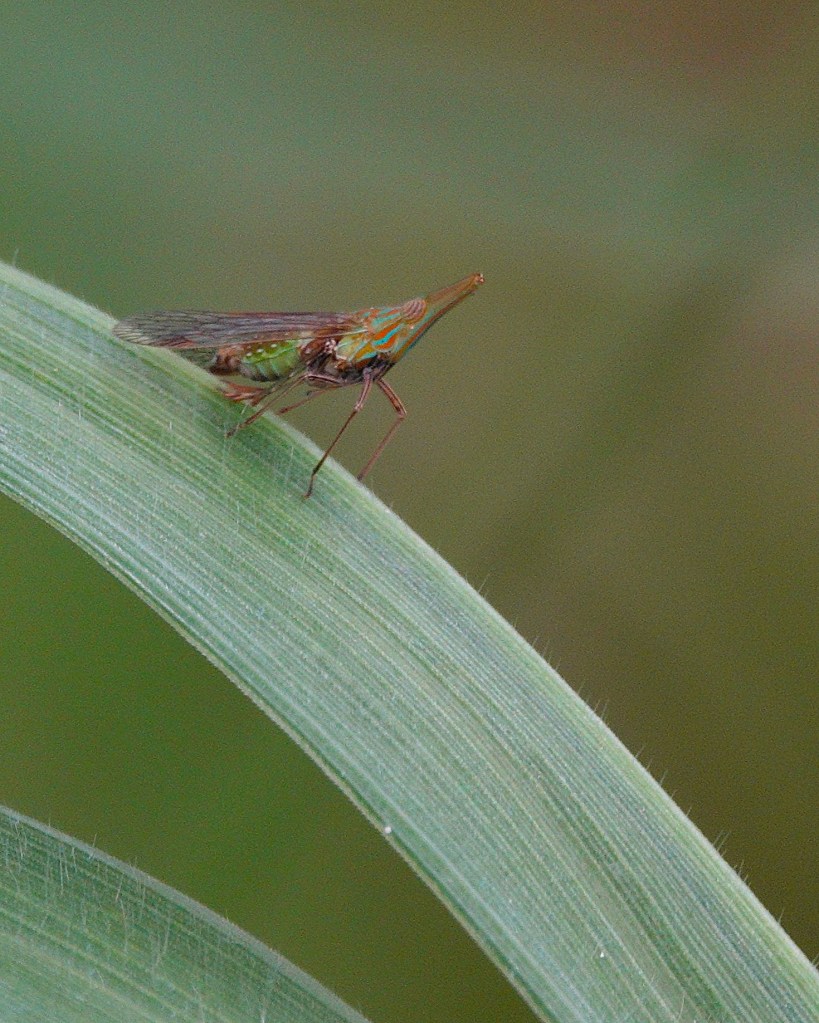
Raivuna
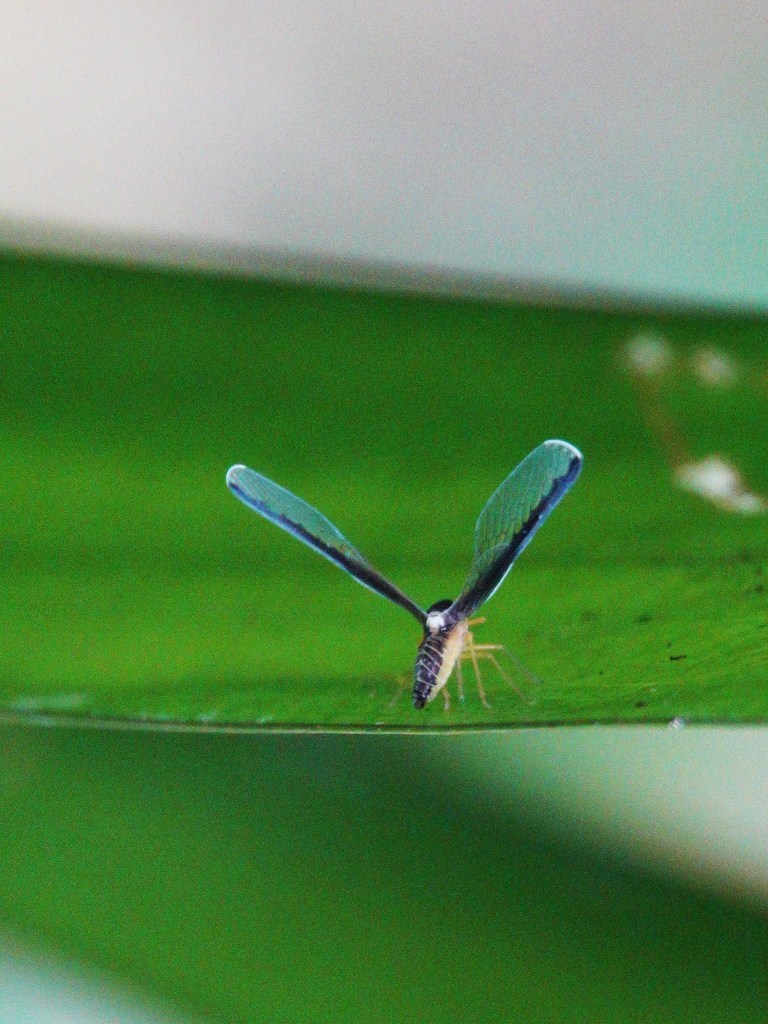
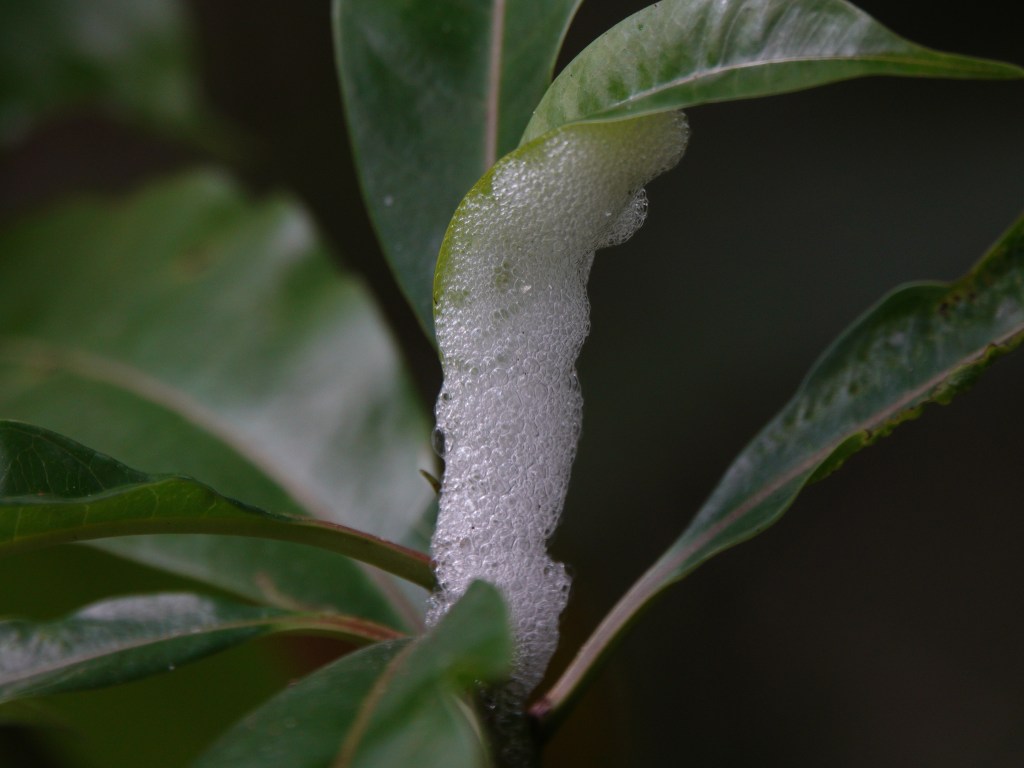
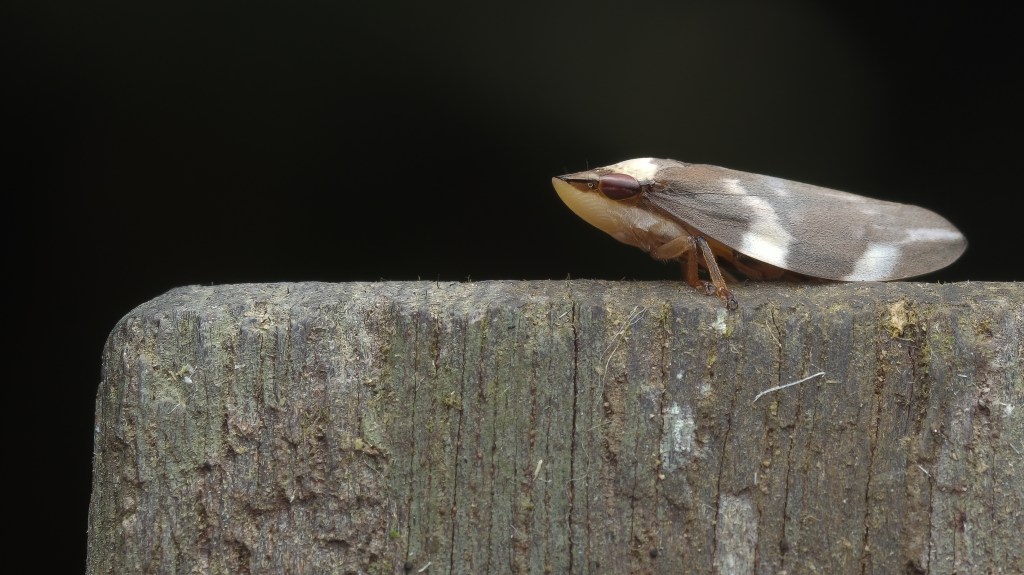
While hiking, if you notice what appears to be spit on a plant stem, gently remove some of the froth to reveal the tiny culprit: a soft-bodied, wingless nymph of a froghopper (spittlebug). As they mature, froghoppers develop a distinctive “frog-like” appearance, with a wider rear end than front, and impressive jumping ability.
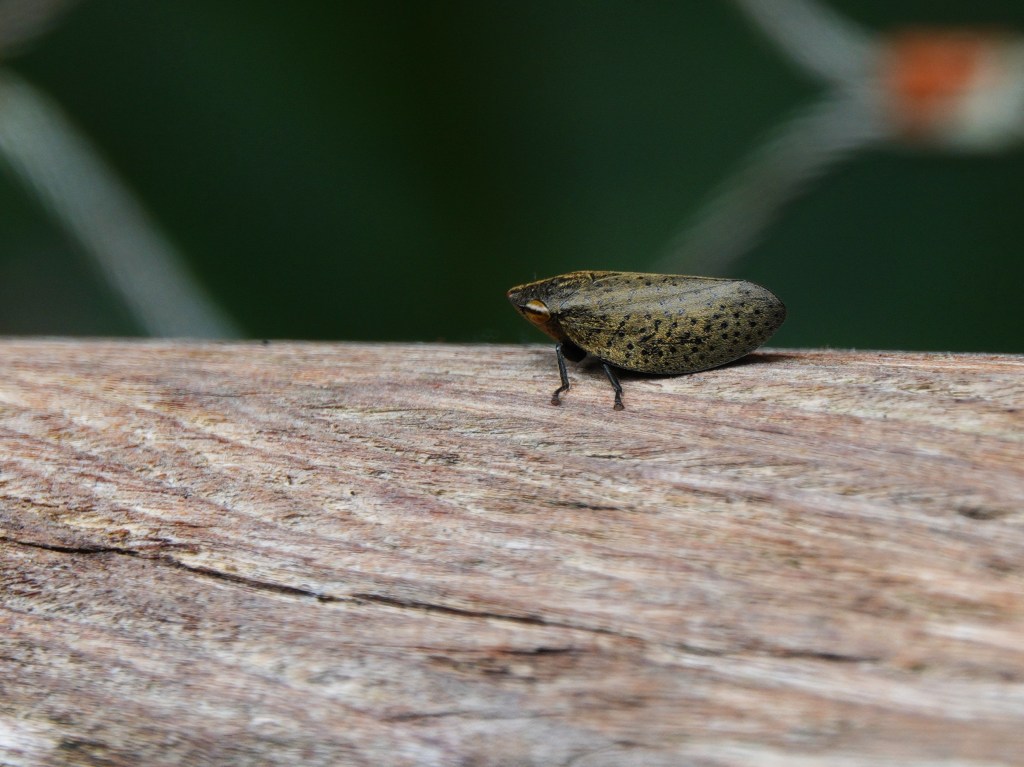
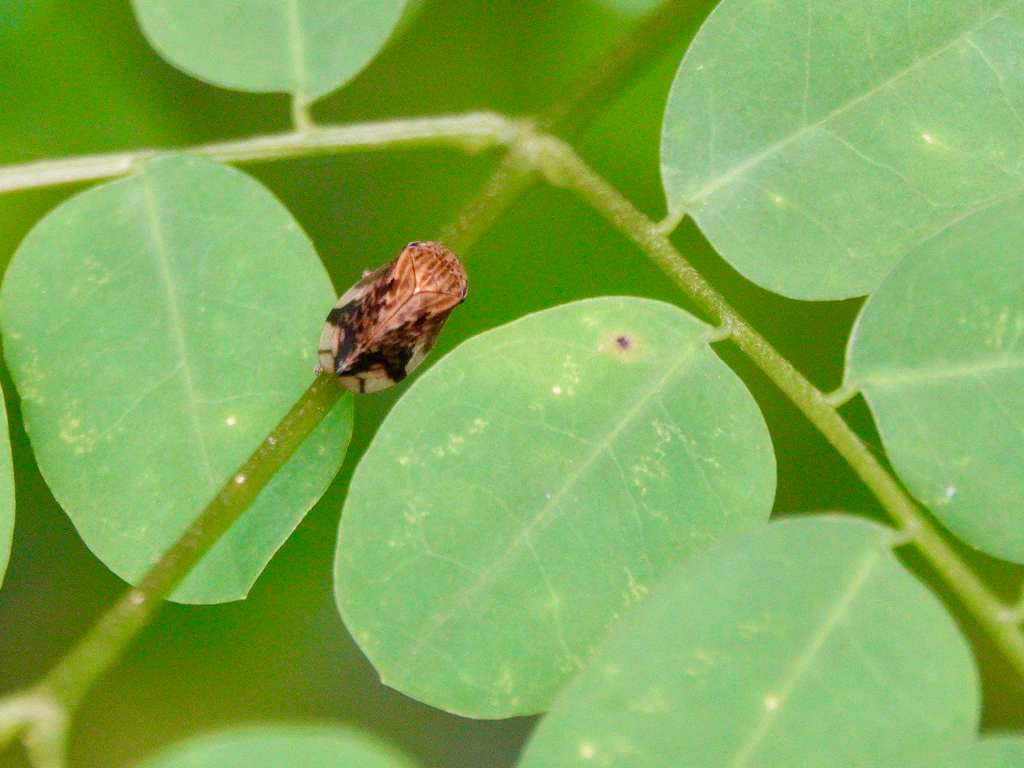
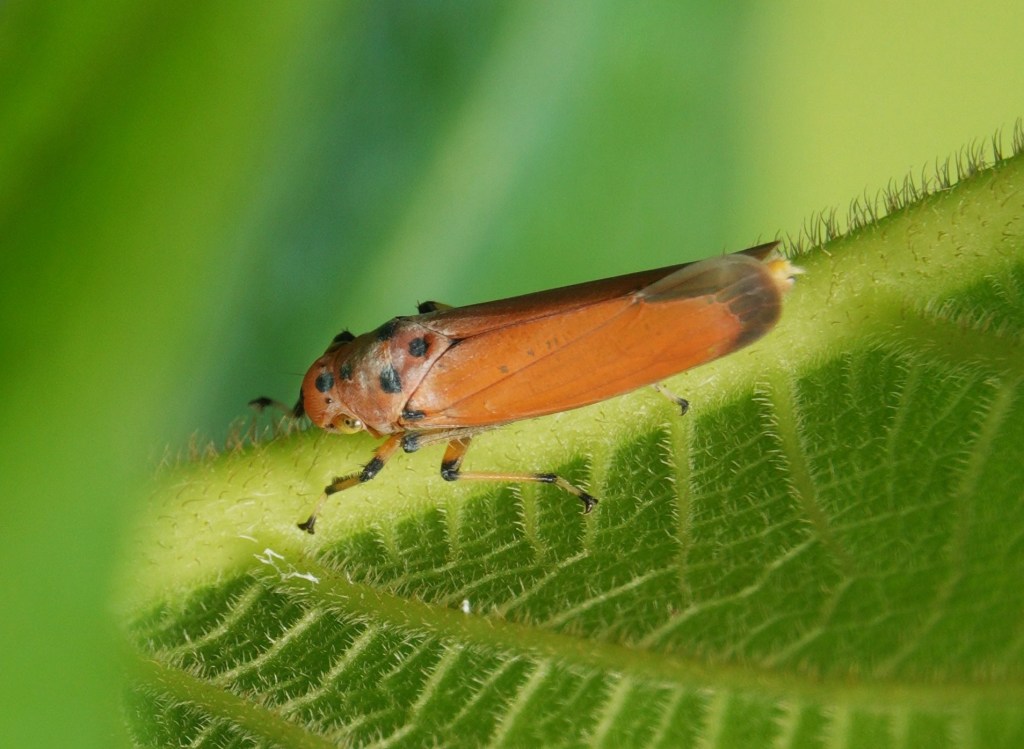
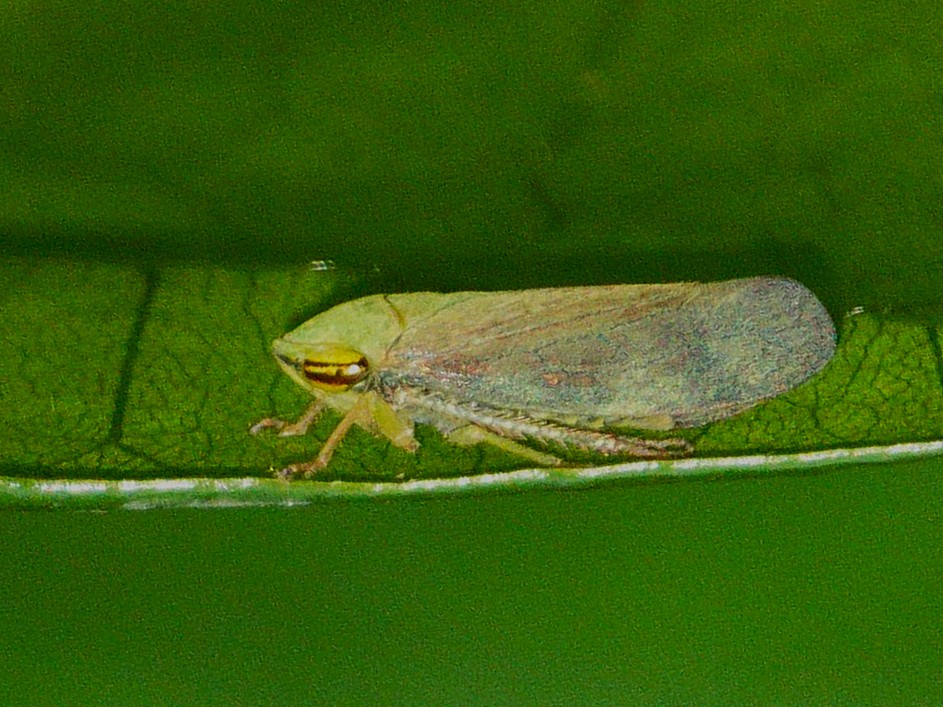
Leafhoppers may be mistaken for cicadas due to their similar body shape, but are much smaller. To identify them, look for the distinctive rows of tiny spines on the hind legs, specifically on the shin area. Their bodies tend to be straight-sided or tapered toward the rear.

Written by Lucas
 birdbrainsg
Leave a comment